Wholesale Automatic Choking Rescue Device Manufacturer & Service
Factory-direct supply, private-label programs, multilingual documentation and localized first-aid training support for distributors, schools, hospitals and public-safety teams worldwide.
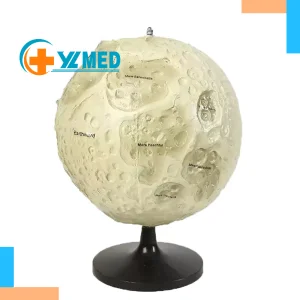
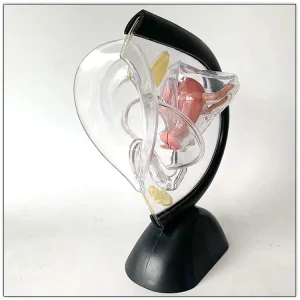
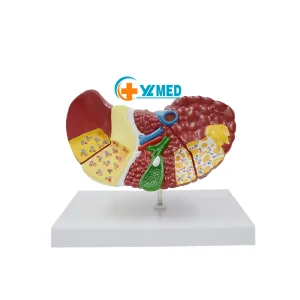
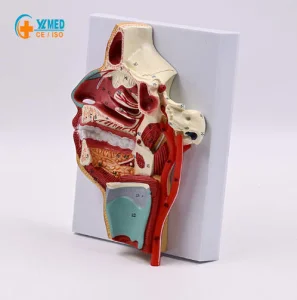
8 Original Product References from the Wholesale Medical & Educational Catalog
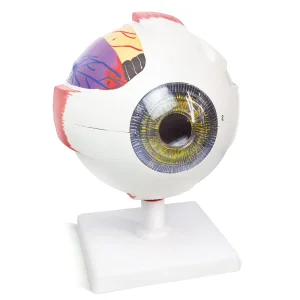
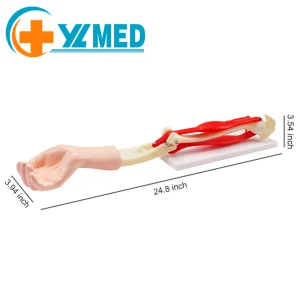
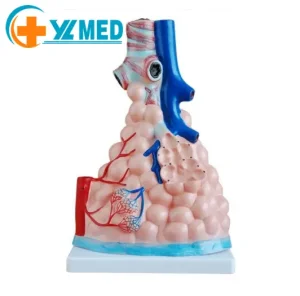
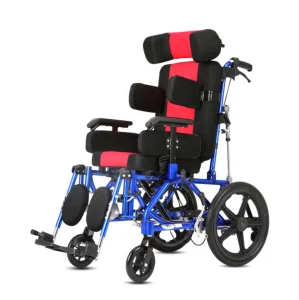
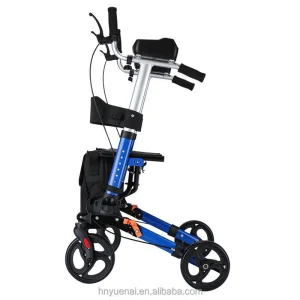
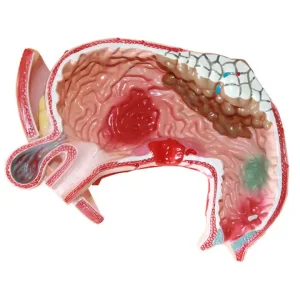
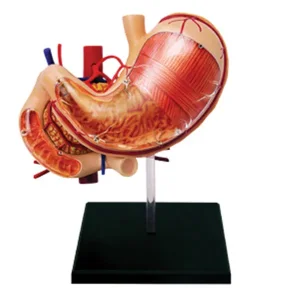
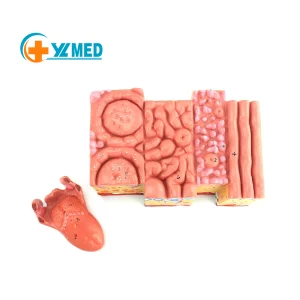
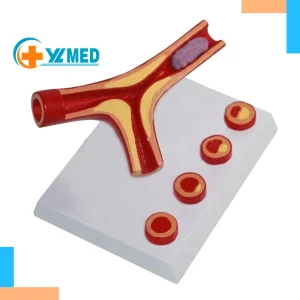
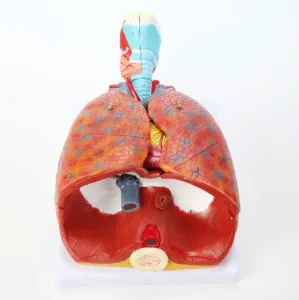
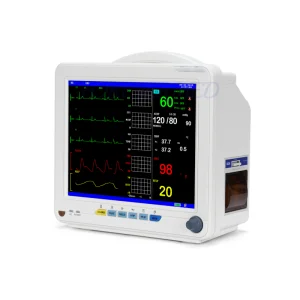
The first eight product references below are retained from the original catalog. Every image and product URL is preserved, and each product title link is styled as a button so buyers can open the exact original product page. These references show the breadth of our factory-direct supply — from rehabilitation mobility and anatomical teaching models to patient monitoring and clinical furniture.
Why the Search for a Wholesale Automatic Choking Rescue Device Manufacturer Is Different
Buyers searching for a wholesale automatic choking rescue device manufacturer are not simply comparing unit prices. They are evaluating a chain of evidence: product design, training method, patient interface, cleaning and replacement cycle, regulatory classification, labeling, and the supplier’s ability to keep quality stable across repeat orders. For distributors, the search intent usually includes private label, localized training support and documentation that can be submitted to tender committees or import authorities.
An automatic choking rescue device is best understood as a first-aid adjunct for airway obstruction. Depending on its design, it may use a mask, one-way valve, negative-pressure chamber or assisted suction to help create a pressure differential and draw obstruction material toward the device. “Automatic” should not mean autonomous decision-making. It should mean that the device reduces manual technique variation through guided pressure control, visual feedback or step-by-step prompts. It is not a replacement for back blows, abdominal thrusts, CPR or emergency medical services. Local protocols and trained instruction remain essential.
Yulin Medical’s role is manufacturing and service. Henan Yulin Edu. Project Co., Ltd. has operated since 1958, has been ISO 9001 certified since 2008, and runs a factory in Xinxiang, Henan, with more than 200 professional staff and registered capital of RMB 120 million. Our original product portfolio covers ten lines, from anatomy models and CPR manikins to hospital furniture and first-aid equipment. This cross-category capability supports mixed-category orders, private-label packaging and one accountable export contact.
What “Automatic” Should Mean in a Procurement Specification
A credible automatic choking rescue device specification should separate mechanical performance, human factors, hygiene and regulatory evidence. The following four themes help distributors compare samples and avoid buying a device that cannot be supported in the target market.
Negative-pressure core & seal performance
Mask geometry, one-way valve reliability, chamber volume and pressure behavior under simulated use are more important than a decorative “automatic” label. Ask for bench data, repeated-use checks and clear cleaning limits.
Guided sequence & feedback
LED prompts, audible cues, pressure indicators or timing guides can reduce training variation. The interface should be understandable under stress and in local languages, not only in an English training video.
Single-patient interface & hygiene
Define which parts are single-use, how the reusable body is disinfected, and how replacement masks are packed. Hygiene protocols and spare-part availability directly affect resale value and program sustainability.
Evidence package & labeling
A tender-ready file usually includes technical specifications, risk analysis, test reports, labeling artwork, instructions for use, packaging validation and a change-control plan. Claims must match the evidence.
Localized Application Scenarios: Where an Automatic Choking Rescue Device Fits
The same product can require different packaging, training and documentation in different markets. These scenarios help distributors define the local value proposition and avoid a generic “one-size-fits-all” launch.
Schools, universities & training centres
Localization means age-appropriate training, school emergency action plans, replacement masks, multilingual wall posters and alignment with local first-aid curricula. Buyers often bundle devices with CPR manikins and training kits.
Elderly care & home care
Caregiver training, dexterity-friendly handles, large instructions, local-language QR guides and integration with nursing-home incident reporting are more valuable than additional gadget features.
Food service & hospitality
Restaurant chains, hotels, canteens and airlines need compact wall kits, sanitation protocols, staff drills and brandable OEM packaging. High-turnover teams require simple refresher training.
Public access & transport
Airports, rail stations, shopping malls and sports venues increasingly connect first-aid devices with public-access AED cabinets, emergency response apps and facility inspection routines.
Industrial & workplace first aid
Factories, construction sites and remote operations need rugged cases, dust-awareness in storage, shift-change checks and incident documentation that satisfies local health and safety requirements.
Community & emerging markets
Distributors in Southeast Asia, Latin America, Africa and the Middle East often prioritize durable mechanical designs, low maintenance, affordable replacement parts and train-the-trainer programs.
From Mechanical Rescue to Connected Readiness
The category is evolving from a standalone mechanical tool into a broader first-aid readiness system. The roadmap below is directional: not every feature is available in every SKU or market, and clinical claims require separate validation.
Mechanical negative-pressure platform
Current manufacturing baseline: mask, valve, chamber, ergonomic handle and cleanable body. Focus is repeatability, seal quality, packaging and replacement-interface supply.
Sensor-assisted guidance
Pressure sensing, timing cues and LED or audio prompts can help standardize technique. Human factors testing is essential because alarms and prompts must not confuse a lay responder.
Connected training & readiness
QR or NFC logging can support inspection reminders, training records, replacement-mask tracking and distributor service programs without turning the device into a complex digital product.
AI-assisted, multilingual & interoperable
Future systems may combine guided response, language selection and integration with AED cabinets or emergency apps. Human oversight, privacy and regulatory clearance remain mandatory.
Procurement Is Moving from Gadget Purchases to Programme Readiness
In mature markets, the commercial conversation is about documentation, training and liability-aware deployment. In price-sensitive markets, it is about durability, replacement costs and distributor enablement. Across both, buyers increasingly ask for a complete program: device, training, signage, QR instructions, replacement masks and an incident-response process.
Indicative buyer-priority index; not a market forecast.
Driven by caregiver training and decentralized care.
Focus on drills, wall kits and incident documentation.
Distributors seek brand control and local-language support.
Distributor Evaluation Weight — Example Scorecard
Supply Chain Resilience & Efficiency from a Manufacturer Established in 1958
A new automatic choking rescue device program benefits from an existing manufacturing base: component sourcing, tooling, assembly, inspection, packaging and export coordination. Henan Yulin Edu. Project Co., Ltd. has developed these capabilities across medical teaching models, CPR manikins, first-aid equipment and hospital furniture, with ISO 9001 quality management since 2008.
Dual-sourced components
Critical valves, seals, masks and packaging materials can be qualified with secondary sources to reduce single-supplier risk while maintaining change control.
In-house tooling & assembly
Product development, mold coordination, assembly fixtures and final inspection can be managed under one quality system, with documented process controls.
Mixed-category consolidation
Distributors can combine choking rescue devices with anatomy models, CPR manikins, hospital furniture or rehabilitation products in one shipment and one inquiry thread.
Export documentation & communication
Our export team is online 7 days a week and typically replies within 24 hours with catalogs, specifications, packing options and shipping suggestions.
Compliance Safeguards for Overseas Buyers
Regulatory classification for an automatic choking rescue device depends on its intended use, claims and jurisdiction. Prospective distributors should confirm the pathway before committing to tooling, packaging or launch claims. We support the project with documentation and local-language materials; we do not claim market clearance unless it has been verified for the specific SKU.
Regulatory pathway mapping
Discuss intended use, user profile, cleaning method and claims early. Potential pathways may include FDA, EU MDR, UKCA, TGA, Health Canada, PMDA or local registration depending on the market.
Technical file & test evidence
A project file can include specifications, risk analysis, verification reports, material declarations, packaging validation and labeling artwork, subject to the agreed scope and test plan.
Labeling & IFU localization
Local-language instructions, symbols, warnings, storage conditions and training notes can be adapted for the target market while preserving the approved technical content.
Training & distributor enablement
We can support train-the-trainer content, product demonstration scripts, comparison charts and replacement-part planning so the distributor can serve schools, care homes and workplaces.
Traceability & after-sales
Batch codes, inspection records and complaint handling should be defined before launch. Spare masks, valves and packaging should be available as a separate service line.
Change control & post-market monitoring
Material, supplier or process changes should trigger documented review. Distributors need a clear route for field feedback, incidents, returns and corrective actions.
A Transparent 5-Step Process for Wholesale Buyers
Share requirements
Send product types, target market, quantities, claims, packaging direction and any tender or certification needs.
Catalog & proposal
Receive matched models, specifications, packaging options, documentation scope and shipping suggestions.
Sample evaluation
Test samples with your instructors, clinicians or regulatory adviser before confirming bulk production.
Production & QC
Manufacturing and inspection follow our ISO 9001 quality management system, with agreed checkpoints.
Export & support
Protective export packing, delivery coordination, after-sales response and repeat-order planning.
One-Stop Medical & Educational Supply Across Ten Product Lines
The original Yulin Medical page lists ten specialised product lines. They remain part of our manufacturer and service scope and can be consolidated with automatic choking rescue device projects for distributors that serve both clinical and educational customers.
Wholesale Automatic Choking Rescue Device, OEM Service and Compliance FAQ
Is Yulin Medical a manufacturer or a trading company?
What quality certification does the manufacturer hold?
Do you support OEM, private label and custom packaging?
How do I choose the right automatic choking rescue device?
Is the device a replacement for back blows, abdominal thrusts or CPR?
What compliance documents can be provided?
How quickly will I receive a reply?
Can you consolidate mixed-category orders with teaching models or hospital equipment?
8 Additional Original Product References
The final eight product references complete the 16-item original product list. Every image, product URL and original product title is retained. Use the button-style title links to open the exact product page or send the URL to our export team for a consolidated quotation.