ODM / Factory Direct
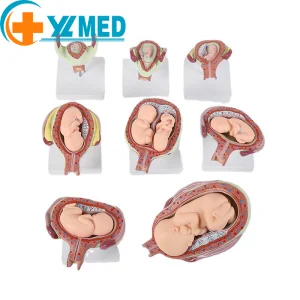
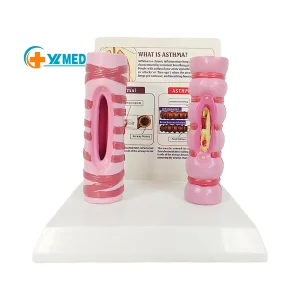
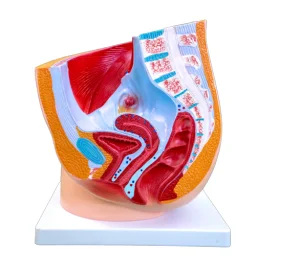
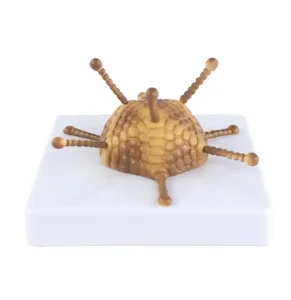
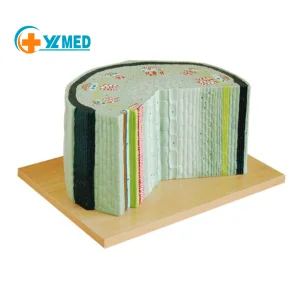
The first eight models below are part of the current Yulin Medical range. Every item can be supplied with OEM packaging, private-label presentation, product labels and export documentation. Use the product buttons to request specifications, sample details and factory quotes.
A nursing model is not a simple commodity. It is a teaching instrument that must align with curriculum outcomes, survive repeated classroom handling and arrive with documentation that satisfies procurement teams. That is why the right factory relationship is measured by specification clarity, material consistency, documentation and responsive service, not by unit price alone.
Henan Yulin Edu. Project Co., Ltd. — known internationally as Yulin Medical — has built educational and medical training equipment in Xinxiang, Henan, China, since 1958. The company’s quality management system has been ISO 9001 certified since 2008. With registered capital of RMB 120 million and more than 200 professional staff, Yulin Medical manages product development, manufacturing, inspection and export across ten product lines, from anatomy and nursing models to laboratory slides and hospital furniture.
The company motto, “quality first, service first,” is supported by an in-house design and packaging team, a stable long-term partner supply network and a simple commitment: buyers receive a clear answer, a documented specification and a practical shipping plan. For distributors and institutions, this creates one accountable manufacturer for mixed-category orders, consolidated into a single shipment with one point of contact.



China’s advantage in medical teaching models is not only cost. It is the combination of mature polymer processing, mold-making capability, dense component supply chains and export experience built over decades of serving global education and healthcare markets. For buyers, that translates into faster customization, more reliable repeat production and a wider range of specifications at viable order volumes.
Yulin Medical operates within this ecosystem in Henan, a province with strong manufacturing infrastructure and logistics connections. The factory’s long history gives it an unusual perspective: it has supplied educational and medical equipment through multiple cycles of curriculum change, material improvement and international procurement reform. That experience matters when a distributor needs a model adapted for a local nursing curriculum, or a tender buyer needs consistent labeling, packaging and documentation across multiple shipments.
Pattern making, molding, assembly, printing and packaging can be coordinated through one manufacturing workflow, reducing fragmentation and shortens the path from sample approval to repeat order.
PVC, silicone, resin and composite components can be selected around tactile realism, durability, cleaning requirements and target learner level rather than a single default material.
ISO 9001 certification since 2008 supports process control, inspection discipline and documented production. Product-specific documentation can be prepared on request for tenders and import registration.
Private-label packaging, localized labels, product presentation and mixed-category orders help distributors build a coherent catalogue without managing many separate suppliers.
Anatomy models, nursing simulators, slides, furniture and rehabilitation aids can be consolidated into a single shipment, reducing freight complexity and import administration.
The lowest unit price is rarely the lowest total cost. Buyers should compare durability, replacement parts, packaging protection, documentation and after-sales response over the product lifecycle.
The percentages below are an illustrative procurement weighting guide, not a market statistic. They help buying teams compare suppliers against the factors that usually determine long-term training value.
Information gain for buyers: create a specification-to-curriculum matrix before requesting quotes. List the learning outcome, required anatomy or task, expected weekly usage, cleaning method, storage conditions and assessment method. This single document usually improves quotation accuracy more than a long email thread.
Nursing education is moving toward competency-based assessment, more distributed clinical training and stronger evidence of learning outcomes. For manufacturers, this means models must become more modular, more documentation-ready and easier to integrate into structured skills programs.
Programs increasingly specify observable competencies rather than content coverage. Models should support repeatable practice, rubric-based assessment and clear anatomical or procedural reference points.
Buyers prefer systems that can start with core skills and later add modules, replacement parts or advanced scenarios, protecting the initial investment as curricula evolve.
CPR and clinical skills trainers increasingly need compatibility with feedback devices, scoring rubrics and simulation lab workflows, especially in accredited training centers.
Rehabilitation walkers, daily living aids and community care training models are growing in importance as health systems shift resources toward elderly and chronic care.
Distributors need packaging, instructions and model labels adapted to local languages, tendering rules and resale expectations. Private-label presentation is becoming a competitive advantage.
Institutions are beginning to ask about material safety, recyclability, packaging waste and replacement-part availability, especially in public procurement.
Specifications, drawings, packing lists, certification evidence and product photos are increasingly requested before award, not after. Suppliers must be documentation-ready.
Nursing, dental, biology, emergency medicine and public health programs increasingly source models from one supplier to simplify procurement and standardize quality.
Buyer insight: specify the assessment outcome before the model. A basic anatomy model may be sufficient for lecture demonstration, while a skills lab may require repeatable handling, replaceable parts and closer procedural realism. Matching the model to the learning objective avoids overbuying and underbuying.
A medical nursing model factory must support different environments, budgets and regulatory expectations. The same factory capability can serve a university simulation center, a hospital CPR training room, a distributor catalogue and a public health outreach program — provided the specification is clear from the beginning.
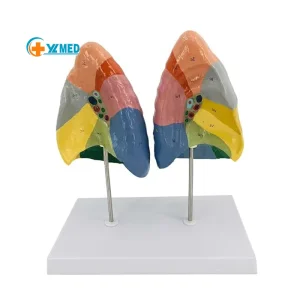
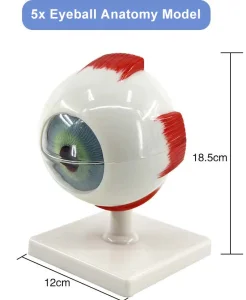
Anatomy models, brain and organ models, lung and respiratory models, eye models and task trainers support foundational lecture demonstration and supervised skills practice.
CPR manikins, AED trainers, ACLS simulators and emergency equipment help hospitals maintain staff competency and run recurring refresher courses.
Standardized models and clear consumable planning support objective structured clinical examinations, skills checklists and repeatable assessment stations.
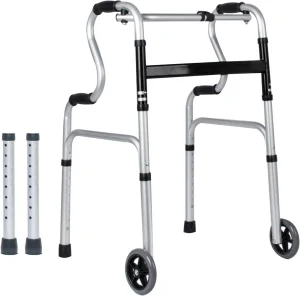
Walkers, mobility aids, bathroom safety products and rehabilitation equipment support training for home care, community care and long-term care facilities.
Prepared microscope slides, botanical models, virus models and anatomical teaching aids help secondary schools, colleges and universities build complete lab programs.
Dental equipment, tooth whitening instruments, anatomical models and hygiene training aids serve dental schools, clinics and distributor catalogues.
Procurement works best when individual products are planned as part of a wider training ecosystem. A complete solution typically combines foundational anatomy, task-specific trainers, scenario-based simulation, clinical furniture and consumables. This layered approach makes budgets easier to phase and helps institutions expand without changing suppliers unnecessarily.
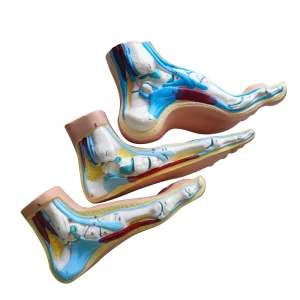
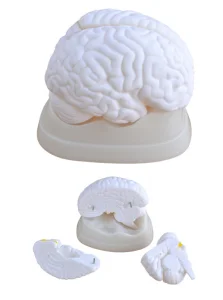
Anatomy, skeleton, brain, lung, eye, foot and botanical models provide the structural and physiological reference needed for lectures, labs and patient explanation.
Suture pads, CPR manikins, airway and procedural trainers allow repetitive practice of specific skills before learners enter live clinical environments.
ACLS, pediatric and neonatal simulators support team-based scenarios, communication training and assessment when integrated with lab protocols.
Hospital furniture, examination couches, stretchers, walkers and rehabilitation aids help create realistic ward, clinic and home-care training settings.
Prepared slides, replacement parts and laboratory accessories keep programs running and reduce downtime between training sessions.
Mixed-category consolidation, OEM packaging, export documentation and one point of contact simplify purchasing for distributors and institutions.
From the first conversation to delivery, every stage can have a named contact and clear documentation, so you can plan stock, tenders and training schedules with confidence.
Send product types, quantities, target market and any tender or certification needs.
Receive matched models, specifications, packaging options and shipping suggestions.
Test samples with your instructors or clinicians before confirming bulk production.
Manufacturing and inspection follow the ISO 9001 quality management system.
Protective export packing, delivery coordination and responsive after-sales service.
Overseas buyers rarely purchase a single model in isolation. Distributors need a coherent catalogue; universities need curriculum fit; hospitals need serviceability; tender teams need documentation. A factory that understands these different buyer profiles can reduce friction across the entire order cycle.
Need stable supply, private-label packaging, product photography, export cartons and a range broad enough to serve schools, clinics and hospitals.
Need specifications, compliance evidence, packing lists, delivery schedules and documentation that matches tender formats and local import rules.
Need curriculum alignment, instructor familiarity, durability under repeated student use and replacement parts that keep skills labs running.
Need models that support assessment, cleaning protocols, storage planning and integration with existing CPR feedback or simulation equipment.
Need practical training aids, durable packaging, clear instructions and cost-effective configurations for community health and first-aid training.
Need cross-category sourcing for dental tools, biology slides, plant and virus models, anatomy models and general teaching equipment.
Yulin Medical supports OEM, private label and custom packaging. The in-house design team can develop private-label presentation that strengthens shelf appeal and resale value. For one-stop orders, the company also coordinates a stable network of long-term partner factories.
In medical education, trust must be evidenced. Buyers should look for a manufacturer with a verifiable operating history, a quality management system, product-specific documentation and a clear process for handling customization, replacement parts and after-sales issues.
Yulin Medical’s quality management system has been ISO 9001 certified since 2008. The company was founded in 1958 and operates its own factory in Xinxiang, Henan, China, with more than 200 professional staff. These facts are useful starting points, but serious buyers should still verify the evidence chain: factory audit reports, material specifications, inspection records, packaging tests, product photos, sample approval records and references from comparable markets.
It is equally important to clarify regulatory classification. Not every educational model is a medical device in every market. The intended use, claims, labeling and local regulations determine the correct pathway. Yulin Medical can provide product-specific documentation on request for tenders and import registration, while buyers should confirm local classification with their regulatory advisor.
Confirm the manufacturing address, production equipment, assembly areas, inspection process and packaging workflow.
Request material details for PVC, silicone, resin or composite parts, including cleaning and storage guidance.
Check key dimensions, numbered structures, removable parts and anatomical accuracy against the intended curriculum.
Review carton strength, inner protection, labeling and master carton configuration for long-distance export.
Ask for packing lists, specifications, photos, certificates on request and tender-support documents where applicable.
Confirm replacement-part availability, response time and the process for handling damage or missing components.
Ten specialised product lines let procurement teams source simulation, laboratory and hospital equipment from one accountable manufacturer instead of managing multiple suppliers. This is especially valuable for distributors building a complete catalogue and for institutions preparing multi-department tenders.
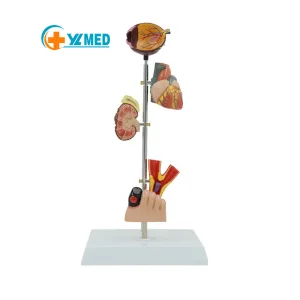
Torso, organ, heart, brain and muscle models with numbered structures for lectures and patient education.
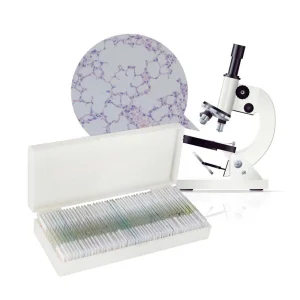
🔬Histology, botany and zoology prepared slides plus storage and microscope accessories for biology labs.
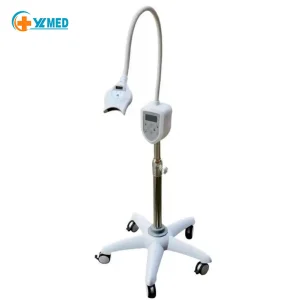
🦷Dental teaching models, clinic lights, LED whitening units and endodontic instruments for training and practice.
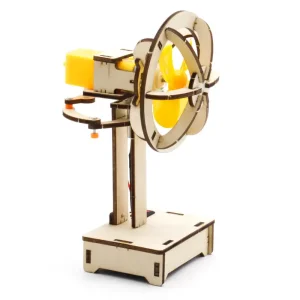
🧩Science demonstration models for primary schools, secondary schools and education equipment tenders.
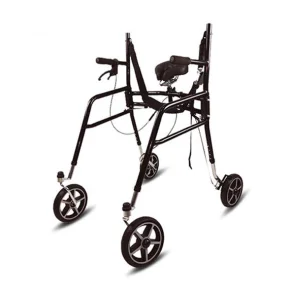
🛏️Stainless steel examination couches, stretchers, walkers and shower chairs built for daily clinical use.
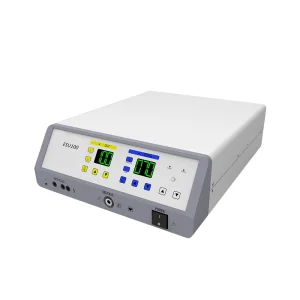
🩺Diagnosis and treatment devices and practical tools for wards, clinics and emergency departments.
🚑Emergency splints, extrication devices, cervical traction and rehabilitation instruments.
🧠Adult, child and neonatal CPR manikins, ACLS simulators and AED trainers for skills assessment.
🦴Life-size and desktop skeletons, skulls, spines and joint models for osteology teaching.
🪡Realistic skin suture pads and complete instrument kits for surgical and wound-closure practice.
Exhibition updates and hands-on guidance written by the team that designs, builds and exports educational and medical training products.

Many plant and animal cell structures can only be studied under a microscope, which makes prepared biological slides essential in every biology lab. Our specialists explain how to handle, focus and store slides correctly so students see clearer detail and your slide sets last for years.
Read Buyer Guides
Themed “Digital Leading Innovation and Development”, the expo reached a record 50,000 m² with 600+ brands and 10,000+ products on display, showcasing the latest educational equipment.
Visit Hot Blog
A look at the medical teaching models and training equipment buyers can inspect in person when visiting our Xinxiang facility.
Arrange a Factory VisitStraight answers to the questions procurement managers ask most before placing a first order for nursing models, anatomy models, CPR manikins and hospital equipment.
Tell us your target market, quantities, packaging requirements and certification needs. Our product specialists will recommend suitable models, share detailed specifications and propose the most economical shipping plan for your order.
Henan Yulin Edu. Project Co., Ltd. · No. 8, Daoqing Road, Industry Park, Hongqi District, Xinxiang, Henan, China
The final eight products below complete the current selection and show the cross-category sourcing depth available from Yulin Medical. All product links, images and factory quote options are preserved for direct enquiry.