1 / 4
China Geography Teaching Home Craft Decoration Teaching Model of Lunar Structure Geographical Model of Lunar Surface Structure Factories, Pricelist
Product Description
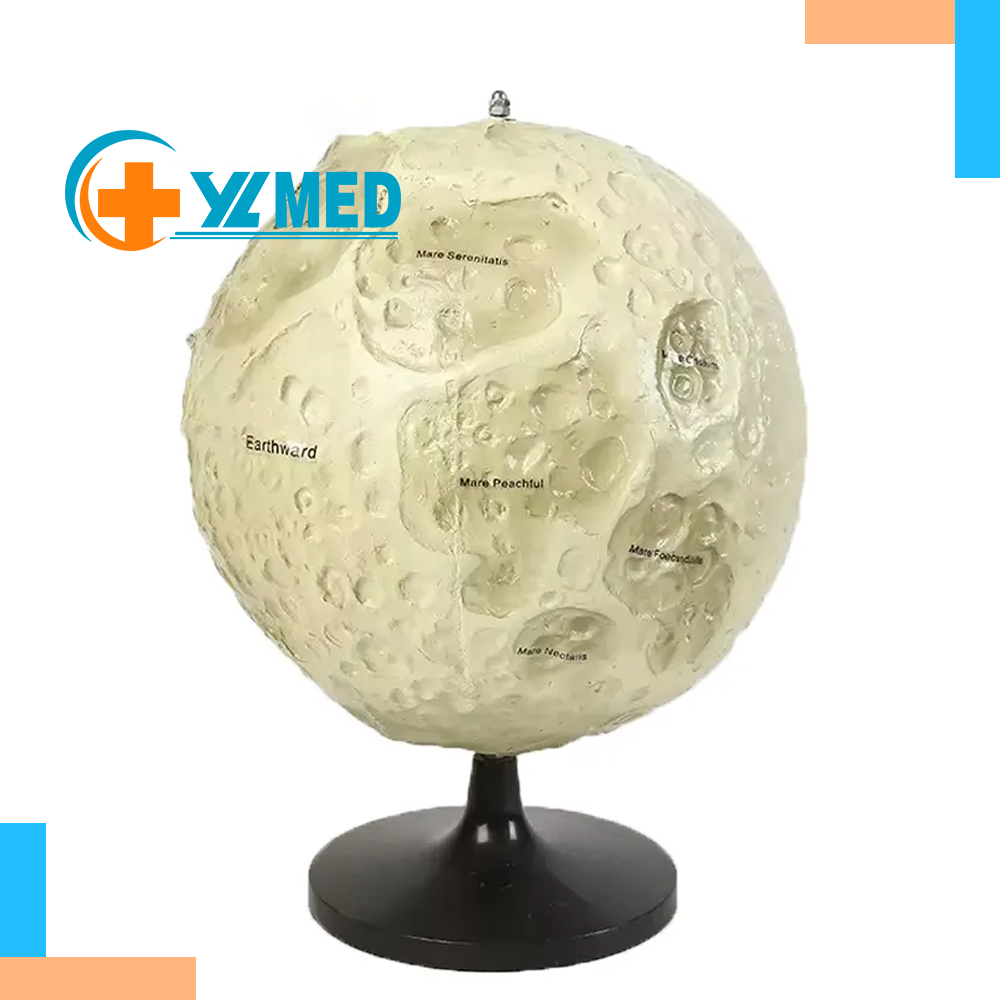
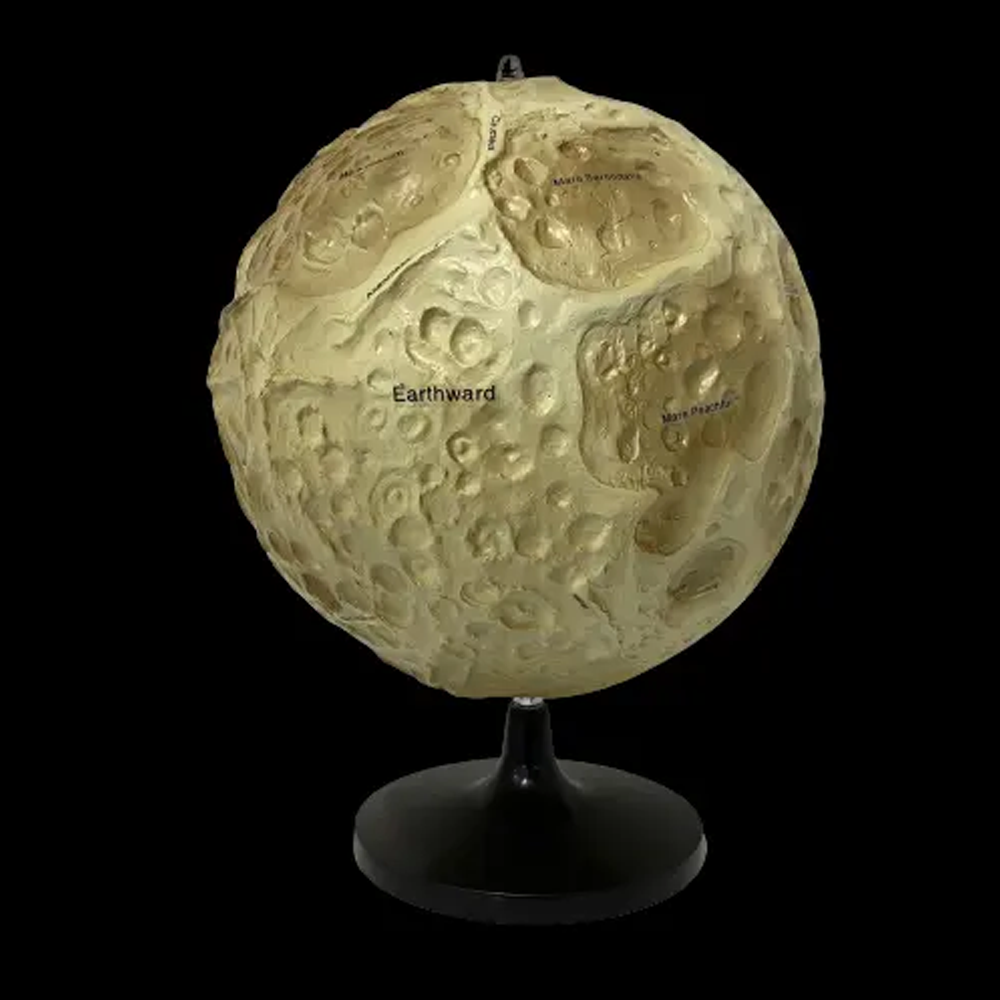
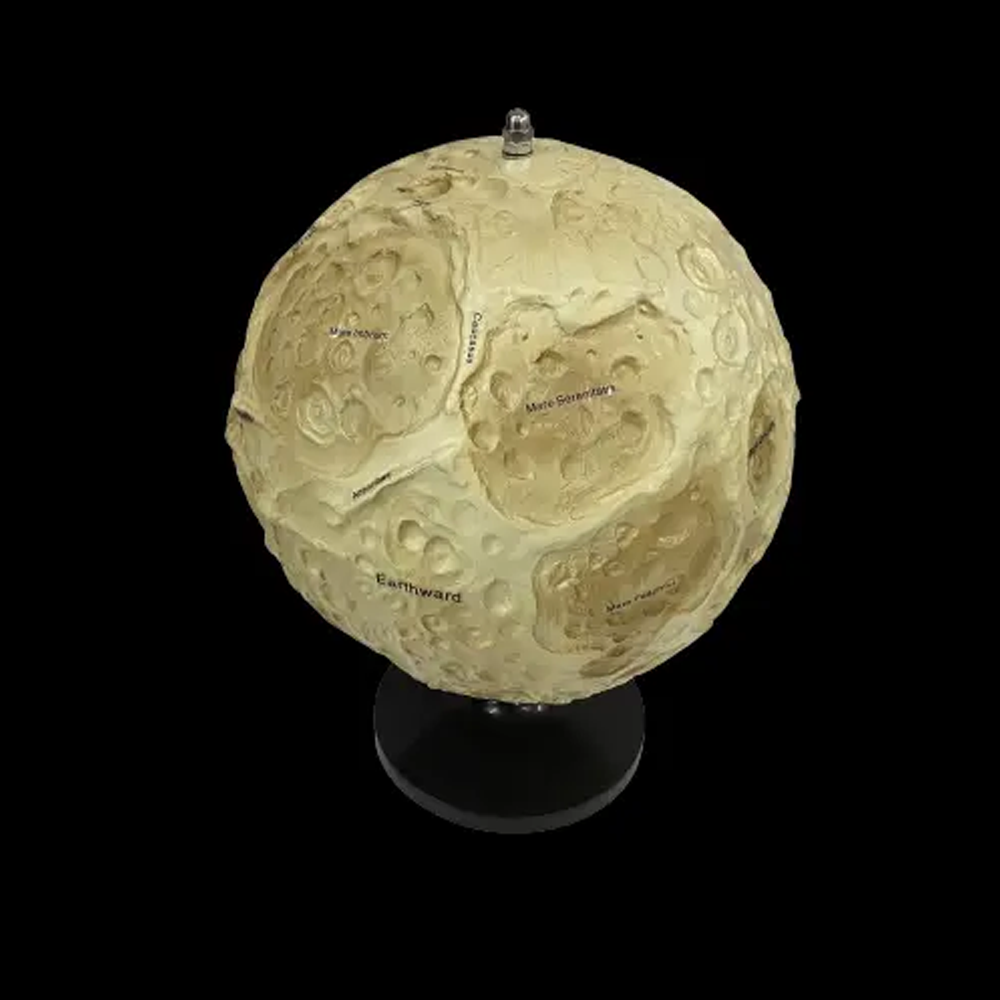
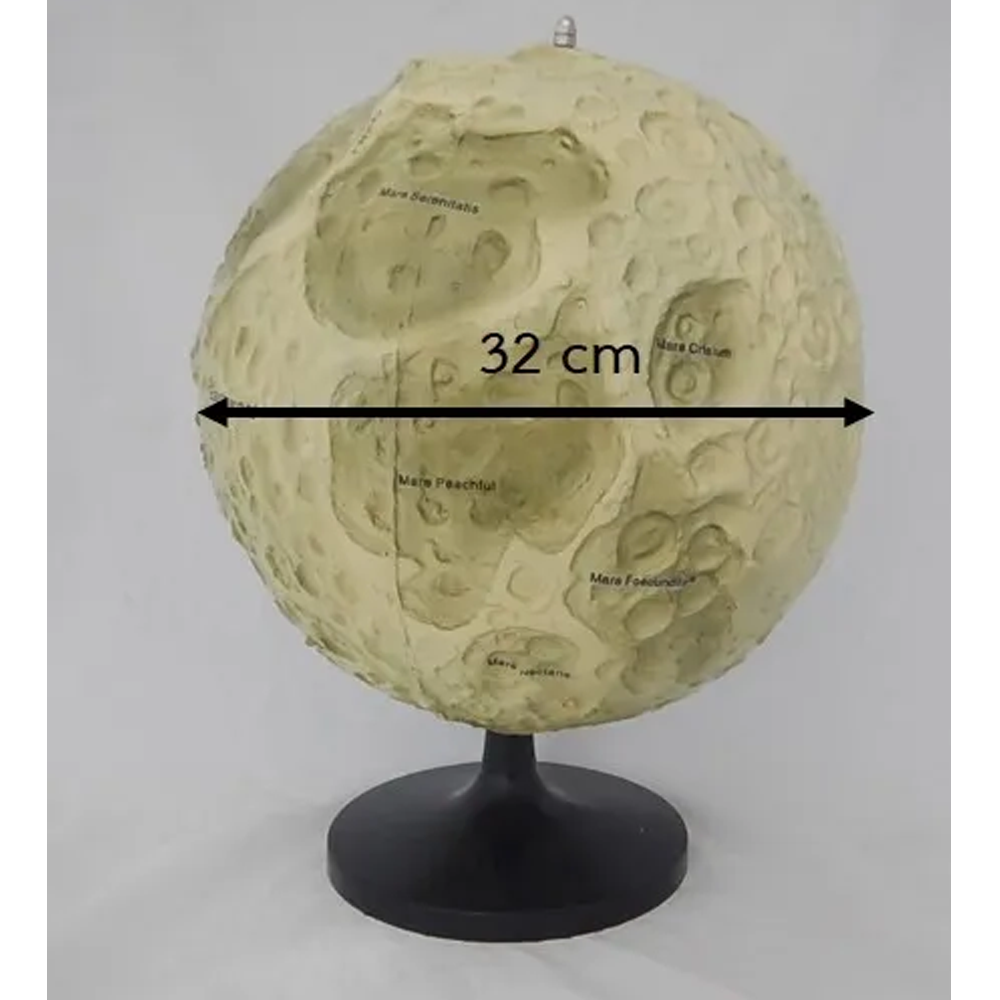
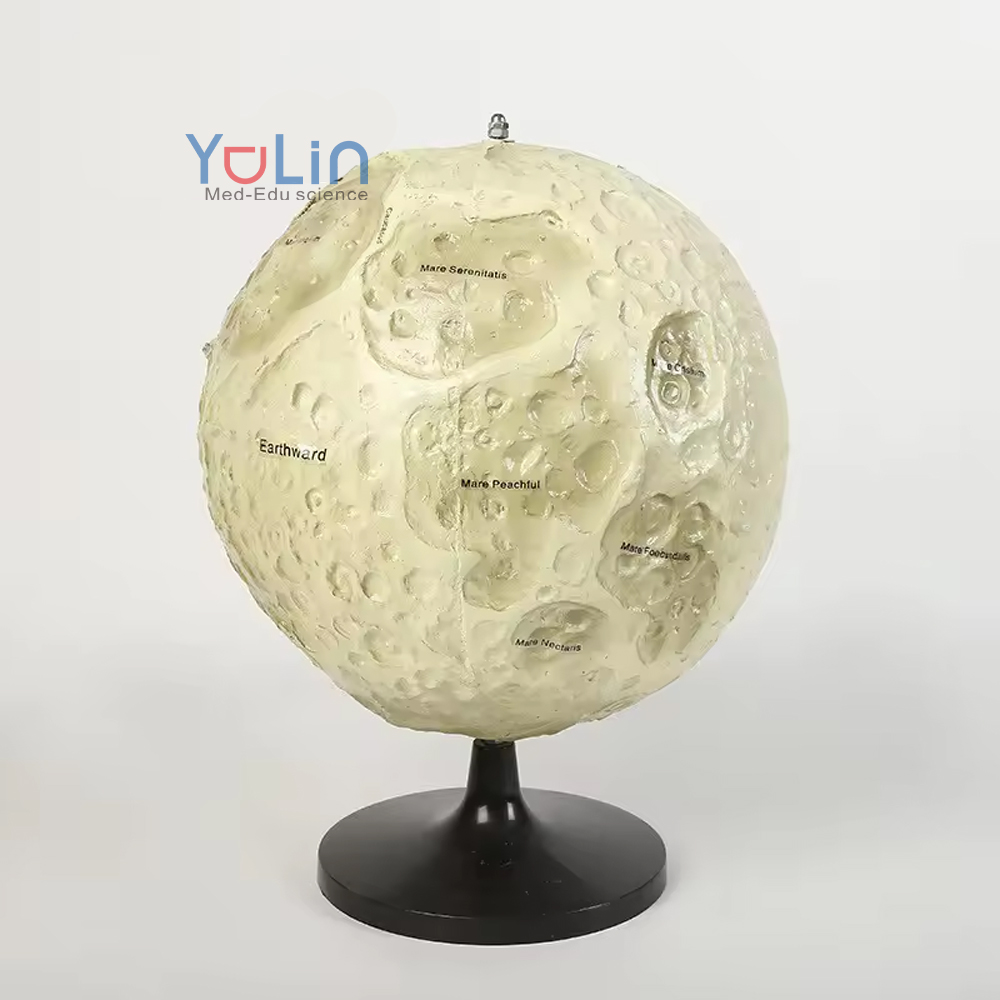
Geography Teaching Home Craft Decoration Teaching Model of Lunar Structure Geographical Model of Lunar Surface Structure
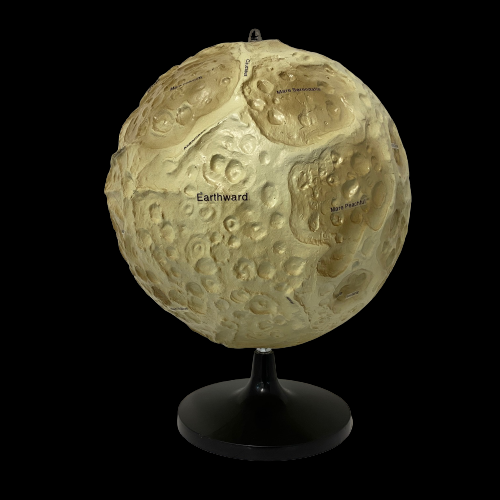
The moon is the fifth largest satellite in the solar system, with an average radius of 1737.10 km, or 0.273 times the radius of the Earth.
The mass is close to 7.342×10²² kg, equivalent to 0.0123 times that of the Earth.
The moon's surface is littered with impact craters that may have been formed by collisions with small bodies.
The average distance between the moon and the Earth is about 384,400 kilometers, about 30 times the diameter of the Earth.
The moon has a fluid outer core and a solid inner core similar to the Earth.
Product Pictures
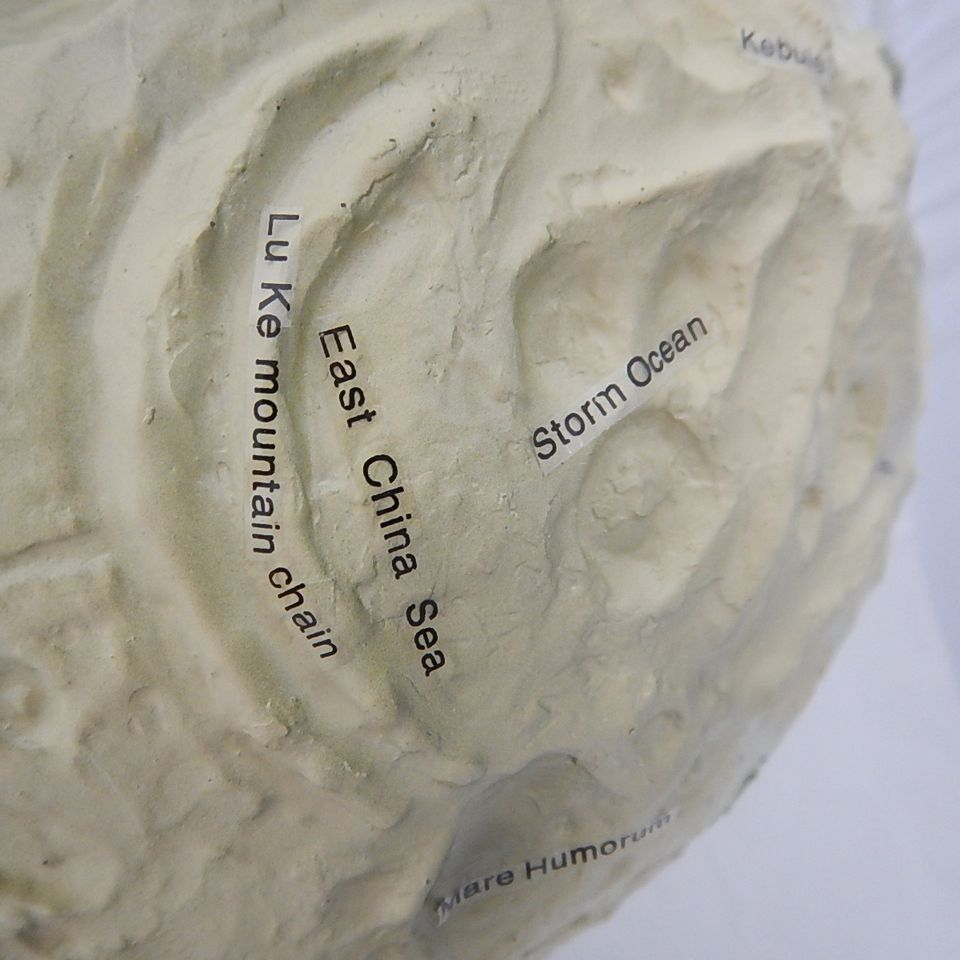
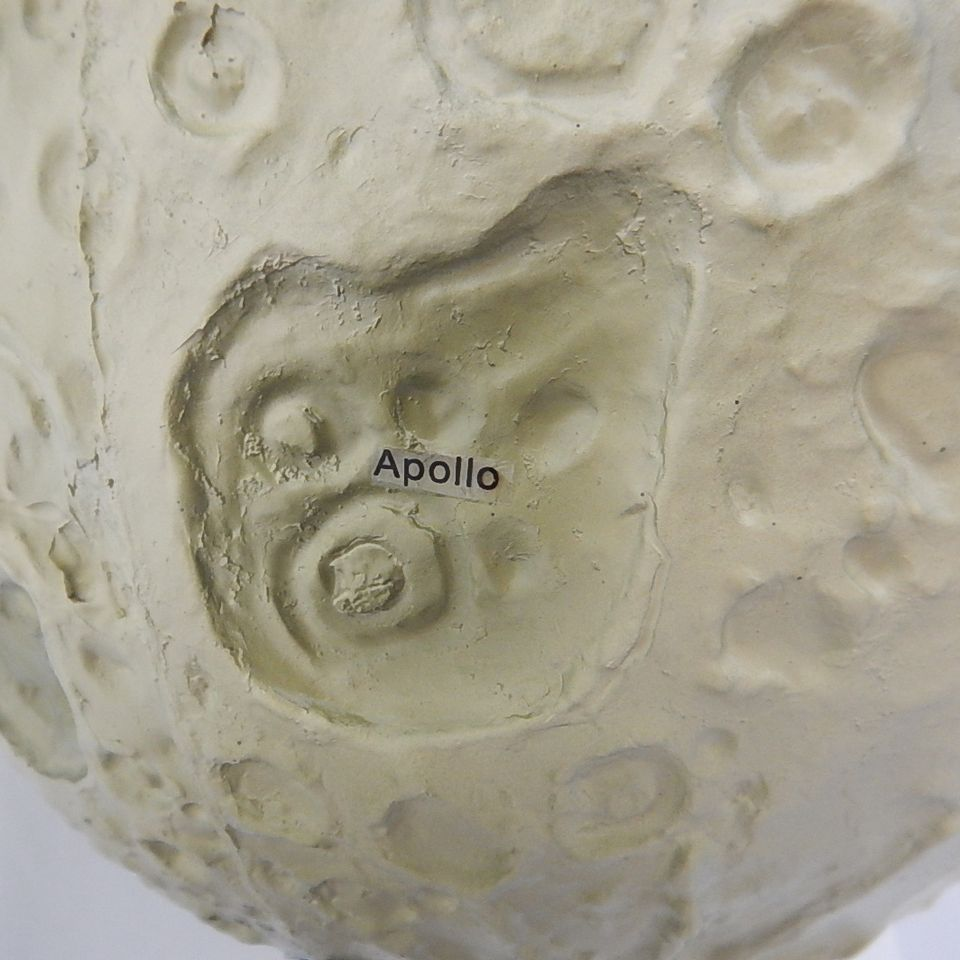
On the Moon, you can often see many large and small potholed pits on the lunar surface, known as lunar craters. These craters were caused by asteroid impacts or volcanic eruptions on the Moon's surface. This lunar model simulates the real lunar surface morphology, with craters of different sizes, so learners can gain a more realistic understanding of the Moon's structural characteristics.
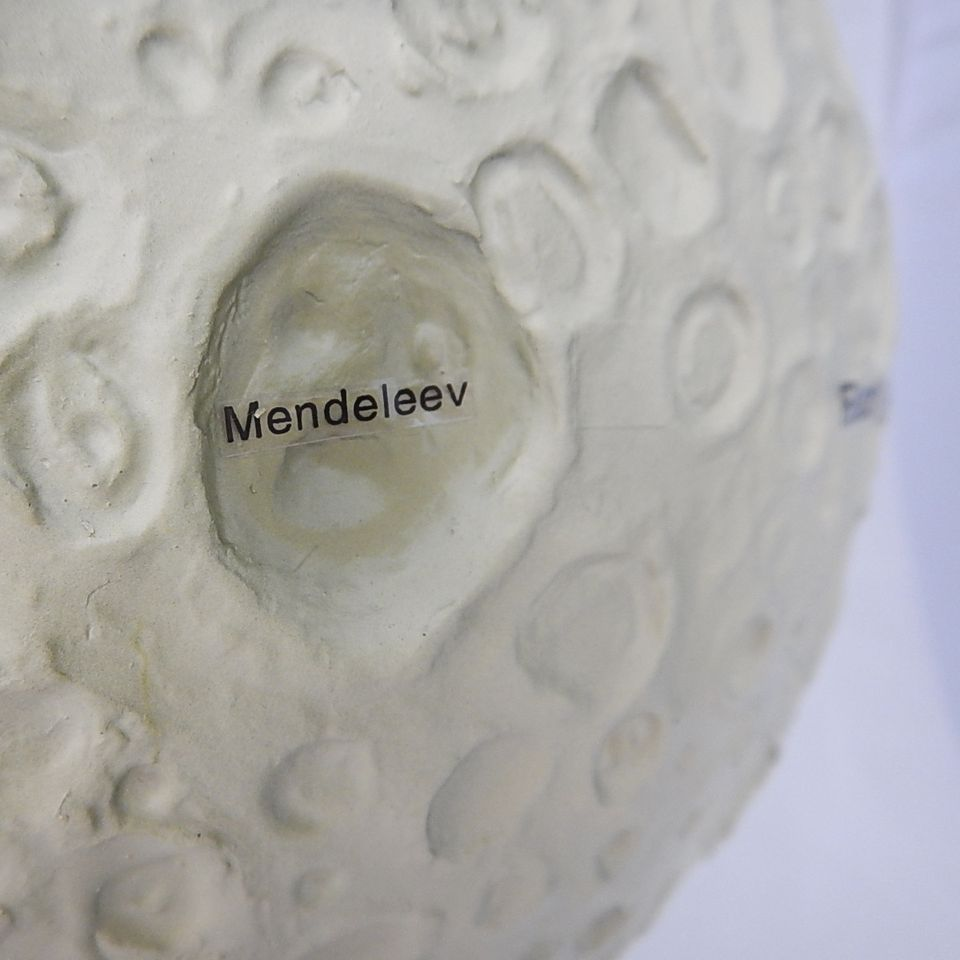
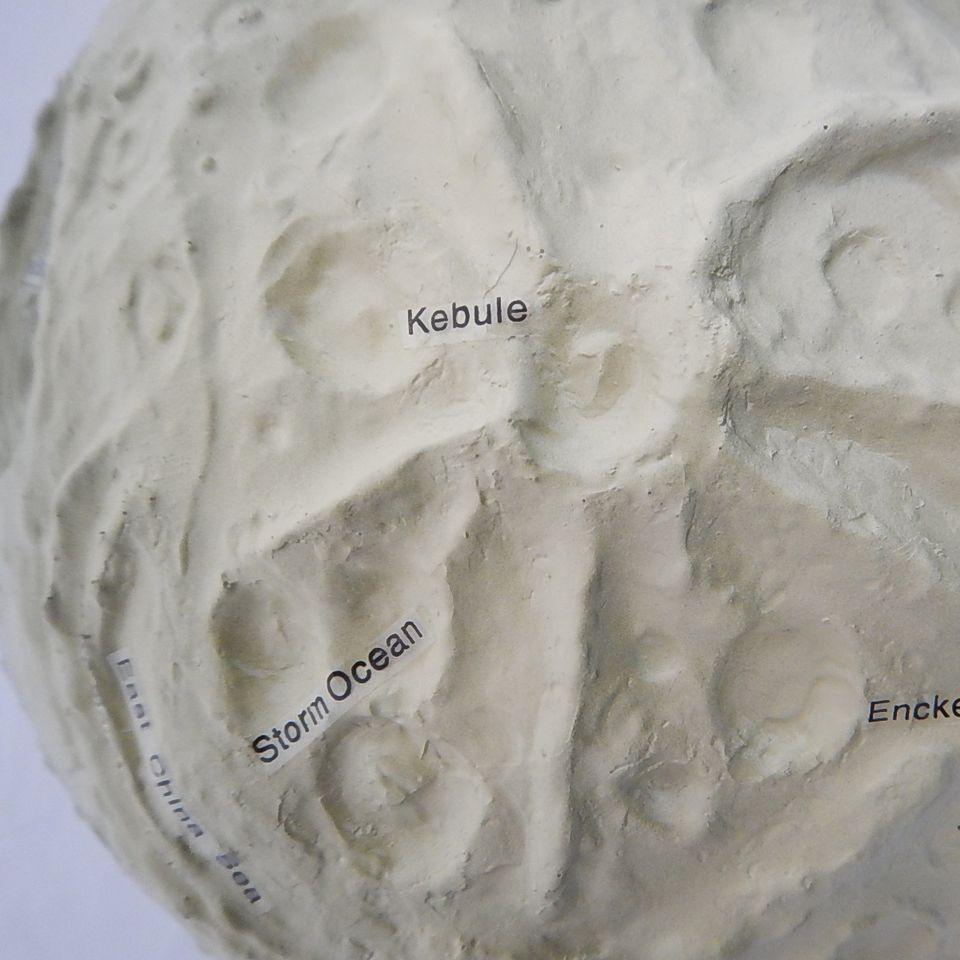
The moon has a fluid outer core and a solid inner core similar to the Earth.
Geography teaching home craft decoration teaching model of Lunar structure Geographical model of lunar surface structure
FAQ
What is this lunar structure teaching model used for?
It is a geography teaching model for classroom demonstration, home craft decoration, and study of the Moon's structure and surface features.
What surface features does the model simulate?
It simulates the real lunar surface morphology with craters of different sizes, helping learners gain a more realistic understanding of the Moon's structural characteristics.
What caused the craters represented on the lunar surface model?
The craters represent lunar pits formed by asteroid impacts or volcanic eruptions on the Moon's surface.
What key facts about the Moon are included?
The content covers the Moon's average radius, mass, average distance from Earth, impact craters, and its fluid outer core and solid inner core similar to the Earth.
How large is the Moon compared with Earth?
Its average radius is 0.273 times Earth's radius, and its mass is about 0.0123 times Earth's mass.
Is this model suitable for teaching and display?
Yes. It is designed as a geography teaching model and can also serve as a home craft decoration that illustrates lunar structure and surface morphology.