ISO 9001 Certified Manufacturer Since 1958
Hospital Furniture and Equipments Factory & Factories
Factory-direct hospital furniture and equipment from Henan Yulin Edu. Project Co., Ltd. — a manufacturer established in 1958, serving distributors, hospitals, clinics, teaching institutions and tender projects with consolidated OEM / ODM supply.
Product Showcase
Factory-Direct Hospital Furniture & Equipment: First 8 Product Configurations
Procurement is not a catalogue exercise. It is a sequence of decisions about patient safety, cleaning routines, spare-part availability, shipping volume, installation and total lifecycle cost. The eight configurations below illustrate the practical breadth of the hospital furniture and equipments factory & factories portfolio: dental seating, refrigerated medicine storage, patient lifting, emergency transfer, orthopedic traction, surgical tables, ENT workstations and low-temperature sterilization. Each product retains its dedicated detail URL so that buyers, engineers and clinicians can verify specifications before an RFQ is issued.
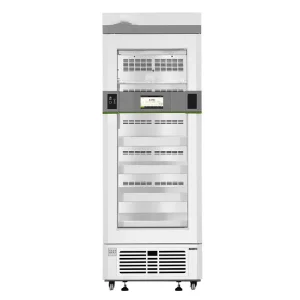
Wholesale Vertical Medicine Refrigerated Air-cooled Display Cabinet Glass Showcase Commercial Display Cabinets Factory, Factories
View product details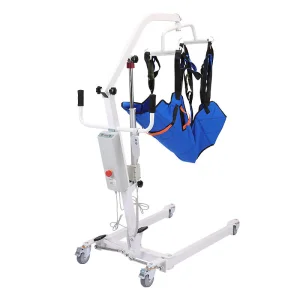
OEM Heavy-Duty Electric Patient Hoist with Front Wheel Brakes&Slow Lift-Reinforced Steel Frame and Adjustable Base for Safe Transfer Pricelist, Quotes
View product details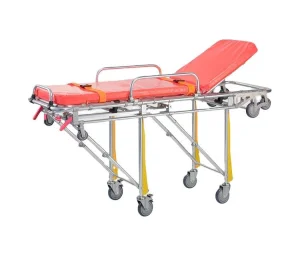
Wholesale Medical Devices Hospital Collapsible Gurney Aluminum Alloy Ambulance Stretcher Trolley Patient Transfer Bed Factory, Service
View product details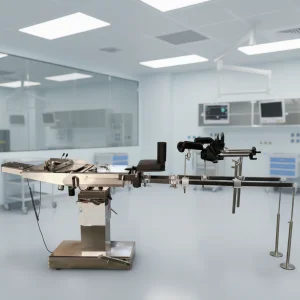
Wholesale Medical Equipment Stable Surgical-grade High-strength Ergonomic Stainless Steel Carbon-fiber Orthopedic Traction Device Manufacturers, Factory
View product details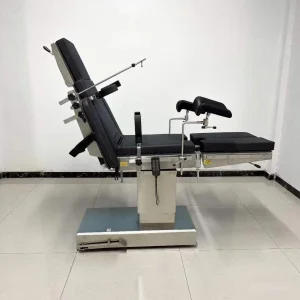
ODM Factory Outlet Medical Equipment Steel Material Manual Power Source Electric Operating Table Manufacturer, Quotes
View product details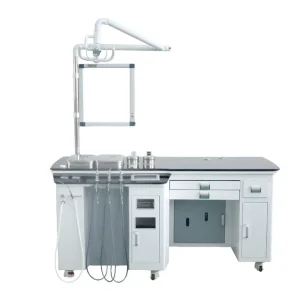
China Medical Equipment High Quality Hospital Medical Surgical ENT Instruments Operating Workstation Unit Manufacturers, Factories
View product details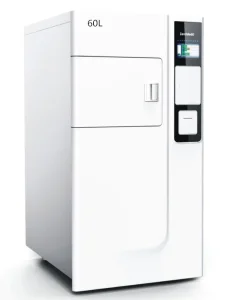
Wholesale Medical Plasma Sterilizer H2o2 Plasma Sterilizer Medical Low Temperature Plasma Sterilizer Manufacturer, Service
View product details
Manufacturer Authority
Why a 1958 Manufacturer Still Matters in Hospital Furniture and Equipments Factories
Henan Yulin Edu. Project Co., Ltd. — trading as Yulin Medical — is not an anonymous marketplace listing. It is a manufacturing business founded in 1958 in Xinxiang, Henan, China. Its quality management system has been ISO 9001 certified since 2008. Registered capital is RMB 120 million, with more than 200 professional staff. The company integrates scientific research, production, inspection, export and after-sales support from its base at No. 8, Daoqing Road, Industry Park, Hongqi District, Xinxiang.
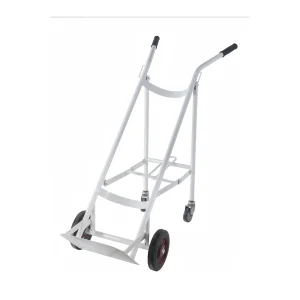
For hospital furniture and equipment buyers, this operating history matters when it translates into process control. The portfolio covers anatomy models, biology prepared slides, dental tools and equipment, general teaching models, hospital furniture and equipment, hospital machines and tools, medical apparatus and instruments, medical nursing models, skeleton models and suture pads and kits. A clinic, hospital group or distributor can therefore consolidate examination couches, bedside cabinets, overbed tables, oxygen cylinder trolleys, dental chairs, sterilizers, emergency transfer devices and training products through one commercial contact and one shipment plan.
Longevity alone is not a quality argument. Buyers should ask for process evidence: incoming material control, welding and surface-treatment checks, load testing where relevant, packaging validation, electrical configuration confirmation and product-specific documentation for tenders. ISO 9001 is a quality-management foundation; it is not a substitute for destination-specific market authorization.
1958Manufacturing heritage since
2008ISO 9001 certified since
200+Professional staff
¥120MRegistered capital
10Product lines
24hTypical reply commitment
Macro Industry Solutions
Hospital Furniture & Equipment as a Macro Healthcare Infrastructure Solution
A hospital is a system of flows: patients, clean and dirty supplies, staff, equipment, data and waste. Furniture and equipment either support those flows or create friction. A macro solution view groups hospital furniture and equipment by the operational problem it solves, rather than by a flat product list.
Inpatient Wards & Bedside Care
Beds, bedside cabinets, overbed tables, lockers and infusion chairs must survive continuous cleaning, resist impact and support patient dignity. Modular dimensions, lockable storage, quiet castors and replaceable parts reduce ward-level downtime.
Emergency & Patient Transfer
Ambulance stretchers, collapsible gurneys, patient hoists, examination couches and oxygen cylinder trolleys must align with lift protocols and infection-control workflows. Reinforced frames, braking systems and clear load ratings matter more than cosmetic design.
Operating Theatres & Surgical Suites
Electric operating tables, stainless steel work surfaces, ENT workstation units and surgical-grade traction devices require stable geometry, cleanable seams and predictable service access. Procurement should validate electrical configuration and spare-part pathways.
Dental Clinics & Teaching Labs
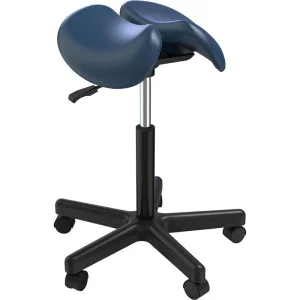
Saddle chairs, dental sealing machines, operating lights and instrument trolleys support long procedures and high-turnover teaching. Adjustability, touchscreen simplicity and pouch-sealing consistency directly affect productivity and cross-infection control.
Sterilization & Infection Control
H2O2 low-temperature plasma sterilizers, sealing machines, stainless steel carts and cleanable furniture help separate clean and dirty flows. Validation support, consumable compatibility and operator training are part of the equipment decision.
Rehabilitation & Elderly Care
Crutches, walkers, shower chairs, overbed tables, patient hoists and adjustable seating support aging-in-place and post-acute recovery. Lightweight frames and intuitive adjustment improve adherence and reduce caregiver strain.
Diagnostic & Examination Rooms
Examination beds, clinical couches, trolleys and practical cabinets must fit compact rooms and fast patient turnover. Height, upholstery, wheel configuration and paper-roll compatibility are specification issues, not accessories.
Pharmacy, Blood Donation & Infusion
Refrigerated medicine cabinets, blood donation chairs, dialysis chairs, infusion chairs and medical trolleys link temperature safety, patient comfort and workflow efficiency. Air-cooled display cabinets require ventilation planning.
Global Commercial & Industrial Status
What Is Changing in the Global Hospital Furniture Supply Chain?
Global demand for hospital furniture and equipment is being reshaped by three procurement realities: capacity expansion in aging societies, infection-prevention scrutiny and supply-chain localization. Buyers are not simply asking for a lower unit price; they are asking for predictable total cost, documentation and faster replacement of critical parts.
Demographic & Chronic-Care Pressure
Hospitals and aged-care operators need adjustable, easy-to-clean furniture that supports higher patient acuity and shorter turnover times. Overbed tables, hoists, dialysis chairs and examination couches become operational assets, not decorative purchases.
Infection Prevention & Lifecycle Value
Sealed surfaces, removable cushions, sealed castors and cleanable stainless steel affect cleaning time and compliance. A slightly higher initial price can be justified by lower maintenance, fewer replacements and less clinical downtime.
Trade Localization & Supplier Resilience
Tariffs, freight volatility, certification checks and tender deadlines push buyers toward suppliers who can offer consolidated shipments, OEM packaging, documentation and responsive communication across time zones. “Factory & factories” is therefore a supply-chain model: direct control plus a qualified partner network.
Use six practical questions to test any hospital furniture and equipments factory before approval:
- Can the factory map each item to a clinical workflow and a cleaning protocol?
- Are load ratings, materials, castor specifications and electrical requirements documented?
- Can the supplier provide destination-specific documentation for tender or import review?
- Can mixed-category orders be consolidated without hiding the manufacturer of each item?
- Is after-sales support defined: spare parts, installation guidance and response time?
- Can a sample and a pre-shipment inspection report be provided before bulk production?
Factory & Factories Model
Factory vs. Factories: What the Phrase Should Mean in Real Procurement
The phrase factory & factories is often misunderstood. In serious B2B procurement, it should not describe an anonymous trading layer. It should describe a primary manufacturer with visible quality ownership, supported by a vetted network for adjacent categories.
Direct Manufacturing Control
Core hospital furniture and equipment must be produced under a defined quality system. ISO 9001 process control since 2008, in-house inspection and documented production steps give buyers a clear accountable party.
Qualified Partner Factories
For one-stop orders, long-term partner factories extend the product range without turning the buyer’s sourcing team into a coordination office. The primary manufacturer remains responsible for specification alignment and inspection planning.
One Shipment, One Contact
Mixed-category orders can be consolidated into one shipment and one commercial conversation. This reduces duplicate freight, inconsistent packaging and fragmented after-sales responsibility across several small suppliers.
OEM / ODM Brand Building
Private-label packaging and product presentation help distributors increase shelf appeal and resale value. In-house design support is most useful when it respects regulatory limits, tender requirements and clear installation instructions.
Localized Support & Compliance
Localized Support, Documentation and Compliance Confidence
Compliance is not a logo on a brochure. For hospital furniture and equipment, compliance covers product safety, electrical compatibility, cleaning agents, packaging, labeling and import documentation. ISO 9001 certification since 2008 provides a quality-management foundation; the exact product evidence package must be confirmed against the destination market and tender specification.
ISO 9001 Quality Process
Our quality-management system has been certified since 2008. For tender submissions, buyers can request product-specific documents and inspection records where available rather than relying on a general certificate alone.
Destination-Specific Documentation
Documentation needs differ by country, product and project. We discuss the available evidence openly before order confirmation. Where a product requires a specific regulatory approval, we do not treat ISO 9001 as a substitute for that approval.
Electrical & Utility Adaptation
Operating tables, sterilizers, display cabinets, sealing machines and dental equipment may require voltage, plug, phase or ventilation confirmation. Localized support starts with utility data, not an assumption based on a catalogue photograph.
Packaging & Transport Verification
Hospital furniture is vulnerable to edge damage, moisture and repeated handling. Export packing should be matched to product weight, surface finish, accessories and the final transport mode, with clear labeling for installation teams.
Tender & Import Support
Procurement teams often need specification sheets, packing lists, certificates, model comparisons and shipping suggestions. A useful supplier answers tender questions in writing and flags where project-specific testing or authorization is required.
After-Sales & Spare Parts
Lifecycle support should be defined before the first shipment: replaceable castors, handles, cables, fuses, seals, touchscreen controls and wear parts. Clear service communication reduces equipment downtime in wards and clinics.
Editorial note: this guide distinguishes documented company facts from general market observations. Product approvals, electrical standards and import rules vary by destination; buyers should verify the product-specific requirements for their jurisdiction before award.
Localized Application Scenarios
Where Hospital Furniture & Equipment Is Actually Used
Product selection changes by setting. A public hospital ward, a private dental clinic, an ambulance service and a dialysis centre may all buy “hospital furniture,” but they evaluate different risks, cleaning routines and patient flows.
Public Hospital Ward Upgrades
Bedside cabinets, overbed tables, examination couches, oxygen cylinder trolleys and storage furniture are specified in batches. Dimensional consistency, replaceable castors and cleanable surfaces help procurement standardize across wards.
Private Clinics & Dental Rooms
Dental saddle chairs, sealing machines, instrument trolleys and examination beds need compact footprints, low-noise operation and simple staff training. Aesthetic finish matters, but cleanability and service access matter more.
Emergency & Ambulance Services
Collapsible gurneys, stretcher trolleys, patient hoists and oxygen trolleys require fast deployment, secure braking and compatibility with vehicles, lifts and corridors. Load ratings and strap systems should be documented.
Teaching Hospitals & Simulation Centres
Training equipment, nursing models, suture kits and hospital furniture can be sourced together for skills laboratories and clinical education. Mixed orders reduce supplier fragmentation for universities and teaching hospitals.
Elderly Care & Home Care
Overbed tables, walkers, crutches, shower chairs and patient hoists support aging-in-place and post-acute recovery. Distributors benefit from offering coordinated products rather than isolated SKUs with unrelated packaging.
Blood Donation, Dialysis & Infusion
Multifunctional adjustable chairs, medicine cabinets and medical trolleys link patient comfort with staff efficiency. These settings need stable upholstery, intuitive controls and easy cleaning between sessions.
Technology Roadmap & Future Outlook
From Durable Furniture to Service-Ready Clinical Infrastructure
The next competitive frontier is not only stronger steel or lower freight. It is the ability to make furniture and equipment easier to specify, install, clean, connect and service over a ten-year lifecycle. The roadmap below is intentionally practical: no technology should be added unless it improves safety, uptime or procurement clarity.
1–2 Years: Material & Hygiene Engineering
Focus on cleanable seams, sealed castors, replaceable upholstery, stainless steel contact points and packaging improvements. Buyers should expect clearer material specifications and maintenance instructions.
2–3 Years: Modular Configuration
Modular widths, drawer options, castor types, voltage variants and accessory kits can reduce quotation errors and spare-part complexity. Distributors can hold fewer variants while covering more room layouts.
3–5 Years: Data-Ready Assets
Asset labels, QR-based service records and digital instruction access can help hospitals manage maintenance without adding unnecessary complexity. Any data feature should support uptime and traceability, not create a new security burden.
Continuous: Lifecycle Service Model
Competitive factories will increasingly compete on installation guidance, training, spare-part availability and replacement planning. The selling point shifts from a single shipment to predictable clinical uptime.
Transparent Buying Process
A 5-Step Process for Overseas Hospital Furniture Buyers
From the first conversation to delivery, every stage should have a named contact and clear documentation, so you can plan stock, tenders and training schedules with confidence.
01
Share Requirements
Send product types, quantities, target market and any tender, certification or utility requirements.
02
Catalog & Proposal
Receive matched models, specifications, packaging options and shipping suggestions for review.
03
Sample Evaluation
Test samples with your clinicians, technicians or instructors before confirming bulk production.
04
Production & QC
Manufacturing and inspection follow the ISO 9001 quality management system, with agreed checkpoints.
05
Export & Support
Protective export packing, delivery coordination, documentation and responsive after-sales communication.
Q&A / FAQ
Frequently Asked Questions from Hospital Furniture Importers
Straight answers to the questions procurement managers ask most before placing a first order with a hospital furniture and equipments factory.
Is Yulin Medical a manufacturer or a trading company?
We are a manufacturer. Henan Yulin Edu. Project Co., Ltd. was founded in 1958 and operates its own factory in Xinxiang, Henan, China, with more than 200 professional staff. For one-stop orders, we also coordinate a stable network of long-term partner factories.
What quality certification does Yulin Medical hold?
Our quality management system has been ISO 9001 certified since 2008. Product-specific documentation can be provided on request to support tenders and import registration review. The exact evidence package depends on the product and destination market.
Do you support OEM, private label and custom packaging?
Yes. Our in-house design team develops private-label packaging and product presentation for distributors, helping increase shelf appeal and resale value while keeping specifications, labeling and installation information clear.
How do I choose hospital furniture for a tender?
Start with the clinical workflow and room dimensions, then confirm load rating, material, cleaning protocol, castor type, electrical requirements, spare-part availability and documentation. Request samples for high-use items and verify the exact model against the tender specification before award.
Can you combine mixed hospital furniture and equipment in one order?
Yes. Our ten product lines and long-term partner network allow mixed-category orders to be consolidated into one shipment and one point of contact, including hospital furniture, training models, dental equipment, sterilizers and emergency transfer products.
How do I choose the right CPR training manikin?
Match the manikin to the learner group: adult, child or neonatal. Check that real-time feedback covers compression depth, compression rate and ventilation volume; confirm alignment with current AHA resuscitation guidelines; and decide whether AED trainer integration is required for your courses.
How do you handle compliance and localized support?
We confirm the destination market, product application and required documents before quotation. Electrical configuration, packaging, labeling, installation guidance and spare parts are reviewed against the project. Where a specific regulatory approval is required, we discuss the available documentation openly rather than making unsupported claims.
How quickly will I receive a reply, and what should I send?
Our export team is online 7 days a week and typically replies within 24 hours. To speed up the quotation, send product types, quantities, target market, tender documents, certification requirements, voltage data and preferred shipping terms.
Talk to Our Export Team
Need Specifications, a Price List or a Tender Package? We Reply Within 24 Hours.
Tell us your target market, quantities and certification requirements. Our product specialists will recommend suitable models, share detailed specifications and propose an economical shipping plan for hospital furniture, dental equipment, emergency transfer products, sterilizers and training equipment.
Direct Channels
Email[email protected] Phone0086-13503800666Henan Yulin Edu. Project Co., Ltd.
No. 8, Daoqing Road, Industry Park, Hongqi District, Xinxiang, Henan, China
More Factory-Direct Products
Bottom 8 Hospital Furniture & Equipment Products from the Factory Portfolio
These additional eight products complete the practical purchasing view: dental sealing, blood donation and dialysis seating, ABS bedside storage, medical trolleys, examination beds, overbed tables, rehabilitation crutches and stainless steel oxygen cylinder trolleys. Every product link below is preserved for specification review and quotation.
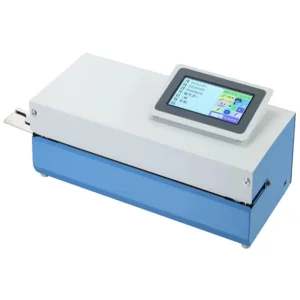
ODM Medical Dental Sealing Machine Automatic 7 "Color LCD Touch Screen Sealing Machines Dental Sterilization Pouch Sealing Machine Manufacturers, Factory
View product details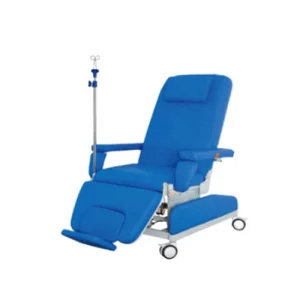
Wholesale Hospital Furniture Multifunctional Adjustable Medical Blood Donation Collection Electric Dialysis Chair Infusion Chair Factory, Service
View product details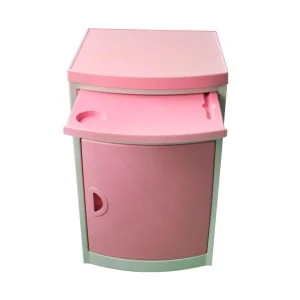
OEM On Sale Hospital Furniture ABS Beside Cabinet Locker Bedside Table With Casters in Stock Manufacturer, Service
View product details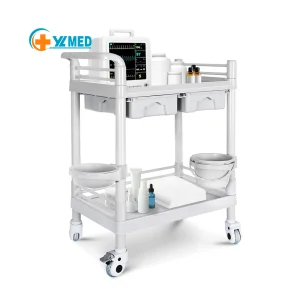
China [Copy] Hospital Dental Clinic Medical 2 floor 2 drawer trolley, rotating wheels, heavy medical practical trolley Pricelist, Quotes
View product details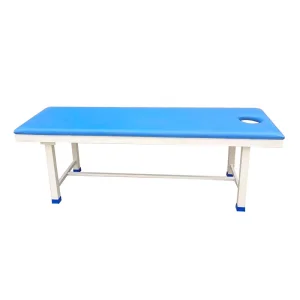
China Good Quality Hospital Stainless Steel Examination Bed Couch Clinic Medical Patient Examination Medical Bed Manufacturer, Factory
View product details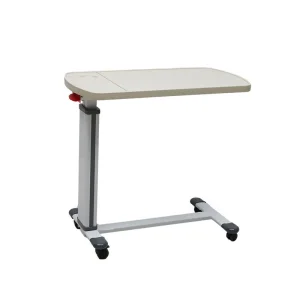
Wholesale Medical Adjustable Overbed Bedside Table With Wheels Home Care Adjustable Height OverBed Table Quotes, Service
View product details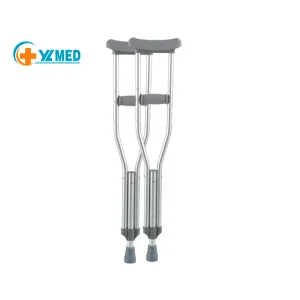
ODM [Copy] Medical Rehabilitation Adult Crutch Medium Weight Light Height Adjustable 300 Pounds Capacity Light Comfortable Cane for Easy Manufacturer, Factories
View product details