Suture Pads and Kits Manufacturer & Pricelist
Factory-direct surgical simulation pads, wound-closure practice kits, OEM/private-label programs, and consolidated medical training equipment supply from Henan Yulin Edu. Project Co., Ltd. in Xinxiang, Henan, China.
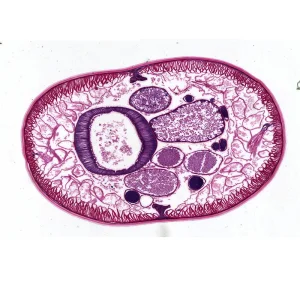
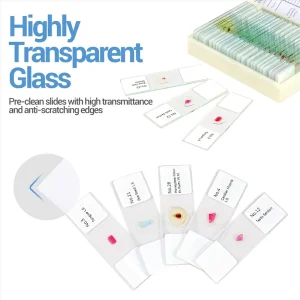
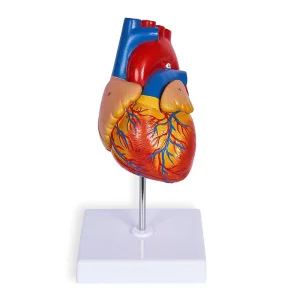
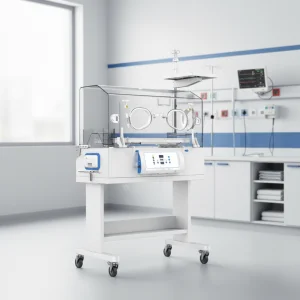
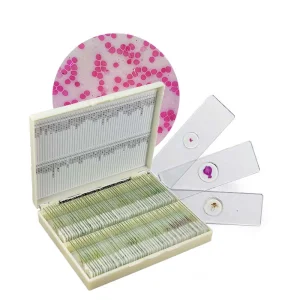
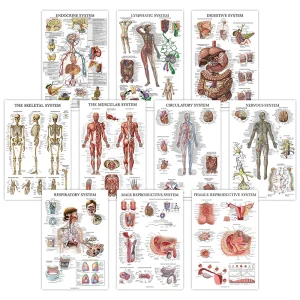
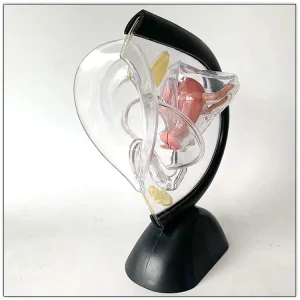
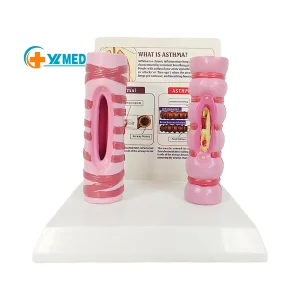
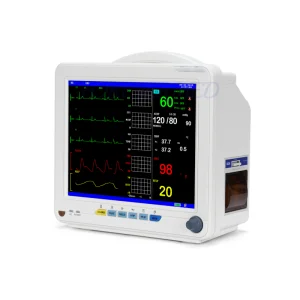
Eight Products Frequently Combined with Suture Pads and Clinical Training Kits
These are products from Yulin Medical’s wider medical education, laboratory, dental, and hospital equipment range that distributors, training centres, and procurement teams often request in mixed-category orders. Product images and URLs are retained exactly as listed.
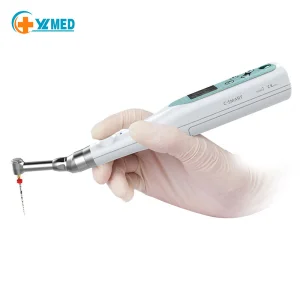
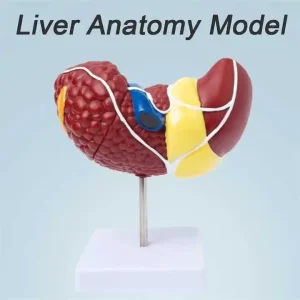
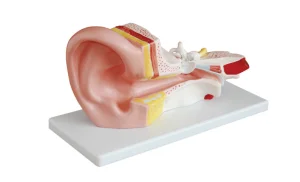
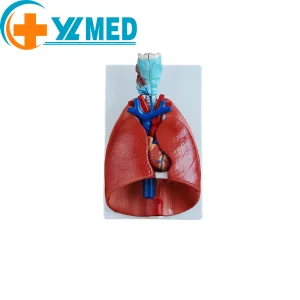
Suture Pads and Kits Manufacturer & Pricelist: A Specification-First Buying Guide
Sourcing suture pads and kits is not the same as buying a disposable commodity. A training pad is a teaching instrument: it shapes needle angle, tissue handling, tension, wound-edge alignment, and the learner’s confidence. A low unit price can be expensive if the pad tears unpredictably, the incision closes incorrectly, or the kit slows down every lab session.
For distributors and training institutions, the useful question is not only “What is the unit price?” but “What specification is behind this price, and can the factory repeat it batch after batch?” This guide explains how to evaluate a suture pad manufacturer, how to read a pricelist, and how to build a program-level supply plan that supports medical schools, nursing colleges, surgical residency programs, dental training, veterinary education, and hospital skills labs.
Clinical Realism
A well-designed pad should provide consistent resistance through skin-like layers, allow realistic needle penetration, hold sutures under tension, and keep incision edges stable during repeated practice. The goal is not merely “soft silicone” but predictable feedback that teaches correct technique.
Curriculum Alignment
The kit should match the procedure being taught: simple interrupted sutures, instrument tying, layered closure, or more advanced wound management. Instrument count, needle type, suture material, pad geometry, and instructions should all support the assessment rubric.
Total Cost of Ownership
Compare the number of usable training attempts, replacement-pad cost, faculty time, kit completeness, and return risk. For distributors, a slightly higher factory price with consistent quality may protect margin better than a cheap pad that creates complaints and reorders.
How to Read a Suture Pad and Kit Pricelist
A factory pricelist should function as a specification document. It should tell you what changes when a price changes. If two quotations look different, compare the construction, kit contents, packaging, MOQ, inspection requirements, and shipping terms line by line.
| Pricelist Line Item | What It Should Clarify |
|---|---|
| Pad construction and layers | Number of layers, skin-like surface, fat/muscle simulation, incision profile, and whether the pad is reusable or replaceable. |
| Pad size and geometry | Dimensions, thickness, incision length, anchor points, and compatibility with different suture techniques and instrument sets. |
| Base and replaceable inserts | Whether the product uses a fixed base, replaceable pad inserts, or a modular system designed for high-volume skills labs. |
| Kit contents and instruments | Needle holder, forceps, scissors, sutures, needles, scalpel, tray, and instruction sheet. Specify sizes and quantities precisely. |
| Sterile vs non-sterile configuration | Training pads are commonly supplied non-sterile unless a sterile configuration is agreed. Intended use and regulatory requirements should be confirmed in writing. |
| OEM and private-label packaging | Logo, artwork, language, barcode, instruction format, retail-ready packaging, and master-carton labeling. |
| Order quantity and replenishment | MOQ by SKU, mixed-SKU tolerance, repeat-order lead time, and whether replacement pads can be ordered separately. |
| Inspection and documentation | Sample approval criteria, batch consistency checks, packing list, product specification sheet, and any product-specific documents required for tenders. |
| Shipping terms and protection | Incoterms, carton strength, moisture protection, palletization, and transit packing suitable for export and local warehousing. |
China Factory Advantages: What a Suture Pad Manufacturer Should Prove
China remains a major source for medical teaching models, simulation consumables, laboratory products, and hospital equipment because buyers can access a deep supplier ecosystem, flexible customization, and competitive export logistics. The advantage is strongest when a supplier is not merely trading but can control specifications, assemble kits, inspect batches, and consolidate mixed orders.
60+ Years of Manufacturing Discipline
Yulin Medical has operated since 1958 and has maintained an ISO 9001 quality management system since 2008. Longevity is not a substitute for product testing, but it does show process stability, export experience, and the ability to support repeat institutional orders.
OEM and Private-Label Flexibility
An in-house design team can support private-label packaging, product presentation, kit configuration, and brand-building assets for distributors. Customization should be controlled through artwork approval, sample approval, and written packing specifications.
One-Stop Consolidation
Anatomy models, skeleton models, nursing manikins, dental tools, prepared slides, hospital furniture, and suture kits can be consolidated into one shipment. That reduces supplier count, paperwork, and coordination risk for importers and project buyers.
Responsive Export Communication
Procurement delays often come from unclear communication. A responsive export team should confirm specifications, provide samples, answer documentation questions, and maintain a single point of contact through quotation, production, and shipment.
The real China factory advantage is not a single low price. It is the ability to lock a specification, repeat it, assemble the right kit, and ship it with clear documentation while keeping total landed cost under control.
Quality Control and Technical Evaluation: How to Judge a Suture Pad
A credible evaluation combines instructor feedback with objective acceptance criteria. Surgical educators notice needle drag, tissue bite, edge stability, and suture hold immediately. Procurement teams should translate those observations into written specifications that can be inspected before bulk production.
Material and Layer Integrity
Check whether the pad separates, tears, or mushrooms after repeated needling. Layers should remain bonded while still allowing realistic passage through simulated tissue.
Needle Feel and Suture Hold
Needle penetration should be consistent across the pad. Sutures should hold under reasonable tension without cutting through prematurely, and incision edges should not collapse before the learner can close them.
Kit Completeness
Missing or mismatched instruments create lab delays. Confirm instrument size, needle holder tension, scissors sharpness, suture length, tray layout, and whether consumables are replaceable.
Batch Consistency and Documentation
Request sample approval criteria, packing specifications, and batch references. For tender or import registration purposes, confirm which product-specific documents can be supplied for your market.
- Agree on pad dimensions, layer structure, incision design, and color before sampling.
- Test needle penetration, suture pull-through, edge stability, and repeated-use performance.
- Confirm instrument count, suture types, needle sizes, and tray layout.
- Approve label language, instructions, barcodes, and private-label artwork in writing.
- Define inspection criteria, packing method, and batch traceability.
- Ask the instructor who will teach with the kit to approve the sample, not only the purchasing team.
Industry Trends Reshaping Suture Training and Simulation Supply
Suture training is moving from occasional demonstration to structured, repeatable competency development. This changes what buyers expect from a suture pad and kit manufacturer: more modularity, better documentation, and stronger support for distributed learning.
Competency-Based Curricula
Medical and nursing programs increasingly assess observable skills rather than attendance. Suture pads must support repeatable practice, standardized assessment, and clear pass/fail criteria for OSCEs and skills labs.
Distributed and Take-Home Practice
Learners need more repetitions outside scheduled lab hours. Portable pads, compact kits, and take-home practice sets help institutions increase practice volume without expanding laboratory capacity.
Modular Kits and Feedback
Replaceable inserts, modular trays, and clearly labeled consumables reduce waste and simplify replenishment. Where digital feedback systems are used, kit design should support consistent setup and repeatable assessment.
Private-Label Differentiation
Distributors want products that fit local catalogues, tender requirements, and teaching traditions. Private-label packaging, customized kit contents, and market-specific instructions create differentiation beyond price.
Localized Application Scenarios: Where Suture Pads and Kits Create Value
Localization is not only language on a box. It is matching the kit to the procedure, learner level, setting, and procurement model. A kit designed for a university skills lab may be wrong for a rural emergency training program or a dental distributor.
Undergraduate Medical Education
Early clinical skills courses use pads for simple interrupted sutures, instrument handling, knot tying, and wound-edge approximation. Consistent pads help instructors assess large cohorts fairly and reduce variability between teaching groups.
Nursing and Emergency Medicine
Nursing and emergency programs need practical wound closure, sharps safety, and teamwork. Compact kits can support simulation scenarios, refresher training, and continuing education where laboratory time is limited.
Surgical Residency and Skills Labs
Residents require more demanding layered closure, tension control, and instrument tying. Multi-layer pads with defined tissue planes and stable incisions support deliberate practice and objective assessment.
Dental and Oral Surgery Training
Dental programs often need small-field suturing, precise instrument control, and compact practice surfaces. Customized pads can simulate limited access while preserving realistic needle penetration and suture hold.
Veterinary Training
Veterinary schools and animal-care training programs use skin-closure pads to teach tissue handling, aseptic technique, and suture pattern selection. Pad size and layer thickness can be adapted to different training needs.
Hospital Refresher and Mobile Outreach
Hospitals, clinics, and mobile training teams need portable kits for refresher courses, orientation, and outreach programs. Durable packaging, clear instructions, and replaceable components improve usability outside a traditional lab.
Program-Level Solutions: From Single Pads to Multi-Year Training Supply
Institutional buyers rarely purchase a single SKU in isolation. They need a supplier who can support curriculum mapping, kit assembly, packaging, documentation, replenishment, and consolidation with other medical teaching equipment.
Curriculum-Aligned Kit Design
Translate learning objectives into a bill of materials. Define pad geometry, tissue layers, suture types, needles, instruments, and assessment-friendly packaging for each course level.
OEM / Private-Label Distribution
Support distributor brands with custom packaging, labels, instructions, kit contents, and replenishment packs. This helps importers build a local product line rather than reselling generic cartons.
Multi-Category Lab Setup
Combine suture kits with anatomy models, skeleton models, CPR manikins, prepared microscope slides, dental tools, and hospital equipment to reduce supplier count and streamline delivery.
Tender and Documentation Packages
For public tenders and institutional procurement, confirm product specifications, packing lists, quotation validity, and any available product-specific documentation before submission deadlines.
Yulin Medical’s 10 product lines support one-stop sourcing across anatomy models, medical nursing models, skeleton models, dental tools and equipment, biology prepared slides, hospital furniture, and suture pads and kits. For distributors, this can simplify container planning and reduce the operational burden of managing multiple factories.
Global Enterprise Procurement Requirements: A Practical Checklist
International buyers evaluate a suture pad supplier differently from a local teaching hospital. The decision often includes regulatory intent, documentation, packaging durability, landed cost, supply continuity, and after-sales responsiveness.
Compliance and Intended Use
Clarify whether the product is for training only or another intended use. Confirm labeling, claims, and any product-specific regulatory documents required by your market before placing bulk orders.
Packaging and Landed Cost
Evaluate master-carton strength, moisture protection, label placement, pallet configuration, and freight terms. The lowest FOB price is not always the best landed cost when packaging fails or rework is required.
Supply Continuity and MOQ
Confirm MOQ by SKU, repeat-order lead time, replacement-pad availability, and mixed-SKU tolerance. For distributors, predictable replenishment matters as much as the first shipment.
Localization and After-Sales
Adapt instructions, labels, packaging language, and kit contents to the destination market. Establish a named contact for after-sales questions, replacement parts, and future replenishment planning.
Typical buyer priority profile
Qualitative priority pattern based on common distributor and institutional enquiry requirements. It is not a statistical market survey.
From Learning Objective to Purchase Order: A 5-Step Specification Process
A disciplined sourcing process reduces sample iterations and protects the quality of the final training program.
Define the Procedure
Specify the suture techniques, learner level, and assessment method before discussing pad price.
Specify the Pad
Set dimensions, layer structure, incision profile, color, base design, and expected reuse cycle.
Build the Kit
Choose instruments, needle types, suture materials, tray layout, and replacement components.
Approve the Sample
Test with the instructor or clinician who will use the product. Record pass/fail criteria in writing.
Lock Packaging and Supply
Approve artwork, labels, cartons, MOQ, inspection method, and replenishment lead time.
Manufacturer Since 1958: E-E-A-T Signals Buyers Can Verify
Transparent company information helps procurement teams assess experience, expertise, authority, and trust before requesting a pricelist or placing a first order.
Founded in 1958, Henan Yulin Edu. Project Co., Ltd. has grown into a well-known educational and medical equipment supplier that integrates scientific research, production, and sales. With registered capital of RMB 120 million and more than 200 professional employees, we manage product development, manufacturing, inspection, and export from our base at No. 8, Daoqing Road, Industry Park, Hongqi District, Xinxiang, Henan, China. Our quality management system has been ISO 9001 certified since 2008, and our motto is simple: quality first, service first.
Our goal is to fully satisfy every customer through dependable quality and attentive service while continuously developing the skills of our team so that each project is handled by experienced people. For buyers, this means one accountable manufacturer for anatomy models, nursing simulators, laboratory slides, hospital equipment, and suture training products—consolidated into a single shipment and backed by an ISO 9001 quality system.
Author and expertise note: this guide was prepared by the Yulin Medical export and product engineering team using factory information, product-category knowledge, and common procurement questions raised by distributors, medical schools, training centres, and hospitals. Final specifications, packaging, documentation, and availability should always be confirmed on the quotation for your target market.
 Headquarters and factory, Xinxiang
 Production workshop
 Bulk orders ready for export
FAQ: Suture Pads, Kits, Pricelists, and Factory Supply
Straight answers to common questions from importers, distributors, medical schools, hospitals, and training centres.
Is Yulin Medical a manufacturer or a trading company?
What quality certification does Yulin Medical hold?
Do you support OEM, private label and custom packaging?
How do I choose the right CPR training manikin?
How quickly will I receive a reply?
How do I choose the right suture pad and kit?
Can you provide a suture pads and kits pricelist?
Are suture pads sterile?
Can you supply mixed-category orders?
What documentation can you provide for tenders?
Can we test samples before placing a bulk order?
What is the minimum order quantity?
Request the Current Suture Pads and Kits Pricelist
Tell us your target market, learner group, quantities, kit contents, packaging requirements, and any tender documentation needs. Our product specialists will recommend suitable configurations, share specifications, and propose an economical shipping plan for your order.
More Products from Yulin Medical’s Medical Education and Hospital Range
The following eight products complete the product list provided for this page. They can be combined with suture pads and kits, anatomy models, nursing simulators, laboratory slides, dental products, and hospital equipment in consolidated procurement programs.