
Four Sourcing-Ready Products for Canadian Distributors and Training Institutions
The first four original product listings below are retained with their images and product URLs. They support a broader Canada supply basket that combines suture practice consumables with anatomy models, nursing training aids, hospital furniture and rehabilitation equipment. This is valuable for Canadian buyers who prefer one accountable manufacturer, one consolidated shipment and one after-sales contact.
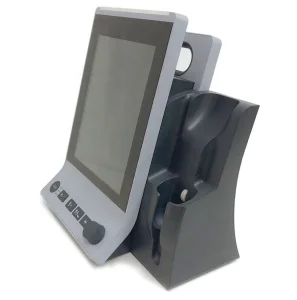
China Hot Selling Hospital Equipment Clinic for Hospital Monitoring Equipments Manufacturer, Quotes
Suitable for Canadian clinic outfitting, training department procurement and mixed hospital equipment orders.
View Product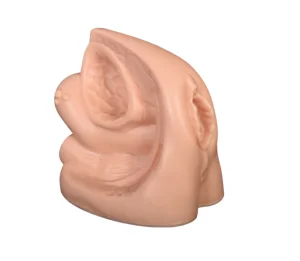
ODM Female Internal and External Catheterization Model, Manikin Teaching Model Catheterization Model for Gynecology Medical Educational Training Aid Manufacturer, Manufacturers
Supports Canadian nursing labs, clinical skills centres and distributed healthcare training programmes.
View Product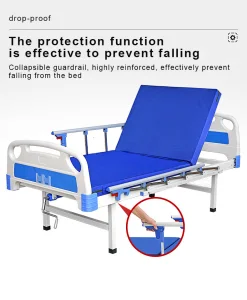
ODM Hospital outpatient bed nursing bed Hospital furniture sales of ordinary beds Manufacturer, Factory
Useful for Canadian clinic projects, long-term care procurement and medical education facility fit-outs.
View Product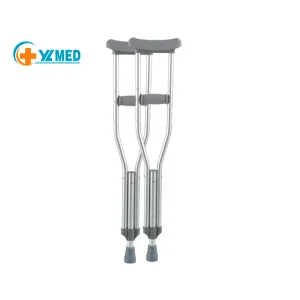
ODM [Copy] Medical Rehabilitation Adult Crutch Medium Weight Light Height Adjustable 300 Pounds Capacity Light Comfortable Cane for Easy Manufacturer, Factories
A practical addition for Canadian home-care distributors and rehabilitation equipment resellers.
View ProductWhy Canada Is a Strategic Market for Suture Pads and Kits
Canada’s healthcare training ecosystem is highly structured, accreditation-driven and increasingly simulation-led. Suture pads and kits are no longer treated as a minor classroom accessory. They are part of competency-based education for medical students, nursing learners, surgical residents, paramedics, veterinary technicians, dental hygienists and rural healthcare teams that need to maintain wound-closure skills between clinical rotations.
For Canadian distributors, the commercial opportunity is not simply to import a low-cost practice pad. The stronger position is to supply a documented, repeatable and classroom-ready training system that helps institutions standardise teaching outcomes across campuses. Procurement teams increasingly compare suppliers on realism, batch consistency, packaging clarity, bilingual labelling readiness, mixed-category consolidation and the ability to support both small pilot orders and long-term replenishment.
Yulin Medical, operated by Henan Yulin Edu. Project Co., Ltd., has manufactured educational and medical training equipment in Xinxiang, China since 1958. With ISO 9001 certification since 2008, more than 200 professional staff and registered capital of RMB 120 million, the company is positioned as a factory-direct partner for Canadian importers that need suture training consumables alongside anatomy models, nursing manikins, hospital furniture and rehabilitation products.
This white-paper-style guide explains Canada-specific demand signals, global procurement expectations, China Factory 4.0 supply-chain advantages and practical sourcing criteria. It is written for Canadian buyers who want more than a commodity quotation: they want information gain, specification clarity and a lower total cost of ownership.
Canada Buyer Snapshot
- Provincial, institutional and group purchasing routes require clear documentation.
- English/French packaging readiness is valuable for national distribution.
- Simulation centres value realistic tissue layers and repeatable needle feel.
- Consolidated mixed-category shipments reduce landed-cost complexity.
Local Business and Industrial Realities Behind Suture Training Procurement
Canada has a relatively small population spread across a very large geography. That combination shapes healthcare education and procurement in ways that differ from the United States, the European Union and many Asian markets.
Provincial Procurement Complexity
Health ministries, hospitals, universities and school boards do not all buy through the same channels. A supplier that can provide clear specifications, consistent master-carton data, product images, origin documents and responsive quotations is easier to qualify across Ontario, Quebec, British Columbia, Alberta and Atlantic Canada.
Bilingual and Documentation Readiness
National distributors often need English and French product information. Even when provincial buyers do not require full bilingual packaging, clear instructions, material descriptions and labelling help reduce inbound receiving questions and support safer training use.
Simulation-Led Curricula
Canadian medical, nursing and allied-health programmes increasingly use simulation to support competency assessment. Suture pads and kits must fit into timetabled lab sessions, repeatable assessment checklists and distributed learning environments where instructors cannot rely on animal tissue.
Rural and Remote Skills Maintenance
From northern nursing stations to rural veterinary clinics, practical wound-closure refreshers matter. Portable suture kits, compact instruments and replaceable pads are easier to ship, store and deploy than bulky simulation systems.
Distributor Consolidation
Canadian distributors often prefer fewer suppliers with broader catalogues. Being able to combine suture practice pads with anatomy models, nursing manikins, hospital furniture and rehabilitation aids improves order economics and strengthens the distributor’s account relationship.
Long-Haul Logistics
Ocean freight to Vancouver, Prince Rupert, Montreal or Halifax, followed by rail or truck delivery, demands robust export packaging. Moisture protection, carton strength, barcode labelling and pallet configuration should be discussed before production begins.
Procurement Priority Index for Canadian Suture Training Buyers
The visual below is not a statistical survey. It is an illustrative priority index based on recurring RFQ patterns and distributor questions in medical education procurement.
Use this index as a discussion framework when preparing a Canadian RFQ, tender package or distributor business case.
What Global Buyers Now Expect from Suture Pad and Kit Suppliers
The global market is moving from generic practice pads toward multi-layer, procedure-specific and kit-based training solutions. Buyers are also asking more sophisticated questions about materials, quality control, packaging and supply continuity.
From Simple Pads to High-Fidelity Skin Simulation
Advanced suture pads often use layered structures to simulate epidermis, dermis, subcutaneous tissue and muscle-like resistance. The goal is not only visual realism but also correct needle penetration feel, tissue drag, wound-edge approximation and tension when learners practise interrupted sutures, continuous sutures, instrument ties and knot security.
For Canadian educators, this matters because assessment is often rubric-based. If a pad is too thin, too hard or inconsistent from batch to batch, learners receive misleading feedback. Procurement should therefore request material descriptions, thickness ranges, sample evaluation and repeat-order consistency commitments.
Kits Are Becoming the Unit of Purchase
Institutions increasingly prefer complete training kits rather than separately sourced components. A typical kit may include suture pads, needle holders, forceps, scissors, a practice suture set, tray, gloves and instructions. Kit-based purchasing reduces preparation time for lab technicians and simplifies inventory management.
For distributors, private-label kits create differentiation. Canadian resellers can build market-specific bundles for nursing programmes, first-aid training, veterinary schools or surgical skills centres, supported by OEM packaging and barcode labelling.
Reusable and Replacement-Based Systems
Budget pressure encourages reusable pad holders and replaceable tissue inserts. Buyers want to know whether the pad can be used for multiple incisions, whether replacement layers are available, and how the kit is cleaned or stored. This changes the purchase from a disposable commodity into a system with refill potential.
Documentation and Regulatory Awareness
Training suture pads are generally positioned as educational training aids rather than sterile implantable devices, but claims matter. Canadian buyers should align product descriptions, labels and marketing with the intended educational use. Suppliers should provide material information, packing lists, HS code suggestions, certificates of origin where relevant and ISO 9001 quality documentation.
Supply Chain Resilience and Efficiency Advantages for Canadian Buyers
Sourcing from China is no longer only about unit price. Canadian importers increasingly evaluate the supplier’s planning discipline, quality records, packaging engineering and ability to coordinate multi-category orders without adding administrative burden.
Digital Planning and ERP Discipline
Factory 4.0 practices help align raw materials, moulds, assembly, inspection and packing schedules. For buyers, this means fewer surprises when an order includes suture pads, manikins, anatomical models and hospital furniture in the same shipment.
Quality Control with Batch Traceability
ISO 9001-based process control supports incoming material checks, in-process inspection and final packing verification. Batch references, carton marks and consistent product photos help Canadian distributors handle receiving, warranty questions and repeat orders.
Packaging Engineering
Export cartons can be configured for Canadian distributor needs: retail-ready inner boxes, private labels, instructions, barcodes, pallet patterns and protective wrapping. Good packaging reduces damage and returns during long-distance transport.
Supply-Chain Cluster Depth
China’s medical education manufacturing ecosystem offers access to plastics, silicone-like materials, stainless steel instruments, sewing components and packaging suppliers. A mature factory can coordinate these inputs instead of asking the buyer to manage many vendors.
Multi-Port Export Flexibility
Depending on the final Canadian destination and schedule, shipments can be coordinated through major Chinese gateways and routed to Vancouver, Prince Rupert, Montreal or Halifax. Consolidation can reduce the friction of mixed product categories.
Private Label and Localisation
OEM and ODM support are important for Canadian distributors who want their own brand, instructions and packaging. A factory with in-house design and documentation capability can shorten the path from concept to sellable SKU.
How Suture Pads and Kits Are Used Across Canada
Different Canadian buyer groups need different product configurations. A one-size-fits-all pad may not satisfy a nursing lab, a surgical skills centre and a veterinary programme at the same time.
Medical and Nursing Schools
Competency-based labs use suture pads for basic instrument handling, knot tying, wound closure and assessment. Consistent pads help instructors compare learner performance across cohorts.
Surgical Residency and CME
Residents and practising clinicians use higher-fidelity pads and instrument kits to maintain fine motor skills, practise layered closure and prepare for simulation assessments.
Rural and Remote Clinics
Portable kits support skills refreshers in communities where access to large simulation centres is limited. Compact storage and replaceable pads are especially valuable.
Veterinary and Animal Health
Veterinary programmes need different tissue resistance and suture handling exercises. Pads can be grouped into kits for small-animal or large-animal training scenarios.
Dental and Oral Training
Dental programmes value smaller pads and delicate instruments for precise suturing practice. Kit design should protect fine tips and keep components organised.
First Aid and Paramedic Training
Wound-closure familiarisation helps learners understand materials and technique. These products should be clearly described as educational aids, not substitutes for clinical certification.



A Six-Decade Manufacturer for Canadian Distributors and Institutions
Henan Yulin Edu. Project Co., Ltd. was founded in 1958 and has grown into a manufacturer that integrates product development, production, inspection and export. The company operates from No. 8, Daoqing Road, Industry Park, Hongqi District, Xinxiang, Henan, China. Its quality management system has been ISO 9001 certified since 2008.
For Canadian buyers, the advantage is not only factory-direct pricing. It is the ability to source multiple product families under one quality system: anatomy models, biology prepared slides, dental tools, general teaching models, hospital furniture, hospital machines and tools, medical apparatus, nursing models, skeleton models and suture pads and kits.
Ten Product Categories That Support Suture Training and Canadian Healthcare Education
A Canada-focused suture pads and kits programme becomes stronger when it is backed by adjacent medical education and hospital equipment categories. The original category URLs are retained below.
Anatomy Models
Torso, organ, heart, brain and muscle models for lectures and patient education.
02Biology Prepared Slides and Accessories
Histology, botany and zoology slides plus storage and microscope accessories.
03Dental Tools and Equipment
Dental teaching models, clinic lights, whitening units and endodontic instruments.
04General Teaching Models
Science demonstration models for schools, colleges and education equipment tenders.
05Hospital Furniture and Equipments
Stainless steel couches, stretchers, walkers and shower chairs for daily clinical use.
06Hospital Machine and Tools
Diagnosis and treatment devices and practical tools for wards and clinics.
07Medical Apparatus and Instruments
Emergency splints, extrication devices, cervical traction and rehabilitation instruments.
08Medical Nursing Model
Adult, child and neonatal CPR manikins, ACLS simulators and AED trainers.
09Skeleton Models
Life-size and desktop skeletons, skulls, spines and joint models for osteology teaching.
10Suture Pads and Kits
Realistic skin suture pads and complete instrument kits for surgical and wound-closure practice.
A Transparent Five-Step Process for Canadian Buyers
From first RFQ to delivery, clear stages help Canadian distributors plan stock, tender responses and training schedules with confidence.
Share Requirements
Send product types, quantities, target province, end-user group and any bilingual or tender requirements.
Catalogue and Proposal
Receive matched products, specifications, packaging options, carton data and shipping suggestions.
Sample Evaluation
Test suture pad feel, instrument quality and kit configuration with instructors or clinicians.
Production and QC
Manufacturing and inspection follow the ISO 9001 quality management system.
Export and Support
Protective export packing, delivery coordination and responsive after-sales communication.
Build a Complete Canada Supply Basket Beyond Suture Practice Consumables
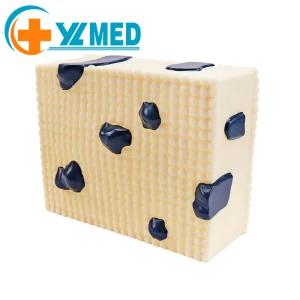
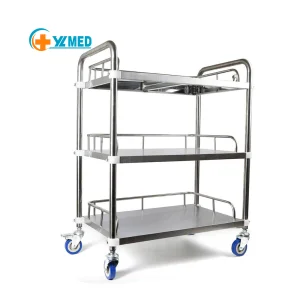
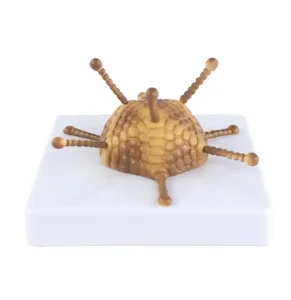
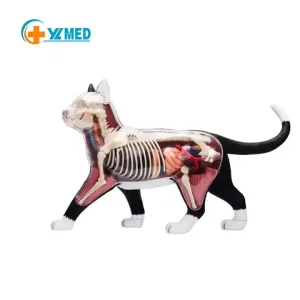
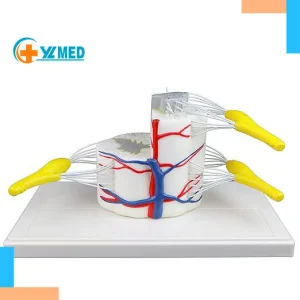
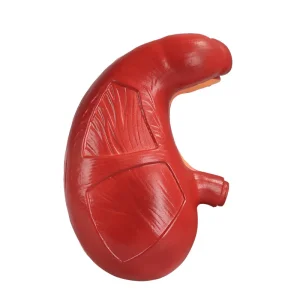
The eight original product listings below complete the sourcing picture. They are especially relevant for Canadian distributors and institutions that consolidate anatomical teaching models, hospital equipment and rehabilitation aids with suture training products.

Knowledge That Supports Better Canadian Sourcing Decisions
Product quality is only part of a successful supply relationship. Training outcomes depend on correct usage, storage and a clear understanding of how educational models fit into the curriculum.

Do You Really Know How to Observe Biological Prepared Slides?
Many plant and animal cell structures can only be studied under a microscope, which makes prepared biological slides essential in every biology lab. Correct handling, focusing and storage help students see clearer detail and extend the useful life of slide sets.

The 5th Henan Provincial Educational Equipment Expo Concludes Successfully
Themed “Digital Leading Innovation and Development”, the expo reached a record 50,000 m² with 600+ brands and 10,000+ products on display, showcasing the latest educational equipment.

Inside Our Product Showroom
A look at the medical teaching models and training equipment buyers can inspect in person when visiting our Xinxiang facility.
Need a Canada-Specific Quotation?
Share your target province, end-user group, quantities, packaging language and delivery expectations. Our export team will propose suitable suture pads and kits, compatible instruments, adjacent medical education products and a practical shipping plan.
Send Inquiry NowSuture Pads and Kits: Frequently Asked Questions from Canadian Buyers
These answers help procurement managers, distributors and educators prepare a more precise RFQ and avoid common specification gaps.
Are suture pads and kits medical devices in Canada?
Training suture pads are generally sold as educational training aids rather than sterile implantable devices. However, the intended use, claims and labelling must be clear. Buyers should avoid clinical-performance claims that could change the regulatory interpretation. Suppliers should provide material descriptions and product-use information so Canadian distributors can review positioning with their compliance advisors.
Can you support private-label suture kits for Canadian distributors?
Yes. OEM and private-label support can include branded packaging, instruction sheets, kit configuration, barcodes and master-carton information. A practical approach is to start with a standard pad and instrument set, then localise the packaging and documentation for the Canadian market.
What should be specified in an RFQ for suture practice pads?
Specify pad size, thickness, layer structure, material hardness, colour, wound type, intended suture size, pack quantity and whether the pad is reusable. For kits, list every instrument, suture item, tray, glove and instruction sheet. Include packaging language, carton marks and any tender documentation requirements.
How do Canadian buyers evaluate realism before bulk ordering?
Request samples and test needle penetration, tissue drag, wound-edge approximation, knot security and repeated use. Ask instructors to compare the pad with their current teaching model. Record the reference sample so repeat orders can be compared against the approved standard.
Do you provide English and French packaging support?
Bilingual packaging can be discussed for national distributors that sell into multiple provinces. Even where French labelling is not mandatory for a specific channel, clear English and French product information can improve receiving accuracy and support public-sector purchasing requirements.
Can suture kits be combined with anatomy models, manikins and hospital furniture?
Yes. One of the main advantages of a factory-direct programme is mixed-category consolidation. Canadian distributors can combine suture pads and kits with anatomy models, nursing training manikins, hospital furniture, rehabilitation aids and other medical education products in a single production and shipping plan.
Is Yulin Medical a manufacturer or a trading company?
Yulin Medical is a manufacturer. Henan Yulin Edu. Project Co., Ltd. was founded in 1958 and operates its own factory in Xinxiang, Henan, China, with more than 200 professional staff. For one-stop orders, the company also coordinates a stable network of long-term partner factories.
What quality certification does Yulin Medical hold?
The quality management system has been ISO 9001 certified since 2008. Product-specific documentation can be provided on request for tenders, import registration support and distributor qualification.
How quickly will a Canadian buyer receive a reply?
The export team is online seven days a week and typically replies within 24 hours with catalogues, specifications, packaging options and shipping suggestions.
What shipping routes are commonly used for Canada?
Depending on the destination and schedule, shipments may move through major Chinese ports and arrive at Canadian gateways such as Vancouver, Prince Rupert, Montreal or Halifax, followed by rail or truck delivery. Packaging should be designed for long-haul handling and moisture protection.
Need a Canada-Ready Suture Pad and Kit Quotation?
Tell us your target market, quantities, packaging language and certification requirements. Our product specialists will recommend suitable suture training products, compatible medical education items and the most economical shipping plan for your Canadian order.
No. 8, Daoqing Road, Industry Park, Hongqi District, Xinxiang, Henan, China