
1 / 4
China Medical Science YULIN YL-235 5x Life Size Vertebral Partial Spinal Cord Longitudinally Cross Section Biology Model Showing Grey Factory, Quotes
Product Description
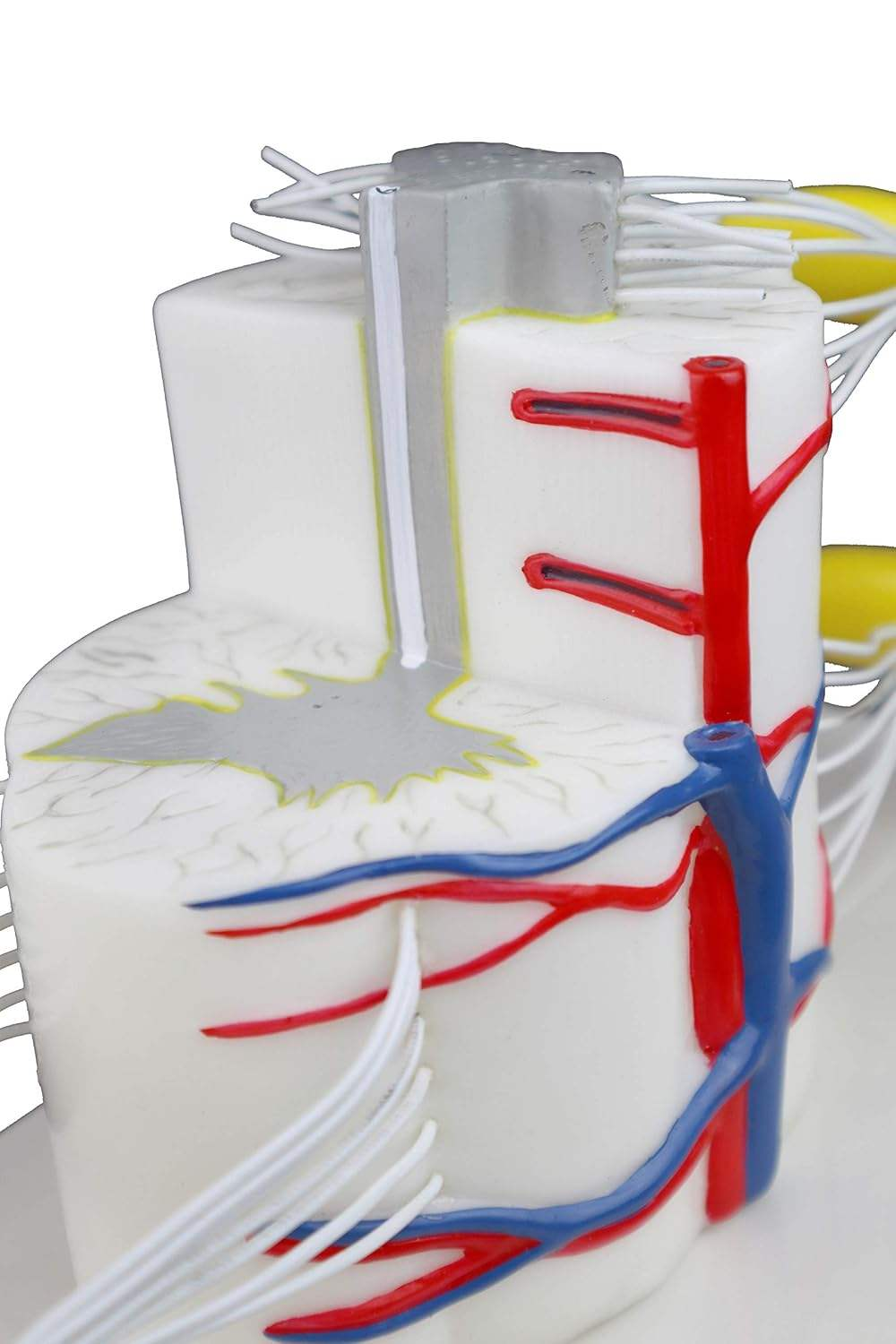
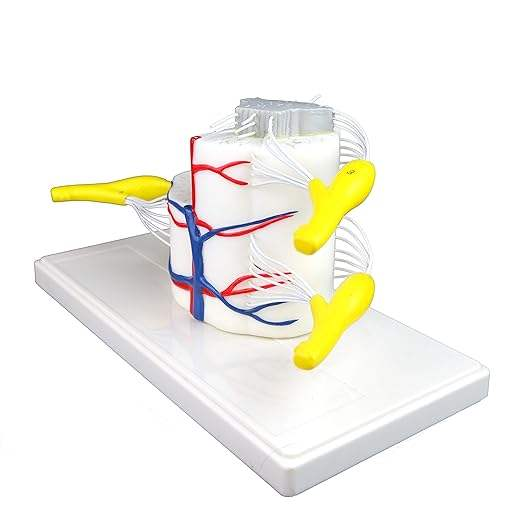
Medical Science 5x Life Size Vertebral Partial Spinal Cord Longitudinally Cross Section Showing Grey White Matter Nerve Branches
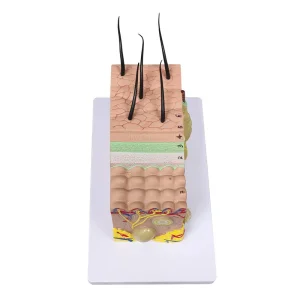
The model consists of two parts: a three-dimensional model of spinal cord and a planar model of the spinal cord.
Size
5 times magnification
Three-dimensional model of spinal cord
6 × 20 × 5.5cm
Spinal cord plane model
2 × 8 × 6cm
Material
PVC

Medical science anatomical teaching aids laboratory instruments Enlarged model of human spine and spinal nerve branches
5X enlarged model for detailed examination
Sectioned both longitudinally and in cross-section to show the anterior and posterior nerve roots, ganglia and blood vessels
Perfect for students and teachers
Labeled diagram included
Mounted on a stand
Detailed Images
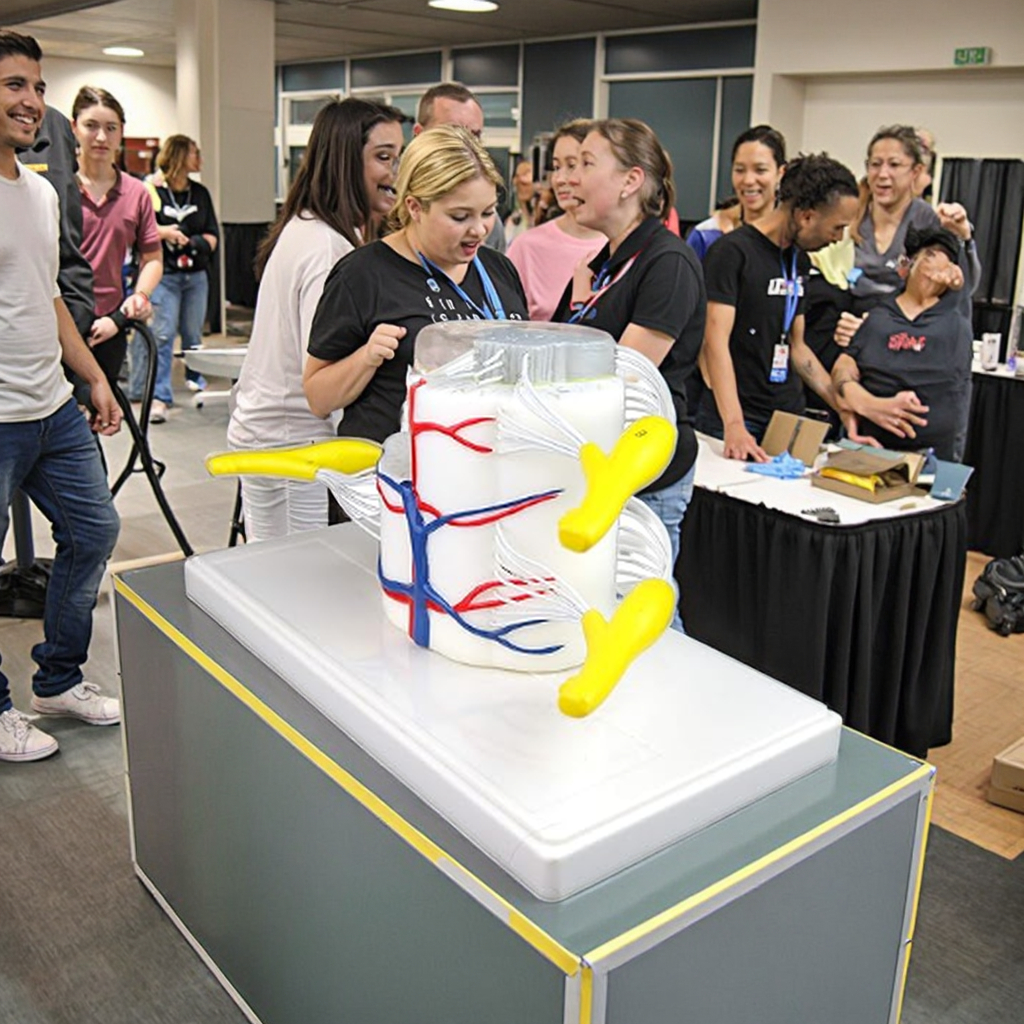
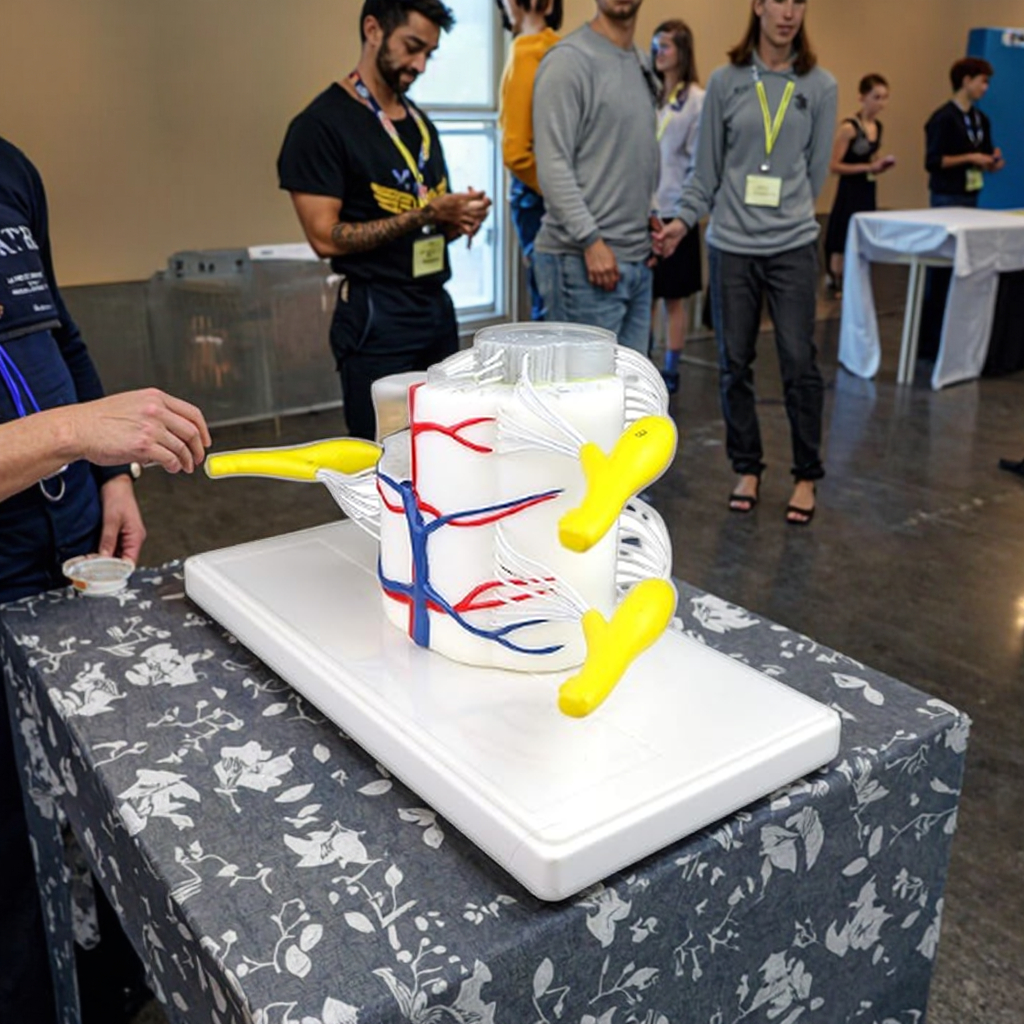
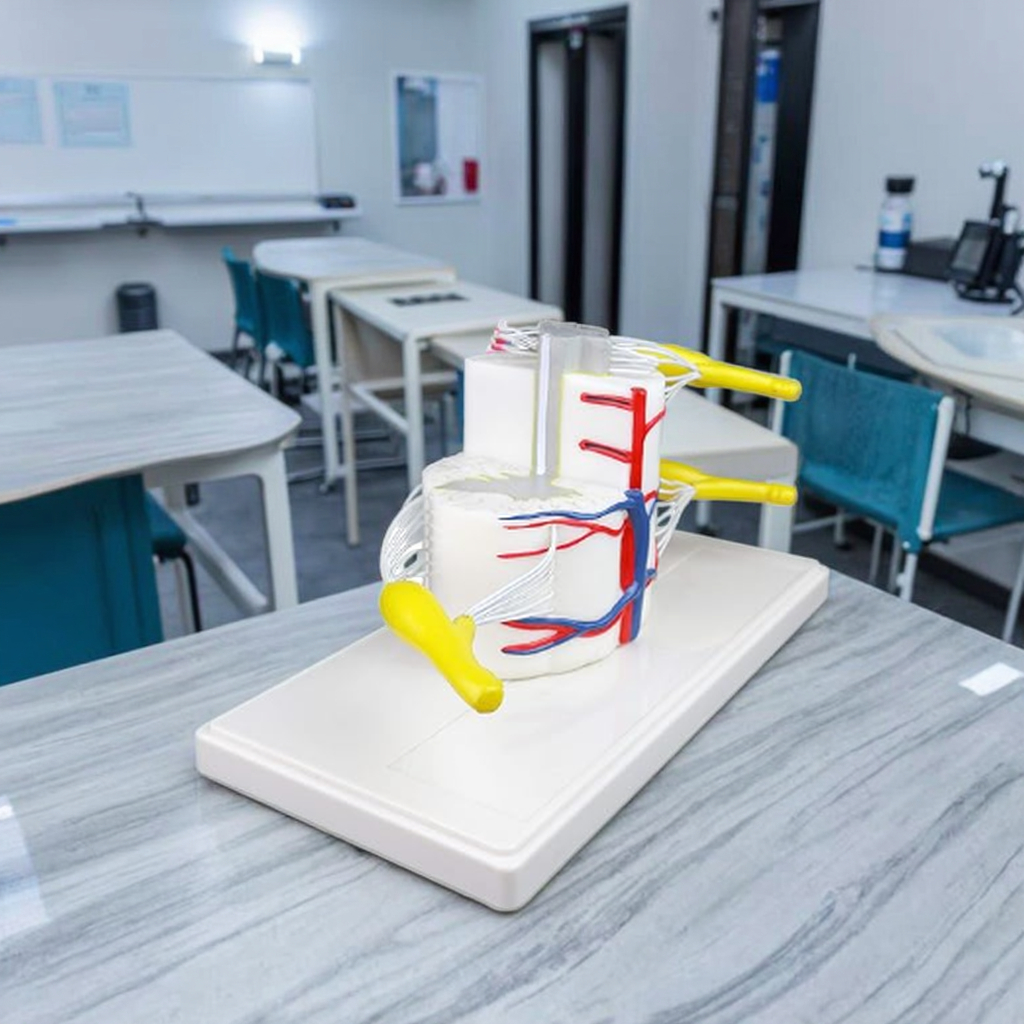
The spinal cord is an important part of the central nervous system. It is located in the vertebral canal and is cylindrical, slightly flattened anteriorly and posteriorly. It has the functions of conducting nerve impulses and completing reflex activities. It can transmit sensory information from various parts of the body to the brain, and at the same time, transmit motor commands from the brain to effectors such as muscles.
Spinal nerves emerge from the spinal cord. Structures like the yellow ones in the figure can simulate the shape and distribution of spinal nerves. Spinal nerves are mixed nerves, containing sensory nerve fibers and motor nerve fibers, and are responsible for controlling the sensory and motor functions of corresponding areas of the body, such as skin sensation and muscle contraction.
Through the intuitive structural display, this model helps learners better understand the anatomical structure and relationship between the spinal cord and spinal nerves, and plays an important auxiliary role in medical teaching, neuroscience research and other fields.
FAQ
1
What does this spinal cord model include?
It consists of two parts: a three-dimensional model of the spinal cord and a planar model of the spinal cord. It is a 5x life-size anatomical teaching model.
2
What are the dimensions of the model?
The three-dimensional model measures 6 × 20 × 5.5cm, and the planar model measures 2 × 8 × 6cm.
3
What material is used?
The model is made of PVC.
4
What anatomical structures can be observed?
The model is sectioned longitudinally and in cross-section to show the anterior and posterior nerve roots, ganglia, blood vessels, grey and white matter, and nerve branches.
5
Who is the model suitable for?
It is designed for students and teachers and supports medical teaching, neuroscience research, and anatomy study.
6
Does it include a labeled diagram and stand?
Yes. A labeled diagram is included, and the model is mounted on a stand.