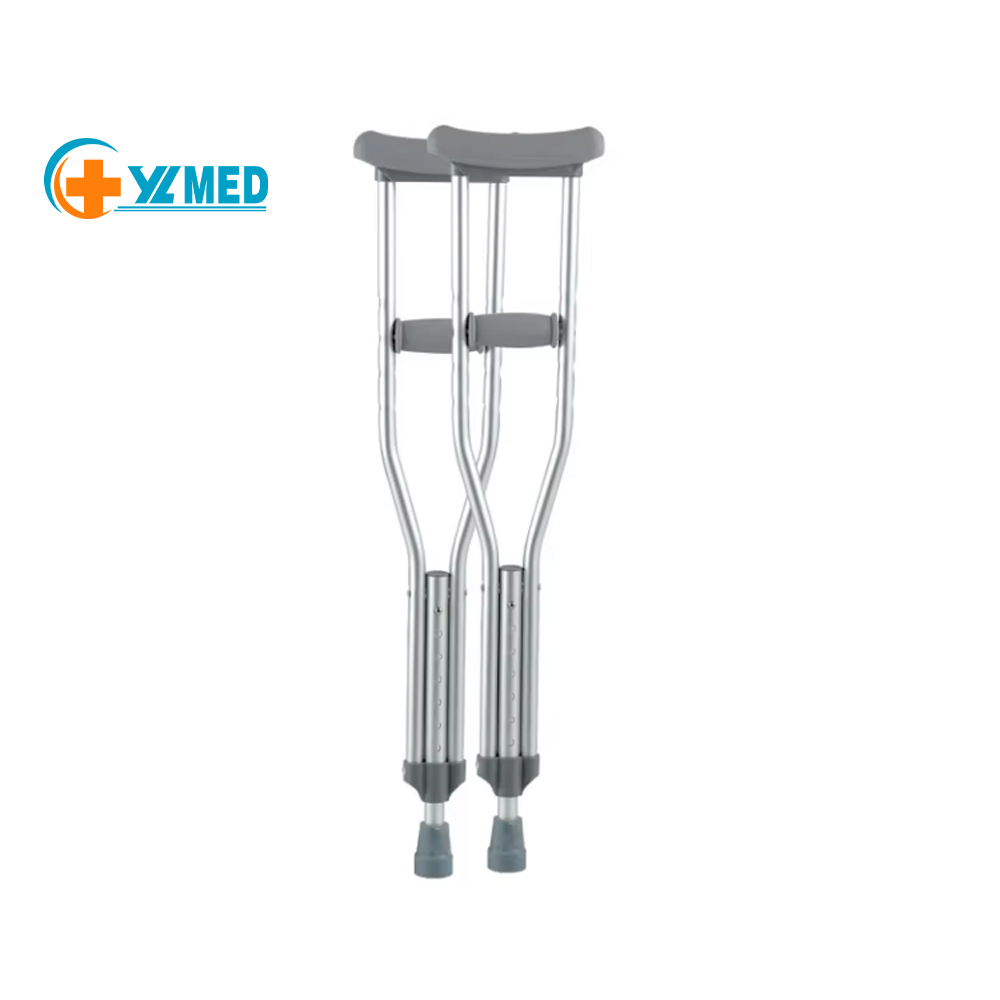
ODM [Copy] Medical Rehabilitation Adult Crutch Medium Weight Light Height Adjustable 300 Pounds Capacity Light Comfortable Cane for Easy Manufacturer, Factories
Product Description
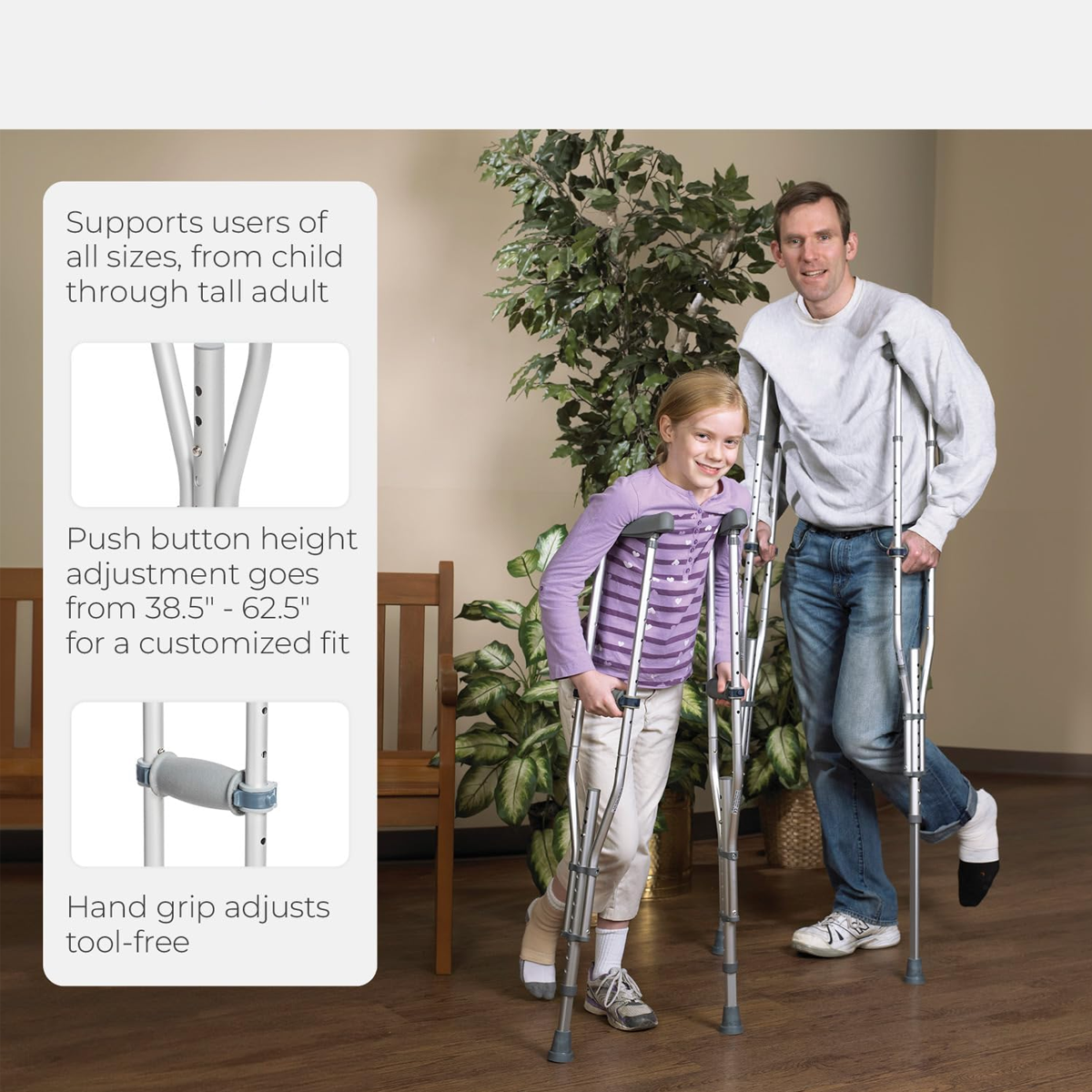
Medical Rehabilitation Adult Crutch — Medium Weight, Light, Height Adjustable, 300 Pounds Capacity, Light, Comfortable Cane for Easy
This is an axillary crutch.
How to Use
- Adjust the height: Stand upright. Keep a distance of about 2–3 finger-widths between the armpit and the top of the crutch. Let your arms hang naturally. The height of the handle should be at the wrist level. Adjust to the appropriate height through the adjustment device and tighten it firmly.
- Standing posture: Place the crutches on both sides of the body, about 15–20 centimeters away from the toes. Hold the handles with both hands, and transfer part of the body weight to the arms and crutches.
-
Walking methods:
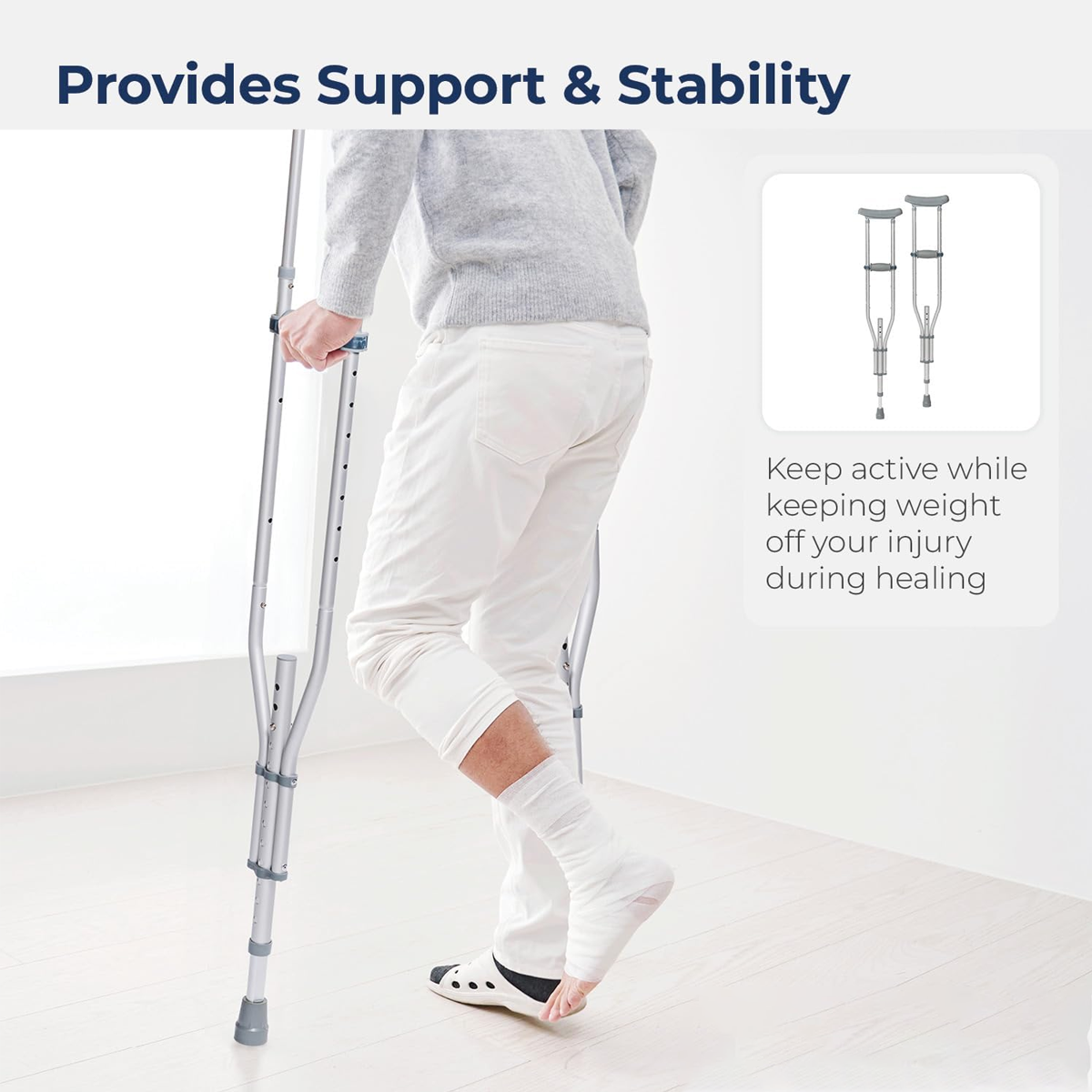
- Walking on flat ground: First move the crutch on the affected side, and at the same time step out with the affected foot. Then move the crutch on the healthy side and step out with the healthy foot. Repeat this process to maintain balance.
- Going up and down stairs: When going up stairs, step up with the healthy foot first, and then move the affected foot and the crutch up simultaneously. When going down stairs, first move the crutch and the affected foot down, and then step down with the healthy foot.
Maintenance Points
- Cleaning: Regularly wipe the surface of the crutch with a damp cloth to remove dust and stains. If there are stubborn stains, you can dip a small amount of neutral detergent to wipe, then rinse with clean water and dry.
- Inspect components: Frequently check whether the connections of all parts of the crutch are firm and whether the screws are loose. If the rubber foot pads are severely worn, replace them in time to prevent slipping.
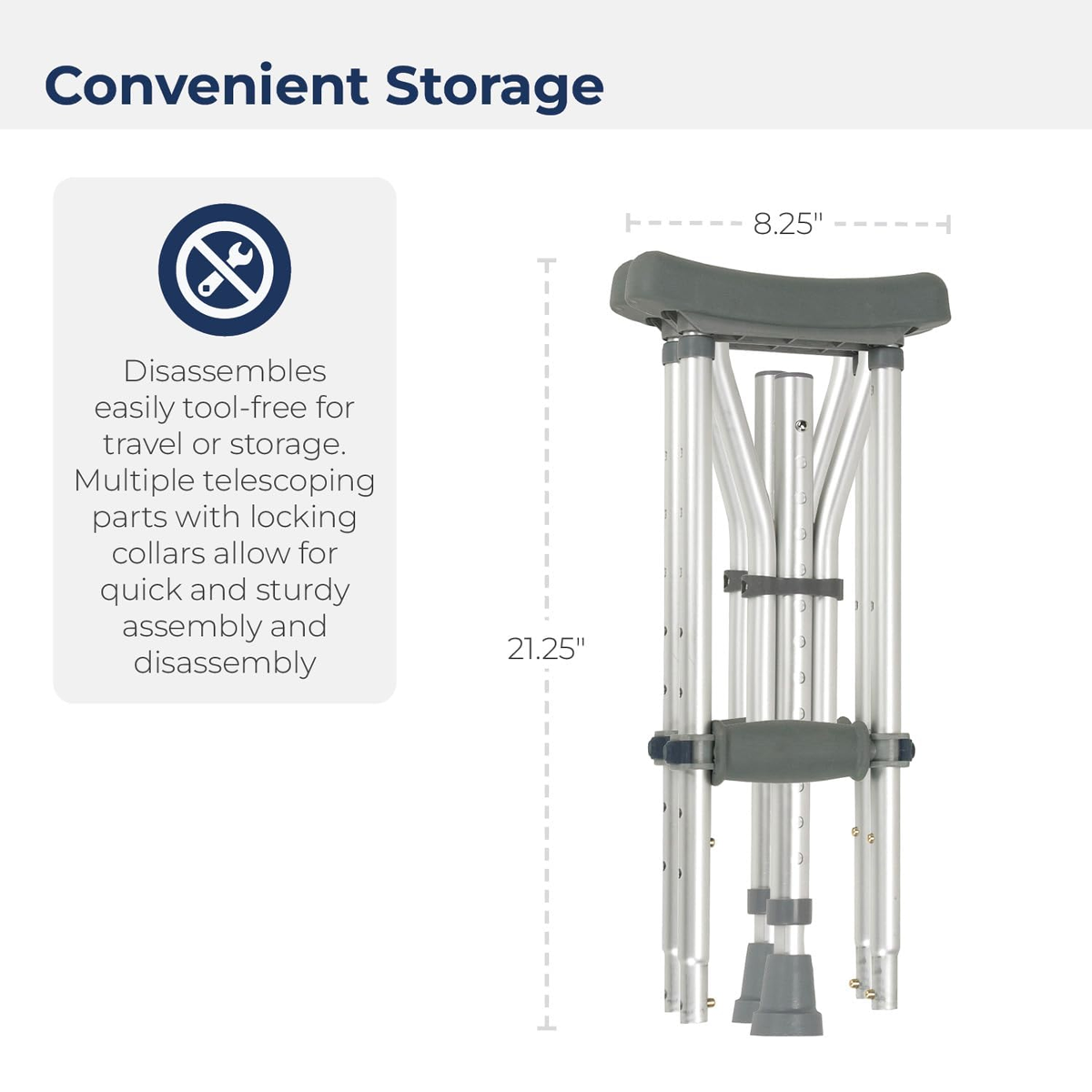
- Storage: Place it in a dry and ventilated place to avoid rusting or component aging due to moisture. Do not place heavy objects on the crutch to prevent deformation.
Applicable Scenarios and Populations
- Scenarios: Applicable to daily activity scenarios such as walking on flat ground indoors and outdoors, and going up and down stairs, helping users maintain balance and move.
- Populations: Mainly used for people with limited mobility, such as those with lower-limb fractures, sprains, during post-operative rehabilitation, and patients with leg diseases (such as arthritis, etc.) who have difficulty walking.
Frequently Asked Questions
How do I adjust the adult crutch to the correct height?
Stand upright and keep about 2–3 finger-widths between your armpit and the top of the crutch. Let your arms hang naturally; the handle should be at wrist level. Adjust the height with the adjustment device and tighten it firmly.
How should I walk on flat ground with the crutch?
First move the crutch on the affected side while stepping out with the affected foot. Then move the crutch on the healthy side and step out with the healthy foot. Repeat this process to maintain balance.
How do I use the crutch when going up and down stairs?
When going up stairs, step up with the healthy foot first, then move the affected foot and the crutch up simultaneously. When going down stairs, first move the crutch and the affected foot down, then step down with the healthy foot.
How should I clean and store the crutch?
Wipe the surface with a damp cloth to remove dust and stains. For stubborn stains, use a small amount of neutral detergent, then rinse with clean water and dry. Store the crutch in a dry and ventilated place, and do not place heavy objects on it.
Who are these crutches suitable for?
They are mainly used for people with limited mobility, such as those with lower-limb fractures, sprains, during post-operative rehabilitation, and patients with leg diseases such as arthritis who have difficulty walking.
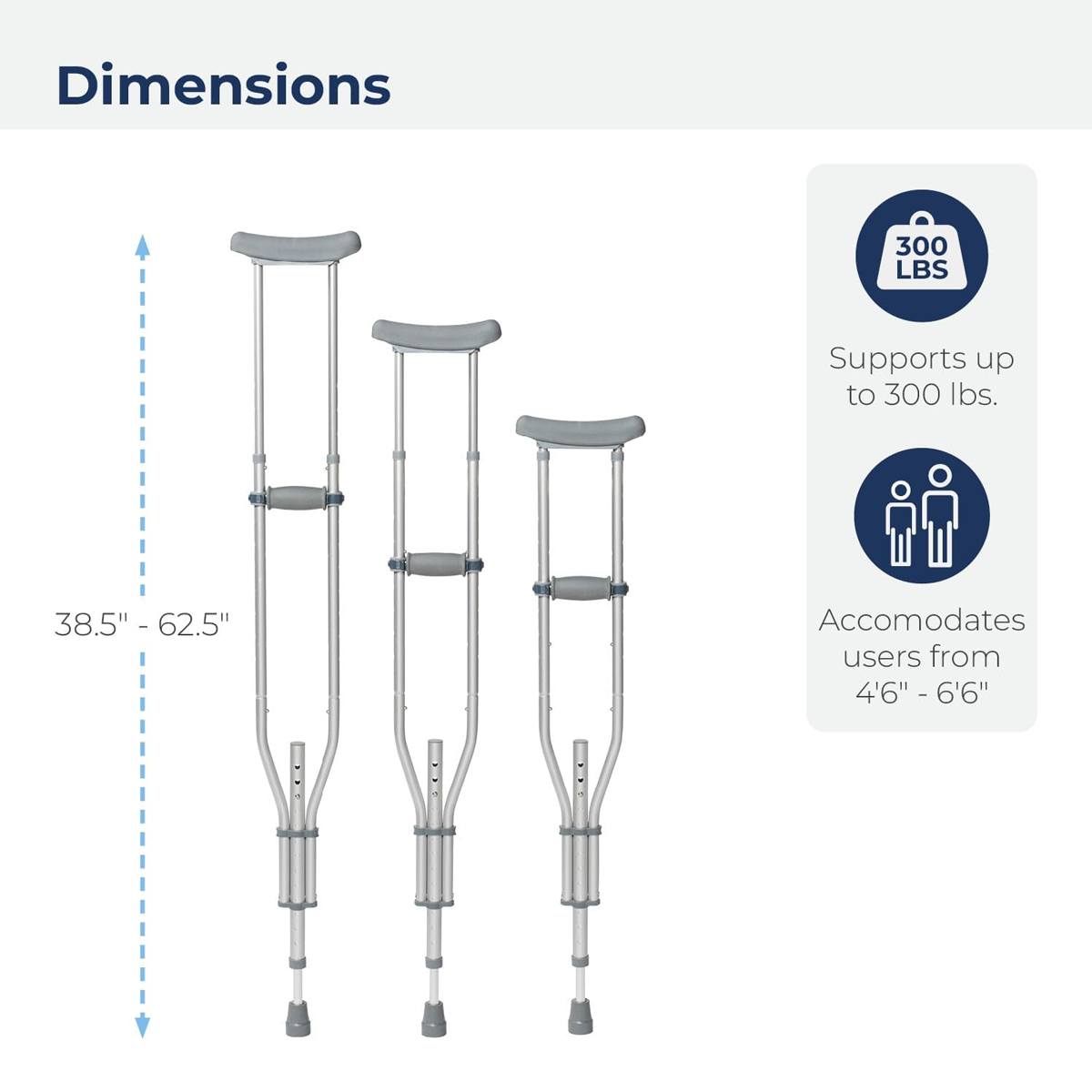
What weight capacity is listed for this crutch?
The product name lists a 300 pounds capacity.