
First-Look Products for Manila Teaching, Laboratory and Clinical Procurement
These four items are frequently specified in Metro Manila education and healthcare projects because they support anatomy demonstrations, infection-control training, biology laboratories, nursing skills assessment and equipment protection. Each product link below retains the original manufacturer URL and is presented as a direct inquiry button for faster RFQ handling.
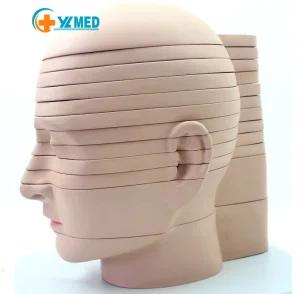
PVC Head & Brain Section Model for Medical Education
China Medical Science PVC Head Section Model Human Brain Sectional Anatomy Model CTMRI Medical Model for Medical Education Manufacturer, Factories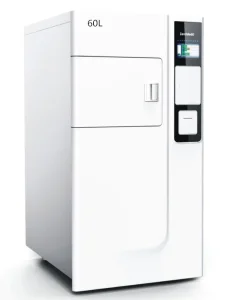
Low-Temperature H2O2 Plasma Sterilizer for Sensitive Instruments
Wholesale Medical Plasma Sterilizer H2o2 Plasma Sterilizer Medical Low Temperature Plasma Sterilizer Manufacturer, Service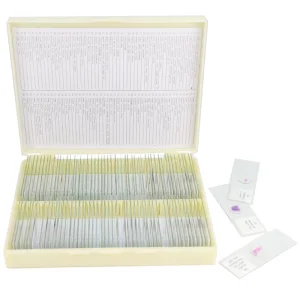
50-Piece Prepared Slide Set for Teaching Resources
ODM 50pcs Biology Microbiology Prepared Slides set for Teaching Resources and Education Equipment Factory, Factories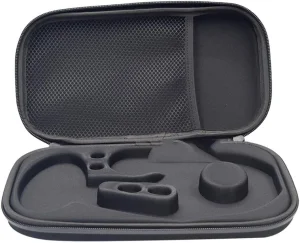
Hard Stethoscope Case & Multi-Function Storage Organizer
Wholesale Hard Stethoscope Case, Stethoscope Storage Box, Multi-Function Carry Storage Organizer Box with Extra Mesh Pockets for Small Accessories, Device NOT Included(Black) Manufacturers, ServiceWhy Manila Buyers Need a Factory-Side Skeleton Model Strategy
Metro Manila is one of Southeast Asia’s most concentrated markets for medical education, private hospital development, dental training, nursing review centres and emergency-response programmes. The demand is broad, but it is rarely uniform. A medical university in Manila may require life-size skeleton models with numbered structures, detailed skulls and removable limbs for anatomy lectures. A nursing college in Quezon City may prioritise portable models for skills laboratories. A hospital group in Makati or Taguig may standardise training equipment across multiple sites, while a distributor in Pasig may need mixed-category containers that combine skeleton models, prepared slides, nursing manikins, dental teaching aids and hospital equipment.
For procurement teams, the real question is not simply “Which skeleton model factory offers the lowest unit price?” The stronger question is: which OEM factory can deliver a Manila-ready combination of anatomical accuracy, humidity-resistant packaging, English documentation, tender support, spare-part availability and predictable lead time? That is where factory-side insight creates information gain over a generic catalogue.
Henan Yulin Edu. Project Co., Ltd. — trading as Yulin Medical — has manufactured educational and medical training equipment since 1958. Its quality management system has been ISO 9001 certified since 2008, and its portfolio spans anatomy models, skeleton models, biology prepared slides, dental tools, hospital furniture, medical apparatus, nursing models and suture kits. For Manila buyers, this means a single accountable manufacturing partner can support multiple departments, tenders and distributor programmes without fragmenting quality control across unrelated suppliers.
Manila OEM quote checklist
- Model scale, material, joint type and paint specification
- Target quantity, mixed-SKU ratio and private-label requirement
- Incoterms, port of discharge and Manila warehouse address
- Philippine FDA classification check and document list
- English manual, barcode, warranty and spare-part plan
- Packaging resistance to humidity, shock and typhoon-season transit
Tip: provide a sample photo or an existing SKU reference with your RFQ. Clear specifications reduce quotation cycles and help the factory recommend the most economical freight consolidation.
Ten Product Lines That Support Manila Medical Education and Clinical Operations
Skeleton models are often the anchor item in a quotation, but Manila buyers frequently consolidate multiple categories into one shipment. The ten product lines below retain the original category URLs and allow distributors and institutions to build a more complete procurement package from one factory relationship.
Anatomy Models
Torso, organ, heart, brain and muscle models for lectures and patient education.
02Biology Prepared Slides
Histology, botany and zoology slide sets plus laboratory accessories.
03Dental Tools & Equipment
Dental teaching models, clinic lights and endodontic instruments.
04General Teaching Models
Science demonstration models for schools and education tenders.
05Hospital Furniture
Examination couches, stretchers, walkers and patient-care furniture.
06Hospital Machine & Tools
Diagnosis, treatment and ward tools for clinics and emergency units.
07Medical Apparatus
Emergency splints, extrication devices and rehabilitation instruments.
08Nursing Models
CPR manikins, ACLS simulators and clinical skills training models.
09Skeleton Models
Life-size and desktop skeletons, skulls, spines and joint models.
10Suture Pads & Kits
Realistic skin pads and instrument kits for wound-closure practice.
Local Commercial Reality: How Metro Manila Buys Skeleton Models
Academic procurement
Medical, nursing, physical therapy and dental schools require consistent teaching quality across lecture halls and skills laboratories. Skeleton models must be anatomically clear, easy to label, repairable and compatible with practical exams. Departments often value interchangeable parts and English numbering over low-cost single-use models.
Hospital group standardisation
Private hospital groups and ambulatory centres in Makati, Taguig, Pasig and Quezon City increasingly standardise training equipment across sites. They need factory SKU continuity, barcode traceability and after-sales support so that replacement components match previous batches.
Distributor consolidation
Philippine distributors prefer one container or one consolidated shipment from multiple categories: skeleton models, anatomy torsos, prepared slides, CPR trainers, dental aids and hospital furniture. Mixed-category orders lower freight complexity and reduce the number of suppliers to audit.
Public tenders and LGU health offices
Government buyers typically require clear technical specifications, quotation validity, documentary compliance and delivery schedules. Factories with structured product data, ISO 9001 documentation and export experience can reduce tender-preparation friction for Manila-based bidders.
Humidity and transit protection
Manila’s tropical climate and typhoon season make packaging a technical issue, not a cosmetic one. Skeleton models with metal joints, painted surfaces and articulated parts benefit from desiccant, moisture-barrier bags, foam fixation, reinforced cartons and clearly marked handling instructions.
Service speed and spare parts
Broken joints, missing small parts and faded paint can interrupt classes. Manila buyers should ask for a recommended spare-part kit, assembly drawings and replacement procedures. A factory that can ship small components quickly is often more valuable than one that only offers a lower initial unit price.
Illustrative Manila procurement weighting
The bars below are an illustrative decision framework, not a statistical survey. They show why the lowest FOB price alone can produce a weak landed-cost outcome for Manila buyers.
From PVC Anatomy Models to Digital Anatomy Infrastructure
Skeleton-model manufacturing is moving through four practical stages. The strongest factories do not treat these as marketing labels; they use them to improve repeatability, repairability and teaching outcomes for overseas buyers.
PVC & Cast Foundations
Durable PVC, ABS and resin models remain the backbone of anatomy teaching because they resist daily handling and are cost-effective for large classes. Quality depends on mould precision, wall thickness, joint design and paint durability.
Modular & Repairable Design
Removable limbs, magnetic connectors, replaceable joints and numbered structures improve classroom flexibility. For Manila institutions, modularity reduces downtime when one component is damaged.
3D-Printed & Case-Specific Models
CT/MRI segmentation and 3D printing allow factories to produce patient-specific or region-specific anatomy models for advanced training. The technology is especially useful for specialised surgical demonstrations and research collections.
Connected & Digital-Ready Anatomy
QR-linked labelling, digital quizzes, AR overlays and LMS-compatible content are emerging as value-added layers. The physical model remains central, but the factory becomes a content and traceability partner.
Material direction
Hybrid constructions use rigid internal frames with softer surface layers for realistic palpation. Surface coatings are being selected for colour stability, cleanability and resistance to tropical humidity.
Digital layer
QR codes on a skeleton model can link to labelled diagrams, quizzes and maintenance instructions. For Manila schools, this reduces dependence on printed manuals and supports blended learning.
Future outlook
Expect greater demand for modular kits, replaceable components, digital teaching accessories and mixed-category OEM programmes. Factories that document specifications clearly and support distributor branding will be better positioned than price-only suppliers.
Industry Solutions for Manila Institutions and Distributors
OEM skeleton models are rarely purchased in isolation. They are part of larger programmes for teaching, accreditation, hospital training, emergency preparedness and distributor brand-building.
Simulation laboratory bundle
A university can combine life-size skeletons, skulls, spines, torso models, CPR manikins, prepared slides and storage cases into a phased laboratory package. Bundle planning improves freight efficiency and ensures consistent labelling across the laboratory.
Hospital group training standard
Hospital groups can standardise training models across sites so that nursing and emergency teams practise on identical equipment. Private-label packaging and serial-number tracking help maintain internal asset control.
Distributor OEM programme
Philippine distributors can request private-label manuals, cartons, product stickers and barcode data. This raises resale value and supports long-term brand recognition among schools, clinics and hospital buyers.
Emergency-response training
Rescue and ambulance training benefits from anatomical models combined with splints, stretchers, CPR trainers and airway-management aids. One consolidated shipment reduces procurement administration for training centres.
Public tender documentation pack
Bidders can ask the factory for product specifications, packing details, ISO 9001 evidence and quotation validity. Clear documentation reduces the risk of disqualification during technical evaluation.
Dental and allied-health training
Dental schools and orthodontic training centres can combine skull and head models, dental teaching aids, ligature rings and storage equipment into a single teaching order.
Manila-Ready Support, Documentation and Import Planning
Compliance is not a single certificate. It is a chain of product classification, import documentation, labelling, packaging, warranty and after-sales evidence. The following points should be confirmed with the factory, a licensed customs broker and the relevant Philippine authority before shipment.
Philippine FDA classification check
Anatomical and skeleton models are often used for education, but classification depends on intended use and claims. Buyers should verify whether a product is regulated as a medical device and obtain the correct documentary pathway before importation.
Customs and port preparation
For Manila shipments, confirm HS code, commercial invoice, packing list, bill of lading, certificate of origin and any required permits. Port congestion and warehouse scheduling should be factored into delivery planning.
Humidity-resistant packaging
Ask for desiccant, moisture-barrier protection, foam fixation and reinforced export cartons. Painted anatomy models and metal joints should be protected from condensation, scratches and vibration during tropical transit.
After-sales and spare parts
A practical warranty and spare-part plan matters for schools and hospitals. Confirm replacement joint kits, touch-up paint, assembly instructions and the response time for small-component shipments.
What a strong Manila compliance file should include
- ISO 9001 certificate and product-specific quality documents
- Commercial invoice, packing list, bill of lading and certificate of origin
- English product manual, assembly guide and labelling information
- Material information and, where relevant, safety data sheets
- Warranty terms, spare-part list and recommended maintenance schedule
- Photos of packed cartons, pallet dimensions and loading plan if requested
This list is a practical starting point, not legal advice. Import requirements can change and should be verified with a licensed customs broker and the relevant Philippine regulator.
Supply Chain Resilience and Efficiency Advantages for Manila OEM Buyers
“Factory 4.0” is often used loosely. In medical teaching equipment, it should mean measurable process control: stable materials, documented work instructions, inspection records, export-grade packing and the ability to repeat a specification on the next order.
Digital work instructions
Clear process sheets and inspection points reduce variation in paint, joints, labelling and packaging — critical when a Manila distributor reorders the same SKU across school terms.
Traceability
Barcodes, batch records and serial labels help hospital groups and universities manage assets, warranties and replacement parts after delivery.
Consolidated export packing
Mixed-category orders can reduce freight administration. A factory that understands carton optimisation can help Manila buyers improve container utilisation and lower landed cost.
Responsive export service
An export team online seven days a week and a typical 24-hour reply commitment helps Manila buyers move quickly on tenders, replenishment orders and urgent classroom replacements.
Resilience lever 1
Dual sourcing of raw materials and long-term partner factories reduce the risk of a single-component shortage delaying a Manila shipment.
Resilience lever 2
Standardised modular designs allow common parts to be pre-stocked, shortening production time for repeat orders and spare-part requests.
Resilience lever 3
ISO 9001 process control and pre-shipment inspection provide documented evidence for distributors, tender bidders and hospital quality teams.
What Global Enterprises and Philippine Distributors Expect from an OEM Factory
Large buyers rarely evaluate a skeleton model in isolation. They evaluate whether the supplier can support a repeatable programme across countries, currencies, packaging standards and audit requirements.
Specification discipline
Model height, material, joint type, paint scheme, base, numbering language and carton dimensions should be written into the quotation. This reduces disputes and protects the buyer’s brand reputation.
OEM and private label
Distributors may need their logo on manuals, cartons and product labels. A factory with in-house design support can create packaging that looks professional in the Philippine market.
Mixed-category consolidation
One shipment can include skeleton models, anatomy torsos, prepared slides, nursing trainers and hospital equipment. Consolidation lowers freight complexity and improves inventory planning.
Tender-ready documentation
Public and private tenders may require ISO certificates, product photos, dimensions, packing data and warranty terms. A factory that supplies structured data helps distributors respond faster.
Quality verification
Pre-shipment inspection, batch photos, carton marking checks and sample approval are practical safeguards. Buyers should define the inspection criteria before production begins.
Long-term after-sales
Warranty, spare parts and replacement procedures matter for schools and hospitals. A clear spare-part list at the quotation stage avoids costly downtime later.
OEM quotation anatomy: what a Manila buyer should compare
Product scope
- Model type and anatomical coverage
- Material and surface finish
- Joint, stand and numbering details
- Sample approval and inspection plan
Commercial terms
- Unit price, MOQ and mixed-SKU rules
- Incoterms, port and freight estimate
- Payment terms and quotation validity
- Private-label and tooling costs
Delivery & support
- Production lead time and shipping schedule
- Export carton and humidity protection
- Warranty, spare parts and manuals
- After-sales response commitment
A Six-Decade Manufacturer for Medical Education and Clinical Training
Henan Yulin Edu. Project Co., Ltd. was founded in 1958 and has grown into a well-known educational and medical equipment supplier integrating research, production and sales. With registered capital of RMB 120 million and more than 200 professional employees, the company manages product development, manufacturing, inspection and export from its base at No. 8 Daoqing Road, Industry Park, Hongqi District, Xinxiang, Henan, China.
Our quality management system has been ISO 9001 certified since 2008. The operating principle is straightforward: quality first, service first. For overseas buyers, this translates into consistent specifications, protective export packing, documented inspections and a responsive export team that typically replies within 24 hours.
Yulin Medical supports OEM and private-label programmes across ten product lines, from skeleton models and anatomy models to nursing simulators, dental tools, prepared slides and hospital equipment. For Manila distributors, the advantage is not only product breadth but also the ability to consolidate categories into a single shipment with one point of contact.
What this means for Manila buyers
One accountable manufacturer for anatomy models, nursing simulators, laboratory slides and hospital equipment — consolidated into a single shipment and backed by an ISO 9001 quality system.
Send Inquiry NowShare requirements
Send product types, quantities, target market and tender needs.
Catalog & proposal
Receive matched models, specifications, packaging and shipping suggestions.
Sample evaluation
Test samples with instructors or clinicians before bulk production.
Production & QC
Manufacturing and inspection follow the ISO 9001 quality system.
Export & support
Protective packing, delivery coordination and responsive after-sales service.
Do You Really Know How to Observe Biological Prepared Slides?
Many plant and animal cell structures can only be studied under a microscope, which makes prepared biological slides essential in every biology laboratory. Correct handling, focusing and storage help students see clearer detail and extend the life of slide sets.
The 5th Henan Provincial Educational Equipment Expo Concludes Successfully
Themed “Digital Leading Innovation and Development”, the expo reached a record 50,000 m² with more than 600 brands and 10,000 products, showcasing the latest educational equipment and laboratory solutions.
Inside Our Product Showroom
Buyers visiting Xinxiang can inspect medical teaching models, skeleton models and training equipment before placing an OEM order. Remote video inspection can also be arranged for Manila buyers.
Frequently Asked Questions from Manila Importers
Direct answers to the questions procurement managers, distributors and academic buyers ask before requesting an OEM skeleton-model quote.
Is Yulin Medical a manufacturer or a trading company?
Yulin Medical is a manufacturer. Henan Yulin Edu. Project Co., Ltd. was founded in 1958 and operates its own factory in Xinxiang, Henan, China, with more than 200 professional staff. For one-stop orders, the company also coordinates a stable network of long-term partner factories so that buyers can consolidate multiple product categories.
Can you supply OEM skeleton models with Manila-specific packaging and manuals?
Yes. OEM and private-label support can include carton design, product labels, English manuals, barcode data and packaging that is suitable for tropical transit. Manila buyers should provide the logo file, label wording, target carton size and any tender-specific marking requirements in the RFQ.
How should Philippine regulatory requirements be handled?
Classification depends on the product’s intended use and claims. Educational anatomy and skeleton models may not always follow the same pathway as clinical medical devices, but this must be verified with the Philippine FDA and a licensed customs broker. Request ISO 9001 documentation, product specifications, material information and any relevant test reports from the factory before shipment.
What is the minimum order quantity for a Manila OEM quotation?
MOQ varies by product, material, colour and packaging customisation. Mixed-category orders may be possible, but the factory will confirm the economic quantity for each SKU. To receive a useful quote, provide target quantities, delivery port, Incoterms, packaging language and whether private-label branding is required.
Are the models suitable for Manila’s humidity and typhoon season?
Export packing should be specified for tropical conditions. Recommended measures include desiccant, moisture-barrier bags, foam fixation, reinforced cartons and clear handling marks. For high-value orders, buyers can request carton photos, pallet dimensions and a loading plan before shipment.
Do you support public tenders and PhilGEPS-related procurement?
The factory can provide product specifications, packing data, ISO 9001 evidence, quotation validity and commercial documents that distributors commonly need for tender submissions. The Philippine bidder remains responsible for PhilGEPS registration and local eligibility requirements. A well-structured factory document pack can reduce preparation time and technical clarification requests.
What lead time and shipping route should Manila buyers expect?
Lead time depends on product complexity, quantity, customisation and production schedule. Shipping to Manila commonly involves sea freight to the Port of Manila or a nearby gateway, with customs clearance and local delivery coordinated by the buyer’s broker. Buyers should compare FOB, CIF Manila and DDP options carefully so that the landed cost is visible before the order is confirmed.
How can a Manila buyer verify quality before shipment?
Agree on a sample or detailed specification before bulk production. Request pre-shipment inspection photos, carton-marking checks, quantity verification and packaging confirmation. For larger orders, a third-party inspection can be arranged. The quotation should also list warranty terms, spare parts and the procedure for reporting transportation damage.
How quickly will I receive a reply?
The export team is online seven days a week and typically replies within 24 hours with catalogs, specifications and shipping options. Urgent tender or replenishment requests should include the required delivery date, target quantity and any mandatory document checklist.
Eight More OEM Items for Consolidated Manila Orders
These products complete the original product set and support consolidated procurement for laboratories, nursing skills centres, dental training, rehabilitation services and emergency-response teams in Metro Manila. All original product URLs and images are retained below.
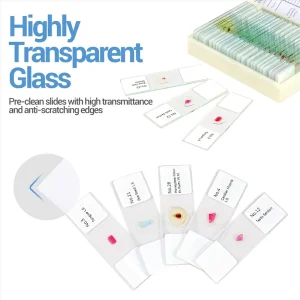
50-Piece Microbiology Slide Set Including Bacteria & Fungi
China 50pcs microbiology slides prepared for microscope, include bacteria and fungi Manufacturer, Service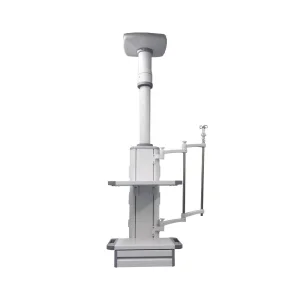
Hospital Room Pendant & Electric Surgical Gas Tower
China Medical Equipment Hospital Room Pendant Electric Surgical Gas Tower Quotes, Service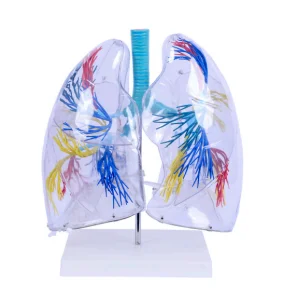
Clear Lung Segment Model for Clinical Education
OEM Clear lung segment model Manufacturers, Quotes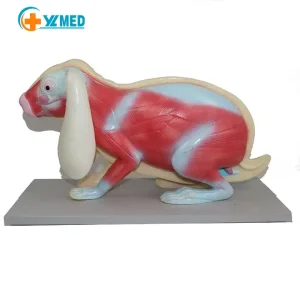
Advanced PVC Rabbit Anatomical Model
Wholesale Medical anatomy teaching advanced PVC rabbit model Rabbit anatomical model Factories, Quotes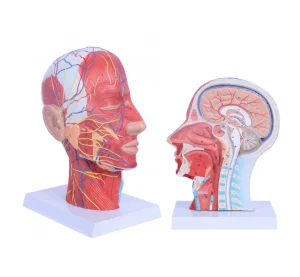
Life-Size Half Head & Brain Neurovascular Model
Wholesale Brain Model Human Half Head Superficial Neurovascular Model with Musculature, Life Size Anatomical Head Model Skull and Brain for Medical Teaching Learning Manufacturers, Quotes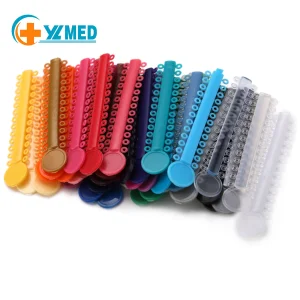
Orthodontic Ligature Ring Set — Mixed & Transparent Colours
ODM Cross-border dental ligature ring Orthodontic ligature ring rubber band color mixed color transparent ligature ring set of 40 pieces Factory, Pricelist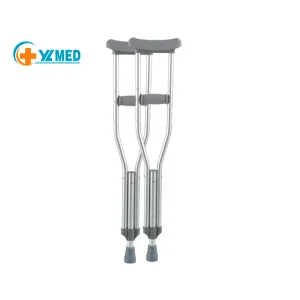
Height-Adjustable Adult Crutch with 300 lb Capacity
ODM [Copy] Medical Rehabilitation Adult Crutch Medium Weight Light Height Adjustable 300 Pounds Capacity Light Comfortable Cane for Easy Manufacturer, Factories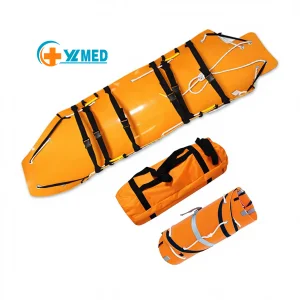
Portable Folding Stretcher & Multifunctional Rescue Basket
China Portable Folding Stretcher Roll Multifunctional Rescue Basket Light Weight Medical Emergency Rescue Ambulance Fire Rescue Load Quotes, ServiceNeed Specifications, a Manila Price List or a Tender Package? We Reply Within 24 Hours.
Tell us your target market, quantities, model preferences and certification requirements. Our product specialists will recommend suitable skeleton models and supporting products, share detailed specifications and propose an economical shipping plan for Manila.