Wholesale Skin Models & Clinical Training Products
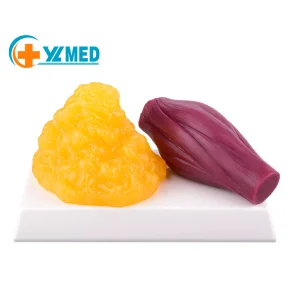
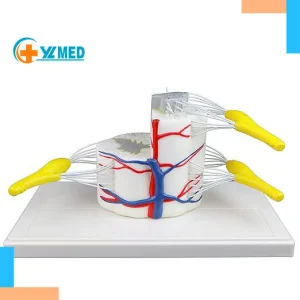
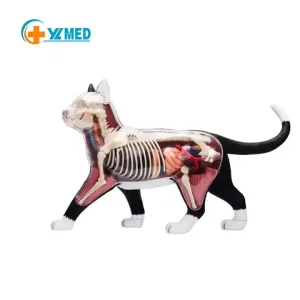
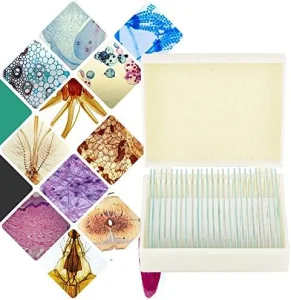
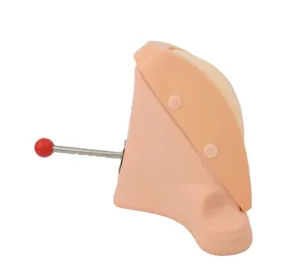
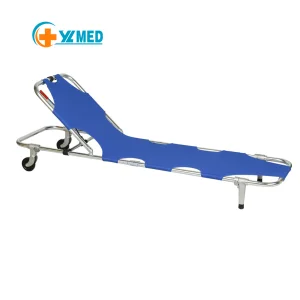
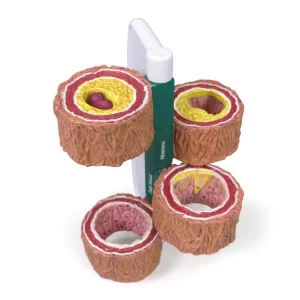
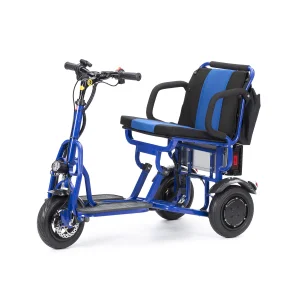
Eight buyer-ready products from the Yulin Medical range, shown with direct factory links. These items support anatomy demonstration, histology teaching, suture practice, emergency response, mobility care and broader clinical skills programmes.
More Than a Skin Model Supplier: an ISO 9001 Medical Education Manufacturing Partner
Henan Yulin Edu. Project Co., Ltd. (Yulin Medical) has built educational and medical training equipment in Xinxiang, China, for more than six decades. Our quality management system has been ISO 9001 certified since 2008, and our operating principle is simple: quality first, service first. Every order is produced and inspected so that distributors, medical universities, nursing colleges and hospitals receive consistent, well-documented products on every batch.
For buyers searching for wholesale skin model factories and service, the real question is not only who can mould a product. It is who can document the specification, control the material batch, protect the model in export transit, support private-label packaging and remain accountable after delivery. That is the role Yulin Medical plays within a ten-line product ecosystem that ranges from anatomy models and suture pads to CPR manikins and hospital furniture.
- Factory-direct supply across 10 product lines, from anatomy models to hospital furniture
- Private-label packaging and product design that raises your resale value
- Mixed-category orders consolidated into one shipment with one point of contact

Factory facts that affect your order
No. 8, Daoqing Road, Industry Park, Hongqi District, Xinxiang, Henan, China.
What Should a Wholesale Skin Model Factory Deliver?
A skin model is no longer a passive demonstration object. It is a training interface used to practise injection, incision, suturing, lesion recognition, dermatology consultation and patient communication. Professional buyers therefore evaluate realism, repeatability, documentation and lifecycle value together.
Material Realism
Multilayer silicone and elastomer skin models can simulate epidermis, dermis, subcutaneous tissue and fascia. Buyers should confirm hardness, tear resistance, colour stability and how the surface behaves after repeated needle puncture or suture tension.
Procedural Accuracy
For suture pads and skin models, anatomical landmarks and incision depth matter as much as appearance. A good factory defines the training task first, then selects material thickness, reinforcement and replaceable layers to match that task.
Curriculum Alignment
Medical schools and simulation centres usually need product families rather than single items. Wholesale service should cover anatomy models, prepared slides, CPR trainers, hospital equipment and consumables so programmes can be equipped through one accountable channel.
Total Cost of Ownership
Cheap skin models can become expensive if seams split, pigment migrates or replacement parts are unavailable. Evaluate packaging, repairability, replacement modules, documentation, lead time and after-sales response before comparing unit prices.
From a semantic search perspective, a wholesale skin model factory sits at the intersection of medical education, anatomical modelling, clinical simulation and healthcare procurement. The strongest suppliers are those that can explain these relationships clearly, because that clarity helps distributors choose the right SKU for each curriculum, not simply the lowest quotation.
Ten Product Lines Under One Quality System
Procurement teams can source simulation, laboratory and hospital equipment from one manufacturer instead of managing multiple suppliers, reducing documentation friction and shipment complexity.
Anatomy Models
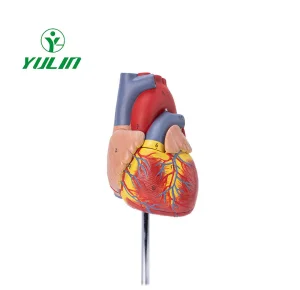
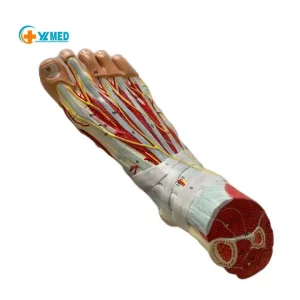
Torso, organ, heart, brain and muscle models with numbered structures for lectures and patient education.
Biology Prepared Slides and Accessories
Histology, botany and zoology prepared slides plus storage and microscope accessories for biology labs.
Dental Tools and Equipment
Dental teaching models, clinic lights, LED whitening units and endodontic instruments for training and practice.
General Teaching Models
Science demonstration models for primary schools, secondary schools and education equipment tenders.
Hospital Furniture and Equipments
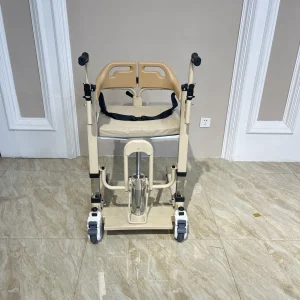
Stainless steel examination couches, stretchers, walkers and shower chairs built for daily clinical use.
Hospital Machine and Tools
Diagnosis and treatment devices and practical tools for wards, clinics and emergency departments.
Medical Apparatus and Instruments
Emergency splints, extrication devices, cervical traction and rehabilitation instruments.
Medical Nursing Model
Adult, child and neonatal CPR manikins, ACLS simulators and AED trainers for skills assessment.
Skeleton Models
Life-size and desktop skeletons, skulls, spines and joint models for osteology teaching.
Suture Pads and Kits
Realistic skin suture pads and complete instrument kits for surgical and wound-closure practice.
From Silicone Skin Models to Connected Simulation Ecosystems
The next competitive frontier for wholesale skin model factories is not simply a larger catalogue. It is the ability to connect physical realism with measurable training outcomes, digital content and repeatable procurement standards.
Multilayer Material Engineering
Future skin models will increasingly use engineered multilayer structures that replicate epidermis, dermis, fat, muscle and fascia. The goal is to make injection, incision, suturing and lesion excision feel closer to real tissue while maintaining consistent batch-to-batch behaviour.
Sensor-Enabled Skills Feedback
Pressure, insertion depth, suture tension and compression feedback can turn a passive model into an assessment tool. For CPR, suturing and vascular access training, sensor integration helps instructors standardise scoring and document learner progress.
Digital Anatomy Content
QR-linked anatomy guides, digital labels and 3D reference content can extend the classroom value of a physical model. This is especially useful for distributors who need multilingual teaching resources without redesigning the product itself.
Modular Pathology Sets
Replaceable skin patches with different lesions, wounds and tissue conditions allow one base model to support multiple courses. Modularity improves utilisation, lowers replacement cost and makes local market customisation more practical.
AI-Assisted Training Support
Although AI should not replace instructors, it can help with scenario generation, checklist scoring and post-session feedback. A credible factory roadmap should focus on reliable data capture and curriculum compatibility rather than superficial AI claims.
Sustainable and Clean Manufacturing
Durable materials, replaceable components, recyclable packaging and controlled production processes will become differentiators in public tenders. Buyers should ask for material documentation, packing optimisation and clear plans for spare parts.
A realistic roadmap moves in phases: first, improve material consistency and modularity; second, add documentation, QR content and pack-level traceability; third, introduce sensor or assessment options where the training task justifies the cost. For global distributors, this phased approach protects margin while keeping the catalogue relevant to evolving medical education standards.
From Classroom to Clinic: Procurement Solutions That Fit the Institution
Different buyers define “wholesale skin model service” differently. A medical university may need curriculum alignment, a distributor needs packaging and stock continuity, and a hospital may need after-sales support and mixed-category delivery.
Medical Schools and Universities
Bundle anatomy, histology slides, skeleton models and skin suturing products into a semester-ready package. Provide itemised specifications for faculty review and clear model numbering for exams.
Nursing and Simulation Centres
Match CPR manikins, AED trainers, nursing models, wound-care trainers and hospital furniture to course levels. Real-time feedback and replacement parts should be planned before the first order.
Dental, Dermatology and Aesthetic Training
Use realistic skin pads, injection practice models and anatomical references for technique demonstration. Buyers should confirm surface feel, lesion variety and whether consumable replacement sets are available.
Hospitals, Distributors and Tenders
Consolidate teaching models, emergency equipment and rehabilitation products into one shipment. Prepare specification sheets, packing lists and product documentation to support tender evaluation and import registration.
Documentation, Packaging and Market-Ready Support for Global Buyers
Compliance is a pathway, not a slogan. Yulin Medical supports buyers with product-specific documentation, private-label packaging and tender-ready information, while final regulatory obligations remain subject to destination-market requirements.
ISO 9001 Process Control
Our quality management system has been ISO 9001 certified since 2008. Incoming material checks, production inspection and final packing controls are documented to support repeat orders.
Tender and Import Files
Specification sheets, packing lists, product photos, model numbers and available certificates can be prepared on request to support tenders and import registration.
Private-Label Packaging
In-house design support can adapt labels, boxes, manuals and product presentation for distributor brands. Buyers should confirm language, warning statements and SKU barcodes before mass production.
Local Language Support
English is our primary export working language, and product documentation can be structured for local translation. Distributors can supply approved translated text for packaging and manuals.
After-Sales Readiness
Clear spare-part lists, replacement guidance and responsive communication help distributors support end users. For simulation products, consumable planning should be agreed before the first shipment.
For wholesale skin model factories and service, reliable localization means understanding how the product will be taught, stored and serviced after import. A model that arrives with the right label, the right teaching note and a realistic replacement plan creates far more value than a lower-priced unit that cannot be supported locally.
Supply Chain Resilience and Efficiency Advantages
China’s medical education supply chain has matured from low-cost production into an integrated system of tooling, moulding, inspection, packaging and export coordination. For global buyers, the advantage is not merely labour cost. It is the ability to coordinate complex orders, keep specifications stable and shorten the learning curve between sample approval and repeat production.
Yulin Medical operates with a practical Factory 4.0 mindset: standardised production documentation, centralised order follow-up, coordinated quality inspection, tooling maintenance and a stable network of long-term partner factories. This lets us support mixed-category shipments that combine skin models, anatomy models, slides, CPR trainers and hospital equipment for one distributor or institution.
Resilience also means planning for disruption. Dual sourcing of common materials, controlled packaging specifications, early booking of production slots and clear communication on lead times help buyers avoid stock-outs before academic terms, tenders or training seasons.
Operational readiness snapshot
Indicative strengths for buyer evaluation and supplier review; final project specifications are confirmed in the quotation.
What Large Buyers Expect from a Skin Model Factory
Large distributors and institutional buyers evaluate suppliers through a different lens from individual clinics. They need predictable quality, clear documentation, packaging consistency, tender support and a service model that scales across countries.
Tender-Ready Documentation
Product specifications, model numbers, material descriptions, photos, packing details and available certificates must be ready before the tender deadline, not after order confirmation.
One-Container Consolidation
Buyers increasingly want anatomy models, training manikins, slides and hospital equipment consolidated into one shipment. This reduces freight complexity and lowers the risk of split deliveries.
Private-Label and Packaging Control
Distributors need consistent brand presentation, correct language, barcode rules and protective packaging. Packaging quality directly affects return rates and shelf appeal.
After-Sales and Replenishment
Repeat orders depend on replacement parts, consumables and stable specifications. A responsive export team is as important as the factory’s production capacity.
Why Distributors and Institutions Partner with Yulin Medical
Four strengths overseas buyers consistently cite when they move long-term orders to our factory.
24/7 Responsive Service
Our team is online 24 hours a day, 7 days a week. Whatever your time zone, you receive a detailed answer as quickly as possible — typically within 24 hours.
Design and Packaging Team
In-house specialists deliver professional product design and private-label packaging that strengthens your brand and increases the added value of every unit you sell.
Professional Expertise
Our vision is to provide the most professional educational and medical training products from mainland China, built under ISO 9001 process control and decades of category knowledge.
60+ Years of Supply Stability
A factory with over 60 years of history and a deeply integrated partner supply chain lets us meet one-stop demands and keep lead times predictable on repeat orders.
A Transparent 5-Step Process for Overseas Buyers
From first conversation to delivery, every stage has a named contact and clear documentation, so you can plan stock, tenders and training schedules with confidence.
Share Requirements
Send product types, quantities, target market and any tender or certification needs.
Catalog and Proposal
Receive matched models, specifications, packaging options and shipping suggestions.
Sample Evaluation
Test samples with your instructors or clinicians before confirming bulk production.
Production and QC
Manufacturing and inspection follow our ISO 9001 quality management system.
Export and Support
Protective export packing, delivery coordination and responsive after-sales service.
News and Buyer Guidance from Our Specialists
Exhibition updates and hands-on guidance written by the team that designs, manufactures and exports our products.

Do You Really Know How to Observe Biological Prepared Slides?
Many plant and animal cell structures can only be studied under a microscope, which makes prepared biological slides essential in every biology lab. Yet many users never get the full value from them. Our specialists explain how to handle, focus and store slides correctly so students see clearer detail and your slide sets last for years.

The 5th Henan Provincial Educational Equipment Expo Concludes Successfully
Themed “Digital Leading Innovation and Development”, the expo reached a record 50,000 m² with 600+ brands and 10,000+ products on display, showcasing the latest educational equipment.

Inside Our Product Showroom
A look at the medical teaching models and training equipment buyers can inspect in person when visiting our Xinxiang facility.
FAQ: Wholesale Skin Model Factories and Service
Straight answers to the questions procurement managers ask most before placing a first order.
Is Yulin Medical a manufacturer or a trading company?
What quality certification do you hold?
Do you support OEM, private label and custom packaging?
How do I choose the right CPR training manikin?
How quickly will I receive a reply?
What is the minimum order quantity for wholesale skin models?
Can skin models be customised for our training programme?
How are products protected during international shipping?
Can you provide documents for tenders and import registration?
How should a distributor evaluate a wholesale skin model factory?
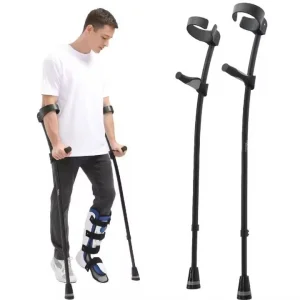
Additional Skin, Anatomy and Clinical Care Models
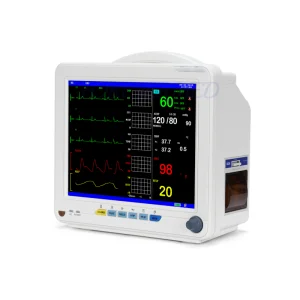
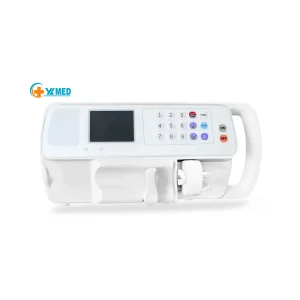
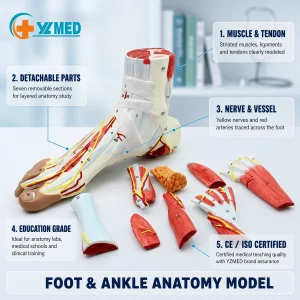
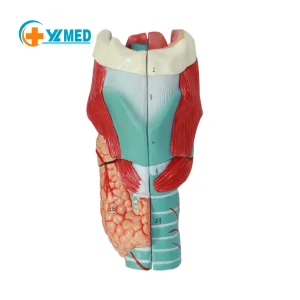
Eight further products from the Yulin Medical range, preserving direct product links for distributor review, quotation and tender preparation.
Need Specifications, a Price List or a Tender Package? We Reply Within 24 Hours.
Tell us your target market, quantities and certification requirements. Our product specialists will recommend suitable models, share detailed specifications and propose the most economical shipping plan for your order.
Henan Yulin Edu. Project Co., Ltd. · No. 8, Daoqing Road, Industry Park, Hongqi District, Xinxiang, Henan, China