Wholesale Mannikin Child Cpr Manufacturers & Pricelist
Factory-direct pediatric CPR training manikins, OEM/private-label supply, export documentation, and a responsive pricelist process for distributors, medical schools, hospitals, EMS programs, and government tender suppliers.
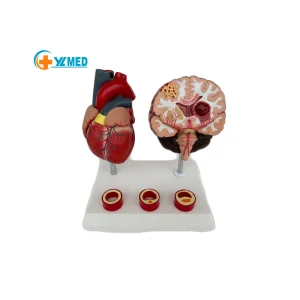
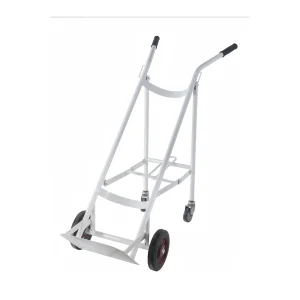
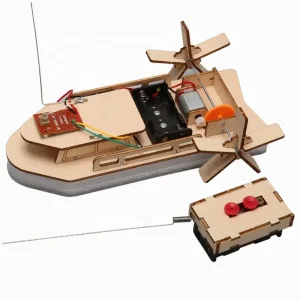
First 8 Wholesale Products for Child CPR and Clinical Training Programs
These eight product links are retained for direct buyer access. They support a broader procurement strategy that combines pediatric CPR training with anatomy, emergency care, hospital furniture, and general teaching resources from one accountable manufacturer.
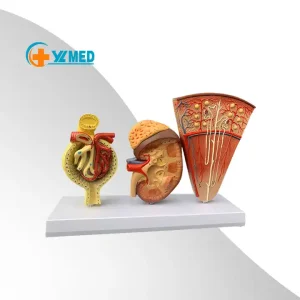
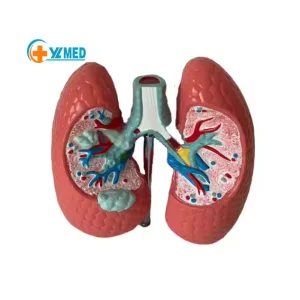
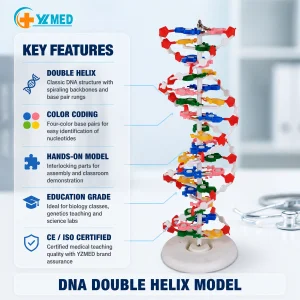
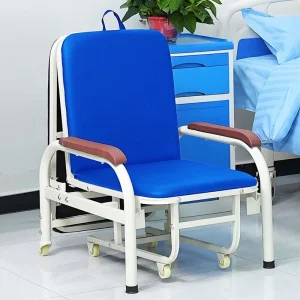
Why Wholesale Mannikin Child CPR Is Now a Strategic Sourcing Category
Wholesale buyers searching for Mannikin Child CPR manufacturers are usually solving a multi-layer problem. A distributor may need a reliable private-label range; a medical school may need dozens of child units for a pediatric advanced life support course; an EMS agency may need durable units that survive daily skills checks; and a government tender may require consistent documentation across hundreds of units.
The common thread is not the lowest unit price. It is predictable training performance across batches, plus the confidence that replacement parts, instructions, packaging, and after-sales support will arrive as specified. In that sense, child CPR manikins are closer to training infrastructure than to a simple catalogue item.
Procurement insight: Yulin Medical's experience since 1958 shows that child CPR manikin demand grows when training providers move from occasional awareness courses to structured, repeatable pediatric resuscitation programs. In that transition, purchasing shifts from one-off catalog orders to annual framework orders with documented specifications and spare-parts planning.
Industry Trends Reshaping Child CPR Mannikin Design and Demand
Pediatric resuscitation training is becoming more specific, more measurable, and more integrated with digital course administration. These six trends are shaping what distributors, schools, and clinical training centers ask for in a wholesale program.
Guideline-Aligned Pediatric Realism
Child CPR differs from adult CPR in compression depth, hand placement, ventilation volume, and airway positioning. Wholesale child manikins increasingly need age-specific chest compliance and clearly marked landmarks. Buyers should request verification that feedback thresholds can be adjusted for the training protocol used in their market.
Real-Time Feedback and Objective Assessment
LED or digital feedback for compression rate, depth, recoil, and ventilation is becoming a baseline expectation. The strongest value is not the display itself but the consistency of the feedback algorithms across a batch, so instructors can compare learner performance fairly across classrooms and cohorts.
Blended and Remote Learning
Many training providers now blend online theory with in-person skills checks. Manikins that pair with simple apps, QR-linked instructions, or standardized assessment sheets help training centers run higher-throughput courses without losing evidence of competence. This is especially relevant for multi-site distributors.
Hygiene and Consumable Economics
Face pieces, lung bags, and airway components are recurring costs. Wholesale buyers compare not only unit price but the cost per training cycle, availability of sanitizable surfaces, and the ability to source replacement consumables without long lead times. Hygiene design is now part of product value.
Modular Durability and Serviceability
Institutional buyers prefer designs with replaceable chest springs, airway assemblies, and skin covers. Modular construction reduces downtime, supports local repair, and lowers total cost of ownership compared with sealed units that must be replaced after heavy use. Serviceability is a procurement differentiator.
Documentation, Packaging, and Local Compliance
A manikin that is perfect in the showroom can fail procurement if manuals, labels, packaging, and declarations are not aligned with the buyer's market. Suppliers that provide organized documentation and private-label packaging reduce friction for distributors, tender managers, and import teams.
Global Enterprise Procurement Demand: What Buyers Actually Evaluate
Demand for child CPR training manikins is shaped by training infrastructure, not by a single price point. Distributors in mature markets often demand documentation depth and after-sales responsiveness; schools and NGOs in fast-growing markets often prioritize durability, replaceable parts, and predictable landed cost.
Medical Schools and Simulation Centers
They specify anatomical accuracy, feedback reliability, and availability of curriculum support. Purchases may be funded by grants, so itemized quotations, clear packing lists, and documented specifications matter as much as the product itself.
Hospitals and EMS Training Programs
They need units that withstand repeated use, integrate with AED trainers, and support pediatric advanced life support scenarios. Spare parts and fast response are often more important than a small price difference because downtime interrupts scheduled training.
Vocational Schools and First-Aid Trainers
They buy in volume and care about cost per learner, storage footprint, and easy cleaning. Private-label manuals, branded carry bags, and simple maintenance kits can improve course presentation and repeat purchase rates.
Distributors and Tender Suppliers
They need stable batch quality, OEM packaging, consistent carton marking, and documentation ready for tender files. Mixed-category consolidation with anatomy models and hospital equipment can reduce supplier management costs and shipping complexity.
Planning note: This chart is an illustrative buyer-emphasis index for internal sourcing discussions, not a market forecast or a statistical claim. Actual requirements should be confirmed through your tender documents, training protocols, and local regulatory review.
A Macro Industry Solution Blueprint for Distributors and Institutions
Buyers rarely purchase a single manikin in isolation. They build a training capability that includes equipment, consumables, documentation, instructor support, and a reliable replenishment path. A manufacturer that understands this system view can reduce total procurement risk.
One-Stop Category Consolidation
Yulin Medical's ten product lines allow distributors to combine child CPR training manikins with anatomy models, skeleton models, hospital furniture, and lab supplies. One shipment, one contact, and one quality system reduce administrative load and improve delivery planning.
OEM and Private-Label Program
In-house design support covers packaging, manuals, labels, and presentation. For distributors, private label is not cosmetic; it creates a defensible product line, improves resale value, and helps local sales teams present a coherent training solution.
Sample-to-Bulk Validation
A structured sample stage lets instructors test chest compliance, feedback response, airway function, and cleaning routines before bulk production. Buyers should document the approved sample and reference it in the purchase order to align expectations across both teams.
Export Packaging and Mixed Shipments
Protective packaging, carton markings, and consolidation plans help buyers avoid damage and customs confusion. For tender deliveries, consistent labeling and packing lists are part of the product experience, not an administrative afterthought.
Localization Support and Compliance Safeguards for Global Buyers
Compliance is not only a certificate. It is the alignment of product documentation, language, labeling, packaging, and claims with the requirements of the destination market. For training manikins, the buyer's intended use and local classification rules are central.
Documentation Pack
ISO 9001 certification, product specifications, material information, and available test reports can be organized for tender and import review. Buyers should confirm the exact documents required by their regulator, customs broker, or tender authority before ordering.
Language and Training Support
English manuals are standard for export. Additional language support, quick-start cards, and instructor reference sheets can be developed for private-label programs, helping local instructors use the manikin consistently and reduce training errors.
Labeling and Packaging Localization
Retail-ready packaging, barcodes, warning labels, and market-specific artwork help distributors move products from container to shelf or classroom with less rework. Clear carton marks also support warehouse teams and customs checks.
After-Sales and Spare Parts
Replacement face pieces, lungs, springs, and airway components should be planned at the quotation stage. A spare-parts matrix reduces downtime and protects the buyer's service reputation, especially in markets where reordering takes weeks.
Regulatory note: Training manikins may be classified differently from medical devices depending on the country and intended use. The buyer remains responsible for confirming local registration, labeling, import, and claims requirements. Yulin Medical can provide product documentation on request, but this article is not legal or regulatory advice.
Technology Roadmap and Future Outlook for Child CPR Mannikin Supply
The next competitive frontier is not simply a more realistic face. It is a more measurable, serviceable, and connected training platform that helps institutions prove learning outcomes and control lifecycle cost.
Sensor and Feedback Integration
Next-generation child CPR manikins will use more stable sensor arrays for compression depth, rate, recoil, and ventilation. The goal is not more data, but comparable data across classrooms and cohorts so instructors can make consistent pass/fail decisions.
Materials and Skin Realism
Softer, more durable skin materials and realistic chest compliance improve the transfer of skills from simulation to clinical practice. Material choices must also support cleaning protocols, repeated use, and long service life in training centers.
Connectivity and Learning Analytics
QR codes, NFC tags, and app-linked instructions can connect a manikin to course records. For wholesalers, this creates opportunities to bundle training content, maintenance reminders, and consumables into a recurring service proposition.
Circular Design and Serviceability
Modular components, repairable joints, and recyclable packaging will become procurement differentiators as institutions track total cost of ownership and sustainability. Serviceability also protects buyers in markets with long shipping cycles.
Future Outlook: Three Signals to Watch
These signals can help distributors and procurement teams plan their next annual buying cycle.
Simulation as a Service
Training providers may increasingly bundle equipment, consumables, maintenance, and course updates into recurring service agreements. Manufacturers with reliable spare-parts supply and documentation will be better positioned to support this model.
Regional Training Hubs
As pediatric resuscitation programs expand, regional training hubs will need standardized equipment across multiple sites. Batch consistency, private-label packaging, and local language support will become more important than single-unit pricing.
Evidence-Based Procurement
Buyers will increasingly ask for product performance evidence, maintenance schedules, and lifecycle cost comparisons. Suppliers that provide clear specifications and documentation will reduce evaluation risk and shorten tender cycles.
Pricelist Intelligence: Specification Checklist for Child CPR Mannikin Buyers
A pricelist for Wholesale Mannikin Child CPR should not be a single price line. Because configurations vary by feedback system, airway type, carrying bag, replacement parts, and packaging, the most reliable pricelist is built from a specification matrix.
| Specification area | Why it matters | What to request in the pricelist |
|---|---|---|
| Anatomical model | Child chest size, landmark clarity, and airway proportions affect training realism and learner confidence. | Age profile, torso dimensions, chest compliance description, and available replacement skins. |
| Feedback function | Compression depth, rate, recoil, and ventilation feedback must align with the course protocol used by the buyer. | Feedback type, accuracy claims, display or light indicators, and calibration notes. |
| Airway and ventilation | Airway management and lung-bag replacement are major lifecycle cost drivers. | Airway design, lung-bag compatibility, face-piece options, and consumable pack pricing. |
| Consumables and spares | Downtime can disrupt scheduled courses and tender delivery milestones. | Recommended spare-parts kit, replacement interval, and minimum order quantity. |
| Packaging and branding | Distributors need retail-ready or tender-ready packaging that protects the product in transit. | Carton dimensions, master carton quantity, private-label artwork options, and barcode support. |
| Documentation and compliance | Tender files and import reviews often depend on organized product documentation. | ISO certificate, product specification sheet, material information, and available test reports. |
Quotation tip: To speed up a pricelist response, include target quantity, destination country, training protocol, private-label requirements, spare-parts expectations, and whether the order will be used for a public tender.
Manufacturer E-E-A-T Profile: Experience, Expertise, Authority, and Trust
For education and clinical training products, buyers should look for verifiable manufacturing history, quality systems, product breadth, and responsive service. The following facts are drawn from Yulin Medical's company profile and can be discussed during supplier qualification.
Six Decades of Manufacturing
Founded in 1958, Henan Yulin Edu. Project Co., Ltd. has grown into a manufacturer integrating research, production, and sales. Longevity is not proof of quality by itself, but it does indicate process stability and long-term supply-chain relationships.
ISO 9001 Since 2008
The quality management system has been ISO 9001 certified since 2008. Product-specific documentation can be provided on request for tenders and import registration, helping buyers prepare a more complete supplier file.
Scale and People
Registered capital of RMB 120 million and more than 200 professional employees support product development, manufacturing, inspection, and export. This scale allows mixed-category orders to be coordinated through one contact point.
Ten Product Lines
Anatomy models, biology prepared slides, dental tools, general teaching models, hospital furniture, hospital machines, medical instruments, nursing models, skeleton models, and suture kits can be consolidated into one shipment plan.
OEM and Design Capability
An in-house design team supports private-label packaging and product presentation for distributors. This increases shelf appeal, strengthens local brand ownership, and improves resale value in competitive education and medical channels.
Contact and Location
No. 8, Daoqing Road, Industry Park, Hongqi District, Xinxiang, Henan, China. Export team: [email protected]; +86-13503800666. The team is online 7 days a week and typically replies within 24 hours.
FAQ: Wholesale Mannikin Child CPR, OEM Supply, and Pricelist Questions
These answers address the questions procurement managers, distributors, and training institutions ask before placing a first or repeat order.
Is Yulin Medical a manufacturer or a trading company?
What quality certification does Yulin Medical hold?
Do you support OEM, private label, and custom packaging?
How do I choose the right child CPR manikin for wholesale distribution?
How is a wholesale pricelist determined?
How quickly will I receive a reply?
Additional 8 Wholesale Products for One-Stop Medical and Educational Procurement
The second product selection below supports buyers who want to consolidate child CPR training manikins with anatomy models, hospital furniture, rehabilitation aids, and emergency equipment. Each product link is preserved for direct inquiry and pricelist access.
Need a Wholesale Mannikin Child CPR Pricelist?
Send your target quantity, destination market, training protocol, and private-label requirements. The export team will respond with suitable models, specifications, and shipping suggestions.
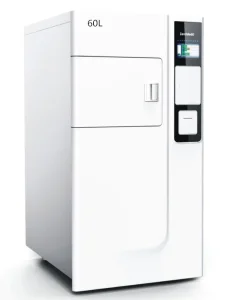
Wholesale Medical Plasma Sterilizer H2o2 Plasma Sterilizer Medical Low Temperature Plasma Sterilizer Manufacturer, Service