Hospital Equipment & Clinical Training Products for Consolidated Sourcing
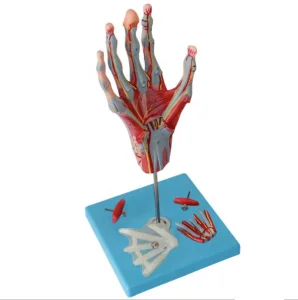
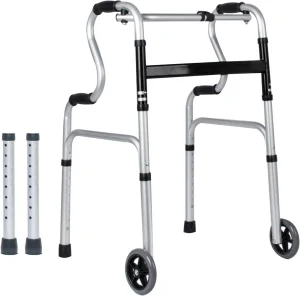
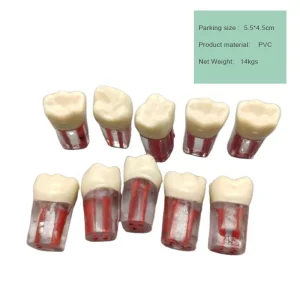
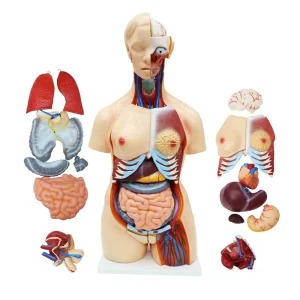
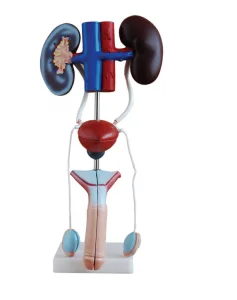
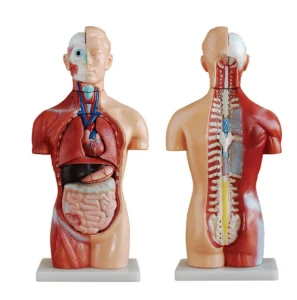
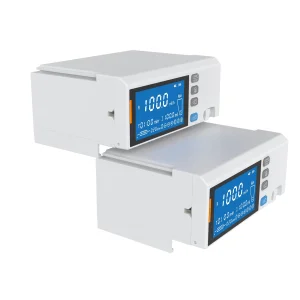
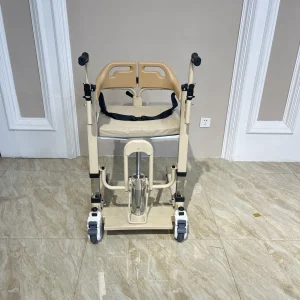
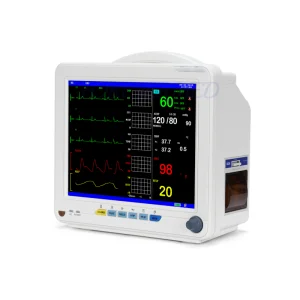
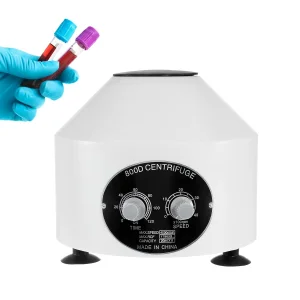
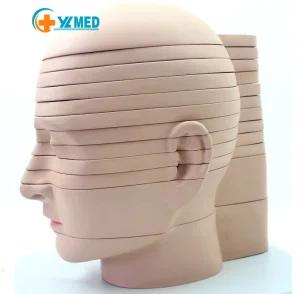
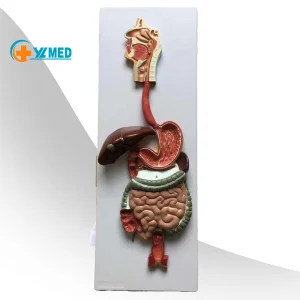
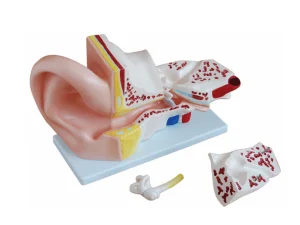
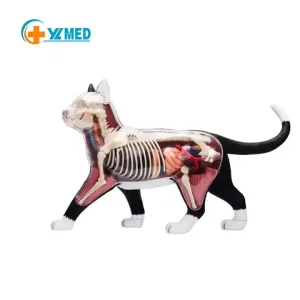
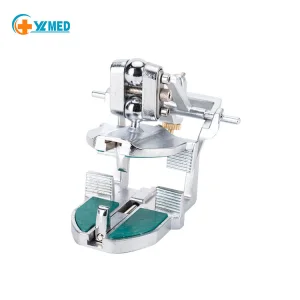
The first eight products below are part of the wider Yulin Medical hospital equipment and medical teaching range. They can be reviewed together with a syringe pump enquiry to reduce supplier count, simplify inspection and consolidate export shipments.
Wholesale Hospital Syringe Pump Pricelist & Service: What Buyers Really Need
A buyer searching for a wholesale hospital syringe pump pricelist usually wants more than a single unit price. The real intent is to benchmark budget, confirm configuration, verify compliance and understand the service model before a tender, distributor launch or hospital replacement cycle.
Price Benchmarking
A credible pricelist should separate the pump unit price, battery, power cord, mounting clamp, spare parts kit, freight, warranty and optional service package. This lets procurement teams compare offers without hidden cost gaps.
Configuration Clarity
Syringe pump pricing changes with flow range, syringe size recognition, bolus modes, drug library capacity, alarm profile, connectivity, battery runtime, ingress protection and interface language.
Service Capability
Service is not a line item to add at the end. Confirm warranty terms, response time, spare parts availability, calibration support, firmware policy, user training and escalation channels.
Compliance Evidence
For import registration and hospital audits, request technical files, IEC 60601 safety reports, EMC documentation, manufacturer ISO 13485 evidence, UDI and labeling samples, and market-specific certificates.
Quick answer: what should a wholesale quotation include?
A useful hospital syringe pump quotation should show the exact model, flow-rate range, syringe compatibility, battery runtime, alarm functions, interface language, power plug, packaging, MOQ, lead time, warranty, spare-parts recommendation and Incoterm. If a supplier sends only one number without these variables, the price is difficult to budget and almost impossible to compare fairly.
Why China Factories Remain Competitive for Syringe Pump & Hospital Equipment Programs
China’s medical device supply chain combines electronics, precision moulding, battery packs, sensors, packaging and export logistics in a mature ecosystem. For overseas distributors, the advantage is not simply lower unit cost; it is faster customization, reliable component access and the ability to consolidate multiple hospital product lines.
Mature Component Ecosystem
Motors, sensors, batteries, PCBs, injection-moulded housings and packaging are available within a short supply radius. This supports faster sampling, engineering changes and repeat production.
OEM/ODM & Private Label
Yulin Medical maintains an in-house design and packaging team. Distributors can request private-label packaging, product presentation and market-specific manuals to increase resale value.
ISO 9001 Process Control
Henan Yulin Edu. Project Co., Ltd. has held ISO 9001 certification since 2008. Production, inspection and export documentation follow controlled processes to support tenders and repeat orders.
Export Consolidation
Syringe pump enquiries can be coordinated with monitors, hospital furniture, anatomy models, simulators and training equipment. One point of contact and one shipment reduce administrative load.
What Drives the Quoted Price of a Hospital Syringe Pump?
Hospital syringe pumps are not commodity items with one fixed price. The quotation changes according to clinical performance, safety features, documentation, customization, order quantity and service commitment. This is the information gain that helps buyers compare offers properly.
Flow Accuracy & Mechanism
Accurate low-rate delivery, smooth startup, anti-bolus control and mechanical stability influence component quality and calibration effort, which directly affect cost.
Syringe Size Recognition
Support for multiple syringe brands and sizes, automatic recognition and customizable libraries increase engineering complexity but improve clinical efficiency.
Safety Alarms & Drug Library
Occlusion alarms, air-in-line detection, near-end alerts, dose-error reduction software and event logs are important differentiators for ICU, OR and oncology use.
Battery & Portability
Battery chemistry, runtime, charging strategy and weight affect ambulance, transfer and emergency use. Extended runtime and hot-swap options usually increase unit cost.
Connectivity & Data
Wi-Fi, wired network, nurse-call integration, HIS/EMR connectivity and cybersecurity controls add value for hospital-wide infusion management but require development and testing.
Certification & Documentation
Technical files, IEC 60601 reports, EMC data, ISO 13485 documentation and local registration support are not free. Strong documentation lowers import and tender risk.
MOQ & Customization
Private label, custom color, local language interface, custom packaging and special accessories require set-up time. Higher volumes usually improve the quoted unit price.
Packaging, Freight & Warranty
Export cartons, battery shipping rules, insurance, Incoterms, warranty length and spare-parts commitment all affect the landed cost. Always compare total cost, not FOB alone.
Quotation comparison checklist
- Request the same flow-rate range, syringe compatibility and alarm package from every supplier.
- Confirm whether battery, clamp, pole, power cord, manual and spare fuse are included.
- Ask for the calibration method, recommended calibration interval and available test equipment.
- Check warranty exclusions, repair turnaround time and spare-parts stocking plan.
- Confirm the Incoterm, packaging standard, battery documentation and shipping insurance.
- Compare 3-year total cost of ownership, not only the initial FOB price.
What “Service” Should Include in a Wholesale Syringe Pump Order
For hospitals and distributors, after-sales service is part of product performance. A strong service plan protects clinical uptime, reduces emergency purchases and makes the supplier easier to defend during audits and tenders.
Pre-Sales Configuration Review
Share your clinical setting, target market, voltage, language, quantity and tender requirements. The supplier should recommend a configuration that fits the actual use case rather than pushing a generic model.
Factory QC & Pre-Shipment Inspection
Confirm the inspection plan, functional test records, calibration check, packaging drop protection and photo documentation before shipment. This is especially important for repeat wholesale orders.
Clinical Training & User Materials
User manuals, quick-start guides, alarm explanations, cleaning instructions and training videos reduce commissioning time. Local-language documentation may be available for volume projects.
Spare Parts & Accessories
A practical recommendation should include battery packs, power cords, clamps, fuses, door assemblies and other high-wear parts. Stocking a small spare-parts kit prevents downtime.
Warranty & Repair
Define the warranty period, covered components, exclusions, RMA process and repair turnaround time in the purchase order. Clear terms prevent disputes and support hospital maintenance planning.
Calibration & Preventive Maintenance
Ask for the recommended calibration interval, test method, preventive-maintenance checklist and firmware update policy. A documented service schedule supports biomedical audits.
Localized Clinical Application Scenarios for Hospital Syringe Pumps
Different departments need different syringe pump features. A tender for an ICU may prioritize drug libraries and connectivity, while a distributor for ambulatory services may prioritize battery runtime, weight and simple operation.
ICU & High-Acuity Care
Continuous vasoactive infusions, precise low-rate delivery, occlusion alarms and drug libraries are essential. Connectivity and event logs help with quality review.
NICU & Pediatric Care
Micro-volume delivery, accurate low flow rates and careful alarm design are critical. Small syringes and clear user interfaces help reduce medication errors.
Operating Room & Anesthesia
Rapid setup, stable delivery, bolus control and clear alarms support anesthesia and procedural sedation. Mounting options and battery backup improve workflow.
Emergency Department
Fast startup, simple controls, long battery life and robust construction are valued in resuscitation and emergency rooms where equipment is moved frequently.
Oncology & Infusion Therapy
Accurate flow, clear programming and event records support chemotherapy and continuous infusion protocols. Drug libraries and color-coded interfaces help reduce setup errors.
General Wards
Reliable delivery, easy cleaning, intuitive operation and low maintenance cost matter most in high-volume ward use. Standardization across floors simplifies training.
Ambulance & Transfer
Lightweight design, secure mounting, vibration tolerance and extended battery runtime support pre-hospital and inter-facility transport.
Home & Extended Care
Portable units, quiet operation, simple caregiver training and reliable service support are important for home infusion and long-term therapy programs.
From a Single Pump Order to a Hospital-Wide Infusion Ecosystem
A wholesale syringe pump purchase becomes more valuable when it is planned as part of a broader clinical and commercial system. Distributors and hospitals should think beyond the unit price and define standardization, training, maintenance and documentation from the beginning.
Hospital Standardization
Standardize pump families, accessories, drug libraries and alarm settings across departments to reduce training burden and simplify biomedical management.
Distributor Market-Entry Kit
Combine product samples, technical files, catalogues, user manuals, spare-parts recommendations and marketing images to support registration and launch.
Tender-Ready Consolidated Package
Coordinate syringe pumps, infusion pumps, monitors, hospital furniture and training models in one bid. Consistency in documentation and delivery reduces tender risk.
Biomedical Service Enablement
Provide test procedures, spare-parts lists, calibration guidance and maintenance schedules so the local team can service equipment with confidence.
Need a syringe pump pricelist or a consolidated hospital quotation?
Send your target market, clinical department, estimated quantity, required certifications and preferred Incoterm. Our export team will structure a quotation with product options, documentation and service recommendations.
Global Buyer Requirements Before a Wholesale Purchase Order
Every market has different registration rules, electrical standards and hospital expectations. A supplier that understands export documentation can reduce delays and make the product easier to defend during audits.
Regulatory Fit
Confirm which certificates and technical reports are required in your country. Depending on the target market, buyers may request CE-related evidence, FDA documentation for the US, local registration support or hospital-specific audit files.
Electrical & Language Requirements
Specify voltage, plug type, power cord length, interface language, manual language and date format. These details affect usability and must be confirmed before production.
Traceability & Labeling
Request serial-number control, UDI labeling where applicable, manufacturing dates, warranty labels and packaging marks. Traceability supports recalls, maintenance records and hospital asset management.
Battery & Shipping Logistics
Battery-containing medical devices may require UN38.3 documentation, safe packaging and carrier approval. Plan air, sea or courier shipment with the correct documents from the start.
Spare Parts & Service Network
Distributors should discuss spare-parts stocking, engineer training and escalation channels. A small local kit plus remote support can reduce downtime significantly.
Training & Documentation
Provide clinical training materials, quick-reference cards and maintenance checklists. Good documentation helps distributors train end users consistently across regions.
Industry Trends Shaping Hospital Syringe Pump Demand
The syringe pump market is moving toward safer programming, better data visibility and stronger lifecycle service. Procurement decisions made today should anticipate the hospital’s needs over the next equipment cycle.
Smart Infusion Safety
Drug libraries, dose-error reduction software, barcode scanning and alarm analytics are becoming more important in high-risk medication delivery.
Interoperability
Hospitals increasingly expect pumps to integrate with EMR, nursing call systems and central monitoring. Connectivity should be planned with cybersecurity controls.
Portable & Battery-Driven Care
Emergency, transport and home-care expansion increases demand for lightweight pumps with long battery runtime and secure mounting options.
Data-Driven Maintenance
Event logs and usage data help biomedical teams plan preventive maintenance and identify recurring alarms before they become service incidents.
Total Cost of Ownership
Hospitals are comparing purchase price with battery replacement, calibration, spare parts, training and downtime. Suppliers with clear lifecycle costs win trust.
Localized Compliance
Registration, language, labeling and cybersecurity requirements continue to vary by market. Export-ready documentation is becoming a competitive advantage.
Why Distributors and Institutions Partner with Yulin Medical
Henan Yulin Edu. Project Co., Ltd. was founded in 1958 and has grown into a manufacturer that integrates research, production and sales of medical teaching models, simulation training products and hospital equipment. Our quality management system has been ISO 9001 certified since 2008, and our working principle is simple: quality first, service first.
24/7 Responsive Service
Our export team is online seven days a week and typically replies within 24 hours with specifications, catalogs and shipping options, whatever the buyer’s time zone.
Design & Packaging Team
In-house specialists develop private-label packaging and product presentation for distributors. This raises shelf appeal and supports higher resale value in the destination market.
Professional Category Expertise
With more than 60 years of manufacturing history and 200+ professional staff, we support anatomy models, CPR manikins, dental products, hospital furniture, medical instruments and more.
One-Stop Supply Stability
Our factory and long-term partner network help meet mixed-category orders. Buyers can consolidate teaching models, hospital equipment and related clinical products with one point of contact.
A Transparent 5-Step Process for Overseas Buyers
Every stage should have a named contact and clear documentation, so procurement teams can plan stock, tenders and training schedules with confidence.
Share Requirements
Send product types, quantities, target market, clinical use and any tender or certification needs.
Catalog & Proposal
Receive matched models, specifications, packaging options, service options and shipping suggestions.
Sample Evaluation
Test samples with your instructors, clinicians or biomedical team before confirming bulk production.
Production & QC
Manufacturing and inspection follow controlled processes under our ISO 9001 quality management system.
Export & Support
Protective export packing, delivery coordination, documentation and responsive after-sales service.
Original Product Categories for Mixed-Category Sourcing
These ten product lines help procurement teams source medical education, simulation, dental, laboratory and hospital equipment from one accountable manufacturer instead of managing multiple suppliers.
Frequently Asked Questions from Importers and Hospitals
Straight answers to the questions procurement managers ask most before placing a first order for hospital equipment, syringe pump projects or consolidated medical teaching supplies.
Is Yulin Medical a manufacturer or a trading company?
We are a manufacturer. Henan Yulin Edu. Project Co., Ltd. was founded in 1958 and operates its own factory in Xinxiang, Henan, China, with more than 200 professional staff. For one-stop orders, we also coordinate a stable network of long-term partner factories.
What quality certification does Yulin Medical hold?
Our quality management system has been ISO 9001 certified since 2008. Product-specific documentation can be provided on request for tenders and import registration.
Do you support OEM, private label and custom packaging?
Yes. Our in-house design team develops private-label packaging and product presentation for distributors to increase shelf appeal and resale value.
How do I choose the right CPR training manikin?
Match the manikin to the learner group: adult, child or neonatal. Check that real-time feedback covers compression depth, rate and ventilation, confirm alignment with current AHA resuscitation guidelines, and decide whether AED training integration is required.
How quickly will I receive a reply?
Our export team is online 7 days a week and typically replies within 24 hours with catalogs, specifications and shipping options.
What information is needed for a wholesale hospital syringe pump quotation?
Provide the intended clinical department, target market, required certifications, annual or initial quantity, flow-rate requirements, syringe sizes, language, voltage, plug type, preferred Incoterm and whether OEM branding is needed.
Can syringe pumps be supplied with OEM branding and local language?
For volume projects, discuss private-label branding, local-language interface, manuals, packaging and label customization with the export team. Requirements must be confirmed before production because they affect tooling, documentation and lead time.
Which certificates should I request for my market?
Ask for the exact certificates required by your regulator and hospital tender. Common requests include technical files, IEC 60601 safety reports, EMC documentation, manufacturer ISO 13485 evidence, labeling samples and market-specific registration support.
How do you control quality before shipment?
Quality control should include component inspection, production checks, functional testing, calibration verification, packaging inspection and pre-shipment photo or video records. Our ISO 9001 system supports documented inspection and traceability.
What service and spare-parts plan is recommended?
A practical plan includes a starter spare-parts kit, battery stock, power cords, clamps, fuses, user manuals, maintenance checklists and a clear RMA process. For distributors, engineer training and remote technical support can reduce downtime.
Can I consolidate syringe pumps with other hospital and teaching products?
Yes. Yulin Medical supports mixed-category sourcing across anatomy models, nursing simulators, dental products, hospital furniture, medical instruments and related hospital equipment. Consolidation reduces suppliers, paperwork and shipping complexity.
How should I compare total cost of ownership?
Compare unit price, accessories, battery replacement, calibration, spare parts, warranty, training, freight, insurance, import duties and expected downtime. The lowest initial price is not always the lowest lifecycle cost.
More Hospital Equipment & Medical Teaching Products
The final eight products below complete the featured range. They can be combined with syringe pump enquiries, hospital furniture, diagnostic equipment and clinical training models for consolidated sourcing from China.