ISO 9001 Certified Factory Since 2008 · Manufacturing Since 1958
OEM Training Arm Injection Model Manufacturer & Factory
Custom silicone and PVC injection training arms for nursing schools, medical universities, hospital skills labs and global distributors—backed by a six-decade Chinese manufacturing base, private-label packaging, tender documentation and consolidated export supply.
Product Display · First 8 References
Featured Training, Anatomy & Clinical Product References
The product reference library below places related OEM training models beside our broader medical education catalog. For a dedicated training arm injection model project, our team can align these mixed-category products with your nursing curriculum, replacement-part plan and private-label program.
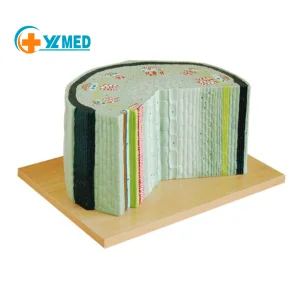
Wholesale Dicotyledonous plant stem model Factories, Service
View Product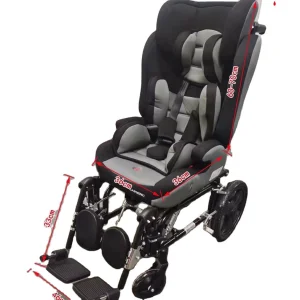
China High Quality Aluminum Alloy Frame Children's Wheelchair Cerebral Palsy 2-12 Years Old Purple Color Detachable Legrest Manual Pricelist, Quotes
View Product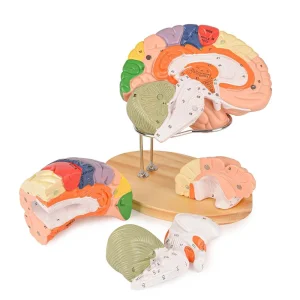
China Human Brain Model for Neuroscience, Brain Model Labeled with Study Guide, for Science Education Study Display Manufacturer, Factory
View Product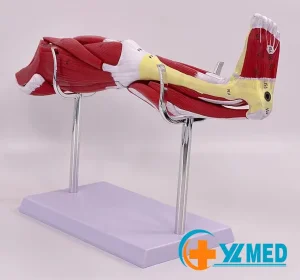
OEM New design Artificial Muscle leg Anatomy model for medical teaching use with 13parts Model Manufacturers, Factory
View Product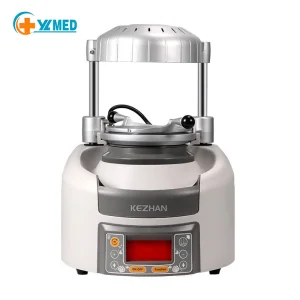
Wholesale Dental pressing machine Oral intelligent full-automatic vacuum forming machine Dental braces orthodontic retainer film pressing Manufacturers, Service
View Product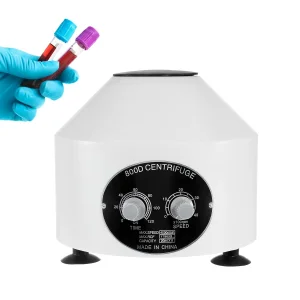
OEM Electric Centrifuge Machine Desktop Laboratory Benchtop Centrifuges Lab Medical Practice with Timer and Speed Control Factories, Service
View Product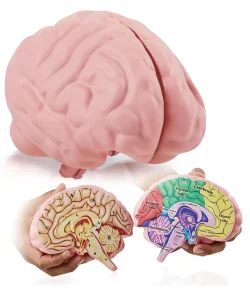
OEM Cross Section Foam Brain Model, Great Educational Tool for Learning & Teaching Human Anatomical Function, Psychology, Biology or Science, Easy to Use & Includes 2 Half Pieces Labeled with Figures Factories, Pricelist
View Product
OEM Sourcing Guide
OEM Training Arm Injection Model: From Curriculum Requirement to Factory-Ready Product
A practical buyer guide from a manufacturer that has supplied educational and clinical training equipment since 1958.
An OEM training arm injection model is not simply a soft arm with a tube inside. In a modern nursing curriculum, it is a repeatable learning platform for site selection, aseptic technique, needle angle, aspiration, medication administration and complication recognition. For distributors, medical schools and hospital education departments, the buying decision is equally practical: does the model survive repeated punctures, are replacement skins available, can the product carry a private label, and will the factory provide the documents required by a tender?
Yulin Medical, operated by Henan Yulin Edu. Project Co., Ltd., has produced educational and medical training equipment in Xinxiang, Henan, China since 1958. Our quality management system has been ISO 9001 certified since 2008, with more than 200 professional staff and registered capital of RMB 120 million. That long production history matters in a category where small material changes affect needle feel, fluid return, skin durability and learner confidence. Our factory position gives buyers access to anatomy models, nursing simulators, laboratory equipment, dental teaching tools and hospital equipment through one consolidated supply chain.
Information gain for procurement teams: specify the learner level, injection route, puncture cycle target and replacement-part budget before asking for a quotation. A low unit price often becomes expensive when the skin or vein module must be replaced too often.
Why the Training Arm Became a Core Simulation Asset
Injection and infusion skills require supervised repetition. A training arm allows learners to practise landmark identification, skin preparation, needle insertion, blood flashback simulation and safe disposal procedures without patient risk. For schools with limited clinical placement hours, a well-designed arm also helps standardize assessment: every learner works with the same anatomy, the same resistance and the same feedback point.
For OEM buyers, that same product can become a branded educational solution. A distributor may request a specific skin tone, a local-language instruction manual, a curriculum-aligned injection site layout, a low-cost replacement skin pack or packaging that is suitable for catalogue sales. The factory task is not just to manufacture the arm; it is to translate the curriculum and commercial requirement into a repeatable specification.
What Buyers Usually Specify Before Tooling Begins
Most serious OEM projects start with a written brief covering material, anatomy, injection sites, replaceable components, packaging, labelling, quantities and target market. Our team typically reviews whether the design should use soft PVC, silicone or a hybrid structure; whether the skin should be a full sleeve or a local pad; how the vein tube and fluid reservoir are connected; what accessories are included; and how the product will be cleaned and stored. When these points are clear, sampling, tooling and production planning move much faster.
Customization & Material Strategy
OEM Customization That Still Meets Teaching and Procurement Standards
Good OEM design balances realism, durability and total cost of ownership. The right specification depends on how often the arm is used, how it is cleaned, which injection techniques are taught and how replacement parts will be stocked.
Soft PVC Injection Arm
Controlled unit cost and good suitability for high-volume basic injection practice. Buyers can discuss phthalate-free and material-declaration options for specific projects, subject to technical review and order volume.
Silicone Training Arm
Higher tear resistance, realistic tissue rebound and a more premium feel for repeated puncture workloads. Silicone generally carries a higher unit cost, so it is often used for advanced labs or branded premium kits.
Hybrid Construction
A silicone skin over a PVC or rigid core can balance needle feel, structural stability and cost. This route is often attractive for distributors who need a differentiated product without moving entirely to a high-cost material.
Injection Site Configuration
Specify deltoid, forearm, dorsum of hand or other training sites. Landmark markings, vein paths, skin tone and left/right orientation can be localized for your curriculum and learner group.
Replacement-Part Economy
Separate skins, vein tubes, pads and fluid connections help distributors sell consumable kits and help schools reduce long-term cost. Replacement parts should be documented in the quotation, not discovered after delivery.
Private Label & Packaging
Our in-house design team can develop private-label packaging, product presentation, manuals, barcode labels and carton marks for distributors. This supports shelf appeal, tender submissions and local resale value.
Localization & Compliance
Localization Support and Compliance Assurance for Global Buyers
Training arm injection models are educational products, not sterile implants or clinical devices for patient treatment. Even so, global buyers increasingly ask for material declarations, packaging labels, lot traceability and supplier quality records. A reliable factory should support those requests without overstating the product's regulatory status.
Language & Curriculum Localization
Manuals, labels and teaching inserts can be prepared in the language your market uses. We can align terminology with nursing, phlebotomy or clinical-skills curricula, and adapt product names for local catalogue or tender use.
Anatomical & Skin-Tone Representation
Different regions and learner groups benefit from appropriate skin tones, anatomical proportions and landmark visibility. Localization is not cosmetic; it improves realism, inclusion and student engagement in clinical simulation.
Documentation for Import & Tender
Product specifications, packing lists, commercial invoices, certificates of origin, material declarations and quality records can be prepared on request. Buyers should confirm the final regulatory classification with their own compliance team.
ISO 9001 Process Control
Our quality management system has been ISO 9001 certified since 2008. Production inspection, incoming-material checks and final packing controls help keep repeat orders consistent across batches.
Material & Label Transparency
Where applicable, we can discuss material composition, surface-finish requirements, cleaning guidance, age-suitability labels and packaging warnings. Clear labelling supports safer use in schools and clinical training rooms.
After-Sales & Spare-Part Support
A localization plan should include spare skins, vein modules and replacement guidance. Distributors can bundle consumables with the original OEM order, reducing future downtime and improving customer retention.
China Factory Supply Chain
China Factory Supply Chain Advantages Behind Consistent Injection Arm Supply
Injection training arms depend on a chain of competencies: polymer and silicone supply, mold making, casting, assembly, tube and reservoir integration, printing, packing and export documentation. Xinxiang and the wider Henan manufacturing base give Yulin Medical access to these capabilities close to the factory gate.
Six Decades of Manufacturing
A factory established in 1958 has seen multiple cycles of material, curriculum and export change. That experience is useful when a distributor needs a practical specification rather than an untested concept.
200+ Professional Staff
Our team covers product development, manufacturing, inspection, sales and export service. A larger team allows one project to be handled by named contacts rather than an anonymous trading inbox.
Registered Capital of RMB 120M
Registered capital of RMB 120 million supports long-term production planning, supplier relationships and the financial stability that larger distributors and public tenders often look for.
Mixed-Category Consolidation
Anatomy models, nursing simulators, biology slides, dental tools, hospital equipment and training arms can be coordinated through one export plan. Mixed orders reduce supplier management time for distributors.
Export Packing & Logistics
Protective packing, carton marks, barcode labels and shipping coordination can be adapted to distributor warehouses, tender deliveries or direct-to-school shipments.
Global Procurement Requirements
Global Enterprise Procurement Requirements: A Practical RFQ Framework
For hospitals, universities, government tenders and distributors, the purchasing process is as important as the product. A well-prepared RFQ reduces sample rounds, avoids packaging rework and protects the delivery schedule.
Target Market & Use Environment
State the destination country, user group and training setting. A nursing school lab, a hospital refresher course and a home-care program may need different durability, packaging and instruction levels.
Clinical Skills & Injection Routes
Clarify whether the arm is for intramuscular, subcutaneous, intradermal or IV cannulation practice. Each route influences skin thickness, tissue rebound, vein structure and the replacement parts offered.
Material & Replacement Strategy
Ask for the base material, cleaning method, expected replacement cycle and spare-part list. The cheapest initial sample may not be the lowest lifetime cost once puncture volume and consumable pricing are included.
Branding, Language & Packaging
Provide logo files, label text, language requirements, barcode standards and carton-mark rules. For tender packaging, confirm whether individual boxes, warranty cards or sterile-style presentation are required.
Volumes, MOQ & Incoterms
Share annual forecast, first-order quantity, trial-order target, preferred Incoterms, destination port and HS-code requirements. This lets the factory propose a realistic production and freight plan.
Sample, QC & After-Sales
Agree on the sample approval checklist, inspection method, warranty terms and spare-part support before bulk production. A documented approval standard is especially useful for multi-market distributors.
Industry Trends
Industry Trends Reshaping Training Arm Injection Models
Simulation education is moving toward competency assessment, repeatable practice and measurable learning outcomes. These shifts are changing what distributors and institutions expect from an injection training arm.
Competency-Based Education
Learners need repeated attempts and clear assessment points. Injection arms that support consistent site selection, fluid return and replacement-part control fit this model better than one-time demonstration products.
High Fidelity, Cost Awareness
Buyers want realistic tissue feel but remain budget-conscious. Hybrid materials and replaceable skins let institutions improve fidelity without replacing the entire arm after every training cycle.
Modularity & Spare Parts
Schools increasingly plan consumables as part of the purchase. A modular injection arm with documented replacement skins, vein tubes and connectors reduces downtime and supports distributor after-sales revenue.
Local Representation
Skin tones, anatomical landmarks, language and curriculum terms are becoming part of product localization. This trend creates opportunities for distributors who understand their local teaching environment.
Digital Instructions & Traceability
QR-linked manuals, batch codes and simple online care instructions are increasingly requested by institutional buyers. These additions do not replace quality, but they improve training consistency and after-sales support.
Localized Application Scenarios
Where OEM Injection Training Arms Are Used Around the World
The same basic product can serve very different markets. Localization should reflect the learner group, teaching protocol, language and procurement system rather than forcing one catalog version into every country.
Nursing & Medical Schools
Used for injection technique, IV cannulation, aseptic practice and objective skills assessment. Local-language manuals and curriculum-aligned injection sites improve adoption by teaching staff.
Hospital Clinical Skills Labs
Hospitals use training arms for new-staff induction, refresher courses and competency checks. Durable skins and easy replacement modules matter more in high-turnover clinical training centers.
Vaccination & Public Health Programs
Public health trainers need simple, repeatable injection practice. Lightweight arm models, clear landmark markings and bulk replacement packs support large-scale training campaigns and mobile clinics.
Pharmacy & Community Care
Pharmacies, community health centers and care providers use injection arms for staff confidence before supervised practice. Private-label kits can include wipes, practice needles and instruction cards.
Home Care & Caregiver Training
Home-care organizations may require a lower-cost training arm with clear instructions and replaceable skins. Packaging and language should suit caregivers rather than only university laboratories.
Distributors & OEM Brand Portfolios
Distributors can build a branded education range around injection arms, replacement parts, anatomy models and nursing simulators. One factory relationship simplifies documentation, quality communication and shipment planning.
Complete Sourcing
Ten Product Lines for Medical Education & Clinical Use
Procurement teams can source simulation, laboratory and hospital equipment from one accountable manufacturer instead of managing multiple suppliers for every category.
Anatomy Models
Torso, organ, heart, brain and muscle models with numbered structures for lectures and patient education.
View range →Biology Prepared Slides & Accessories
Histology, botany and zoology prepared slides plus storage and microscope accessories for biology labs.
View range →Dental Tools & Equipment
Dental teaching models, clinic lights, LED whitening units and endodontic instruments for training and practice.
View range →General Teaching Models
Science demonstration models for primary schools, secondary schools and education equipment tenders.
View range →Hospital Furniture & Equipments
Stainless steel examination couches, stretchers, walkers and shower chairs built for daily clinical use.
View range →Hospital Machine & Tools
Diagnosis and treatment devices and practical tools for wards, clinics and emergency departments.
View range →Medical Apparatus & Instruments
Emergency splints, extrication devices, cervical traction and rehabilitation instruments.
View range →Medical Nursing Model
Adult, child and neonatal CPR manikins, ACLS simulators and AED trainers for skills assessment.
View range →Skeleton Models
Life-size and desktop skeletons, skulls, spines and joint models for osteology teaching.
View range →Suture Pads & Kits
Realistic skin suture pads and complete instrument kits for surgical and wound-closure practice.
View range →


 Since 1958
Who We Are
A Six-Decade Manufacturer Trusted by Educators and Clinicians
Founded in 1958, Henan Yulin Edu. Project Co., Ltd. has grown into a well-known educational and medical equipment supplier that integrates scientific research, production and sales. With registered capital of RMB 120 million and more than 200 professional employees, we manage product development, manufacturing, inspection and export from our base at No. 8 Daoqing Road, Hongqi District, Xinxiang.
Our goal is to satisfy every customer through dependable quality and attentive service, while continuously developing the skills of our team so that each project is handled by experienced people. For OEM training arm injection model buyers, this means a factory contact who can discuss materials, tooling, packaging, inspection and export documentation in one conversation.
What this means for buyers: one accountable manufacturer for anatomy models, nursing simulators, laboratory slides and hospital equipment—consolidated into a single shipment and backed by an ISO 9001 quality system.
60+Years of Manufacturing
200+Professional Staff
¥120MRegistered Capital
2008ISO 9001 Certified
10Product Lines
24hReply Commitment
Why Choose Yulin Medical
Why Distributors and Institutions Partner with Our Factory
Four strengths overseas buyers consistently cite when they move long-term orders to our manufacturing base.
24/7 Responsive Service
Our team is online 24 hours a day, 7 days a week. Whatever your time zone, you receive a detailed answer as quickly as possible—typically within 24 hours.
Design & Packaging Team
In-house specialists deliver professional product design and private-label packaging that strengthens your brand and increases the added value of every unit you sell.
Professional Expertise
Our vision is to provide the most professional educational and medical training products from mainland China, built under ISO 9001 process control and decades of category knowledge.
60+ Years of Supply Stability
A factory with more than 60 years of history and a deeply integrated partner supply chain helps us meet one-stop demands and keep lead times predictable on repeat orders.
How We Work
A Transparent 5-Step Process for Overseas Buyers
From the first conversation to delivery, every stage has a named contact and clear documentation so you can plan stock, tenders and training schedules with confidence.
01
Share Requirements
Send product types, quantities, target market and any tender or certification needs.
02
Catalog & Proposal
Receive matched models, specifications, packaging options and shipping suggestions.
03
Sample Evaluation
Test samples with your instructors or clinicians before confirming bulk production.
04
Production & QC
Manufacturing and inspection follow our ISO 9001 quality management system.
05
Export & Support
Protective export packing, delivery coordination and responsive after-sales service.
Knowledge & Newsroom
Practical Insights from Our Specialists
Exhibition updates and hands-on guidance written by the team that designs and builds our products.

Do You Really Know How to Observe Biological Prepared Slides?
Many plant and animal cell structures can only be studied under a microscope, which makes prepared biological slides essential in every biology lab. Our specialists explain how to handle, focus and store slides correctly so students see clearer detail and your slide sets last for years.

The 5th Henan Provincial Educational Equipment Expo Concludes Successfully
Themed "Digital Leading Innovation and Development", the expo reached a record 50,000 m² with 600+ brands and 10,000+ products on display, showcasing the latest educational equipment.

Inside Our Product Showroom
A look at the medical teaching models and training equipment buyers can inspect in person when visiting our Xinxiang facility. This is also where OEM packaging and replacement-part ideas can be reviewed with our team.
Buyer FAQ
Frequently Asked Questions from Importers
Straight answers to the questions procurement managers ask most before placing a first order.
Is Yulin Medical a manufacturer or a trading company?
We are a manufacturer. Henan Yulin Edu. Project Co., Ltd. was founded in 1958 and operates its own factory in Xinxiang, Henan, China, with more than 200 professional staff. For one-stop orders, we also coordinate a stable network of long-term partner factories.
What quality certification does Yulin Medical hold?
Our quality management system has been ISO 9001 certified since 2008. Product-specific documentation can be provided on request to support tenders and import registration in your country.
Do you support OEM, private label and custom packaging?
Yes. Our in-house design team develops private-label packaging and product presentation for distributors, helping increase shelf appeal and resale value in your market.
How do I choose the right CPR training manikin?
Start with the learner group: adult, child or neonatal. Then check that real-time feedback covers compression depth, compression rate and ventilation volume; confirm alignment with current AHA resuscitation guidelines; and decide whether your courses need AED trainer integration. For advanced life-support programmes, an ACLS simulator with embedded scenarios offers far more assessment value than a basic torso.
How quickly will I receive a reply?
Our export team is online 7 days a week and typically replies within 24 hours with catalogs, specifications and shipping options.
What is an OEM training arm injection model?
It is an educational injection and infusion training arm manufactured to a buyer's specification, including material, anatomy, injection sites, skin tone, branding, language, packaging and replacement-part strategy. It is intended for supervised training, not for patient treatment.
Can you customize skin tone, injection sites and vein paths?
Yes, subject to technical review and order quantity. Buyers can specify skin tone, left or right orientation, deltoid or forearm sites, vein paths, landmark markings and replacement-skin design. Complex changes may require sampling or tooling discussion.
Which materials are used for injection training arms?
Common options are soft PVC, silicone and hybrid constructions. Soft PVC is cost-effective for high-volume basic practice; silicone offers a more premium feel and higher tear resistance; hybrid designs balance realism, structure and cost. The final choice should match puncture volume, cleaning practice and budget.
What documents can support import and tender submission?
Depending on the project, we can prepare product specifications, packing lists, commercial invoices, certificates of origin, material declarations, warranty statements and quality records. Regulatory classification differs by market, so the importer should confirm local requirements with its compliance team.
How should training arms be maintained?
Follow the supplied cleaning and storage instructions, avoid sharp objects and excessive heat, drain and dry fluid systems where applicable, and replace worn skins or vein modules before they affect training quality. Keeping a small spare-parts stock improves continuity in busy skills labs.
Can you consolidate injection arms with other product lines?
Yes. We can coordinate mixed-category orders across anatomy models, nursing simulators, biology slides, dental tools and hospital equipment. Consolidation reduces the number of suppliers, documents and shipments a distributor must manage.
Talk to Our Export Team
Need Specifications, a Price List or a Tender Package? We Reply Within 24 Hours.
Tell us your target market, quantities, intended injection routes and certification requirements. Our product specialists will recommend suitable models, share detailed specifications and propose the most economical shipping plan for your order.
Direct Channels
Email[email protected]
Phone0086-13503800666
WhatsApp+86 135 0380 0666
Factory AddressNo. 8, Daoqing Road, Industry Park, Hongqi District, Xinxiang, Henan, China
Planning an OEM training arm injection model project?
Send your specification, target quantity and packaging requirements to our export team.
Bottom Product Display · 8 References
Additional Training Models, Anatomy References & Clinical Equipment
These eight product references complete the displayed series. Use them as a starting point for mixed-category OEM orders or ask our team to match them with your injection arm training program.
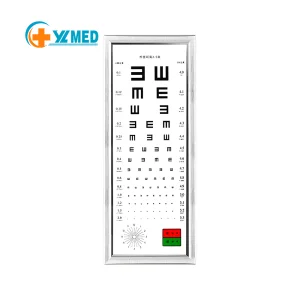
Wholesale LED eye chart light box international standard kindergarten E-logarithm eye measure vision Manufacturers, Quotes
View Product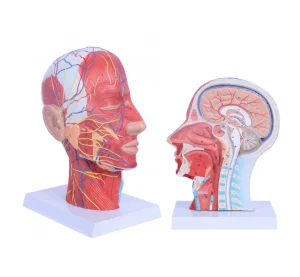
Wholesale Brain Model Human Half Head Superficial Neurovascular Model with Musculature, Life Size Anatomical Head Model Skull and Brain for Medical Teaching Learning Manufacturers, Quotes
View Product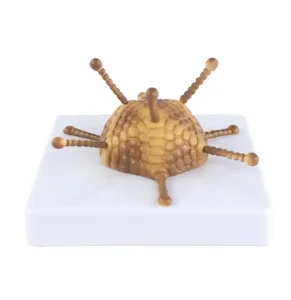
China High quality medical biological Adenovirus model for showing the detailed capsid structure virus model for demonstration Manufacturers, Factories
View Product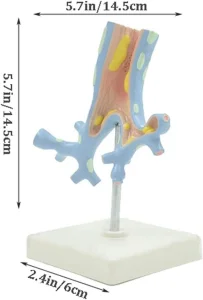
Wholesale Medical School Human Anatomy Respiratory System Model Educational PVC Stand Made China Model Number Human Respiratory System Manufacturers, Factories
View Product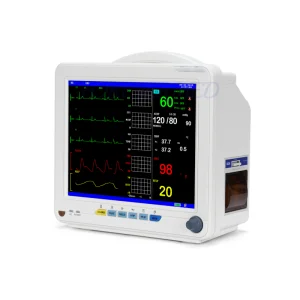
China Cheap Price Portable Adult Neonatal Children Cardiac Monitor Multi Parameters Vital Signs Patient Monitor Manufacturer, Factories
View Product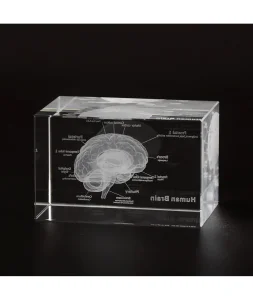
Wholesale Ultrassist 3D Human Brain Glass Model Laser Etched Anatomical Model for Home and Office Decoration Neurology Gifts Manufacturer, Service
View Product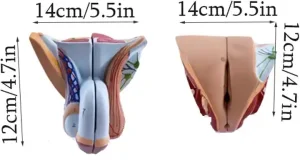
Wholesale Durable Educational Model Professional Version Male and Female Reproductive Structure Model Detachable Human Organ Anatomy Model Manufacturer, Factory
View Product