Four Hospital Furniture & Equipment Lines Frequently Quoted for Sydney Projects
These four products are often requested for dental suites, clinical storage, patient handling and ambulance or transfer applications. Each product link preserves the original specification page so Sydney buyers can review the model, request current pricing and confirm options before ordering.
-
Dental & Clinical Seating
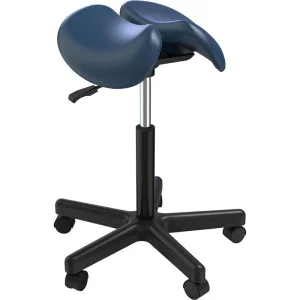
ODM Two Part Saddle Chair Adjustable Height with Backrest White Dental Chairs Modern Manufacturer, Manufacturers
View Product & Request Quote -
Clinical Storage
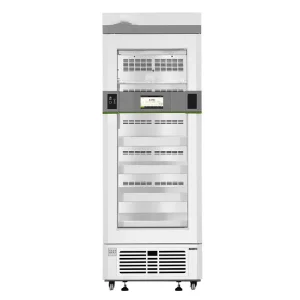
Wholesale Vertical Medicine Refrigerated Air-cooled Display Cabinet Glass Showcase Commercial Display Cabinets Factory, Factories
View Product & Request Quote -
Patient Handling
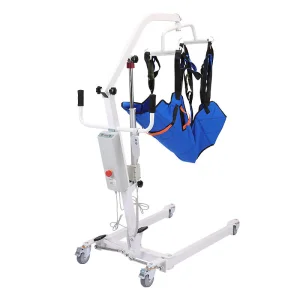
OEM Heavy-Duty Electric Patient Hoist with Front Wheel Brakes&Slow Lift-Reinforced Steel Frame and Adjustable Base for Safe Transfer Pricelist, Quotes
View Product & Request Quote -
Emergency Transfer
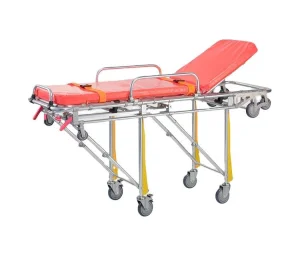
Wholesale Medical Devices Hospital Collapsible Gurney Aluminum Alloy Ambulance Stretcher Trolley Patient Transfer Bed Factory, Service
View Product & Request Quote
Why Sydney Buyers Need More Than a Price List for Hospital Furniture
Greater Sydney is Australia’s largest concentration of public hospitals, private hospitals, day-surgery centres, specialist clinics, dental practices, rehabilitation providers and aged-care operators. Demand is not driven by a single purchasing pattern. A hospital refurbishment in Western Sydney may prioritise bedside cabinets, overbed tables, treatment trolleys, patient hoists and infection-control-friendly surfaces, while a dental group in the CBD or Norwest may need saddle chairs, dental sealing machines, sterilisation equipment and compact clinical storage.
For procurement teams, a credible hospital furniture and equipment quote for Sydney should therefore cover more than the unit price. It should clarify dimensions, load ratings, cleanability, spare parts, electrical compatibility, packaging, warranty support, documentation and the route to delivery. Sydney buyers often compare a local distributor’s response with a factory-direct proposal, and the strongest proposals are the ones that make the specification easy to verify.
This guide is prepared by the export and product team at Henan Yulin Edu. Project Co., Ltd. (Yulin Medical), a manufacturer founded in 1958 and ISO 9001 certified since 2008. Our experience spans anatomy and nursing training models, dental equipment, hospital furniture, patient-handling products and sterile-processing devices. This is practical sourcing information, not paid ranking content. Buyers should always confirm the final compliance pathway for their intended clinical use, including TGA requirements, NSW Health procurement conditions and relevant Australian Standards.




Sydney’s Healthcare Infrastructure Creates Specific Hospital Furniture Demand
Sydney is not one market. It is a network of clinical precincts, private hospital groups, community health sites, specialist centres, dental practices and aged-care facilities, each with different constraints on space, cleaning, patient flow and procurement documentation.
Public & Private Hospital Upgrades
Hospital refurbishments across Greater Sydney require durable bedside cabinets, overbed tables, treatment trolleys, examination couches, patient hoists and transfer equipment. Procurement teams increasingly ask for cleanable surfaces, replaceable parts and consistent batch quality rather than one-off low-cost purchases.
Day Surgery & Specialist Centres
Day hospitals, endoscopy centres, ophthalmology clinics and specialist suites need compact, mobile and procedure-ready equipment. Operating tables, surgical trolleys, ENT workstations and stretchers must fit constrained rooms while supporting efficient turnover between cases.
Dental Clinics & Dental Schools
Dental practices in Sydney’s CBD, Parramatta, Norwest, Liverpool and Macquarie Park require ergonomic seating, reliable sterilisation workflow and compact storage. Saddle chairs, dental sealing machines, low-temperature plasma sterilizers and clinic trolleys are common components of a fit-out quotation.
Aged Care, Rehabilitation & Home Care
An ageing population and a strong shift toward home and community care create demand for dialysis chairs, infusion chairs, electric patient hoists, bedside cabinets and mobility support. Buyers look for stability, safe working load, simple controls and serviceability over the equipment lifecycle.
Emergency, Ambulance & Patient Transport
Ambulance services, private patient transport providers and hospital emergency departments need stretchers, collapsible gurneys, patient hoists and immobilisation devices that support safe transfer under time pressure. Lightweight aluminium structures and clear locking mechanisms are especially relevant.
Sterile Services & Infection Prevention
Sterilisation units and dental clinics in Sydney place strong emphasis on validated reprocessing workflows. Low-temperature plasma sterilizers, pouch sealing machines, stainless-steel trolleys and cleanable furniture help reduce contamination risk and support audit-ready processes.
Global Supply Chains Are Moving from Lowest Price to Resilient Lifecycle Value
Across Europe, North America, the Middle East, Southeast Asia and Australia, hospital furniture and equipment procurement is becoming more sophisticated. Buyers still care about price, but they also evaluate supply continuity, documentation, infection prevention, ergonomics, spare parts and total cost of ownership. A product that is difficult to clean, hard to service or inconsistent between batches creates hidden costs in a clinical environment.
Several global shifts are shaping demand. First, ageing populations are increasing pressure on hospitals, rehabilitation centres and aged-care facilities. Second, infection prevention remains a board-level priority, which favours smooth, sealed and cleanable furniture surfaces. Third, labour shortages are driving investment in patient-handling equipment and ergonomic clinical seating. Fourth, procurement teams increasingly prefer suppliers who can consolidate multiple product categories into one shipment, reducing supplier management overhead and freight complexity.
China remains a major manufacturing base for hospital furniture and medical equipment because of its component ecosystem, scale, engineering talent and export experience. However, the strongest factory relationships are not based on price alone. They are based on specification discipline, batch consistency, responsive sampling and the ability to provide product-specific documentation when a tender or import registration requires it.
- Global buyers expect clear model specifications, packaging details and lead-time confirmation before issuing purchase orders.
- Distributors want OEM and private-label support that strengthens their local brand without compromising documentation.
- Hospitals and clinic groups favour suppliers who can support repeat orders, spare parts and after-sales communication.
Illustrative Procurement Evaluation Signals
How a China-Based Manufacturer Can Support Sydney Pricing and Delivery
Yulin Medical operates from Xinxiang, Henan, with more than 60 years of manufacturing history, registered capital of RMB 120 million and more than 200 professional staff. Our quality management system has been ISO 9001 certified since 2008. For Sydney buyers, factory-direct supply can reduce layers of margin while increasing access to customisation, packaging control and mixed-category consolidation.
Long Manufacturing History
A factory established in 1958 has experienced multiple product cycles, material changes and export requirements. This history supports practical problem-solving, stable production planning and a long-term view of distributor partnerships.
Component & Process Integration
Metal fabrication, ABS components, assembly, inspection and packaging can be coordinated around the product specification. This reduces communication gaps between a trading company, a workshop and a packaging supplier.
Mixed-Category Consolidation
Hospital furniture, dental equipment, patient-handling products and sterile-processing devices can be consolidated into a single export plan. For Sydney distributors, this can simplify supplier management and container loading.
QC & Documentation Support
ISO 9001 process control supports batch inspection and product-specific documentation on request. Buyers should still verify the final regulatory pathway for their intended use and market.
OEM & Private-Label Packaging
Our in-house design and packaging support can help distributors build local brand recognition. Private-label manuals, labels and packaging can be discussed with the quotation so expectations are clear before production.
Export Packing & Freight Planning
Protective export packing and consolidation planning can reduce transit damage. For Sydney, discuss Port Botany delivery, warehouse receiving windows, pallet dimensions and whether a door-to-door forwarder solution is preferred.
Share Requirements
Send product types, quantities, target clinical setting, voltage needs and any tender or documentation requirements.
Catalog & Proposal
Receive matched models, specifications, packaging options, lead-time guidance and shipping suggestions.
Sample Evaluation
Test samples with your clinicians or procurement team before confirming bulk production.
Production & QC
Manufacturing and inspection follow the agreed specification and ISO 9001 quality management system.
Export & Support
Protective export packing, delivery coordination and responsive after-sales communication.
Where Sydney Hospitals, Clinics and Care Providers Use These Products
Australian conditions matter. Sydney facilities generally expect 230–240V electrical compatibility, AS/NZS plug types, English manuals, metric fittings and spare-part clarity. These details should be confirmed during quotation rather than after delivery.
Hospital Wards & Patient Rooms
Bedside cabinets, ABS lockers, overbed tables and treatment trolleys are central to ward refurbishment. Sydney hospital buyers often prioritise castors, lockability, cleanable edges, drawer runners and the ability to withstand frequent cleaning.
Operating Theatres & Day Surgery
Operating tables, ENT workstations and surgical trolleys support procedure efficiency. For day-surgery centres, compact footprints, stable positioning, easy cleaning and accessories that reduce changeover time are important evaluation points.
Dental Clinics & Dental Schools
Saddle chairs, dental chairs, sealing machines and sterilizers form a complete workflow. Sydney dental groups often compare ergonomics, touchscreen controls, cycle documentation and the availability of consumables and service parts.
Dialysis, Infusion & Blood Collection
Multifunctional electric dialysis chairs and infusion chairs are designed for longer patient sessions. Adjustability, upholstery durability, control reliability and braking systems are practical considerations for Sydney clinics and donation centres.
Aged Care & Safe Patient Handling
Electric patient hoists, reinforced steel frames and adjustable bases support safer transfers. Aged-care providers and rehabilitation teams assess battery performance, wheel brakes, sling compatibility and staff training needs.
Emergency, Ambulance & Transfer
Collapsible gurneys, aluminium alloy stretchers and patient transfer beds are relevant for ambulance services, event medical teams and hospital patient transport. Buyers should confirm load rating, locking system, strap points and storage footprint.
Trends Reshaping Hospital Furniture and Equipment Procurement
These trends are visible in tenders, distributor enquiries and clinic fit-out discussions across global markets, including Australia.
Infection Prevention by Design
Buyers increasingly prefer smooth, sealed, wipeable surfaces, minimal crevices and materials that tolerate frequent cleaning. Furniture design is now evaluated as part of infection-control strategy, not as a secondary detail.
Ergonomics & Safe Patient Handling
Electric hoists, adjustable chairs and mobile equipment reduce manual handling risk. Hospitals and aged-care groups look for controls that are intuitive, stable and easy to train staff to use.
Space-Efficient Modular Equipment
Sydney real estate and clinical room constraints favour compact, mobile and modular products. Collapsible stretchers, stackable trolleys and multi-function chairs help facilities adapt rooms without major construction.
Digital Controls & Traceability
Touchscreen sealing machines, controlled sterilizer cycles and electronic chair adjustments are becoming more common. Buyers should confirm that controls, manuals and service procedures match the local language and power environment.
Sustainability & Lifecycle Value
Durable frames, replaceable castors, serviceable parts and efficient packaging support a longer lifecycle. Sustainability is not only about materials; it is also about avoiding premature replacement and unnecessary waste.
Procurement Transparency
Buyers want documented specifications, batch consistency and clear after-sales contacts. A supplier that can answer technical questions quickly often has an advantage over one that competes only on headline price.
Localisation for Australia
For Sydney, localisation includes 230–240V power compatibility, AS/NZS plug types, English manuals, metric dimensions and spare-part listings. These details should be confirmed in the quotation stage.
Mixed Consignments & Container Efficiency
Distributors increasingly combine hospital furniture, dental products, patient-handling equipment and sterile-processing devices in one order. Factory-side consolidation can reduce handling and improve container utilisation.
What Global Enterprises Demand from a Hospital Furniture & Equipment Supplier
Whether the buyer is a hospital group, distributor, tender house or clinic network, the strongest supplier relationships are built on predictable execution.
Specification Clarity
Dimensions, materials, load ratings, controls and accessories should be documented before purchase.
Tender Documentation
Suppliers should be able to provide product-specific documents on request to support procurement review.
Batch Consistency
Repeat orders should match the approved sample, especially for upholstery, metal finish and control hardware.
Spare Parts & Serviceability
Castors, brakes, controls and replaceable components should be identifiable for future maintenance.
Export Packaging
Protective packing and clear labeling help reduce transit damage and simplify warehouse receiving in Sydney.
OEM & Private Label
Distributors need brand-compatible packaging, labels and manuals to build local market presence.
Mixed-Category Orders
Consolidating furniture, dental and sterile-processing products reduces supplier management effort.
Sydney Delivery Planning
Confirm Incoterms, port, warehouse access, unloading requirements and final-mile delivery before production.
FAQ: Hospital Furniture and Equipment Quotes in Sydney
Straight answers for procurement managers, clinic owners and distributors comparing factory-direct options.
Is Yulin Medical a manufacturer or a trading company?
What quality certification does Yulin Medical hold?
Do you support OEM, private label and custom packaging?
How do I choose the right hospital furniture or equipment for a Sydney facility?
Can you supply hospital furniture and equipment to Sydney?
Are your products compliant with Australian standards and TGA requirements?
How do you handle voltage, plug type, manuals and spare parts for Australia?
How quickly will I receive a reply?
Eight Additional Hospital Furniture & Equipment Products Available for Sydney Quotes
These eight product lines complete the hospital furniture and equipment sourcing range. Every original product URL, image and model title is preserved so your team can compare specifications and request a consolidated quote.
-
Orthopedic Equipment
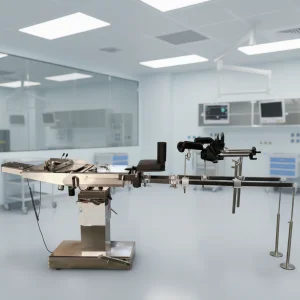
Wholesale Medical Equipment Stable Surgical-grade High-strength Ergonomic Stainless Steel Carbon-fiber Orthopedic Traction Device Manufacturers, Factory
View Product & Request Quote -
Operating Theatre
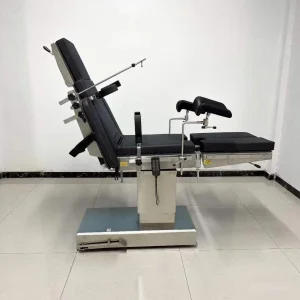
ODM Factory Outlet Medical Equipment Steel Material Manual Power Source Electric Operating Table Manufacturer, Quotes
View Product & Request Quote -
ENT Workstation
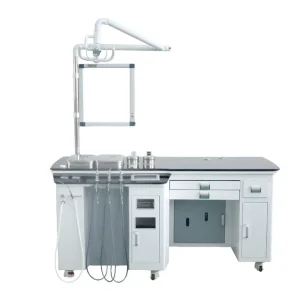
China Medical Equipment High Quality Hospital Medical Surgical ENT Instruments Operating Workstation Unit Manufacturers, Factories
View Product & Request Quote -
Sterile Processing
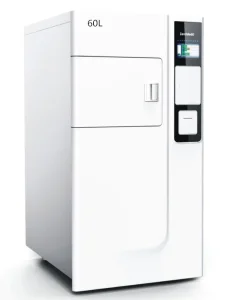
Wholesale Medical Plasma Sterilizer H2o2 Plasma Sterilizer Medical Low Temperature Plasma Sterilizer Manufacturer, Service
View Product & Request Quote -
Dental Sterilisation
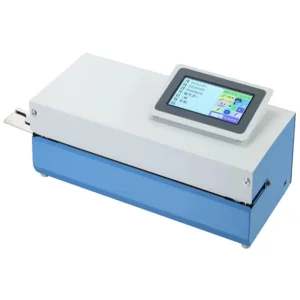
ODM Medical Dental Sealing Machine Automatic 7 "Color LCD Touch Screen Sealing Machines Dental Sterilization Pouch Sealing Machine Manufacturers, Factory
View Product & Request Quote -
Dialysis & Infusion
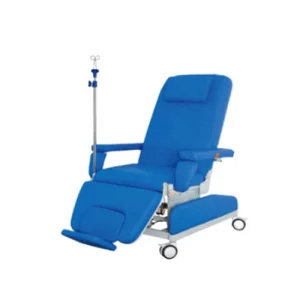
Wholesale Hospital Furniture Multifunctional Adjustable Medical Blood Donation Collection Electric Dialysis Chair Infusion Chair Factory, Service
View Product & Request Quote -
Ward Furniture
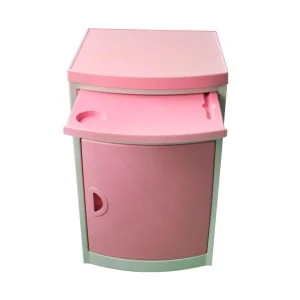
OEM On Sale Hospital Furniture ABS Beside Cabinet Locker Bedside Table With Casters in Stock Manufacturer, Service
View Product & Request Quote -
Medical Trolley
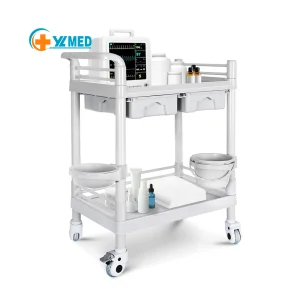
China [Copy] Hospital Dental Clinic Medical 2 floor 2 drawer trolley, rotating wheels, heavy medical practical trolley Pricelist, Quotes
View Product & Request Quote
Ready to Quote Hospital Furniture and Equipment for Sydney?
Send your product links, quantities, target facility type and any documentation requirements. Our export team will reply with specifications, options and shipping guidance, typically within 24 hours.