Wholesale Student Suture Training Manufacturer & Manufacturers
A factory-direct sourcing guide for distributors, medical schools, nursing colleges, hospital skills labs and private-label brands evaluating student suture training pads, kits, simulators and adjacent medical education products.
Wholesale student suture training & medical education products
The eight products below show how a student suture training order often connects to wider laboratory, anatomy and clinical skills procurement. Every link preserves the original product URL so buyers can verify specifications, request a quotation or compare SKUs before consolidating a mixed-category shipment with Yulin Medical.
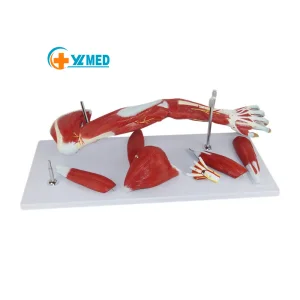
Wholesale Medical teaching Human upper limb muscle Detachable biceps anatomical model with vascular nerve human arm model Manufacturer, Pricelist
View upper limb model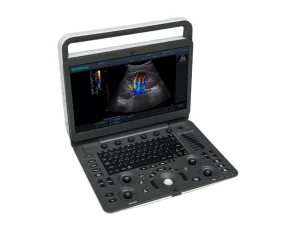
China Ultrasound Scanner Digital Ultrasonic Echography Machine Portable Ultrasound No reviews yet Manufacturer, Factory
View portable ultrasound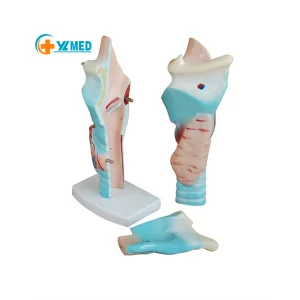
China Best selling Advanced Larynx Structure and Function Model human Larynx Anatomical model 3 times enlarged Quotes, Service
View larynx model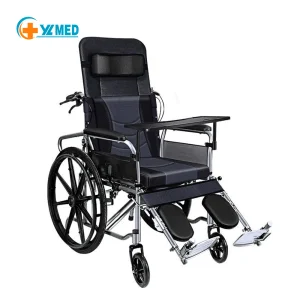
ODM Folding wheelchairs Portable paralysis recliner small wheelchairs semi-lying ordinary Manufacturers, Factory
View folding wheelchairs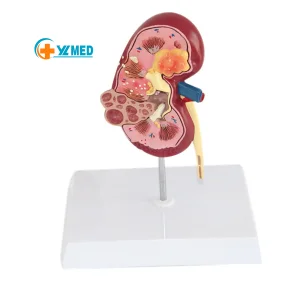
ODM Anatomy urology special renal lesion model human kidney anatomy model Manufacturer, Service
View kidney anatomy model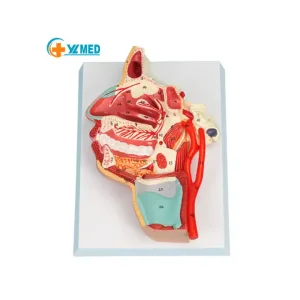
OEM Medical science high quality best price Hot selling head anatomical Model with CE certificate for teaching and learning model Manufacturers, Factory
View head anatomical model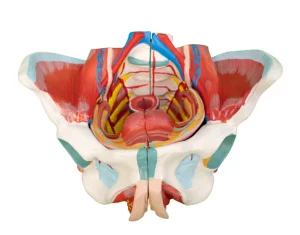
China Life Size Human Female Pelvis Model with Pelvic Floor Muscles, Vessels Nerves & Reproductive, 4 Parts Removable Organs, for the teaching of physiology and hygiene in the teaching of anatomy schools Factories, Quotes
View female pelvis model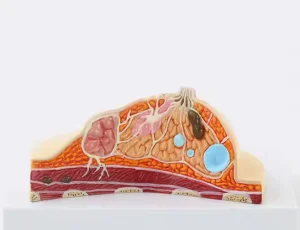
China Medical Science High Quality and Best Price Human Breast Cancer Self-Exam Model 3401 Factory, Quotes
View breast self-exam modelExecutive summary: the buying signal behind “Wholesale Student Suture Training Manufacturer & Manufacturers”
The phrase combines commercial intent, product specificity and supplier-validation intent. Buyers are not merely asking for a price; they are trying to identify a repeatable manufacturing partner for student suture practice products, often while comparing Chinese factories, checking ISO 9001 evidence, and planning OEM or private-label programs.
For procurement teams, suture training is both an educational consumable and a competency tool. A low unit price can be costly if the pad tears prematurely, the needle cores the material, the layered tissue does not hold tension, or the replacement rate disrupts a semester schedule. A qualified wholesale student suture training manufacturer therefore needs to demonstrate material consistency, instrument compatibility, packaging discipline, documentation and replenishment capability.
Yulin Medical approaches this category from a manufacturing base established in 1958, with an ISO 9001 quality management system certified since 2008. Our wider product ecosystem supports mixed-category orders across anatomy models, nursing simulation, laboratory slides, dental teaching equipment, hospital furniture and emergency training devices. That matters because distributors increasingly prefer one accountable supplier for multiple product lines, one inspection standard and one consolidated shipment.
For serious buyers, the most useful information gain is not another catalogue claim. It is a procurement rubric: layer realism, needle resistance, closure strength, instrument fit, packaging, documentation, sample lead time and after-sales response. The four filters below should be used before scaling a first order.
Distributors and teaching institutions should evaluate total cost per competent learner, not only price per pad. That perspective reveals the real value of consistent materials, clear instructions and dependable replenishment.
Educational fidelity
Confirm the number of tissue layers, self-healing behavior, needle resistance and wound-edge strength. Students should practice closure decisions rather than fight the material.
Consumable economics
Calculate cost per learner, replacement frequency, instrument wear and storage life. A predictable consumable program is more valuable than a one-time bargain.
Documentation & compliance
Ask for product-specific specifications, material descriptions, labeling details and certificates where applicable. Verify each SKU against the destination market.
Supply resilience
Check repeat-order consistency, packaging protection, mixed-category consolidation and the responsiveness of the export team. These factors protect your resale commitments.
Technical roadmap: from silicone pads to connected competency
The student suture training category is moving from simple practice pads toward modular, evidence-ready training systems. The roadmap below is relevant to distributors preparing 2026–2030 catalog plans and to schools that need defensible progression from novice practice to assessed competence.
Phase 1: anatomically informed layers
Multi-layer silicone and composite materials are being tuned to mimic epidermis, dermis and subcutaneous tissue. The buying question is not “silicone or not,” but whether needle bite, tension and wound-edge behavior remain consistent across batches.
Phase 2: modular task trainers
Replaceable inserts, wound variants and standardized instrument kits reduce waste and simplify assessment. Modular kits also make private-label programs easier because packaging and refills can be adapted by course level.
Phase 3: sensor-assisted feedback
Instrumented pads and camera-based review can capture needle angle, suture spacing, tissue tension and knot security. Credible suppliers will position AI as instructor decision support, not as a replacement for clinical judgement.
Phase 4: hybrid curriculum & records
QR-linked instructions, multilingual videos, LMS-ready assessment sheets and competency records will differentiate wholesale suppliers. The future advantage is a package that helps a program prove learner progression, not merely ship pads.
Macro solutions: align product, curriculum and compliance
Different buyer groups define value differently. A medical school may prioritize standardisation and assessment, a distributor may prioritize packaging and margin protection, and a hospital skills lab may need fast replenishment of mixed simulation supplies.
Medical schools & teaching hospitals
Standardised layers and documented specifications support repeatable practical exams. Bundle suture pads with anatomy models that explain tissue planes before students enter the skills lab.
Nursing & allied health colleges
High-volume programs need cost per learner, simple storage and predictable replacement cycles. Multilingual instructions and ready-to-teach kits reduce instructor preparation time.
Hospital skills labs
Simulation centres value traceability, replenishment speed and the ability to combine suture practice with emergency, nursing and hospital equipment lines in one shipment.
Distributors & OEM brands
Private label, packaging design, tender documentation and mixed-category consolidation help distributors build a local catalogue without managing many unconnected factories.
Localized support and compliance: evidence beats promises
Localization is not only translating a label. For wholesale student suture training buyers, it means matching packaging, instructions, documentation and after-sales support to the realities of a target market and a specific procurement process.
ISO 9001 quality system
Yulin Medical has operated an ISO 9001 quality management system since 2008. For buyers, the practical question is how incoming materials, in-process checks and final inspection are recorded.
Product-specific documentation
Specification sheets, material descriptions, packing lists and declarations should refer to the exact SKU. Where a model carries CE or other certification, verify it against the exact product and market.
Private-label packaging
In-house design support can adapt cartons, labels, instruction sheets and product presentation for distributors, helping increase shelf appeal and resale value.
Tender & import support
Export teams can provide catalogues, specifications, packing details and shipping options to support tender preparation and import registration discussions.
Sample & pilot evaluation
Test needle resistance, closure strength, packing and instructor acceptance before bulk production. Pilot feedback is the most reliable way to reduce catalogue risk.
After-sales & replenishment
Repeat orders reveal supplier quality. A responsive export team, stable packaging and clear communication help distributors protect local service commitments.
China Factory 4.0: supply chain resilience and efficiency advantages
Factory 4.0 is useful only when it changes buyer risk. At Yulin Medical, the practical advantages come from long manufacturing experience, a documented quality system, a broad product ecosystem and export coordination that keeps mixed orders moving without fragmenting accountability.
Long-cycle manufacturing base
Founded in 1958, Henan Yulin Edu. Project Co., Ltd. integrates research, production and sales from its Xinxiang base, supporting product development and export continuity.
Digital quality gates
Incoming material checks, process control, final inspection and document retention form the basis of consistent repeat orders rather than one-off sample performance.
Modular supply network
Ten product lines and long-term partner factories allow one-stop orders across anatomy models, nursing simulation, suutre pads, hospital equipment and teaching supplies.
Export-ready packaging
Protective packing, private-label presentation and consolidated shipment planning help distributors reduce damage risk and manage landed cost more predictably.
Illustrative enterprise procurement scorecard
The weightings below are an example of how institutional buyers often compare wholesale training suppliers. They are not a claim about any single tender; they show why documentation and supply continuity deserve equal attention to unit price.
Global procurement needs: from unit price to total cost of ownership
Enterprise buyers compare more than quotations. They evaluate whether a manufacturer can support tender documents, private label, sample iteration, mixed orders, shipping coordination and repeat-order consistency. A supplier that reduces administrative friction often creates more value than a lower initial price with unpredictable follow-up.
Tender-ready documentation
Catalogues, specifications, packing data and product descriptions should be clear enough for procurement officers, importers and technical evaluators to use directly.
Total cost of ownership
Evaluate consumable replacement, training time, packaging damage, storage life and shipment consolidation. These variables shape the true cost per learner.
Private label & branding
Packaging, product presentation and instruction sheets can be adapted for distributor brands, supporting market positioning beyond commodity pricing.
Risk management
Sample approval, inspection checkpoints, packaging validation and responsive communication reduce the risk of a first order becoming an expensive learning exercise.
A transparent 5-step process for overseas buyers
Share requirements
Send product types, quantities, target market, label needs and any tender or certification requirements.
Catalog & proposal
Receive matched models, specifications, packaging options and practical shipping suggestions.
Sample evaluation
Test samples with instructors or clinicians before confirming bulk production and repeat-order assumptions.
Production & QC
Manufacturing and inspection follow the company’s ISO 9001 quality management system and agreed specifications.
Export & support
Protective export packing, shipment coordination and responsive after-sales support for distributor programs.
One accountable manufacturer across 10 product lines
Yulin Medical’s product ecosystem lets wholesale buyers combine student suture training with anatomy, nursing simulation, laboratory, dental, hospital furniture and emergency products. For distributors, this reduces supplier fragmentation and makes one shipment, one contact point and one quality conversation possible.
Anatomy Models
Explore rangeBiology Prepared Slides and Accessories
Explore rangeDental Tools and Equipment
Explore rangeGeneral Teaching Models
Explore rangeHospital Furniture and Equipments
Explore rangeHospital Machine and Tools
Explore rangeMedical Apparatus and Instruments
Explore rangeMedical Nursing Model
Explore rangeSkeleton Models
Explore rangeSuture Pads and Kits
Explore rangeProcurement checklist for student suture training programs
Use this checklist to compare suppliers consistently. It is written for wholesale buyers who need a repeatable product, not a one-off sample that cannot be reproduced at scale.
Define learner level
Separate beginner wound closure, intermediate knot tying and advanced layered closure. The product should match the assessment level.
Test material behavior
Observe needle resistance, coring, tear propagation and wound-edge strength. Consistent behavior matters more than softness alone.
Confirm instrument fit
Needle holders, forceps, scissors and sutures should match the pad and course level. Kits should be complete enough to teach without improvisation.
Review packing & labels
Check protection, storage instructions, private-label space and language requirements before finalising packaging artwork.
Plan replenishment
Estimate replacement rates and order cycles. A supplier that can repeat quality consistently protects your local customer relationships.
Validate training support
Ask for instructions, product images, specification sheets and after-sales contacts. These materials reduce friction for distributors and instructors.
About Henan Yulin Edu. Project Co., Ltd. and how to start
Founded in 1958, Henan Yulin Edu. Project Co., Ltd. is a manufacturer of educational and medical training equipment integrating scientific research, production and sales. With registered capital of RMB 120 million and more than 200 professional staff, the company operates from No. 8, Daoqing Road, Industry Park, Hongqi District, Xinxiang, Henan, China.
Yulin Medical has held ISO 9001 certification since 2008 and supports global distributors, medical universities, nursing colleges, hospitals and training centres. The product ecosystem covers anatomy models, biology prepared slides, dental teaching equipment, general teaching models, hospital furniture, hospital machines, medical apparatus, nursing models, skeleton models and suture pads and kits.
For wholesale student suture training buyers, the fastest route is to share target market, learner level, estimated annual quantity, packaging requirements and any tender or certificate needs. The export team can then recommend suitable products, provide specifications and propose a practical shipping plan. Our specialists also publish practical guidance and company updates in the Hot Blog for buyers who want deeper product context.
Frequently asked questions from wholesale buyers
These answers address the supplier-validation questions that most often appear in distributor enquiries, tender clarifications and first-order due diligence.
Is Yulin Medical a manufacturer or a trading company?
We are a manufacturer. Henan Yulin Edu. Project Co., Ltd. was founded in 1958 and operates its own factory in Xinxiang, Henan, China, with more than 200 professional staff. For one-stop orders, we also coordinate a stable network of long-term partner factories.
What quality certification does Yulin Medical hold?
Our quality management system has been ISO 9001 certified since 2008. Product-specific documentation can be provided on request for tenders and import registration. Where a product carries CE or other certification, verify the document against the exact SKU and destination market.
Do you support OEM, private label and custom packaging?
Yes. Our in-house design team develops private-label packaging and product presentation for distributors to increase shelf appeal and resale value. Packaging and label requirements should be confirmed before production.
How do I choose the right student suture training product?
Start with learner level and task scope: basic wound closure, instrument handling, knot tying or layered closure. Then test needle resistance, tissue tension, wound-edge strength, instrument compatibility and replacement rate. A sample pilot with instructors is the most reliable selection method.
How do you support localization and compliance?
Support can include English catalogues, specification sheets, packing details, private-label artwork, language customization discussions and document preparation for tender or import discussions. Final compliance requirements remain specific to the product and destination country.
How do I choose the right CPR training manikin?
Match the manikin to the learner group: adult, child or neonatal. Check that real-time feedback covers compression depth, compression rate and ventilation; confirm alignment with current resuscitation guidelines; and decide whether AED trainer integration is required for your courses.
Can I combine suture training with anatomy models and hospital equipment?
Yes. Yulin Medical covers 10 product lines, including anatomy models, nursing models, hospital furniture and medical apparatus. Mixed-category orders can be consolidated into one shipment with one point of contact, subject to product-specific packing and shipping requirements.
How quickly will I receive a reply?
Our export team is online 7 days a week and typically replies within 24 hours with catalogs, specifications and shipping options. For complex tenders, include target quantities, market, certification needs and delivery timeline in the first message.
More factory-direct products for mixed-category orders
The second group of eight products supports cross-category procurement. Distributors can combine emergency splints, anatomical models, teaching models and science education products with student suture training kits to serve schools, hospitals and training centres from one supplier relationship.
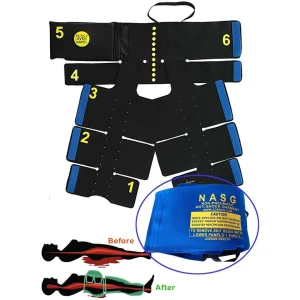
China An elastic resistance bandage with tension, non-pneumatic shock-absorbing splint, emergency splint, shock-absorbing support device Pricelist, Service
View emergency splint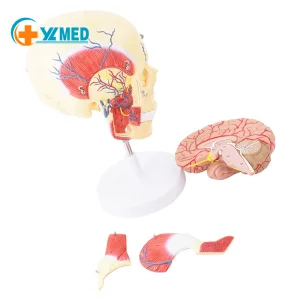
OEM Human anatomical model of the maxillofacial anatomy of masticatory muscles Masseter temporalis trigeminal nerve Manufacturer, Factory
View maxillofacial model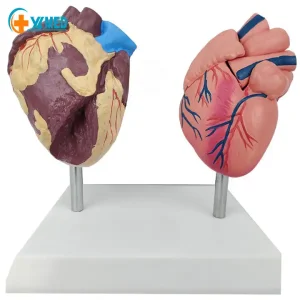
ODM Human Anatomy Heart Model 2parts PVC teaching models Heart health and sick compare heart model Factory, Pricelist
View heart model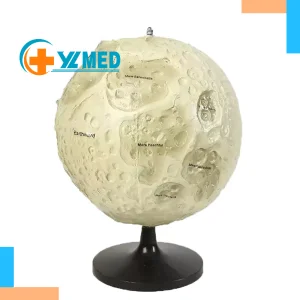
China Geography Teaching Home Craft Decoration Teaching Model of Lunar Structure Geographical Model of Lunar Surface Structure Factories, Pricelist
View lunar structure model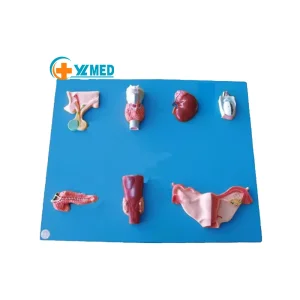
ODM Educational Adhesive Medical Science Anatomical Model Human Endocrine Organ Hypophysis Thyroid Testis Science Demonstrations Manufacturers, Quotes
View endocrine organ model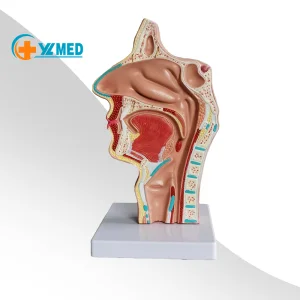
ODM Medical Science Human nose and throat anatomy medical model human anatomy throat model medical mannequins Factories, Service
View nose and throat model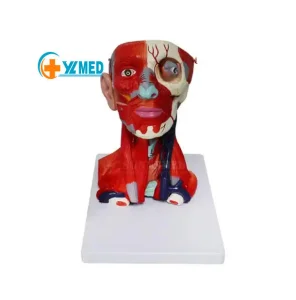
China Human Head and Neck Muscle Blood Vessel and Brain Model PVC Material Head and Face Anatomy Model with Brain Manufacturers, Pricelist
View head and neck model