Wholesale Medical Cotton Swab Manufacturer & Factory
A procurement-focused guide for distributors, hospitals, laboratories and private-label brands that need sterile and non-sterile medical cotton swabs, documented quality, responsive OEM support and predictable global logistics.
Related Medical Teaching Models and Hospital Products from the Yulin Medical Manufacturing System
Medical cotton swab sourcing is often part of a wider healthcare procurement basket. The product range below is retained from the Yulin Medical catalog and shows the same factory disciplines applied across medical education models, clinical training products and hospital equipment: documented specifications, stable production, export packing and responsive support.
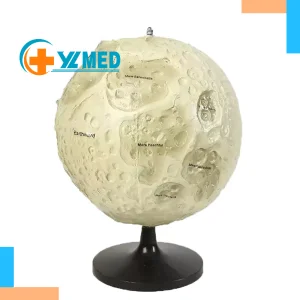
China Geography Teaching Home Craft Decoration Teaching Model of Lunar Structure Geographical Model of Lunar Surface Structure Factories, Pricelist
Request Details
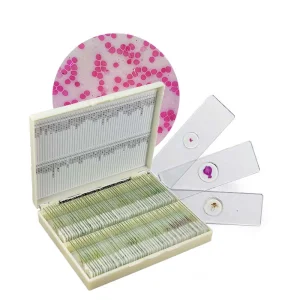
ODM Affordable 100pcs advanced zoology prepared microscope slides Manufacturers, Quotes
Request Details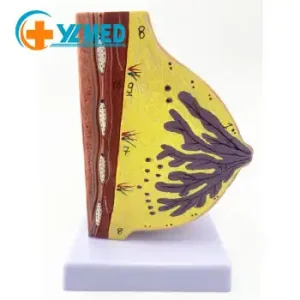
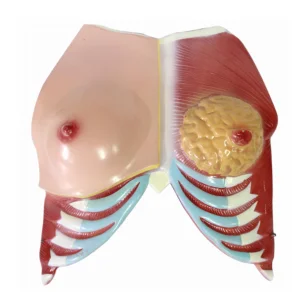
China Medical training model Female breast care anatomical half milk anatomical model lactation and rest half milk model Pricelist, Quotes
Request Details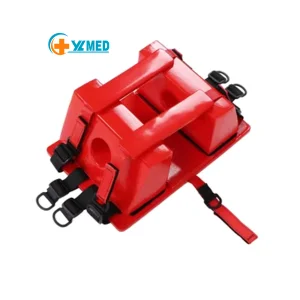
Wholesale Emergency Backboard Head Immobilizer Spine Board Class I Manual EMS EMT Medical Red Adjustable Strap Lifetime Warranty Factories, Quotes
Request Details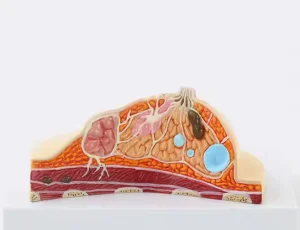
China Medical Science High Quality and Best Price Human Breast Cancer Self-Exam Model 3401 Factory, Quotes
Request Details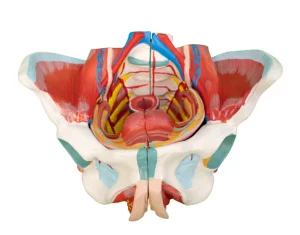
China Life Size Human Female Pelvis Model with Pelvic Floor Muscles, Vessels Nerves & Reproductive, 4 Parts Removable Organs, for the teaching of physiology and hygiene in the teaching of anatomy schools Factories, Quotes
Request Details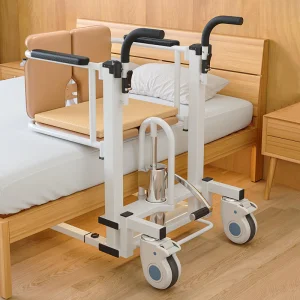
OEM Multifunctional Elderly Transfer Machine Paralyzed Elderly Care Lifting Toilet Chair Disabled Hydraulic Model Factories, Quotes
Request DetailsEvidence Buyers Expect Before Placing a Wholesale Medical Cotton Swab Order
Commodity products become critical supplies when they enter a clinical pathway. The strongest suppliers provide evidence, not only samples: process control, batch discipline, export experience and a responsive commercial team.
Why Medical Cotton Swabs Have Become a Strategic Hospital and Diagnostic Supply Category
Cotton swabs appear simple at the point of use, yet they sit inside infection prevention, specimen collection, wound care, patient hygiene, laboratory workflows and public-health screening. That breadth creates a purchasing challenge: the same buyer may need clinical-grade sterile swabs, non-sterile laboratory formats and retail-ready private-label packs under one reliable supply programme.
For enterprise buyers, the medical cotton swab decision has moved far beyond unit price. Hospitals compare patient safety risk, tip integrity, absorbency consistency, fibre shedding, sterile barrier integrity and batch traceability. Distributors look at landed cost, shelf life, packaging barcodes, private-label speed and reorder stability. Laboratories focus on low contamination risk and repeatable sampling performance. Public-health agencies add tender documentation, language requirements, cold-chain independence and rapid volume mobilisation to the specification.
This is why a wholesale medical cotton swab manufacturer must be assessed as a quality system, not merely a conversion line. The raw fibre, tipping method, shaft material, cleanroom environment, drying control, sterilization validation, packaging seal and release testing all influence the buyer’s total cost of risk. A low quoted price can become expensive when a shipment is delayed, a label fails local language requirements or a formal audit reveals incomplete records.
The global demand picture is also shifting. Aging populations increase hospital and home-care consumption. Point-of-care diagnostics and decentralised testing require controlled specimen-collection consumables. Private-label pharmacy chains want retail-ready sterile packs with clear claims and stable packaging. Emerging markets need distributor-friendly carton configurations and registration support. At the same time, procurement teams are consolidating suppliers to reduce audit overhead and improve documentation consistency.
Demand Signal 01: Infection Prevention
Hospital hygiene, skin antisepsis, wound cleaning and patient care protocols require consistent absorbency, low fibre release and clean packaging. Infection-control committees increasingly ask for supplier evidence, not verbal assurance.
Demand Signal 02: Diagnostic Testing
Specimen collection swabs must match the diagnostic workflow: tip material, shaft breakpoint, transport medium, packaging and labelling. Buyers increasingly request validation data before switching formats.
Demand Signal 03: Home and Community Care
Homecare, pharmacies and community clinics need simple formats with clear instructions, reliable shelf life and packaging that works in non-hospital environments. Distributors want retail-ready presentation and barcodes.
Demand Signal 04: Tender and Public Health
Public buyers require documentation, consistent carton markings, language compliance, predictable production lead times and the ability to mobilise volume without compromising release testing.
Demand Signal 05: Private Label Growth
Distributors and pharmacy groups want their brand on pack, with regulatory information, shelf-ready packaging and repeatable artwork control. OEM responsiveness directly affects speed to market.
Demand Signal 06: Supply Resilience
Post-disruption procurement now evaluates backup capacity, raw-material planning, packaging availability, warehouse discipline and communication. A strategic supplier can show how continuity is managed.
What Global Buyers Actually Evaluate in a Medical Cotton Swab Manufacturer
A medical cotton swab factory earns enterprise business by removing uncertainty from the buyer’s decision. That means specifications that can be verified, documentation that can be filed and a commercial process that can be repeated across markets.
Clinical Performance
Tip firmness, absorbency, fibre shedding, shaft strength and sterility must align with the intended use. Buyers ask for sample evaluation records and clear specification sheets.
Audit-Ready Documentation
Batch records, inspection results, material declarations, sterilization information and certificate packages reduce procurement risk and support import registration.
OEM and Private Label
Artwork control, language variants, barcode placement, carton configuration and sample approval flow determine how quickly a distributor can launch a branded range.
Landed Cost and Logistics
Buyers compare carton cube, pallet quantity, packaging protection, Incoterms, lead time and shipping reliability. The cheapest unit price is not the lowest landed cost.
Supply Resilience
Raw-material planning, production capacity, inspection capacity, backup packaging sources and communication rhythm are increasingly part of supplier qualification.
How to Structure a Wholesale Medical Cotton Swab Range
Different departments often use the same phrase, “cotton swab”, for products with very different performance expectations. A professional factory helps buyers define the product architecture before quoting: use case, tip shape, shaft material, packaging, sterility status and documentation level.
Sterile Transport and Specimen Swabs
Used in diagnostic and clinical collection workflows. Buyers should confirm tip material, breakpoint position, shaft diameter, transport medium compatibility, individual packaging and sterility assurance level.
Laboratory and Diagnostic Swabs
For sampling, transfer, cleaning and controlled environments. Important specifications include low particle release, chemical compatibility, handle length and packaging format for automation.
Wound Care and Skin Antisepsis
Hospitals and clinics need consistent absorbency, secure tips and packaging that supports aseptic handling. Buyers may request non-sterile and sterile variants under separate SKUs.
Oral and Patient Hygiene
Patient-care formats may prioritise softness, handle length, single-use convenience and retail-ready packaging. When marketed for medical use, claims and Instructions for Use must match the intended market.
Cleanroom and Industrial Swabs
Electronics, optics and controlled-environment users focus on particle release, solvent compatibility, handle stiffness and packaging cleanliness. Specification should be written by application.
Custom OEM Formats
Private-label projects may require custom tip size, handle colour, pouch material, carton printing, multilingual labels, barcodes and mixed SKU consolidation in one shipment.
From Fibre Qualification to Sterile Release: A Factory Control Roadmap
For a medical cotton swab factory, process visibility is a commercial advantage. The following route map shows the control points that should appear in a serious supplier questionnaire, audit agenda or OEM project plan.
Design Input and Specification
Define application, tip type, shaft, absorbency target, packaging, sterility status, labelling and destination market. The output is a controlled product specification, not an informal chat.
Fibre and Material Qualification
Approve fibre source, shaft material, adhesive system and packaging materials against performance and documentation requirements. Incoming inspection protects later process consistency.
Forming and Tip Integrity Control
Control tip shape, firmness, attachment security and visual appearance. In-process checks reduce loose tips, irregular absorbency and downstream complaints.
Drying and Low-Bioburden Processing
Moisture control and environmental discipline support stable product quality, especially before packaging or sterilization. Process parameters should be documented and repeatable.
Cleanroom Packaging
Packaging area classification, operator gowning, seal parameters and line clearance protect the product. Pouch and carton labels must match the approved artwork version.
Sterilization Validation
For sterile products, validate the selected method, loading pattern, packaging compatibility and release criteria. Buyers should request the relevant documentation package.
QC Release and Traceability
Batch records, inspection results, label checks and retained samples support release decisions and post-market traceability. Clear lot coding is essential for distributors.
Export Packing and Local Support
Carton drop protection, pallet configuration, shipping marks and document preparation reduce damage and customs friction. Localisation continues through labels and after-sales support.
Segment-Specific Sourcing Solutions for Medical Cotton Swabs
A single standard product rarely satisfies every channel. The most successful wholesale programmes separate SKUs by clinical use, packaging format and documentation needs so that hospitals, laboratories, distributors and public-health buyers can each receive the right configuration.
Hospitals and Health Systems
Focus on tender-ready documentation, sterile packaging integrity, lot traceability, departmental SKU clarity and stable replenishment. Training for nursing and infection-control teams can reduce misuse.
Diagnostic Laboratories
Prioritise specimen workflow, breakpoint configuration, transport compatibility, low contamination risk, packaging format and batch-to-batch consistency for automated or manual processes.
Public Health and Screening Programmes
Require large-volume planning, multilingual labels, consistent carton markings, documented release testing and the ability to coordinate shipments across multiple destinations.
Distributors and Private Label
Need responsive artwork control, sample approval, MOQ planning, retail packaging, mixed-category consolidation and an export team that answers technical questions quickly.
Pharmacies and Home Care
Value shelf life, clear consumer-facing information, compact packaging, barcodes and a format that supports repeat purchase without compromising medical-use requirements.
Industrial and Cleanroom Users
Define particle release, solvent resistance, handle stiffness, packaging cleanliness and lot consistency. Industrial swabs should be sourced against the application, not a medical label alone.
Regional Buying Patterns in the Medical Cotton Swab Supply Chain
Localisation is not a translation exercise. It changes packaging, documentation, labelling, shipping and supplier communication. A wholesale medical cotton swab manufacturer with export discipline adapts the same core product to regional requirements without diluting quality.
North America
Enterprise buyers expect strong document control, UDI-ready labelling where applicable, private-label flexibility, liability awareness and reliable carton quality. Distributors often require sample approval and clear change notification before artwork or material changes.
Europe
Medical device classification, language variants, packaging waste considerations and post-market documentation shape supplier selection. Buyers value consistent technical files, batch traceability and the ability to support audits.
Asia-Pacific
Rapid hospital expansion, diagnostics growth and diverse registration pathways create demand for scalable SKUs. Local distributors benefit from flexible MOQs, English and local-language labels, and shipment consolidation.
Middle East
Tender-driven procurement and hot, humid logistics conditions make packaging protection critical. Arabic labelling, certificate preparation, pallet stability and predictable documentation are common requirements.
Latin America
Distributors often manage registration and import logistics locally. Suppliers should provide Spanish or Portuguese documentation support, consistent HS code information, drop-test-ready cartons and responsive follow-up.
Africa
Public-health programmes, NGO purchasing and private distributors require cost efficiency without sacrificing sterility or packaging integrity. Long shelf-life planning, robust cartons and clear labels improve programme performance.
Support That Extends Beyond the Factory Gate
Yulin Medical’s quality management system has been ISO 9001 certified since 2008. For product-specific projects, documentation can be prepared on request to support tenders, distributor registration and importation. Market requirements differ, so the compliance pathway should be confirmed before mass production.
Documentation Pack
Specification sheets, inspection records, batch coding, packaging information, material declarations and other requested documents can be organised for procurement review.
Label and IFU Localisation
Artwork, language variants, symbols, lot fields, barcode placement and carton markings can be controlled through an approval workflow before production release.
Regulatory Pathway Support
Classification, testing needs and required evidence vary by country. Early discussion helps align product format, packaging and documentation with the distributor’s registration plan.
Sampling and Validation
Pre-production samples allow buyers to test absorbency, tip integrity, packaging, labels and clinician preference before committing to a bulk order.
Export Logistics and Incoterms
Carton optimisation, pallet planning, shipping marks, document preparation and Incoterms clarity protect the buyer’s landed cost and reduce customs delays.
Traceability and After-Sales
Lot traceability, retained records and responsive communication support complaint investigation, replenishment planning and long-term distributor confidence.
What the Next Generation of Medical Cotton Swab Manufacturing Will Require
Automation, traceability and sustainability will reshape the competitive landscape. The winning factory will not simply produce more swabs; it will provide better evidence, faster change control and smarter use of materials and data.
2025–2026: Automated Visual Inspection
Camera-based inspection will increasingly check tip shape, shaft alignment, foreign matter and pack appearance. The commercial benefit is fewer escapes, faster batch review and more objective quality records.
2026–2027: AI-Assisted Process Analytics
Machine-learning dashboards can identify drift in absorbency, moisture, seal strength or defect rates before customer impact. Buyers will ask for trend evidence, not only final inspection results.
2027–2028: Low-Lint and Bio-Based Materials
Fibre innovation will focus on lower particle release, reduced environmental impact and stable performance. Material changes will require disciplined validation and change notification for regulated markets.
2028–2029: Smarter Sterile Packaging
Recyclable or reduced-material packaging must still protect the sterile barrier. Suppliers that validate new packaging formats early will help distributors respond to sustainability requirements without delaying registration.
2029–2030: Digital Product Passport
Digital batch information, UDI alignment and structured product data will make procurement and traceability more efficient. Export teams will need to maintain consistent data across labels, invoices and portals.
2030 and Beyond: Localised Resilience
Regional warehousing, flexible MOQs and multi-market documentation will become competitive advantages. A manufacturer that can support both high-volume tenders and local private-label launches will be preferred.
Yulin Medical: A Six-Decade Manufacturing Base for Healthcare and Education Products
Henan Yulin Edu. Project Co., Ltd. (Yulin Medical) has built educational and medical training equipment in Xinxiang, China, for more than six decades. The company’s motto remains simple: quality first, service first. The same discipline is relevant to wholesale medical cotton swab buyers: controlled production, clear documentation and reliable communication.






 Since 1958 · ISO 9001 since 2008
Founded in 1958, Henan Yulin Edu. Project Co., Ltd. has grown into a well-known educational and medical equipment supplier that integrates scientific research, production and sales. With registered capital of RMB 120 million and more than 200 professional employees, the company manages product development, manufacturing, inspection and export from its base at No. 8 Daoqing Road, Hongqi District, Xinxiang.
Our goal is to fully satisfy every customer through dependable quality and attentive service, while continuously developing the skills of our team so that each project is handled by experienced people.
24/7 Responsive Service
Our team is online 24 hours a day, 7 days a week. Whatever your time zone, you receive a detailed answer as quickly as possible — typically within 24 hours.
Design and Packaging Team
In-house specialists deliver professional product design and private-label packaging that strengthens your brand and increases the added value of every unit you sell.
Professional Expertise
Our vision is to provide professional educational and medical training products from mainland China, built under ISO 9001 process control and decades of category knowledge.
60+ Years of Supply Stability
A factory with over 60 years of history and a deeply integrated partner supply chain lets us meet one-stop demands and keep lead times predictable on repeat orders.
Ten Specialised Product Lines Supported by One Manufacturing Platform
Ten specialised product lines let procurement teams source simulation, laboratory and hospital equipment from one accountable manufacturer instead of managing multiple suppliers. The original category links and descriptions are retained below.
Anatomy Models
Torso, organ, heart, brain and muscle models with numbered structures for lectures and patient education.
View range →Biology Prepared Slides and Accessories
Histology, botany and zoology prepared slides plus storage and microscope accessories for biology labs.
View range →Dental Tools and Equipment
Dental teaching models, clinic lights, LED whitening units and endodontic instruments for training and practice.
View range →General Teaching Models
Science demonstration models for primary schools, secondary schools and education equipment tenders.
View range →Hospital Furniture and Equipments
Stainless steel examination couches, stretchers, walkers and shower chairs built for daily clinical use.
View range →Hospital Machine and Tools
Diagnosis and treatment devices and practical tools for wards, clinics and emergency departments.
View range →Medical Apparatus and Instruments
Emergency splints, extrication devices, cervical traction and rehabilitation instruments.
View range →Medical Nursing Model
Adult, child and neonatal CPR manikins, ACLS simulators and AED trainers for skills assessment.
View range →Skeleton Models
Life-size and desktop skeletons, skulls, spines and joint models for osteology teaching.
View range →Suture Pads and Kits
Realistic skin suture pads and complete instrument kits for surgical and wound-closure practice.
View range →A Transparent Five-Step Process for Overseas Buyers
From first conversation to delivery, every stage has a named contact and clear documentation, so you can plan stock, tenders and training schedules with confidence.
Share Requirements
Send product types, quantities, target market and any tender or certification needs.
Catalog & Proposal
Receive matched models, specifications, packaging options and shipping suggestions.
Sample Evaluation
Test samples with your instructors or clinicians before confirming bulk production.
Production & QC
Manufacturing and inspection follow our ISO 9001 quality management system.
Export & Support
Protective export packing, delivery coordination and responsive after-sales service.
Additional Factory Products Requested by Training Centres, Ambulance Services and Healthcare Distributors
Best-selling simulation manikins, first-aid devices and mobility aids are shown below with original images, titles and destination links retained from the supplied page.












Knowledge Sharing from Our Product and Export Specialists
Exhibition updates and hands-on guidance written by the team that designs, builds and ships Yulin Medical products.

Do You Really Know How to Observe Biological Prepared Slides?
Many plant and animal cell structures can only be studied under a microscope, which makes prepared biological slides essential in every biology lab. Yet many users never get the full value from them. Our specialists explain how to handle, focus and store slides correctly so students see clearer detail and your slide sets last for years.

The 5th Henan Provincial Educational Equipment Expo Concludes Successfully
Themed “Digital Leading Innovation and Development”, the expo reached a record 50,000 m² with 600+ brands and 10,000+ products on display, showcasing the latest educational equipment.

Inside Our Product Showroom
A look at the medical teaching models and training equipment buyers can inspect in person when visiting our Xinxiang facility.
Frequently Asked Questions from Importers and Procurement Teams
Straight answers to the questions procurement managers ask most before placing a first order for medical cotton swabs, OEM healthcare products or mixed-category shipments.
Is Yulin Medical a manufacturer or a trading company?
What quality certification do you hold?
Do you support OEM, private label and custom packaging?
How do I choose the right CPR training manikin?
How quickly will I receive a reply?
Are medical cotton swabs available in sterile and non-sterile formats?
What specifications should be confirmed before an OEM cotton swab order?
How do you support compliance in different markets?
Can I combine cotton swabs with other medical or educational products in one shipment?
Need Specifications, a Price List or a Tender Package? We Reply Within 24 Hours.
Tell us your target market, quantities and certification requirements. Our product specialists will recommend suitable models, share detailed specifications and propose the most economical shipping plan for your order.
More Original Catalog Products from Yulin Medical
The final eight supplied product entries are displayed below with their original image assets and product URLs. Each product URL is presented as a button-style link for a clean mobile and desktop experience.
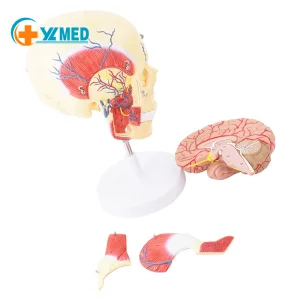
OEM Human anatomical model of the maxillofacial anatomy of masticatory muscles Masseter temporalis trigeminal nerve Manufacturer, Factory
Request Details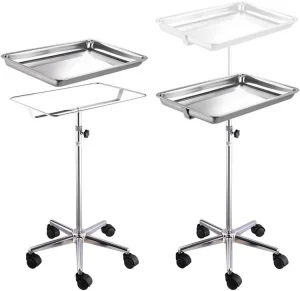
Wholesale Top Selling Adjustable Mayo Stainless Steel Tray Stand Mobile Trolley Medical Salon Equipment Tattoo 45lb Capacity Manufacturer, Factory
Request Details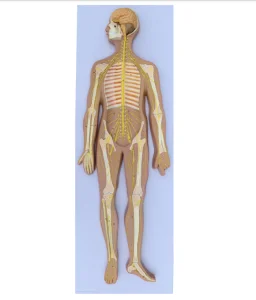
China Scientific Human Anatomy Educational Model, Central Nerve, Brain, Spinal Cord, Brain Anatomical Human Model Nervous System Cerebral-Medical Training Factories, Service
Request Details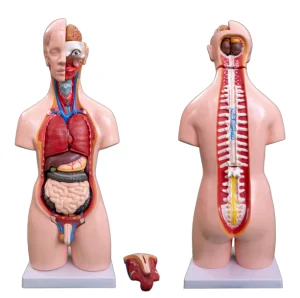
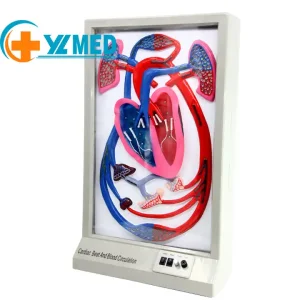
ODM Medical science teaching imported materials with clear structure, manual hydraulic blood circulation simulator Factory, Service
Request Details