
Featured Hospital & Medical Products from the Same Supply Chain
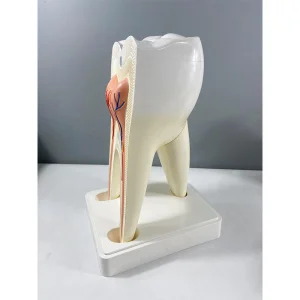
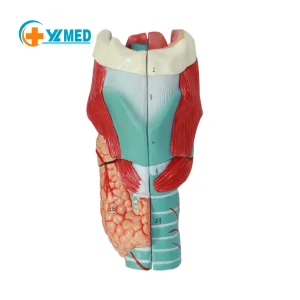
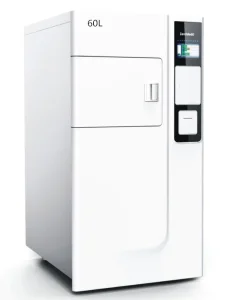
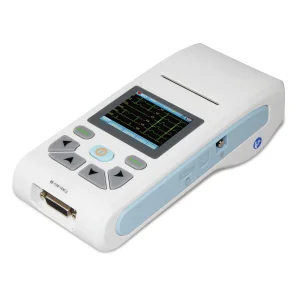
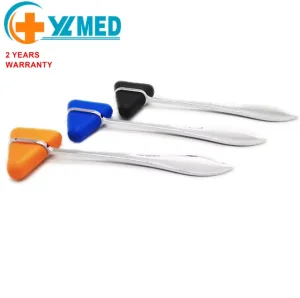
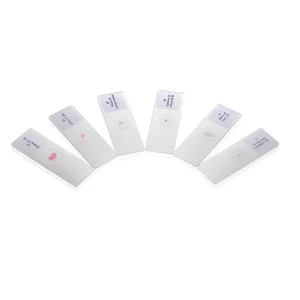
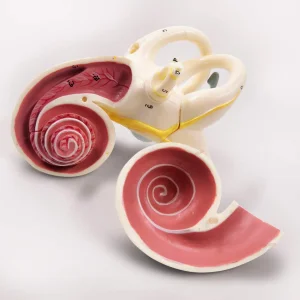
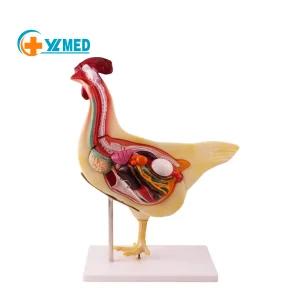
The products below are part of our original hospital, laboratory and medical education portfolio. They show the mixed-category sourcing capability international distributors use alongside neonatal incubator requests. Every original image and product URL is preserved, and each product link is presented with a button style for mobile-friendly access.
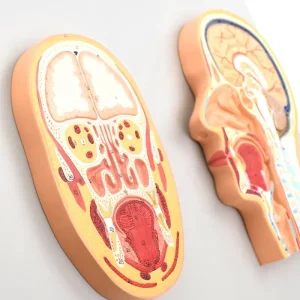
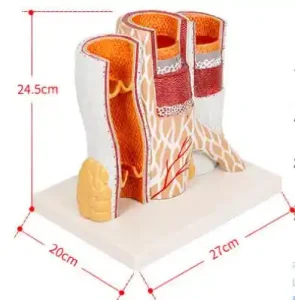
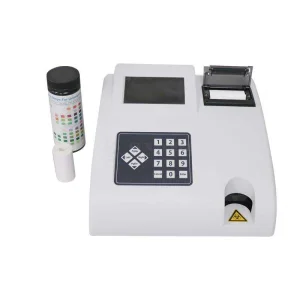
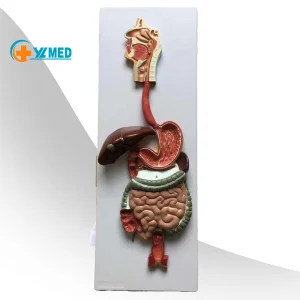
Wholesale Hospital Neonatal Incubator Buying Intent: From Query to Tender-Ready Specification
Buyers searching for a wholesale hospital neonatal incubator manufacturer are usually trying to de-risk a clinical and commercial decision. The query combines product classification, wholesale channel intent, manufacturer identity and a request for quotes. It can come from a distributor, hospital procurement officer, biomedical engineer, tender consultant, NGO buyer or clinical simulation centre.
A useful answer must do more than repeat the phrase. It must separate verified company facts from model-dependent clinical claims, explain configuration trade-offs, and give procurement teams a practical path to a comparable quotation. That is the information gain this guide is designed to provide.
Clinical Intent
The buyer needs thermoregulation, humidity control, oxygen management, alarm logic and infection-control design that fit the local NICU workflow.
Commercial Intent
Distributors ask about MOQ, private label, Incoterms, spare-part kits, repeat-order pricing and mixed-category consolidation.
Compliance Intent
Tender teams ask for test reports, traceability, labelling, warranty terms and local registration status for the exact model.
Service Intent
Hospitals want installation support, clinical training, spare parts, preventive maintenance and a clear escalation route.
Experience and expertise are shown by naming trade-offs. Higher humidity can help very preterm infants but adds water-quality and maintenance duties. Servo oxygen improves control but requires an oxygen analyser and staff training. A double-wall hood improves thermal stability but adds weight and cost. A transport incubator solves a different problem from a ward incubator. Authority comes from consistent, verifiable company facts; trust comes from stating clearly what depends on the model, market and registration route.
Neonatal Incubator Technology: Air Mode, Skin Servo Mode and Transport Care
A modern neonatal incubator is a controlled microenvironment. It combines convective heat, humidity, oxygen delivery, access ports, alarm logic, cleaning workflow and infection-control design. The engineering route should follow the clinical role, not the other way around.
| Configuration | Primary Clinical Use | Technical Focus | Procurement Note |
|---|---|---|---|
| Closed NICU incubator | Level II–III neonatal care, preterm thermoregulation, humidified environment | Air mode, skin servo mode, humidity, oxygen control, alarm hierarchy | Request calibration records, alarm test procedure and training plan |
| Transport incubator | Ambulance, air transfer and inter-hospital neonatal referral | Battery endurance, vibration resistance, secure mounting, compact footprint | Verify power input, mounting system, vehicle compatibility and spare batteries |
| Hybrid or convertible system | Birth centre to NICU transfer, flexible bed capacity | Rapid mode change, cleaning access, accessory rail, monitoring options | Confirm workflow validation and staff training for both modes |
| Phototherapy-integrated incubator | Neonatal jaundice management alongside thermoregulation | Light intensity, uniformity, eye protection, heat impact | Ask for irradiance data and a clear phototherapy accessory list |
| Training and simulation configuration | Nursing schools, medical universities, skills labs and refresher courses | Durable exterior, replaceable parts, realistic controls, scenario compatibility | Link to neonatal ACLS manikins, CPR trainers and replacement consumables |
Thermoregulation & Servo Control
In air mode, the incubator maintains a set air temperature. In skin servo mode, a skin temperature probe drives the heater to maintain the neonate’s target temperature. Correct probe placement and staff training are essential for safe use.
Humidification & Water Path
Humidity control reduces insensible water loss in very preterm infants, but it introduces water-quality, reservoir cleaning and maintenance requirements. The water path must be easy to drain, disinfect and inspect.
Oxygen, Air & Monitoring
If oxygen concentration is provided, it must be monitored and controlled within hospital protocol. Servo oxygen can improve stability, but it depends on sensor calibration, alarm limits and clinical governance.
Alarm Architecture & Usability
Alarms should be visible, audible and prioritised to reduce alarm fatigue. Procurement teams should ask for alarm self-test procedures, mute behaviour, power-failure response and sensor-failure handling.
Access & Infection Control
Hand ports, hood access, mattress tray design, smooth surfaces and removable parts influence daily cleaning. A clinically friendly incubator reduces workflow friction and supports hospital infection-control audits.
Data, Audit & Connectivity
Event logs, temperature trends and connectivity to central monitoring can support quality improvement. Future tenders should define data ownership, cybersecurity expectations and what happens when connectivity fails.
Localized Application Scenarios for Hospital Neonatal Incubators
Localization is not only a translated label. It changes clinical workflow, service model, power configuration, training content and tender language. The best configuration for a Level III NICU is not automatically the best configuration for a district hospital, mobile clinic or simulation laboratory.
Level III NICU & High-Acuity Care
Priority is placed on double-wall thermal stability, precise humidity, oxygen monitoring, central alarm visibility, nurse access and accessories for respiratory support. Procurement should also review cleaning workflow and spare-part turnaround.
District & Secondary Hospitals
Reliability, simple maintenance and predictable spare parts often matter more than advanced connectivity. A robust basic incubator with clear alarms, easy cleaning and local training can offer a stronger lifecycle return.
Maternity & Private Hospitals
Quiet operation, ergonomic access, parent-friendly design and integrated phototherapy can support service differentiation. Private groups may also request private-label documentation and consistent branding across sites.
Neonatal Transport & Referral
Transport units need secure fixation, battery endurance, impact resistance, compact dimensions and clear power management. Verify ambulance voltage, mounting compatibility and spare battery availability before tender submission.
Medical Schools & Simulation Labs
Teaching departments need durable training equipment, replaceable parts and compatibility with neonatal ACLS manikins, CPR trainers and scenario-based learning. This is where Yulin’s medical education portfolio adds practical value.
Mobile Clinics, Disaster & Low-Resource Settings
Voltage tolerance, mechanical protection, easy cleaning and remote technical guidance can matter more than advanced digital features. Modular accessories and simple maintenance reduce downtime where service access is limited.
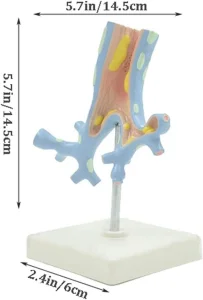
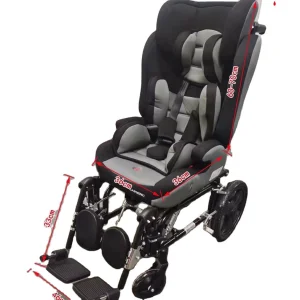
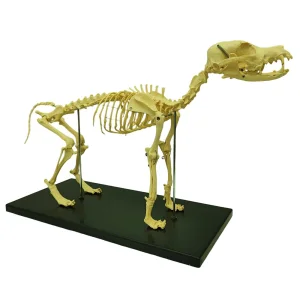
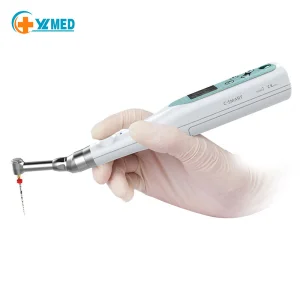
Yulin’s existing product mix includes hospital furniture, emergency splints, nursing simulation, anatomy models, laboratory equipment and dental tools. This breadth helps buyers consolidate a nursery, training department or hospital project into one shipment, with one point of contact for specifications, packing and after-sales follow-up.
Technology Roadmap and Future Outlook: What a Future-Proof Incubator Tender Should Ask For
The next procurement cycle will be shaped by clinical safety, digital connectivity and lifecycle cost. A future-proof tender should define what “smart” means, how alarms are validated and how service continuity is protected.
Stable Thermal Control
Air and skin servo modes, humidity management, oxygen monitoring, touchscreen controls, event logs and clear alarm priorities remain the clinical core.
Connectivity & Central Monitoring
HL7/FHIR integration, nurse-station visibility, remote diagnostics and structured trend data are moving from premium options to tender expectations.
AI-Assisted Early Warning
Predictive temperature stability, sensor-drift alerts and maintenance forecasting can add value only when validated, explainable and clinically governed.
Modularity & Lifecycle Efficiency
Low-energy heating, circular-economy spare parts, cleanable materials and modular accessories will influence total cost of ownership and waste reduction.
Regulatory & Cyber Resilience
IEC 60601-2-19 safety considerations, ISO 13485 quality systems, software validation, cybersecurity updates and UDI traceability should be written into the evaluation plan.
Information gain for buyers: do not ask for “AI” as a generic feature. Define what data is captured, how alarms are validated, how cybersecurity is maintained, who owns the data, and what happens when connectivity fails. A well-written specification protects both the hospital and the supplier.
China Factory Supply Chain Resilience and Efficiency: Why the Manufacturer Behind the Quote Matters
China’s industrial depth is not only a cost story. It is a coordination story. A factory with long-term supplier relationships can hold tolerances, shorten tooling cycles, maintain spare-part continuity and consolidate mixed-category orders without losing documentation discipline.
Henan Yulin Edu. Project Co., Ltd. was founded in 1958 and operates its own factory at No. 8, Daoqing Road, Industry Park, Hongqi District, Xinxiang, Henan, China. With more than 200 professional staff and registered capital of RMB 120 million, the company integrates product development, manufacturing, inspection and export. Our quality management system has been ISO 9001 certified since 2008. An in-house design team supports OEM, private label and custom packaging for distributors, while long-term partner factories help meet one-stop mixed-category demand.
Component & Material Coordination
Long-term supplier relationships support consistent plastics, metals, sensors, packaging and spare-part availability for repeat hospital orders.
Mixed-Category Consolidation
Anatomy models, hospital furniture, emergency devices, training manikins and laboratory items can be planned together to reduce supplier audits and paperwork.
Inspection & Documentation
ISO 9001 process control supports incoming inspection, in-process checks, final testing and batch traceability for tender or registration packages.
Export Packing & Lead-Time Planning
Protective export packing, container optimisation, accessory kitting and shipment coordination reduce damage risk and rework after arrival.
Global Commercial and Industrial Status: Demand Drivers, Tender Pressure and Supply Risk
Global demand for neonatal incubators is driven by NICU expansion, replacement of ageing fleets, emergency preparedness and the persistent burden of preterm birth. Public health agencies have long identified preterm birth complications as a leading cause of neonatal mortality, which keeps neonatal care infrastructure high on hospital development plans.
In high-income markets, replacement cycles, service contracts, cybersecurity and interoperability often dominate the evaluation. In emerging markets, first-time equipping, donor-funded programmes and distributor networks drive volume. Tender evaluation frequently weighs lifecycle cost, spare parts, training and local service access more heavily than the headline unit price.
Tender-Driven Procurement
Public tenders require comparable specifications, document checklists, warranty terms and delivery milestones. A manufacturer that can answer line by line reduces bid risk.
Replacement & Service Contracts
Hospitals increasingly evaluate uptime, preventive maintenance and spare-part lead time alongside purchase price. Service continuity is part of clinical risk management.
Donor & NGO Programmes
Programme buyers need rugged configurations, training material, local-language labels and transparent documentation for audit and impact reporting.
Distributor Economics
Distributors need margin protection, product differentiation, private-label packaging and mixed containers that make ocean freight economically viable.
The commercial reality is cyclical. In some markets, incubator procurement is bundled with neonatal resuscitation, phototherapy, monitoring and hospital furniture. In others, it is a stand-alone ICU project. A credible manufacturer should provide a modular price book, not one opaque number. That is why we recommend a quote brief that separates core device, accessories, consumables, freight, training and after-sales.
Localization Support and Compliance Assurance for Wholesale Orders
Compliance is not a logo on a brochure. It is a document trail and a change-control process. We separate ISO 9001 quality management certification from product-specific regulatory clearance, because they answer different questions.
Regulatory Documentation Package
For a selected model, the export team can coordinate available test reports, declarations, labels, manuals, packing lists and certificate copies needed for tender review or import registration.
Voltage, Plug & Language Localization
Power input, plug type, fuse rating, alarm language, user manual and packaging can be adapted for the target market, subject to model capability and order volume.
Installation & Clinical Training
We can support training content, setup checklists and remote guidance for distributor engineers and hospital teams. Complex projects should define who performs on-site commissioning.
Spare Parts & Service Continuity
Recommended spare-part kits, replaceable accessories and consumable lists help hospitals avoid downtime. Distributors can stock fast-moving items based on local service plans.
Traceability & Change Control
Batch records, serial-number tracking and clear communication of design or component changes support long-term tender compliance and post-market surveillance.
Tender & Import Registration Support
We can provide product descriptions, packing data, HS code suggestions and documentation coordination. Final regulatory responsibility remains with the importer or local registration holder.
Important distinction: ISO 9001 is a quality management system certification. It is not the same as a product-specific CE certificate, FDA clearance or local market registration. For incubator projects, request the exact evidence required by your market, such as IEC 60601-2-19 test reports, EMC data, biocompatibility information for patient-contact materials, software validation records and current registration status. Our export team will state clearly which documents are available for the selected configuration.
Quote-Ready Checklist: Information That Increases Pricing Accuracy and Reduces Rework
The fastest quote is not necessarily the cheapest. A complete brief avoids re-quotation, protects tender deadlines and gives the factory enough information to recommend a configuration instead of a catalogue number.
| Buyer Input | Why It Changes the Quote | What the Manufacturer Should Return |
|---|---|---|
| Clinical setting and care level | Level III NICU, district nursery, transport service or teaching lab require different features and accessories. | Recommended model family, feature matrix and optional accessories. |
| Neonatal population and acuity | Preterm birth weight range, humidity demand, oxygen therapy and phototherapy needs affect configuration. | Technical rationale, alarm limits, user training notes and cleaning workflow. |
| Destination, voltage and plug type | Power stability, frequency, plug standard and language affect hardware and documentation. | Power specification, plug options, manual language and packing details. |
| Registration route and tender requirements | Registration status, test reports, warranty wording and labels determine whether a bid is viable. | Document checklist, certificate availability and model-specific declarations. |
| Quantity, order pattern and delivery schedule | MOQ, repeat orders, mixed containers and seasonal tenders affect production planning and freight. | Unit price tiers, lead time, packing plan and Incoterm options. |
| Service and spare-parts plan | Uptime expectations, local engineering capability and consumable usage shape the recommended kit. | Spare-part list, warranty terms, training support and escalation route. |
| Packaging and branding needs | Private label, language, barcode, carton marking and marketing inserts affect setup and cost. | OEM options, artwork workflow, sample approval process and packaging dimensions. |
| Payment, insurance and shipping terms | Incoterms, destination port, cargo insurance and document requirements affect the landed cost. | Quotation with clear inclusions, exclusions and estimated freight assumptions. |
Frequently Asked Questions from Importers and Tender Teams
Straight answers to the questions procurement managers ask before placing a first order, preparing a tender or adding neonatal care products to a distributor portfolio.
Is Yulin Medical a manufacturer or a trading company?+
We are a manufacturer. Henan Yulin Edu. Project Co., Ltd. was founded in 1958 and operates its own factory in Xinxiang, Henan, China, with more than 200 professional staff. For one-stop orders, we also coordinate a stable network of long-term partner factories.
What quality certification do you hold?+
Our quality management system has been ISO 9001 certified since 2008. Product-specific documentation can be provided on request to support tenders and import registration in your country. ISO 9001 is a quality management certification and should not be confused with product-specific regulatory clearance.
Do you support OEM, private label and custom packaging?+
Yes. Our in-house design team develops private-label packaging and product presentation for distributors, helping increase shelf appeal and resale value in your market. Artwork approval, label language and carton marking can be planned into the order.
How do I choose the right neonatal incubator?+
Start with the clinical setting: Level III NICU, district nursery, transport service or teaching lab. Define humidity, oxygen, phototherapy and monitoring requirements. Confirm voltage, plug type, language, registration route and service plan. Then compare lifecycle cost, spare-part availability and training support — not only the unit price.
How do I choose the right CPR training manikin?+
Match the manikin to the learner group: adult, child or neonatal. Check that real-time feedback covers compression depth, compression rate and ventilation volume; confirm alignment with current AHA resuscitation guidelines; and decide whether your courses need AED trainer integration. For advanced life-support programmes, an ACLS simulator with embedded scenarios offers more assessment value than a basic torso.
How do I request a wholesale quote?+
Send the intended clinical setting, estimated quantity, destination country, voltage and plug type, registration requirements, preferred Incoterm and delivery schedule. If you have a tender document, share the relevant technical and commercial clauses so our export team can respond line by line.
Can you provide compliance documents for tenders?+
We can coordinate available documentation for the selected model, such as certificate copies, test reports, labels, manuals, packing lists and declarations. Availability depends on the exact configuration and manufacturing source. The importer or local registration holder remains responsible for final market registration.
How quickly will I receive a reply?+
Our export team is online 7 days a week and typically replies within 24 hours with catalogs, specifications and shipping options. For tender deadlines, mark the submission date clearly in your first message so the team can prioritise documentation checks.
More Wholesale Medical Products from the Same Supply Chain
The remaining original product listings are preserved below. Each product URL opens the original page, and each image is displayed completely without compressing its proportions.
Request a Wholesale Neonatal Incubator Quote or Tender Package
Send your clinical setting, quantity, destination, voltage, plug type, registration requirements and delivery schedule. Our team will recommend a suitable configuration and prepare a clear quotation with documentation options. We reply within 24 hours in most cases.
No. 8, Daoqing Road, Industry Park, Hongqi District, Xinxiang, Henan, China
ISO 9001 certified since 2008 · Factory-direct since 1958