
 Diagnostics
🏭 Factory showcase · 8 selected items
Factory-Listed Products for a Consolidated Quote
Dental model teeth are usually quoted with adjacent teaching and clinical products. These eight factory-listed items show how a mixed-category RFQ can be assembled from one accountable manufacturing source, reducing hand-offs, packaging mismatches and follow-up costs.
Diagnostics
 Histology
 Botany
 Anatomy
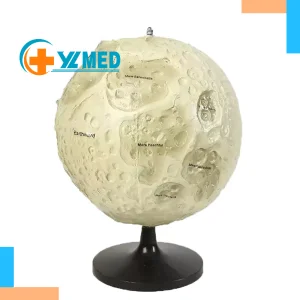 Geography
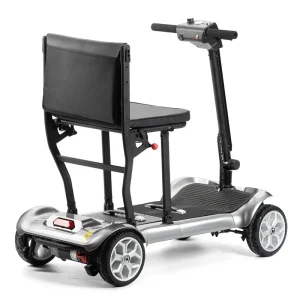 Mobility
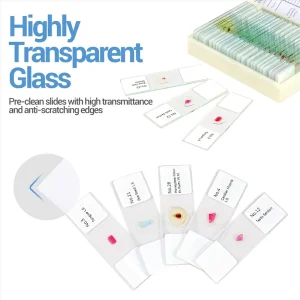 Microbiology
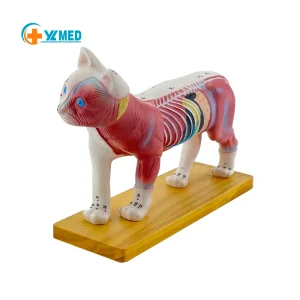 Veterinary
1958Founded in Henan
2008ISO 9001 Certified
200+Professional Staff
24hTypical Reply Commitment
🔎 Search intent mining
The Real Search Task Behind “Wholesale Dental Model Teeth Factories & Quotes”
Buyers are not simply browsing a catalogue. They are comparing manufacturing partners, checking whether a supplier is a factory or a trading company, estimating landed cost, and confirming whether a dental model teeth range can be adapted to a specific curriculum.
The phrase combines three commercial intents: wholesale supply, factory verification and quotation readiness. A useful answer must connect factory capability to product engineering, packaging, documentation and repeat-order economics. That is why a one-line price list rarely satisfies serious procurement teams.
Henan Yulin Edu. Project Co., Ltd. has manufactured educational and medical training equipment in Xinxiang, China, since 1958, with an ISO 9001 quality management system certified since 2008. With more than 200 professional staff and RMB 120 million in registered capital, the company coordinates product development, production, inspection and export across ten integrated product lines.
Information gain begins when a supplier explains why one dental model teeth specification costs more than another — and which specification details should be frozen before a bulk quotation is issued.
For dental model teeth buyers, the practical question is not only “What is the unit price?” but “Which material, anatomy, shade system, mounting interface, pack quantity and quality record will make this model useful in the intended training or demonstration setting?”
🧠
Semantic Clusters Covered in This Guide
🦷 dental typodont teeth
⚙️ OEM model teeth factory
🏭 China dental simulation supplier
🧪 endodontic practice teeth
🪥 dental hygiene training models
🧩 implant and orthodontic models
📦 private-label packaging
📊 quote comparison matrix
🌍 global distributor sourcing
🇨🇳 China factory advantages
Why China Remains a Strategic Base for Dental Model Teeth Manufacturing
The advantage is not merely a lower labour rate. It is the combination of mould-making depth, material supply, model assembly, packaging capability and export consolidation within a mature medical education supply chain.
🧱
Material & Mould Discipline
Dental model teeth can involve acrylic, resin, composite-like formulations, gingiva simulation and mounting systems. A factory with in-house tooling and assembly control can stabilise tooth morphology, shade batches and fit across repeat orders.
🎯
OEM & Private Label
Distributors increasingly need their own brand presentation. In-house design and packaging support can convert a generic model teeth line into a market-ready kit with instruction sheets, tray layouts and barcode-ready cartons.
📦
Repeat-Order Economics
China’s supplier density supports reliable access to raw materials, spare parts and packaging. For buyers, that means shorter replenishment cycles and a clearer route from sample approval to stable bulk production.
🚢
One-Factory Consolidation
Dental model teeth rarely ship alone. Anatomy models, prepared slides, nursing manikins and hospital equipment are often combined. A consolidated order reduces supplier administration, shipping fragmentation and documentation complexity.
The China advantage is strongest when the buyer provides a precise specification. A vague request for “dental model teeth” can produce quotations that are not comparable because one supplier quotes a basic acrylic demonstration tooth while another quotes an anatomically shaped, shade-coded typodont tooth with a compatible mounting base. Specification clarity is part of cost control.
📈 Industry trends
Dental Model Teeth Industry Trends Shaping 2025–2030 Procurement
Simulation-based education, digital workflows and outcome measurement are changing what buyers expect from a model teeth programme. The quotation is becoming a specification conversation.
🖥️
Digital-Compatible Simulation
Dental schools are blending typodont work with intraoral scanning, CAD/CAM and 3D-printed guides. Model teeth suppliers are asked for stable dimensions, removable tooth forms and mounting systems that fit existing simulation units.
✅
Competency-Based Assessment
Educators need repeatable practice conditions. Shade coding, cavity-preparation layers, canal anatomy and gingiva realism help instructors assess technique rather than compensate for inconsistent consumables.
🧼
Hygiene & Traceability
Reusable demonstration models must be easy to clean and clearly documented. Buyers increasingly request material descriptions, pack labels, batch references and replacement-part lists for long-term lab use.
🧰
Kitting & Lower MOQ
Distributors want sellable kits rather than loose parts. A practical kit may combine model teeth, typodont jaws, brushes, practice cards and private-label packaging, with replenishment focused on high-turnover SKUs.
🌍 Localised use cases
Application Scenarios That Change the Model Teeth Specification
The same phrase — “dental model teeth” — can describe six different products. The intended learner, procedure and assessment method determine the anatomy, material, mounting and pack format.
🎓
Dental Schools & Skills Labs
Typodont teeth for operative dentistry, crown preparation, class II cavities and restorative practice. Buyers typically prioritise anatomical layers, shade consistency, firm mounting and predictable replacement supply.
🪥
Hygiene & Assistant Programmes
Larger demonstration teeth, calculus simulation, stain removal practice and periodontal pocket models. The emphasis is visibility, cleanability and teaching value rather than high-fidelity cavity preparation.
🦷
Implant & Endodontic CE Centres
Screw-channel models, replaceable roots, canal anatomy and access-preparation teeth. Course organisers need consistent difficulty levels and reliable restocking before each cohort.
🏥
Hospital Dentistry & Patient Education
Oversized teeth, labelled anatomy and simple jaw models help clinicians explain caries, implants, orthodontics and oral hygiene. These models are often quoted with waiting-room displays and clinic equipment.
🏷️
Distributors & Private-Label Brands
OEM model teeth, custom colour boxes, instruction leaflets and market-specific SKU sets. The factory must support packaging artwork control, barcode labels and repeat-order consistency.
🚐
Community Outreach Programmes
Portable demonstration kits for schools, clinics and public health campaigns. Lightweight trays, durable carry cases and large visual models improve engagement outside a formal simulation laboratory.
🦷 Specification matrix
Six Dental Model Teeth Families and Their Quote Triggers
This matrix helps procurement teams describe requirements precisely before requesting a wholesale quotation. Each product family has different tooling, material and quality-control implications.
Restorative
Typodont Teeth for Operative Practice
Specify tooth number, jaw type, crown anatomy, cavity-preparation layers, shade system, radiopacity expectation, mounting pin or socket and replacement pack size. Quote sensitivity comes from mould complexity and anatomical layer count.
Orthodontic
Orthodontic Model Teeth
Specify malocclusion set-up, bracket compatibility, wire slots, removable segments and gingiva appearance. Buyers should confirm whether the model is for demonstration, wire-bending practice or patient consent discussions.
Implant
Implant & Surgical Practice Teeth
Specify screw channel diameter, bone-layer simulation, soft-tissue appearance, replaceable modules and torque-testing requirements. The usable life of the model and replacement-part availability should be stated in the quote.
Endodontic
Endodontic Training Teeth
Specify canal configuration, access-opening anatomy, working length, root transparency and difficulty level. Course organisers often request mixed-difficulty kits rather than one universal tooth type.
Hygiene
Prophylaxis & Hygiene Models
Specify calculus simulation, stain colour, tooth size, gingiva softness and cleaning instructions. These models are frequently paired with toothbrushes, scaling instruments and patient-education cards.
Display
Patient-Education & Demonstration Teeth
Specify oversized scale, magnetic parts, numbering, labelling language, base style and carry-case requirement. The quotation should separate display models from consumable training teeth to avoid budget confusion.
🌐 Global procurement
What Global Enterprises Require From a Dental Model Teeth Quote
Institutional buyers compare far more than unit price. They assess landed cost, specification risk, packaging compliance, documentation and the supplier’s ability to repeat the same quality on the next order.
📋
Tender-Ready Documentation
Public tenders and university purchasing departments often request consistent product descriptions, pack sizes, country-of-origin details and quality documentation. A complete quotation reduces clarification cycles.
💰
Landed Cost, Not Unit Price
Freight, carton dimensions, minimum order quantity, sample fees, tooling and packaging artwork all affect the final cost. A quote should separate product price from tooling, samples and shipping assumptions.
🔬
Sample & Batch Consistency
Before bulk production, approve a physical sample and record the agreed specifications. Batch consistency should cover anatomy, shade, material feel, fit and packaging presentation.
📦
Packaging & Replenishment
Distributors need carton markings, barcodes, replacement-part lists and sensible pack quantities. Replenishment planning is especially important for consumable training teeth with high course turnover.
Regional priorities differ. North American and European buyers often emphasise documentation, packaging and repeatability; Middle East and Asia-Pacific distributors may prioritise mixed-model kits and fast replenishment; Latin American and African buyers frequently balance tender pricing with flexible order consolidation. A supplier with a broad product portfolio can support these variations without forcing every item into a separate purchase order.
🧩 Macro solutions
From Model Teeth to a Complete Teaching-Lab Solution
Wholesale buyers increasingly want an integrated supply architecture. The factory becomes a consolidation partner for dental simulation, anatomy teaching, biology slides and clinical training equipment.
🏭
OEM / Private-Label Programme
Custom packaging, instruction sheets, label artwork and model selection can be coordinated for distributor brands. The objective is a sellable kit with clear specifications and repeatable presentation.
🧪
Turnkey Skills-Lab Packages
Combine typodont teeth, anatomy models, prepared slides, nursing simulators and consumables into a single laboratory package. This simplifies procurement for universities and training centres.
🚛
Mixed-Container Consolidation
Dental model teeth can be consolidated with hospital furniture, diagnostic devices and teaching models. One shipment, one inspection plan and one export document set reduce administrative load.
🔄
Distributor Replenishment
High-turnover items such as practice teeth, slides and disposable training components can be scheduled for repeat production, while lower-turnover display models are ordered less frequently.
📊 Quote intelligence
How to Read a Wholesale Dental Model Teeth Quote
A credible quotation should make cost drivers visible. It should also allow different suppliers to be compared on the same technical and commercial basis.
⚙️
What Changes the Price
Material type, anatomical complexity, tooth count, shade coding, mounting interface, replacement modules, packaging and MOQ all affect cost. Tooling and artwork fees should be shown separately from the unit price.
🔍
How to Compare Suppliers
- Compare the same tooth type, material and pack quantity.
- Separate sample fees, tooling fees and product price.
- Confirm MOQ per SKU, not only per order.
- Request estimated production lead time and shipping terms.
- Ask how replacement teeth and spare parts are priced.
- Record the approved sample as the quality reference.
📝
RFQ Fields to Send
Target application, learner level, tooth number, jaw type, material expectation, shade system, mounting, quantity, pack size, private-label requirement, destination country, desired Incoterm and required documentation. Include reference photos or CAD files where available.
🏷️ Integrated product lines
Ten Product Lines That Support a Single Consolidated Order
Dental model teeth sit within a wider medical education and clinical equipment ecosystem. Buyers can combine related categories to reduce supplier count and shipping fragmentation.
🫀
Anatomy Models
Torso, organ, heart, brain and muscle models for teaching and patient education.
View range🔬
Biology Prepared Slides
Histology, botany and zoology slides with lab accessories.
View range🦷
Dental Tools & Equipment
Dental teaching models, clinic lights, whitening units and endodontic instruments.
View range🧭
General Teaching Models
Science demonstration models for schools and education tenders.
View range🛏️
Hospital Furniture
Examination couches, stretchers, walkers and shower chairs for clinical use.
View range🩺
Hospital Machines & Tools
Diagnosis and treatment devices for wards, clinics and emergency departments.
View range🩹
Medical Apparatus
Emergency splints, extrication devices, cervical traction and rehabilitation instruments.
View range🫁
Medical Nursing Models
CPR manikins, ACLS simulators and AED trainers for skills assessment.
View range🦴
Skeleton Models
Life-size and desktop skeletons, skulls, spines and joint models.
View range🧵
Suture Pads & Kits
Realistic skin suture pads and complete instrument kits for wound-closure practice.
View range🏛️ E-E-A-T authority
A Six-Decade Manufacturer Behind the Quote
Henan Yulin Edu. Project Co., Ltd. (Yulin Medical) was founded in 1958 and has grown into a manufacturer that integrates scientific research, production and sales of educational and medical equipment. The factory is based at No. 8, Daoqing Road, Industry Park, Hongqi District, Xinxiang, Henan, China, with more than 200 professional staff and RMB 120 million in registered capital.
The quality management system has been ISO 9001 certified since 2008. Product-specific documentation can be provided on request for tenders and import registration. The company’s operating principle is straightforward: quality first, service first. For buyers, that principle must be visible in sample approval, production inspection, export packing and after-sales response.
Factory Credentials
1958Founded
2008ISO 9001 since
200+Professional staff
10Integrated product lines
24hTypical reply
60+Years of manufacturing
🤝 Buyer confidence
Why Distributors and Institutions Partner with Yulin Medical
Procurement teams value suppliers that reduce uncertainty. The strengths below matter most when dental model teeth are part of a larger educational or clinical sourcing programme.
⏱️
24/7 Responsive Service
The export team is online seven days a week and typically replies within 24 hours with catalogues, specifications and shipping options. Fast technical clarification prevents quotation delays.
🎨
Design & Packaging Team
In-house specialists support product presentation and private-label packaging for distributors, helping increase shelf appeal and resale value without fragmenting the supply chain.
🔬
Professional Expertise
Decades of category experience across anatomy, nursing simulation, laboratory slides, dental tools and hospital equipment help match the right model to the learner and budget.
📦
Supply Stability
A factory history of more than 60 years, together with a stable partner supply chain, supports one-stop orders and predictable lead times on repeat requirements.
🧭 Procurement workflow
A Transparent Five-Step Process for Overseas Buyers
From the first enquiry to delivery, every stage should have a named contact, a documented decision and a quality checkpoint.
01
Share Requirements
Send product types, quantities, target market, model teeth specifications and any tender or certification needs.
02
Catalog & Proposal
Receive matched models, specifications, packaging options, MOQ guidance and shipping suggestions.
03
Sample Evaluation
Test samples with instructors or clinicians before confirming bulk production and freezing the reference specification.
04
Production & QC
Manufacturing and inspection follow the ISO 9001 quality management system, with agreed checkpoints recorded.
05
Export & Support
Protective export packing, delivery coordination and responsive after-sales support for repeat orders.
❓ Buyer FAQ
Frequently Asked Questions About Wholesale Dental Model Teeth Factories & Quotes
Direct answers for importers, dental schools and distributors preparing a first or repeat order.
Is Yulin Medical a manufacturer or a trading company?
Yulin Medical is a manufacturer. Henan Yulin Edu. Project Co., Ltd. was founded in 1958 and operates its own factory in Xinxiang, Henan, China, with more than 200 professional staff. For one-stop orders, the company also coordinates a stable network of long-term partner factories.
Can dental model teeth be ordered through the dental tools and equipment line?
Yes. Dental model teeth requirements can be reviewed through the dental tools and equipment category. Send the intended procedure, tooth type, material expectation, shade or anatomy reference, quantity and packaging requirement so the team can confirm tooling, MOQ and a sample plan.
What information is needed for an accurate quotation?
Provide the application, learner level, tooth or jaw specification, material, shade, mounting interface, quantity per SKU, pack size, private-label requirement, destination country, desired Incoterm and any documentation needed for tenders or import registration.
How is consistency controlled across repeat orders?
A physical approved sample should be recorded as the reference. Production should follow the agreed specification for anatomy, shade, fit and packaging, with inspection checkpoints under the ISO 9001 quality management system. Buyers should also confirm how replacement parts are matched to earlier orders.
Can dental model teeth be combined with anatomy models and lab products?
Yes. Yulin Medical supports ten integrated product lines, including anatomy models, biology prepared slides, dental tools and equipment, nursing models, hospital furniture and medical apparatus. Mixed-category orders can be consolidated to reduce supplier administration and shipping fragmentation.
How quickly will I receive a reply?
The export team is online seven days a week and typically replies within 24 hours with catalogues, specifications and shipping options. For urgent tender deadlines, include the submission date and required documents in the first message.
📨 Quote request
Need a Consolidated Factory Quote?
Send your target market, quantities, dental model teeth specification and any tender or certification requirements. The team will recommend suitable models, clarify the quotation basis and propose a practical shipping plan for a mixed order.
Information to include: tooth type, jaw or mounting system, material, shade, pack size, MOQ, private-label artwork, destination port and required delivery date.
🧾 Bottom product showcase · 8 factory items
More Factory-Listed Products for Mixed RFQs
Use these eight additional items to evaluate how dental simulation, anatomy teaching and clinical equipment can be combined into one quotation and one export plan.
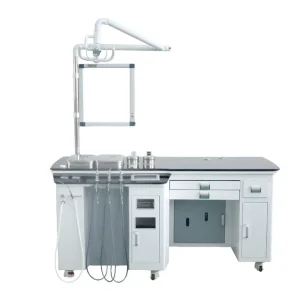 ENT
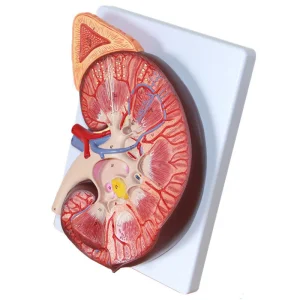 Renal
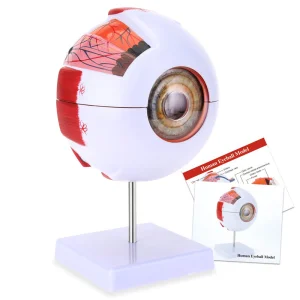 Ophthalmology
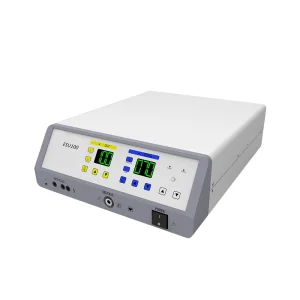 Surgical
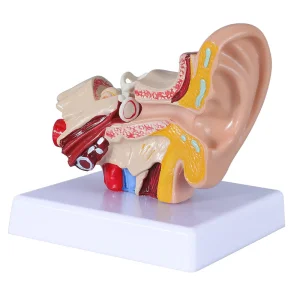 Otology
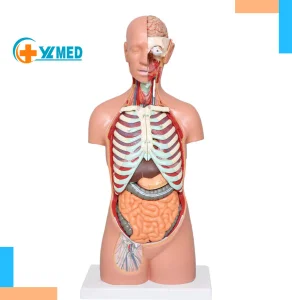 Torso
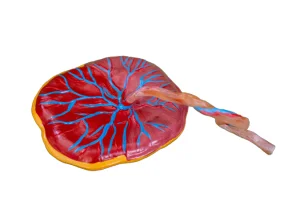 Obstetrics
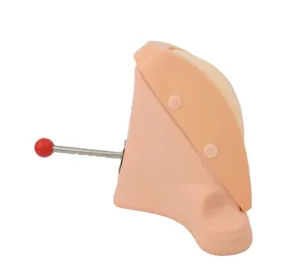 Suture training