
OEM Surgical Gloves Manufacturer & Quotes
Factory-direct nitrile, latex and specialty surgical glove programs for hospitals, distributors, tender teams and medical brands — with clear specifications, lot traceability, export documentation and responsive quote support from a medical manufacturer founded in 1958.
Featured Original Medical & Hospital Products for Integrated OEM Sourcing
The eight items below are retained from the original product range. They show the hospital, training, diagnostic and anatomical categories that can be consolidated with an OEM surgical glove program for distributors seeking one accountable medical supply partner.
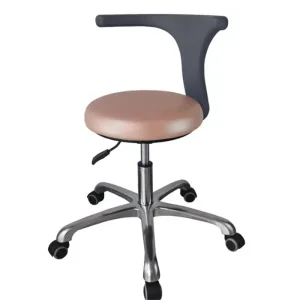
Wholesale Medical Hospital Adjustable Dental Stool Assistant Dentist Doctor Chair Factory, Pricelist
View Product & Quote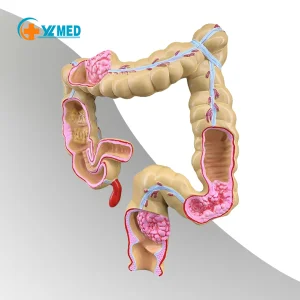
China Large intestine rectum pathology medical anatomical model Medical teaching used human pathological colon model Manufacturer, Factory
View Product & Quote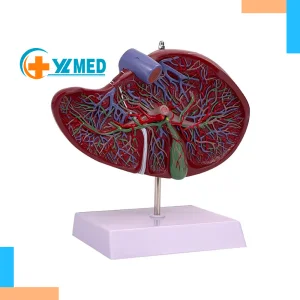
Wholesale Human Liver Anatomy Model PVC Plastic Natural Life Size School Medical Teaching Display Tool Lab Equipment Medical Models Pricelist, Quotes
View Product & Quote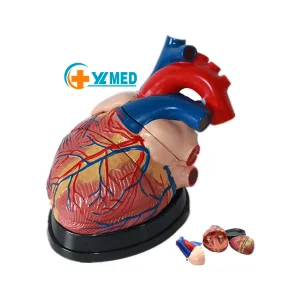
ODM Teaching model 3x enlarged human heart anatomy model Human organ heart research Educational medical model Quotes, Service
View Product & Quote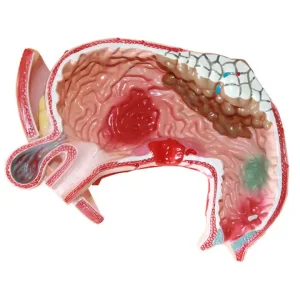
OEM Medical research stomach anatomical model pathological stomach and stomach disease model Manufacturers, Factories
View Product & Quote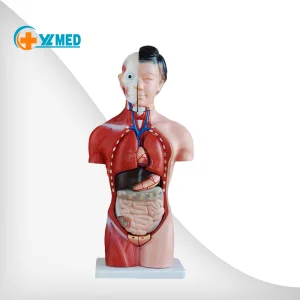
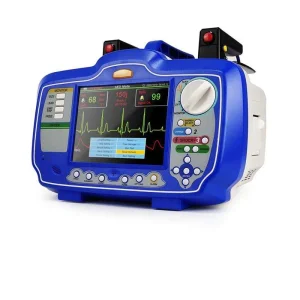
Wholesale High Quality Hospital Heart Pacemaker Portable Emergency Defibrillation Apparatus for ICU Manufacturer, Factories
View Product & Quote
What “OEM Surgical Gloves Manufacturer & Quotes” Should Mean to a Serious Buyer
A genuine OEM program is far more than a logo printed on a box. It is a controlled specification, a validated manufacturing site, a documented quality system and a repeatable quotation model that protects your brand in every market you serve.
When procurement teams search for an OEM surgical gloves manufacturer, they are usually trying to solve three problems at once: supply security, regulatory confidence and landed-cost control. A distributor may need private-label sterile surgical gloves for hospitals; a tender supplier may need nitrile examination gloves and sterile surgical gloves under one documentation package; a medical brand may need a factory that can support size curves, packaging artwork, lot coding and shelf-life planning. The common thread is not simply price. It is evidence.
This whitepaper is published by Henan Yulin Edu. Project Co., Ltd. (Yulin Medical), a medical and educational equipment manufacturer founded in 1958 and ISO 9001 certified since 2008. Yulin operates its own factory in Xinxiang, Henan, China, with more than 200 professional staff and registered capital of RMB 120 million. Its original range covers anatomy models, dental equipment, hospital furniture, medical apparatus, nursing models, skeleton models, suture kits and related training products. For one-stop medical supply programs, Yulin coordinates a stable network of long-term partner factories. For surgical gloves, that means the buyer can align glove specifications with a qualified production partner while consolidating other hospital and training items into one shipment and one point of contact.
That distinction matters for E-E-A-T. A credible supplier should explain experience, demonstrate expertise, show authority through certifications and remain transparent about what is manufactured in-house and what is coordinated through qualified partners. This guide therefore focuses on the questions that determine whether a quotation is truly comparable: material, sterility, standards, AQL, packaging, lot traceability, lead time, MOQ, testing reports and destination-market compliance.
A surgical glove quote that contains only a price per pair is not a procurement document. It is a starting point. The useful quote includes the manufacturing site, material grade, sterility method, size range, cuff style, packaging configuration, shelf life, minimum order quantity, Incoterm, lead time and the exact regulatory files that will be supplied before shipment. That is the level of information gain institutional buyers need when they compare suppliers in China, Southeast Asia or Europe.
Verified company data from the original Yulin Medical source, combined with glove program categories commonly requested by global buyers.
The Surgical Glove Market: Commercial and Industrial Reality in 2025 and Beyond
Surgical gloves are a recurring, mission-critical consumable. Demand is shaped by surgical volumes, infection prevention, emergency preparedness, aging populations and the steady expansion of ambulatory surgery outside traditional hospitals.
Globally, the surgical glove industry has moved from a period of pandemic-driven scarcity into a more normalised but highly competitive phase. Buyers are no longer willing to accept indefinite lead times or vague certificates. Hospitals, group purchasing organisations, distributors and government tender authorities are rebuilding supply strategies around dual sourcing, documented quality and predictable replenishment. The lowest offer is still important, but it is evaluated alongside compliance and continuity. A glove that cannot be cleared for the destination market, or cannot be traced by lot, is not a bargain.
Material demand continues to shift toward nitrile and synthetic alternatives. Natural rubber latex remains valued for elasticity and tactile feel, but latex-protein allergy concerns have pushed many institutions toward powder-free, low-protein and synthetic options. Nitrile offers strong barrier performance and chemical resistance; polyisoprene provides a more latex-like feel for surgeons who need synthetic gloves; neoprene and specialty blends serve niche clinical or industrial needs. The commercial result is a wider product matrix and more pressure on OEM suppliers to quote precisely, not generically.
On the industrial side, the glove supply chain is more complex than many buyers assume. It includes raw-material supply, formers and moulds, dipping lines, chlorination or polymer coating, drying, sterilisation, inspection, packaging, warehousing and export documentation. Sterilisation capacity can become a bottleneck even when dipping capacity is available. That is why a quote should separate production lead time from sterilisation time, packing time and shipping time. Buyers who understand the bottleneck are better able to negotiate realistic delivery dates.
China remains a major manufacturing base because of its dense supplier ecosystem, mature export logistics and ability to scale both standard and private-label programs. However, buyers increasingly compare China with Southeast Asia and near-shore options. The winning supplier is not necessarily the one with the largest factory; it is the one that can demonstrate process control, regulatory readiness and clear communication across repeat orders.
Global procurement demand now clusters around four themes: regulatory documentation, lot traceability, supply reliability and total landed cost. Sustainability is rising quickly, especially in Europe and large public tenders, where packaging reduction, responsible sourcing and waste planning may be scored alongside price. For OEM brands, the glove itself is only one part of the product; packaging, labelling, instructions, shelf-life statements and complaint handling are part of the market entry package.
Information gain for buyers: a credible surgical glove manufacturer should be able to explain the difference between dipping capacity and sterilisation capacity. If a supplier quotes a fast delivery date without confirming sterilisation scheduling, the risk has simply moved to your receiving dock.
Materials, Standards and Performance: What a Surgical Glove Quotation Must Prove
The material name alone does not define quality. Performance depends on formulation, thickness, surface treatment, sterilisation, inspection and packaging. A serious OEM quote should prove these details in writing.
Natural Rubber Latex
Excellent elasticity and tactile feel. For sensitive markets, specify powder-free, low-protein and validated leaching. Reference standards include ASTM D3577, EN 455 and ISO 10282 for sterile rubber surgical gloves.
Nitrile Butadiene Rubber
Synthetic, protein-free and chemically resistant. Nitrile is widely used for examination and cleanroom gloves; surgical-grade nitrile programs must be specified against the correct surgical standard and test method.
Polyisoprene
A synthetic option with a latex-like feel for surgeons who need comfort without natural rubber proteins. Cost is usually higher, so the quote should clarify whether the benefit is clinical preference or allergy control.
Neoprene & Specialty Blends
Used where chemical resistance or specific physical performance is required. For orthopaedic, trauma or high-stress procedures, confirm tensile strength, cuff length, thickness and grip treatment.
A surgical glove quotation should reference the intended regulatory pathway. In the European Union, medical gloves fall under EU MDR 2017/745 and require a compliant technical file, CE marking and, where applicable, notified-body involvement. In the United States, surgical gloves generally require FDA clearance through the 510(k) process, with supporting biocompatibility, performance and sterility information. China uses NMPA registration. Other markets may require local registration, free-sale certificates, legalisation or tender-specific declarations.
Standards commonly requested in surgical glove procurement include ASTM D3577 for rubber surgical gloves, EN 455 parts 1–3 for medical gloves for single use, ISO 10282 for sterile rubber surgical gloves, ISO 13485 for the quality management system, ISO 11135 for ethylene oxide sterilisation and ISO 11137 for radiation sterilisation where applicable. For examination gloves, ASTM D6319 and EN 455 are often relevant. The exact standard must match the product claim; a document for examination gloves does not automatically clear a sterile surgical glove.
Practical performance details also belong in the quote: nominal fingertip thickness, palm thickness, cuff length, tensile strength before and after ageing, powder residue, protein content for latex, water-leak AQL, packaging configuration, pair or single packing, inner wallet, shelf life and lot-coding format. Buyers should agree the AQL and test method in writing rather than accepting a vague statement of “high quality”. If the product is sterile, request sterilisation validation, sterility assurance level and residual levels where applicable. If the product is private label, request artwork proof, label text, UDI or barcode placement and packaging transit testing.
China Factory Efficiency: Why Scale Alone Is No Longer the Advantage
The most competitive Chinese suppliers have moved beyond low-cost labour. Their advantage now comes from supply-chain density, automated inspection, faster engineering changes and mature export documentation.
Integrated Supply Chain
Raw materials, formers, packaging, printing, sterilisation and export logistics sit close together. That density reduces coordination friction and makes private-label changes faster to implement.
Automation & Vision Inspection
Robotic dipping, online pinhole inspection, automated counting and vision checks improve consistency. Ask whether inspection data is retained by lot and whether re-inspection is triggered by defects.
Engineering Speed
Custom size curves, cuff designs, packaging formats and procedure packs can be developed quickly. Speed matters most when a distributor needs to test a new brand or respond to a hospital tender.
Export Consolidation
Combining surgical gloves with anatomy models, hospital furniture, monitors or training products can reduce freight and customs complexity. One documented shipment can be cheaper than several small ones.
For surgical gloves, factory efficiency should be verified at the process level. A large building does not prove capability. Buyers should ask how the factory controls former cleaning, coagulant concentration, latex or nitrile formulation, curing temperature, online inspection, final inspection and sterilisation load configuration. They should also ask how non-conforming lots are handled, how rework is prevented and how returned goods are investigated.
China’s export strength also comes from documentation discipline. Experienced factories understand certificates of origin, free-sale certificates, packing lists, MSDS or SDS files, sterility certificates, batch records, import registration support and tender documentation. That administrative capability is part of the product. A cheap quote that delays shipment because the certificate is incomplete is often more expensive than a slightly higher quote with complete files.
Social and environmental compliance is now part of factory efficiency as well. Energy systems, wastewater treatment, solvent handling and worker safety can affect continuity. For long-term OEM programs, request evidence of environmental permits, audit history and social-compliance records where your market requires them. The goal is not to collect paper for its own sake; it is to avoid a supply interruption that damages your own customer relationships.
Localized Application Scenarios: One Glove Specification Does Not Fit Every Market
Surgical gloves are used differently across clinical, educational, veterinary and industrial settings. The OEM program should be built around the actual use case, not a generic catalogue phrase.
Hospital Operating Theatre
Sterile, pair-packed surgical gloves with size traceability, EO or gamma sterilisation and documented AQL. Hospitals value consistent sizing and reliable cuff strength during long procedures.
Emergency & Trauma
High-strength nitrile or synthetic surgical gloves with textured grip and longer cuffs can support rapid intervention, wound care and pre-hospital teams where glove changes are frequent.
Dental & Oral Surgery
Powder-free, low-protein gloves with fine tactile sensitivity are preferred for dental procedures. Packaging should fit chairside workflows and avoid excess waste in small clinics.
Laboratory & Pathology
Non-sterile nitrile examination gloves are common in labs; specialty chemical-resistance claims must be backed by permeation data. For pathology, tactile feel and lot consistency matter.
Veterinary Surgery
Longer cuffs and durable materials are useful in veterinary procedures. Buyers often need cost-effective sterile and non-sterile options in a single shipment with other animal models.
Medical Schools & Simulation
Anatomy labs, suture practice and nursing simulation consume large volumes of non-sterile gloves. Training buyers need low cost, good fit and predictable carton counts.
Home & Community Care
Community nurses and home-care providers need examination gloves with easy dispensing and reliable sizing. Packaging language and carton format should match local distribution.
Cleanroom & Industrial
Cleanroom nitrile and controlled-environment gloves require particle, extractable and packaging controls. These are not surgical claims, but they can be coordinated as an adjacent OEM line.
Localisation is also regulatory and commercial. A European hospital may prioritise EN 455, EU MDR technical documentation, powder-free packaging and sustainability scoring. A US distributor may require FDA clearance, 510(k) references and US-style labelling. A Middle East tender may require legalisation, Arabic labelling and a specific shelf-life minimum at arrival. A Latin American distributor may need Spanish packaging and a particular size mix. An African or public-health buyer may prioritise cost per pair, robust transit packaging and long shelf life.
Because Yulin Medical already serves medical universities, nursing colleges, distributors and hospitals across multiple product categories, its export team is accustomed to mixed specifications and tender-oriented documentation. For glove programs, that experience is useful in aligning size ratios, packaging language, carton marks and consolidation with existing medical equipment orders. The buyer still needs to verify the actual glove manufacturing site and product-specific certificates, which is exactly why a transparent quotation matters.
Global Procurement Requirements and a Practical Quote Scoring Model
Institutional buyers rarely decide on unit price alone. A quote that is 10% cheaper can create months of regulatory delay if the documentation is incomplete. The weighting below is illustrative and should be adapted to your tender.
Illustrative buyer evaluation weights for an OEM surgical glove program
Source: Yulin Medical procurement guidance. Weights are illustrative and should be adjusted to the destination market and tender scoring criteria.
A strong RFQ should force comparability. Ask each supplier to quote the same material, sterility status, size range, packaging, quantity and Incoterm. If one supplier quotes non-sterile gloves while another quotes sterile surgical gloves, a direct price comparison is meaningless. If one includes inner wallets and the other uses bulk packing, the hospital’s handling cost changes. If one quotes FOB and the other CIF, the landed cost is not yet visible.
Request a specification sheet, certificate list, sample schedule and production lead time in the same response. For regulated markets, ask for the name and address of the manufacturing site, ISO 13485 certificate, product registration or clearance, and the most recent third-party test reports. For private label, request a packaging dieline, artwork proof and barcode verification. For repeat orders, ask how the supplier preserves the approved formulation and packaging specification across lots.
Finally, define the acceptance criteria before ordering. What happens if the delivered AQL fails? What is the shelf life at arrival? Which party pays for re-inspection? How are complaints traced to lot and sterilisation batch? These questions protect both sides and make the difference between a one-time transaction and a reliable OEM relationship.
Trends Shaping the Next Generation of Surgical Glove Supply
Buyers should monitor material substitution, automation, sustainability rules and digital traceability. Each trend changes the specification and the quotation model.
Nitrile Dominance
Nitrile and synthetic materials continue to gain share as institutions reduce latex-protein exposure and simplify infection-control training.
Powder-Free & Low-Protein
Powder-free products are increasingly standard. For latex, low-protein claims should be supported by test data, not marketing language.
Polyisoprene for Sensitive Users
Synthetic polyisoprene offers a latex-like feel for surgeons who prefer natural-rubber tactile response without latex proteins.
Automated Inspection
Vision systems, online pinhole detection and digital batch records are becoming competitive necessities for OEM buyers.
Sustainability Scoring
Reduced packaging, recycled cartons and lower-waste dispensers appear in public tenders, especially in Europe and large health systems.
China Plus One
Many distributors dual-source across China and Southeast Asia. The best strategy is a validated second site, not a last-minute substitute.
Digital Traceability
UDI, barcodes and lot-level records help hospitals trace devices, manage recalls and verify shelf life. OEM packaging must support this.
Procedure Pack Kitting
Hospitals increasingly request custom kits combining gloves, drapes, sutures and procedure-specific components from fewer suppliers.
The strategic implication is clear: the OEM supplier of the next few years will need to be more than a dipping factory. It will need to support regulatory submissions, private-label artwork, packaging sustainability, lot-level data and mixed-category consolidation. Buyers should ask prospective suppliers how they are investing in these areas and what evidence they can provide from recent orders.
For distributors, the opportunity is equally clear. A well-documented surgical glove brand can anchor a broader medical consumables portfolio. When gloves are combined with training models, hospital furniture or diagnostic equipment from a manufacturer like Yulin Medical, the distributor can offer hospitals a more complete program while reducing the administrative burden of managing many suppliers. That is the commercial value of one-stop OEM sourcing when it is done with transparency and proper product-specific verification.
Why Experience and Documentation Matter More Than a Generic Factory Claim
Google’s quality rater guidelines reward content that demonstrates experience, expertise, authoritativeness and trustworthiness. In medical procurement, those principles are practical, not abstract.
Yulin Medical has been in operation since 1958 and has held ISO 9001 certification since 2008. Its team supports product development, manufacturing, inspection and export from Xinxiang, Henan. That history is useful, but it does not replace product-specific diligence. A surgical glove buyer should still verify the manufacturing site, the relevant ISO 13485 scope, the regulatory clearance for the target market and the latest batch test reports. The right approach is to combine supplier experience with independent evidence.
This guide adds information gain by moving beyond the usual “high quality, best price, fast delivery” claims. It explains how sterility affects lead time, why an examination-glove certificate does not clear a surgical glove, how AQL and water-leak testing should appear in a quote, why packaging language matters in public tenders and how China’s factory advantage has shifted from labour cost to process density and export discipline. Those details help buyers ask better questions and compare offers on a like-for-like basis.
Yulin Medical’s original product ecosystem also supports buyers who need more than gloves. The company’s source range covers anatomy models, dental tools, general teaching models, hospital furniture, hospital machines, medical apparatus, medical nursing models, skeleton models, suture pads and kits. Ten specialised product lines and a long-term partner network allow mixed-category orders to be coordinated with one point of contact, while product-specific documents are confirmed before shipment.
Original Product Range: Eight Additional Hospital, Diagnostic & Education Items
The final eight original products are retained below with their images and product URLs. They can be quoted individually or consolidated with a surgical glove and medical consumables inquiry.
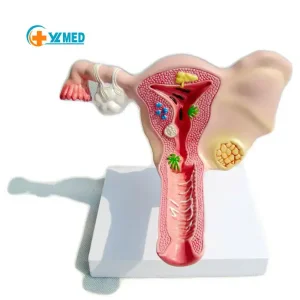
OEM Factory Manufacture Medical Gynaecology Female Ovarian Reproductive Structure Ovarian Uterus Model Manufacturers, Factory
View Product & Quote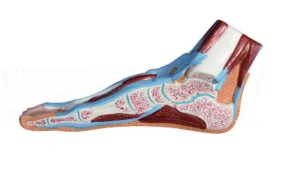
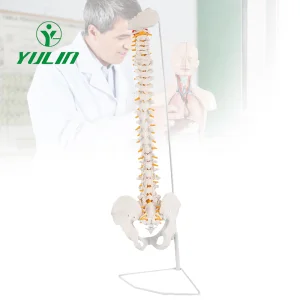
Wholesale Flexible Spine Model, 34.6'' Life Size Human Spinal Cord Anatomical Model with Stand, for Science Study or Patient Education Manufacturer, Manufacturers
View Product & Quote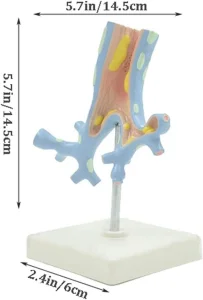
Wholesale Medical School Human Anatomy Respiratory System Model Educational PVC Stand Made China Model Number Human Respiratory System Manufacturers, Factories
View Product & Quote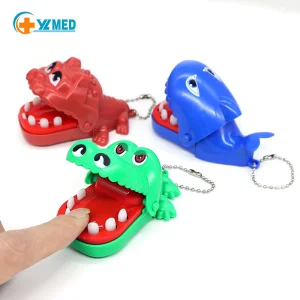
China Mini small trick funny silicone decompression toys crocodile game bite hand toy Manufacturer, Factories
View Product & Quote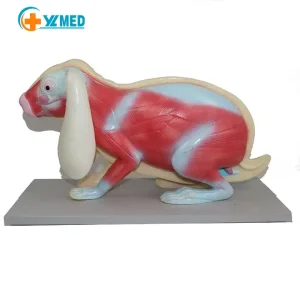
Wholesale Medical anatomy teaching advanced PVC rabbit model Rabbit anatomical model Factories, Quotes
View Product & Quote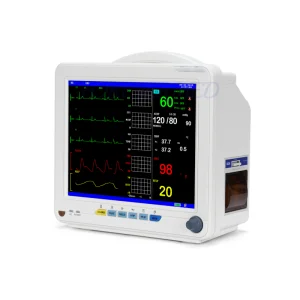
China Cheap Price Portable Adult Neonatal Children Cardiac Monitor Multi Parameters Vital Signs Patient Monitor Manufacturer, Factories
View Product & Quote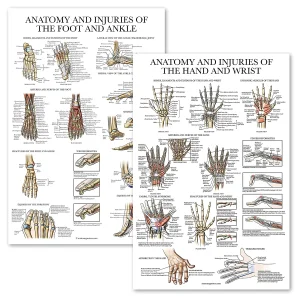
China 11 Human Anatomy Posters - Medical Posters, Skeletal, Male Female Muscular, Circulatory, Lymphatic, Reproductive, Nervous, Digestive, Endocrine Quotes, Service
View Product & QuoteFAQ: OEM Surgical Gloves, Quotes and Supplier Verification
Direct answers to the questions procurement managers, distributors and tender teams ask most often before requesting an OEM surgical glove quotation.
What is the difference between surgical gloves and examination gloves?
Surgical gloves are intended for procedures and are usually supplied sterile, pair-packed and with tighter performance and documentation requirements. Examination gloves are generally used for examinations, patient care and laboratory work and may be non-sterile. A certificate issued for an examination glove does not automatically apply to a sterile surgical glove. Always confirm the intended use, the standard referenced and the regulatory clearance for your market.
What certificates should an OEM surgical glove manufacturer provide?
At minimum, request the ISO 13485 certificate for the manufacturing site, product-specific regulatory clearance or registration for the destination market, recent third-party test reports, sterilisation validation where applicable, lot traceability records and a certificate of conformity. For the EU, ask for the MDR technical file and CE marking evidence. For the US, ask for the FDA 510(k) clearance. For other markets, confirm the local registration or import authorisation.
How should I compare surgical glove quotes from China?
Compare like with like. Confirm the same material, sterility, size range, packaging, AQL, quantity, Incoterm and documentation package. Convert FOB and CIF offers into a landed-cost estimate. Check whether sterilisation, printing, inner wallets and testing are included. A lower unit price with incomplete certification is not a valid comparison. Ask for a sample and a written specification before approving bulk production.
What is the typical MOQ for private-label surgical gloves?
MOQ depends on material, sterility, size mix and packaging. Private-label sterile surgical gloves usually require larger quantities than non-sterile examination gloves because of printing, sterilisation batch planning and packaging setup. The most accurate approach is to send your target size curve, packaging format and annual volume. A supplier can then quote a realistic first order and a repeat-order schedule.
Can you supply both sterile and non-sterile gloves?
Buyers commonly request both. Sterile surgical gloves may be used in operating theatres and sterile procedures; non-sterile examination or training gloves may be used in clinics, laboratories, teaching labs and general patient care. The two product types need separate specifications, standards and packaging. Keep the product names and regulatory claims distinct in your catalogue and on your labels.
How long do sampling and production usually take?
Sampling time depends on whether the item is a standard SKU or a custom private-label product. Custom artwork, size curves and packaging can add time. Production lead time depends on raw-material availability, inspection capacity, sterilisation scheduling and packing. Shipping time is separate. A good quote should show sample lead time, production lead time, sterilisation time and estimated transit time as separate items.
How should shipping and shelf life be planned?
Agree on the minimum remaining shelf life at arrival, not only the shelf life at shipment. Consider transit time, customs clearance and your warehouse turnover. For sterile products, keep cartons dry and protected from punctures. If you are combining gloves with anatomy models, hospital furniture or monitors, plan the container loading carefully. Mixed-category consolidation can reduce freight cost, but it must not compromise carton strength or documentation.
Is Yulin Medical a surgical glove manufacturer or a medical equipment manufacturer?
Yulin Medical is a manufacturer of medical teaching models, hospital equipment and related medical products, founded in 1958 and ISO 9001 certified since 2008. For surgical glove programs, its export team coordinates qualified manufacturing partners and can consolidate gloves with other medical and educational products. Buyers should verify the actual glove manufacturing site, product-specific certificates and destination-market clearance before placing an order. The export team typically replies within 24 hours with catalogues, specifications and shipping options.
Need OEM Surgical Glove Specifications, Pricing or a Tender Package?
Send your intended use, material, sterility, size range, packaging, annual volume and destination market. The Yulin Medical export team will respond with suitable options, required certificates and a practical quotation plan.
Request OEM Glove Quote[email protected]
0086-13503800666
No. 8, Daoqing Road, Industry Park, Hongqi District, Xinxiang, Henan, China
Henan Yulin Edu. Project Co., Ltd. · ISO 9001 since 2008