OEM Neonatal Incubator Manufacturer & Service
Clinical-grade thermal care, modular engineering and resilient Factory 4.0 supply for distributors, hospitals, tender teams and neonatal networks worldwide.
Medical Education & Clinical Equipment | First 8 Products
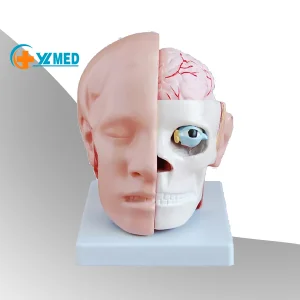
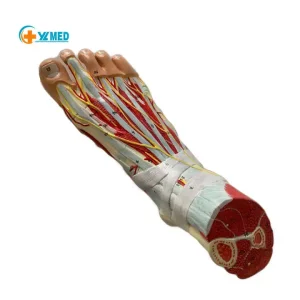
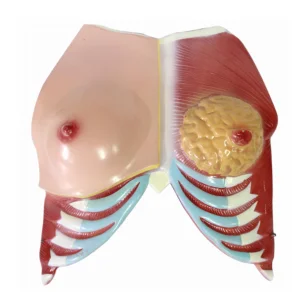
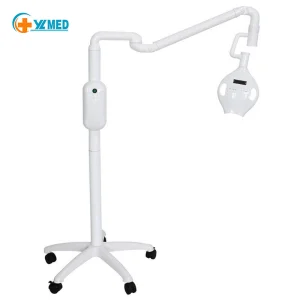
Preserved product references for cross-category sourcing. These items sit alongside neonatal simulation, hospital equipment and clinical training portfolios.
OEM Neonatal Incubator Manufacturing & Service: From Equipment Sale to Clinical Partnership
Neonatal incubators are no longer sold as isolated boxes. They are part of a thermoregulation system that connects NICU workflow, infection control, oxygen therapy, clinical training, spare-part logistics and long-term service economics.
A neonatal incubator is one of the most trust-sensitive devices in a hospital. It supports preterm and low-birth-weight infants whose immature thermoregulation, fragile skin, limited immune defence and developing respiratory systems leave little tolerance for temperature drift, humidity error, excessive noise, poor access or delayed maintenance. For an OEM buyer, the decision is therefore not only a product-specification exercise. It is a long-term clinical partnership that must survive tender scrutiny, import registration, ward-level usability, biomedical verification and years of spare-part continuity.
The global context reinforces that pressure. WHO estimates that around 15 million babies are born preterm every year, and preterm birth complications remain a leading cause of neonatal mortality. Hospitals in high-income markets are upgrading closed-loop thermal control, central monitoring and cybersecurity; hospitals in fast-growing markets need rugged, serviceable and affordable systems; humanitarian programmes require portability, training simplicity and reliable spare parts. A credible OEM neonatal incubator manufacturer must design for all three realities at once.
Thermal Safety
Servo-controlled skin and air temperature, overshoot protection, alarm hierarchy and validated warm-up behaviour.
Clinical Usability
Hands-on access, tubing ports, x-ray tray, mattress height, cleaning routes and alarm visibility during night shifts.
OEM Flexibility
Private label, language packs, regional plugs, packaging, IFU content and configuration choices without losing traceability.
Service Readiness
Preventive maintenance kits, calibration procedures, field-replaceable modules and remote troubleshooting support.
What a Complete OEM Neonatal Incubator & Service Program Includes
A strong OEM offer goes beyond assembling a chamber. It defines the clinical platform, documentation package, configurability, field service model and lifecycle support that distributors and hospitals can defend in audits and tenders.
Incubator Platform
Infant chamber, mattress, hood, access doors, iris ports, x-ray tray, shelf rails, humidification chamber and trolley configuration.
Servo Thermoregulation
Air-mode and skin-mode control, dual sensor logic, heat-output limiting, temperature trend display and alarm escalation.
Humidity & Oxygen
Humidification control, water-reservoir handling, oxygen inlet integration and optional oxygen concentration monitoring.
Monitoring Interface
SpO₂, skin temperature, heart rate and alarm integration; central-station compatibility; clear separation of device and network alarms.
Phototherapy Option
Integrated or stand-alone blue-light therapy, irradiance verification, eye-protection workflow and service calibration.
Transport Configuration
Battery operation, vibration protection, secure fixation, ambulance power compatibility and rapid deployment checks.
Regulatory Dossier
Risk file, test reports, labelling, IFU, software lifecycle evidence, biocompatibility and change-control documentation.
Lifecycle Service
Installation, commissioning, user training, preventive maintenance, spare-part kits, calibration and complaint handling.
Standards, Risk Controls and Design Details That Shape Every Build
For OEM buyers, standards are not a paperwork burden. They determine which design choices can be validated, exported, installed and defended during clinical use.
IEC 60601-2-19 Alignment
Infant incubator safety requirements should shape temperature control, alarm limits, mechanical stability, mattress tilt, access ports and risk-control verification.
ISO 13485 & ISO 14971
Quality management and risk management must connect design inputs, verification, production controls, post-market feedback and change notification.
Alarm System Safety
IEC 60601-1-8 considerations include alarm priority, visual and audible distinction, silence behaviour, sensor-failure detection and network alarm latency.
Usability Engineering
IEC 62366 thinking matters in the NICU: gloves, night lighting, urgency, cleaning workflow, language variation and caregiver handover all affect safety.
Software Lifecycle
Where software controls temperature, alarms or connectivity, IEC 62304-style discipline supports traceability, verification, cybersecurity and update control.
Infection Control
Smooth surfaces, removable humidifier parts, sealed cable paths, cleanable gaskets and validated disinfection guidance reduce biofilm and cross-contamination risk.
Global Trends Reshaping Neonatal Thermal Care in 2025 and Beyond
Neonatal care is becoming more connected, more data-driven and more accountable. OEM programmes that anticipate these shifts can support distributors for multiple product cycles.
Closed-Loop Thermal Control
Hospitals increasingly expect servo-controlled temperature stability, trend review and fewer manual adjustments during high-acuity care.
Central Monitoring
NICU teams want incubator data to flow into central stations and EMR workflows while keeping device alarms clearly prioritised.
Modular Clinical Platforms
Hospitals value configurations that can be upgraded with phototherapy, monitoring or transport modules without replacing the full platform.
Service-as-a-Product
Buyers compare uptime, spare-part lead time, training quality and remote support as seriously as purchase price and specification.
Cybersecurity & Data Governance
Connected devices require access control, update discipline, network segmentation guidance and clear responsibility between OEM, hospital IT and service teams.
Human-Centred NICU Design
Noise reduction, light management, parent bonding access and developmental care are becoming procurement criteria, not optional extras.
Global Procurement Demand: What Hospitals, Distributors and Tenders Now Expect
In 2025, buying teams are not only checking whether an incubator heats correctly. They are evaluating documentation depth, lifecycle economics, local service and supply continuity under audits and tight clinical schedules.
Tender-Ready Documentation
Technical sheets, compliance statements, test reports, labelling, IFU, risk summaries and spare-part lists must be consistent across every revision.
Total Cost of Ownership
Purchase price is only one line. Energy, filters, sensors, calibration, preventive maintenance, downtime and training time drive real lifecycle cost.
Local Service Presence
Distributors need trained engineers, spare-part stocking plans, response targets and escalation routes that are realistic in their region.
Regulatory Pathway Clarity
OEM partners must support country-specific registration, language requirements, electrical safety expectations and change-notification duties.
Clinical Training Quality
Hospitals value structured installation and competency training, especially for night staff, rotating residents and biomedical teams.
Supply Continuity
Dual sourcing, buffer stock, predictable lead times and change-control discipline reduce tender risk for distributors and public buyers.
China Factory 4.0: Supply Chain Resilience and Efficiency for OEM Programs
The competitive advantage of Chinese medical-equipment manufacturing is no longer limited to cost. It is the ability to combine rapid engineering changes, mature component clusters, digital production traceability and export logistics discipline.
Digital MES Traceability
Serial-number tracking, component lot records, test logs and calibration history support audits, field actions and spare-part matching.
Validated Process Control
Controlled assembly, torque checks, leak tests, electrical safety tests and temperature calibration routines are documented as repeatable processes.
Automated Test Stations
Function testers can verify alarms, sensor inputs, heating limits and display behaviour faster, with less operator-dependent variation.
Modular Design for Service
Field-replaceable sensors, controller boards, door gaskets and heater modules reduce repair time and make distributor service feasible.
Dual Sourcing & Buffer Stock
Critical components such as sensors, power supplies and display modules can be dual-qualified to reduce single-supplier disruption risk.
Export Logistics Discipline
Shock indicators, moisture control, wooden-case compliance, battery shipping rules and document harmonisation protect delivery quality.
Global Commercial and Industrial Status of Neonatal Incubator Manufacturing
Demand is shaped by clinical burden, hospital infrastructure and regulation. Supply is shaped by electronics, polymer processing, sensor calibration, software validation and service networks.
Preterm Burden Drives Demand
Every region with a high preterm rate needs reliable thermal support, but the configuration differs between tertiary NICUs, district hospitals and outreach units.
NICU Expansion & Upgrade Cycles
Public hospitals and private networks are upgrading older incubators with humidity control, monitoring integration and quieter chamber designs.
Regulatory Pressure Rises
More markets require structured technical files, post-market surveillance and change notification. Documentation quality becomes a sales capability.
Supply Chain Regionalisation
Distributors are balancing lowest landed cost with resilience, lead time, component continuity and access to service parts.
Service Economy Matures
Revenue and reputation increasingly depend on preventive maintenance contracts, calibration support, training and fast spare-part fulfilment.
Digital Differentiation
Remote diagnostics, digital training and data dashboards are becoming commercial differentiators, provided they are secure, validated and clinically useful.
Localised Application Scenarios for Neonatal Incubator Programs
The same platform can serve very different clinical environments when configuration, training and service planning are localised correctly.
Tertiary NICU
High-acuity configuration with servo control, humidity, oxygen monitoring, central-station connectivity and advanced alarms for complex preterm care.
District & General Hospitals
Rugged, easy-to-train systems with modular service parts, clear alarm prompts and practical cleaning routines for busy maternity units.
Transport & Ambulance Use
Battery-powered transport incubators need secure fixation, vibration tolerance, fast thermal recovery and procedures that match emergency workflow.
Rural & Outreach Clinics
Low-complexity configurations, stable power conditioning, simple maintenance and remote training support improve access in resource-limited settings.
Teaching Hospitals & Simulation Labs
Combining incubator training with neonatal simulators, anatomy models and skills labs improves staff competency and equipment familiarity.
Humanitarian & Disaster Response
Portable systems, simplified accessories, multilingual quick guides and spare-part kits support rapid deployment and field reliability.
How to Select an OEM Neonatal Incubator Manufacturer
The strongest supplier is not always the one with the lowest quotation. Use a structured scorecard to compare clinical capability, compliance depth, service reach and supply resilience.
Quality & Regulatory Depth
Check ISO 13485 fit, risk-management maturity, test evidence, software control, labelling control and country-specific registration support.
Clinical Validation Logic
Review alarm behaviour, temperature recovery, humidifier performance, cleaning validation and usability findings from simulated NICU tasks.
Service Network & Training
Confirm engineer training, response time, spare-part list, calibration tools, remote support protocol and escalation contacts for your market.
Supply & TCO Modelling
Model purchase price, freight, duties, installation, training, maintenance, spare parts, downtime and end-of-life planning over 7 to 10 years.
Service That Protects Uptime, Training Quality and Brand Reputation
Neonatal incubator service must be planned before shipment. Installation, training, spare parts and calibration are part of the product promise, not a post-sales afterthought.
Installation & Commissioning
Pre-installation checks, electrical safety verification, functional testing, alarm checks and documented handover.
Clinical & Technical Training
Role-based training for nurses, biomedical engineers and distributors, with competency records and refresher modules.
Preventive Maintenance
Scheduled inspection of heaters, sensors, filters, gaskets, humidifier chambers, batteries, alarms and electrical safety.
Spare Parts & Calibration
Recommended spare-part lists, calibration instructions, module replacement procedures and efficient escalation routes.
Yulin Medical: Established Medical Education & Hospital Equipment Manufacturing Base
Henan Yulin Edu. Project Co., Ltd. has built educational and medical training equipment in Xinxiang, China, for more than six decades. Its quality management system has been ISO 9001 certified since 2008, and its operating motto is simple: quality first, service first.
Founded in 1958, Henan Yulin Edu. Project Co., Ltd. has grown into a well-known educational and medical equipment supplier that integrates scientific research, production and sales. With registered capital of RMB 120 million and more than 200 professional employees, we manage product development, manufacturing, inspection and export from our base at No. 8 Daoqing Road, Hongqi District, Xinxiang. Our goal is to fully satisfy every customer through dependable quality and attentive service, while continuously developing the skills of our team so that each project is handled by experienced people.
Original Yulin Medical Product Category Links
Why Distributors and Institutions Partner with Yulin Medical
Four strengths overseas buyers consistently cite when they move long-term orders to our factory.
24/7 Responsive Service
Our team is online 24 hours a day, 7 days a week. Whatever your time zone, you receive a detailed answer as quickly as possible — typically within 24 hours.
Design & Packaging Team
In-house specialists deliver professional product design and private-label packaging that strengthens your brand and increases the added value of every unit you sell.
Professional Expertise
Our vision is to provide the most professional educational and medical training products from mainland China, built under ISO 9001 process control and decades of category knowledge.
60+ Years of Supply Stability
A factory with over 60 years of history and a deeply integrated partner supply chain lets us meet one-stop demands and keep lead times predictable on repeat orders.
A Transparent 5-Step Process for Overseas Buyers
From first conversation to delivery, every stage has a named contact and clear documentation, so you can plan stock, tenders and training schedules with confidence.
Share Requirements
Send product types, quantities, target market and any tender or certification needs.
Catalog & Proposal
Receive matched models, specifications, packaging options and shipping suggestions.
Sample Evaluation
Test samples with your instructors or clinicians before confirming bulk production.
Production & QC
Manufacturing and inspection follow our ISO 9001 quality management system.
Export & Support
Protective export packing, delivery coordination and responsive after-sales service.
Frequently Asked Questions from Importers
Straight answers to the questions procurement managers ask most before placing a first order or comparing an OEM neonatal incubator programme.
Is Yulin Medical a manufacturer or a trading company?
We are a manufacturer. Henan Yulin Edu. Project Co., Ltd. was founded in 1958 and operates its own factory in Xinxiang, Henan, China, with more than 200 professional staff. For one-stop orders, we also coordinate a stable network of long-term partner factories.
What quality certification does Yulin Medical hold?
Our quality management system has been ISO 9001 certified since 2008. Product-specific documentation can be provided on request for tenders and import registration.
Do you support OEM, private label and custom packaging?
Yes. Our in-house design team develops private-label packaging and product presentation for distributors to increase shelf appeal and resale value.
How do I choose the right CPR training manikin?
Match the manikin to the learner group (adult, child or neonatal), check that real-time feedback covers compression depth, rate and ventilation, confirm alignment with current AHA resuscitation guidelines, and decide whether AED training integration is required.
How quickly will I receive a reply?
Our export team is online 7 days a week and typically replies within 24 hours with catalogs, specifications and shipping options.
What is the difference between OEM and ODM for neonatal incubators?
OEM usually means the manufacturer builds to your brand, specification, labelling and market requirements. ODM means the manufacturer offers a mature platform that can be customised for your brand with fewer new design inputs. The right choice depends on regulatory ownership, volume, differentiation needs and service capability.
Which standards should an incubator programme align with?
A programme should be designed around applicable medical electrical equipment standards such as IEC 60601-1, IEC 60601-2-19 and IEC 60601-1-8 where alarms are involved, supported by ISO 13485 quality management, ISO 14971 risk management and country-specific registration requirements.
How do you protect uptime across different regions?
Uptime is protected through recommended spare-part kits, field-replaceable modules, calibration procedures, distributor training, remote troubleshooting protocols and clear escalation paths. The exact model should be agreed before shipment.
How should buyers compare total cost of ownership?
Compare capital cost, freight, duties, installation, user training, preventive maintenance, calibration, spare parts, downtime risk and regulatory renewal over a realistic 7 to 10 year horizon. A lower purchase price can be more expensive if service and parts are weak.
Medical Education & Clinical Equipment | Final 8 Products
Complete product references preserved for distributors and procurement teams building a broader medical education, dental training or hospital equipment order.