OEM Nursing & Medical Teaching Models — Factory-Direct Selection
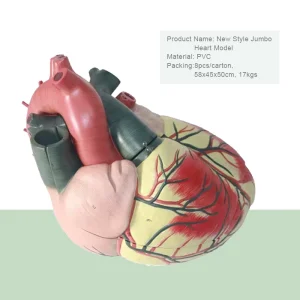
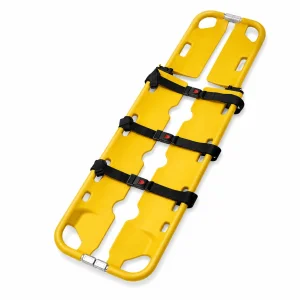
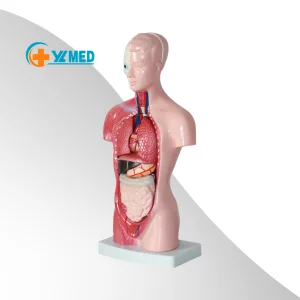
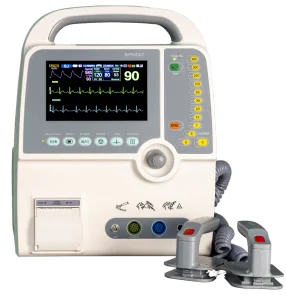
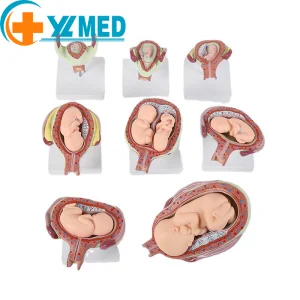
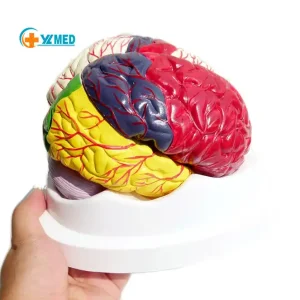
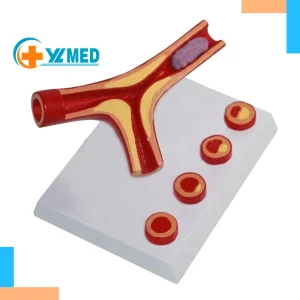
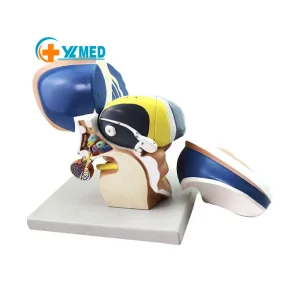
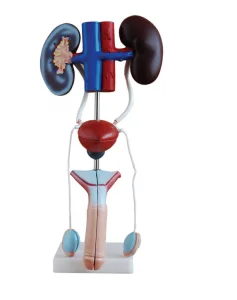
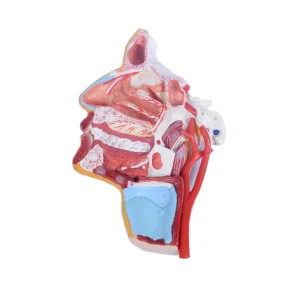
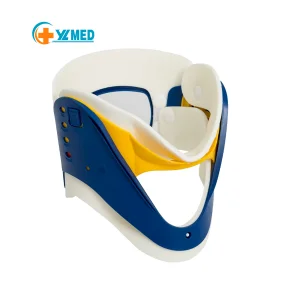
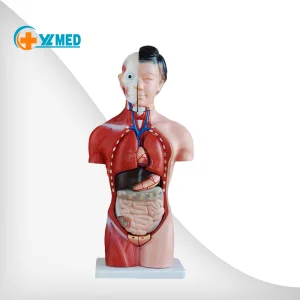
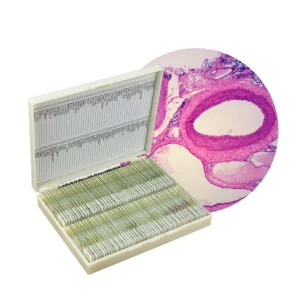
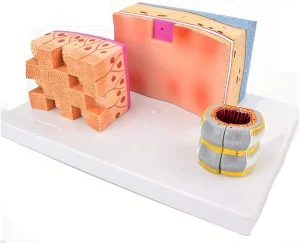
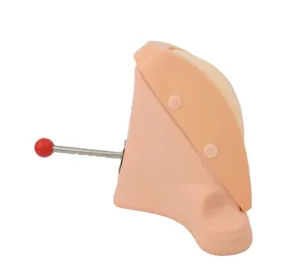
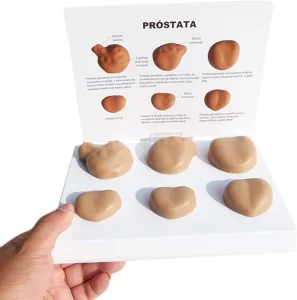
Eight current factory-direct products from the Yulin Medical range. Each card preserves its original product image, product page URL and button-style link for OEM, private label and mixed-category sourcing.
Executive Summary: Why OEM Midwifery Simulation Is a Strategic Sourcing Category
Midwifery and nursing simulation is moving from optional teaching aid to core infrastructure for safe maternity care. Buyers now compare anatomical fidelity, repeatable practice, documentation, and total cost of ownership.
OEM midwifery training simulator manufacturing is no longer a niche category. As maternal health systems expand, nursing colleges and hospitals need simulation tools that are anatomically credible, durable enough for repeated use, and supported by documentation that satisfies procurement teams. The best sourcing relationships combine a factory that can produce across anatomy, nursing and emergency training categories with a partner that understands local curriculum, tender language and private-label requirements.
Henan Yulin Edu. Project Co., Ltd. — trading as Yulin Medical — has operated in Xinxiang, Henan, China since 1958 and has held ISO 9001 certification since 2008. With more than 200 professional staff, registered capital of RMB 120 million and ten product lines, the company supports distributors, medical universities, nursing colleges and hospitals with factory-direct teaching models, simulation manikins and hospital equipment. Its stated motto is “quality first, service first.” For buyers, the practical benefit is one accountable manufacturer for anatomy models, nursing simulators, laboratory slides and hospital equipment — consolidated into one shipment and backed by a quality management system.
This white paper explains how to evaluate an OEM midwifery training simulator nursing factory, what to expect from a pricelist, where localized simulation delivers measurable value, and how China’s supply chain can be used without compromising compliance. It also links the concepts to concrete products in the current Yulin Medical range, including episiotomy and suture skills trainers, female torso models, fetal development models, brain and organ anatomy models, emergency cervical collars, rescue stretchers and other teaching resources. The goal is information gain: less generic marketing language, more decision-grade detail for procurement, distributors and clinical educators.
Factory at a Glance
A six-decade manufacturing base with a documented quality system, private-label design support and export coordination.
What Is an OEM Midwifery Training Simulator Nursing Program?
An OEM program is a production partnership: the buyer defines the brand, market and configuration; the factory delivers a documented, repeatable simulator that fits the local curriculum.
An OEM midwifery training simulator is a production arrangement in which a manufacturer builds a simulator to a buyer’s specification, then applies the buyer’s brand, packaging and documentation. Related models include ODM, where the manufacturer originates the design, and private label, where a proven product is adapted for a distributor’s catalogue. In practice, the line between them is flexible. A distributor may begin with a proven episiotomy and suturing trainer, request a localized manual, adjust the carry case, and later commission a new modular birth canal or postpartum hemorrhage module for its own catalogue.
The right factory must therefore offer more than assembly. It needs anatomical design review, material selection, mold and tooling capability, small-batch flexibility, inspection discipline and export packing that protects sensitive silicone or plastic components. Simulation value is created at the intersection of fidelity and repeatability. A model that looks realistic but tears after a few suturing exercises creates hidden costs in replacement pads, instructor time and learner confidence. A model that is durable but anatomically misleading is worse.
Procurement teams should ask for sample evaluation, material specifications, replacement-part availability and a clear statement of which structures are replaceable. They should also check whether the simulator supports the intended curriculum: normal birth, malpresentation, episiotomy and repair, neonatal assessment, postpartum hemorrhage, maternal resuscitation and team communication. The pricelist should distinguish base units, consumables, optional sensors, private-label packaging, documentation and shipping terms.
- Anatomical credibility: clear landmarks, realistic tissue layers and replaceable wear parts.
- Curriculum fit: mapping to local midwifery, nursing and emergency care competencies.
- Commercial clarity: base model, options, consumables, packaging and freight quoted separately.
- Documentation: ISO 9001, inspection records and product-specific evidence for tenders.
Information Gain for Buyers
Most catalogue pages list model names and pictures. A decision-grade OEM programme adds four layers of information:
1. Clinical use case. Which procedure, learner level and assessment outcome the simulator supports.
2. Material and maintenance. Silicone, PVC or engineering plastic; cleaning method; replacement interval; spare-part codes.
3. Localization. Language, packaging, manual style, curriculum references and tender documentation.
4. Total cost. Unit price, consumables, replacement parts, shipping, duties and training time.
Localized Application Scenarios: Where Midwifery Simulators Deliver Measurable Value
The same simulator can serve different buyers when it is configured for the local learning environment. These six scenarios show how midwifery, nursing and anatomy products work together.
University Midwifery Laboratories
Use female torso models, fetal development models and episiotomy/suture trainers to sequence skills from anatomy to procedure. Students can practise incisions, suturing layers and instrument handling before supervised clinical placement.
Nursing & Maternal-Newborn Colleges
Adult, child and neonatal CPR manikins plus maternal models support drills for postpartum hemorrhage, neonatal resuscitation and escalation. Repeatable scenarios reduce variation between instructors.
Hospital Simulation Centres
Obstetric emergency teams can rehearse shoulder dystocia, hemorrhage and transfer decisions using task trainers and patient-transfer equipment such as scoop stretchers. Debriefing is easier when every team uses the same physical model.
Vocational & Community Training
Lightweight anatomical models, cervical collars and first-aid trainers can be packed into mobile teaching kits for rural clinics, community midwife refresher courses and outreach programmes.
Distributor Demonstration Rooms
Private-label product families give distributors a coherent catalogue for midwifery, nursing, anatomy and emergency care. Consistent design and packaging help local sales teams tell a clear story.
Blended & Remote Learning
Camera-ready models, contrast-rich numbered structures and QR-friendly documentation support online demonstrations. In future, sensor-enabled models can stream performance data to a learning management system.
Technical Roadmap and Future Outlook: From Anatomical Models to Connected Simulation
Midwifery simulation is evolving from static anatomy towards sensor-enabled, data-informed learning. The roadmap below balances near-term manufacturability with long-term educational value.
Anatomical Accuracy & Modular Materials
Design around real anatomy; use silicone, PVC and engineering plastics with validated hardness; make wear parts replaceable so institutions can budget for consumables.
Sensor-Enabled Feedback
Embed pressure, angle and tension sensors for compression depth, ventilation volume and suturing tension; provide simple visual or audible feedback for classroom use.
AI-Assisted Assessment & Cloud LMS
Convert sensor data into objective scores, store attempt histories and generate instructor reports. AI can flag patterns such as shallow compressions or inconsistent knot tension.
AR/VR & Remote Instruction
Overlay anatomy labels, procedural steps and emergency algorithms on physical models; connect remote learners to instructors through shared views and performance dashboards.
Sustainable & Localized Production
Use recyclable packaging, reduced material waste and local assembly or kitting partnerships where volume justifies it. Localization also improves lead time and service response.
China Factory Supply Chain Resilience and Efficiency Advantages
A resilient supply chain is not simply a low unit price. It is the ability to absorb change — new packaging, mixed orders, sample iterations and documentation requests — without losing quality or lead-time control.
China’s medical education supply chain is often described in broad terms, but resilience is built from specific capabilities. A factory that controls mold making, injection molding, silicone casting, assembly and inspection can respond faster when a buyer changes packaging, adds a replaceable part or needs a mixed order. Yulin Medical’s base in Xinxiang, Henan, brings these steps together across ten product lines. That matters for midwifery simulation because a single order may combine a female torso model, fetal development models, an episiotomy and suture trainer, neonatal CPR manikins, histopathology slides and emergency transfer equipment.
Supply-chain resilience also depends on supplier depth. Long-term partner factories, standardized components and documented inspection routines reduce the risk of a single-point failure. For overseas buyers, the practical advantages are predictable lead times, mixed-category consolidation, private-label packaging and one point of contact for documentation. The factory’s ISO 9001 system, in place since 2008, provides a process framework for incoming material checks, production control, inspection and corrective action. Buyers should still request product-specific evidence for their own market, but the management system is a useful baseline.
Efficiency comes from fit between order design and production flow. A distributor that orders anatomy models, nursing simulators and hospital equipment together can consolidate shipping and reduce administrative load. A university that needs a repeatable semester intake can schedule production around its academic calendar. A hospital that needs urgent replacement parts can use a documented spare-parts list rather than re-ordering a complete unit. These are practical gains that do not appear in a headline price, but they shape total cost and teaching continuity.
Vertical Integration & Tooling
In-house or closely coordinated mold and sample development shortens iteration cycles for new training models and private-label packaging.
Flexible OEM / ODM
Private label, packaging, manual and model configuration can be adapted to distributor brands and local curriculum needs.
Quality Control
ISO 9001 process control, incoming material checks, inspection and pre-shipment verification support repeat orders.
Export Efficiency
Consolidated shipments, protective packing and a 24-hour response commitment reduce procurement friction for overseas buyers.
Global Commercial and Industrial Landscape
Demand for maternal and neonatal simulation is being shaped by workforce pressures, safety standards, simulation adoption and distributor consolidation. Each buyer profile has a different decision framework.
Maternal Health Investment
Health systems are investing in safer birth practices and emergency obstetric care, creating demand for repeatable task trainers and team-based drills.
Nursing & Midwifery Workforce
Shortages are pushing schools to increase cohort sizes without proportional growth in clinical placements, making simulation a capacity multiplier.
Simulation-Based Education
Simulation is moving from optional enrichment to accreditation-linked practice, with assessment evidence increasingly important to institutions.
| Buyer Profile | Typical Requirement | Recommended Product Route | Commercial Benefit |
|---|---|---|---|
| University midwifery school | Anatomical accuracy, curriculum fit, durable practice | Female torso, fetal development models, episiotomy and suture trainers, organ models | Better learner readiness and repeatable lab sessions |
| Nursing college | Maternal-newborn skills, CPR and emergency response | CPR manikins, nursing models, anatomy models, first-aid trainers | Scalable cohort training with consistent assessment |
| Hospital simulation centre | Team drills, obstetric emergencies, transfer decisions | Task trainers, patient-transfer stretchers, emergency collars, scenario kits | Improved crew coordination and clinical readiness |
| Medical distributor | Catalogue coherence, margin, private label, after-sales | OEM/ODM product families, mixed-category orders, branded packaging | Higher resale value and lower supplier management cost |
| Community / NGO training | Portable kits, low maintenance, clear instruction | Lightweight anatomical models, first-aid equipment, basic CPR trainers | Reach underserved areas with practical refresher training |
Localization Support and Compliance Assurance
Localization is not only translation. It includes packaging language, instruction style, local curriculum references, spare-parts planning and after-sales response. Compliance should be evidence-based, not assumed.
ISO 9001 Quality System
Certified since 2008. The management system supports incoming material control, production discipline, inspection and corrective action.
Tender & Import Documentation
Inspection reports, packing lists, material declarations and product-specific documents can be provided on request to support tenders and registration.
Language & Packaging
Private-label packaging and product presentation are developed in-house for distributors, helping align the product with local branding.
Sample Evaluation
Test samples with instructors or clinicians before bulk production. This reduces the risk of a mismatch between the model and the local curriculum.
Spare Parts & Maintenance
Replaceable wear parts and clear maintenance guidance extend service life and protect the institution’s training budget.
After-Sales Support
Export team online 7 days a week, typically replying within 24 hours with catalogues, specifications and shipping options.
OEM, Private Label and Pricelist: A Five-Step Path to Your Midwifery Simulation Range
From first specification to export delivery, a transparent process keeps clinical, commercial and compliance needs aligned.
Requirements & Market Brief
Share learner group, procedures, target market, annual volume, certification needs and packaging preferences.
Model Selection & Proposal
Receive matched models, specifications, option lists and a modular pricelist covering base units, consumables and shipping.
Sample Evaluation & Validation
Test with instructors or clinicians. Confirm anatomy, material feel, cleaning method and assessment fit before bulk production.
Private Label & Production
Apply your brand, manual, packaging and product presentation. Production follows the ISO 9001 quality framework.
QC, Export & After-Sales
Pre-shipment inspection, protective export packing, delivery coordination and responsive after-sales support.
An OEM midwifery training simulator pricelist is a configuration document, not a single number. The quotation can change with anatomical complexity, material grade, sensor integration, replaceable consumables, packaging, manual language, order quantity and shipping method. Buyers get faster, more accurate quotes when they share target market, learner group, annual volume, certification needs and whether the product will be sold under a distributor brand. For first orders, a sample evaluation is strongly recommended before bulk production. This reduces the risk of a mismatch between the model and the local curriculum.
Frequently Asked Questions from Importers & Clinical Educators
Straight answers to the questions procurement managers, distributors and teaching institutions ask before placing a first OEM order.
Is Yulin Medical a manufacturer or a trading company?
We are a manufacturer. Henan Yulin Edu. Project Co., Ltd. was founded in 1958 and operates its own factory in Xinxiang, Henan, China, with more than 200 professional staff. For one-stop orders, we also coordinate a stable network of long-term partner factories.
What quality certification do you hold?
Our quality management system has been ISO 9001 certified since 2008. Product-specific documentation can be provided on request to support tenders and import registration in your country.
Do you support OEM, private label and custom packaging?
Yes. Our in-house design team develops private-label packaging and product presentation for distributors, helping increase shelf appeal and resale value in your market.
How do I choose the right CPR training manikin?
Start with the learner group: adult, child or neonatal. Then check that real-time feedback covers compression depth, compression rate and ventilation volume; confirm alignment with current AHA resuscitation guidelines; and decide whether your courses need AED trainer integration. For advanced life-support programmes, an ACLS simulator with embedded scenarios offers far more assessment value than a basic torso.
How quickly will I receive a reply?
Our export team is online 7 days a week and typically replies within 24 hours with catalogues, specifications and shipping options.
Can you supply midwifery-specific training models and episiotomy trainers?
Yes. The current range includes episiotomy and suture skills training models, female torso models, fetal development models and related nursing and anatomy teaching resources. We can also discuss OEM configuration for distributor-specific midwifery programmes.
What affects the OEM midwifery simulator pricelist most?
Key variables include anatomical complexity, material grade, sensor integration, replaceable consumables, private-label packaging, manual language, order quantity and shipping method. A modular quotation is more useful than a single headline price.
Can we order samples before bulk production?
Yes. Sample evaluation is recommended for OEM and private-label projects. Test the model with your instructors or clinicians, confirm material feel and cleaning methods, then approve the final specification before bulk production.
Do you provide documentation for tenders and import registration?
We can provide ISO 9001 certification, inspection reports, packing lists, material declarations and product-specific documentation where available. The importer remains responsible for regulatory approval in the destination market.
How are products packed for export?
Products are packed for export with protective packaging appropriate to the model and shipping method. Mixed-category orders can be consolidated to reduce handling and administrative cost, with packing lists provided for customs and tender records.
Request a Current OEM Midwifery Training Simulator Pricelist
Share your target market, learner group, quantities, packaging language and certification needs. Our export team will recommend suitable models, provide specifications and propose an economical shipping plan.
More Factory-Direct Nursing & Medical Teaching Models
The second group of eight products from the current Yulin Medical range. Original product images, URLs and product-page links are preserved for direct sourcing.