OEM Hospital & Medical Equipment Assortment
The eight live product examples below demonstrate the type of mixed-category OEM sourcing that global distributors request alongside medical suction machines, CPR training products, emergency devices, anatomy models and hospital equipment. Every product URL and image from the supplied catalogue is preserved.
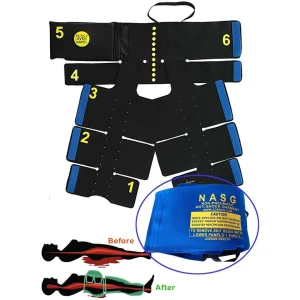
OEM Elastic resistance band with tension strap, non-pneumatic shock-absorbing splint, emergency splint, anti-shock support device Manufacturer, Manufacturers
View OEM product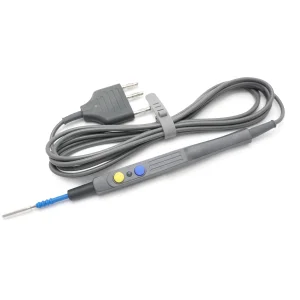
Wholesale Surgical accessories: Disposable electrosurgical pen, Reusable ESU pen-shaped electrocautery device, Pen-shaped surgical instruments Manufacturers, Factories
View OEM product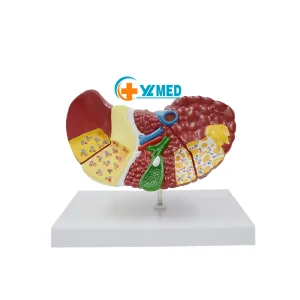
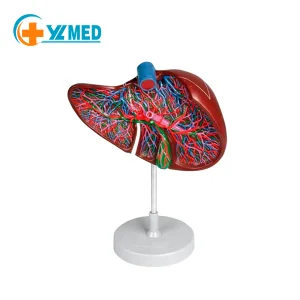
ODM Medical science experiment liver anatomy model with base doctor-patient communication model, human physical model Factory, Pricelist
View OEM product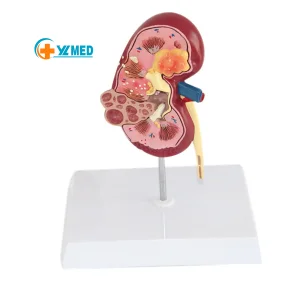
ODM Anatomy urology special renal lesion model human kidney anatomy model Manufacturer, Service
View OEM product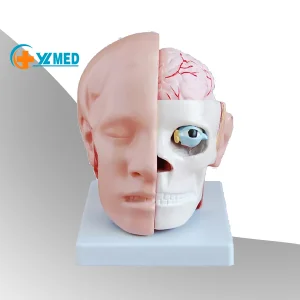
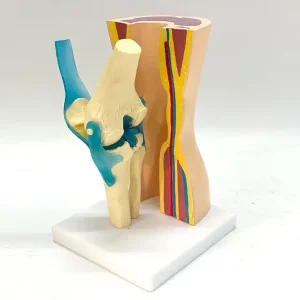
ODM Medial Science Human Skeleton Model Knee Joint Ligament with Anatomy Half Leg Model Manufacturers, Pricelist
View OEM productWhy Medical Suction Machine Sourcing Needs an Information-Gain Approach
A medical suction machine looks simple: a vacuum pump, a collection canister, tubing, filters and a regulator. In clinical practice it is a safety-critical system that influences surgical field visibility, airway clearance, infection control, neonatal care, emergency response and waste handling. Buyers who compare only unit prices often discover hidden costs in compliance, spare parts, canister compatibility, battery replacement and training.
Price Is Configuration-Driven
An OEM suction machine pricelist is a matrix, not a single number. Vacuum level, free-air flow, canister volume, anti-overflow protection, battery autonomy, filtration class, regulatory dossier and packaging all change the factory quotation.
Compliance Comes First
Depending on market and classification, documentation may reference ISO 10079 suction standards, IEC 60601-1 electrical safety, IEC 60601-1-2 electromagnetic compatibility, ISO 13485 quality systems, EU MDR, FDA requirements or national registration.
Localization Changes Design
Voltage, plug type, language, alarm behavior, canister disposal practice, spare-parts access and service expectations differ by region. A serious OEM factory designs for the destination market, not only for the showroom.
TCO Beats Unit Price
Total cost of ownership includes filters, canisters, tubing, battery cycles, preventive maintenance, training, spare pumps, freight and inventory risk. A lower unit price can be more expensive across a three-year hospital fleet programme.
The Global Medical Suction Machine Market in 2026
Demand for medical suction machines is shaped by surgical volume, ageing populations, chronic disease management, infection prevention, emergency preparedness, home care and veterinary medicine. The supply side is equally dynamic: established clinical brands compete on evidence and service networks, while Asian OEM factories compete on vertical integration, engineering speed, flexible MOQ and private-label execution.
Surgical Throughput & ICU Capacity
Hospitals continue to standardize suction equipment across operating theatres, recovery rooms, intensive care and emergency departments. Dual-canister theatre units, high-vacuum systems and wall-mounted regulators are often purchased as fleet programmes rather than one-off devices.
Infection Control & Waste Handling
Reusable canisters, disposable liners, hydrophobic filters, overflow shut-off valves and easy-clean housings are evaluated together. Procurement teams increasingly request evidence for cleaning validation, material compatibility and cross-contamination risk reduction.
Home Care & Long-Term Care
Portable aspirators for airway clearance and home nursing require quiet operation, simple controls, low weight, reliable battery performance and caregiver-friendly maintenance. Distributors need packaging, training inserts and after-sales support that fit home-care channels.
Emergency Preparedness
Ambulances, field hospitals and disaster-response agencies prioritize battery-powered suction, rugged enclosures, wide voltage tolerance, spare canisters and easy training. Tender packages often require rapid spare-parts availability and documented test reports.
OEM & Private-Label Growth
Distributors want differentiated branding, localized manuals, custom cartons, product photography, barcode labeling and regulatory documentation. Factories that can manage these tasks reduce time-to-market for importers and tender suppliers.
Serviceability & Spare Parts
The commercial status of a factory is revealed after delivery. Fast-moving parts such as pump diaphragms, seals, filters, tubing, regulators, switches and canisters must remain available. Distributors should ask for a recommended spare-parts kit and a three-year availability statement.
Industry Development Trends
Buyers are moving toward modular platforms that share pumps, housings, canisters and electronics across several SKUs. This reduces tooling cost, simplifies spare-parts inventory and allows regional variants without redesigning the entire device. Other visible trends include oil-free diaphragm pumps, quiet operating modes, HEPA/ULPA exhaust filtration, anti-overflow sensors, hot-swappable batteries, NFC service logs and recyclable packaging.
From Commodity Aspirator to Clinical Platform
The commercial opportunity is no longer limited to a basic electric aspirator. OEM factories are asked to support theatre-grade vacuum, neonatal precision, dental wet/dry suction, veterinary procedures, emergency transport and home-care channels. A platform strategy helps a distributor build a coherent catalogue while keeping service training, filters and accessories familiar across the range.
Vacuum Technology, Compliance & Future Outlook
Choosing a suction machine begins with the clinical task, not the pump label. Flow, vacuum, duty cycle, noise, fluid path, filtration and power source must be matched to the application. The following roadmap is written for procurement teams who need to compare technically credible options.
| Vacuum Source | Typical Strength | Trade-Off to Verify | Best-Fit Applications |
|---|---|---|---|
| Rotary vane pump | High vacuum, continuous duty, strong performance for theatre and ICU | Noise, maintenance, oil-free design verification, seal wear | Operating theatre, ICU, high-volume suction systems |
| Diaphragm pump | Oil-free operation, compact size, good for portable and home-care devices | Lower free-air flow, vibration control, valve life | Portable aspirators, ward use, home care, emergency kits |
| Piston pump | Durable, higher flow potential, robust for demanding field use | Weight, vibration, noise, duty-cycle management | Field hospitals, veterinary, rugged clinical environments |
| Venturi vacuum | No electrical motor, compact wall or gas-driven operation | Dependence on medical air or gas supply, flow capacity | Operating theatre wall systems, dental, clinical gas installations |
| Peristaltic pump | Fluid path isolation, precise low-flow control | Flow range, tube wear, calibration | Dental, laboratory, specialized aspiration |
2026: Sensor-Based Safety
Occlusion detection, filter-load alerts, canister-full sensing and battery health indicators move from premium devices into mainstream OEM platforms. These features reduce troubleshooting calls and improve clinical confidence.
2027: Battery & Wide Voltage
Hot-swappable batteries, USB-C service ports, 100–240 V input and region-specific plugs simplify global distribution. For emergency and home-care channels, battery autonomy and cycle life become key differentiators.
2028: Connected Service
NFC pairing, QR-code manuals, digital service logs and optional Bluetooth status modules support distributors with limited biomed engineering resources. Cybersecurity and data privacy must be addressed in the design stage.
2030: Predictive & Sustainable
Predictive maintenance, low-carbon materials, repairable modules and take-back programmes are expected to influence hospital tenders. OEM factories that document material choices and repair paths will be better positioned.
Application Scenarios That Change Suction Machine Specifications
Local clinical practice, infrastructure and service culture shape the ideal suction machine. The same factory platform can be configured for different countries, but the configuration must be documented before the price list is finalized.
Operating Theatre
Requires stable high vacuum, dual canisters, reliable overflow protection, low noise and compatibility with wall vacuum or mobile trolley systems. Theatre teams value clear controls and quick canister exchange.
ICU & Critical Care
Continuous availability, battery backup, filter efficiency and easy cleaning are essential. Procurement often standardizes with other ward equipment for training and spare-parts simplicity.
Emergency & Ambulance
Portable units need rugged housing, secure mounting, battery autonomy, wide voltage tolerance and fast suction recovery. Accessories must remain organized during transport.
Neonatal & Pediatric
Precise low-vacuum control, sensitive regulators, small-bore tubing and careful overflow protection are critical. Training and label clarity matter as much as pump performance.
Dental Clinic
Dental suction emphasizes continuous fluid handling, quiet operation, compact footprint and easy hygiene. Wet/dry performance and amalgam or waste separation may be required by local rules.
Ward & Nursing
Simple controls, lightweight canisters, low maintenance and dependable suction for routine airway care. Distributors often request private-label manuals and local-language service labels.
Home Care
Quietness, portability, caregiver-friendly cleaning and low running cost dominate. Packaging and after-sales support should fit home-delivery and e-commerce channels.
Veterinary & Laboratory
Robust suction, chemical compatibility, fluid traps and varied canister sizes are important. Veterinary distributors may request different branding and accessory kits from human medical lines.
| Region | Localization Priority | Procurement Focus |
|---|---|---|
| European Union | MDR technical file, CE marking, IEC 60601 evidence, language localization, recyclable packaging | Clinical validation, post-market surveillance, environmental documentation |
| North America | FDA pathway, UL/ETL where required, 120 V variants, home-care usability, English manuals | Risk management, labeling, service network, warranty terms |
| Middle East | 220–240 V, high-temperature tolerance, tender documentation, spare-parts kits | Project packaging, training, rapid after-sales response |
| Africa | Rugged construction, wide voltage tolerance, low-maintenance pumps, solar-compatible charging options | Durability, basic spare parts, distributor training |
| Asia-Pacific | Compact designs, dental and mobile-clinic configurations, multi-language manuals | Price-performance, channel flexibility, mixed-container sourcing |
| Latin America | Spanish/Portuguese documentation, 127/220 V variants, local registration support | Registration dossiers, long-term supply, flexible MOQ |
How an OEM Medical Suction Machine Pricelist Is Built
The phrase “medical suction machine pricelist” often implies a fixed table. In OEM manufacturing, the correct deliverable is a configuration matrix with transparent cost drivers. The indicative bands below are for early planning only and are not a public offer; final pricing depends on specification, certification scope, order volume, packaging, Incoterms and destination.
| Product Class | Typical Configuration | Indicative Ex-Works Planning Band | Buyer Notes |
|---|---|---|---|
| Portable electric aspirator | 10–20 L/min class, single canister, 12 V / 220 V options, basic overflow protection | USD 60–180 | MOQ, plug type, battery, carry bag and private-label packaging affect price |
| Clinical trolley suction | 20–40 L/min, dual canisters, trolley, regulator, filter set | USD 180–420 | Noise, canister volume, anti-overflow design and wheel quality are key |
| Theatre / ICU high-vacuum unit | 40–80 L/min or higher, dual jar, high-vacuum pump, precision regulator | USD 420–1,200 | Duty cycle, EMC, alarm logic, documentation and service parts matter |
| Neonatal / pediatric suction | Low-vacuum precision regulator, small canister, sensitive overflow control | USD 250–700 | Validation, labeling, training and low-vacuum accuracy are critical |
| Dental suction | Wet/dry operation, continuous fluid handling, quiet housing | USD 150–650 | Waste separation, hygiene, flow and local installation rules vary |
| Emergency battery aspirator | Rugged housing, battery pack, fast-charge, mounting bracket | USD 300–900 | Battery autonomy, cycle life, drop test and spare batteries should be quoted |
| Veterinary / laboratory | Fluid trap, chemical-resistant tubing, variable canister sizes | USD 120–480 | Branding, accessories and MOQ flexibility influence quotation |
Should-Cost Logic for Buyers
Planning ranges, not a quotation. Actual percentages vary by design maturity, order volume and certification scope.
What to Include in a Pricelist Request
- Destination country, voltage, plug and language
- Required vacuum, free-air flow, duty cycle and noise target
- Canister volume, disposable liner preference and overflow protection
- Certification target, technical file support and labeling requirements
- Annual volume, first-order quantity and private-label artwork
- Incoterms, spare-parts kit, warranty terms and after-sales plan
How to Separate an OEM Factory from a Reseller
A credible medical suction machine factory can explain its process, show evidence and define the boundary between standard products and customization. Use the following audit checklist before releasing a purchase order, especially for tenders and private-label programmes.
01. Legal Entity & Site
Verify the business license, factory address, production floor, assembly line, test area, warehouse and export history. Confirm whether key components are made in-house, sourced from qualified suppliers or subcontracted.
02. Quality System
Ask for ISO 9001 and, where applicable, ISO 13485 certificates. Review incoming inspection, in-process checks, final test records, nonconformance handling, calibration and complaint trends.
03. Product Standards
Map the product to ISO 10079, IEC 60601-1 and IEC 60601-1-2 requirements. Confirm risk management to ISO 14971, labeling review, IFU control and post-market surveillance responsibilities.
04. Performance Validation
Request vacuum, flow, noise, duty-cycle, battery endurance, overflow, leak and drop-test reports. Verify the test setup and serial-number traceability rather than accepting a generic catalogue claim.
05. Traceability & UDI
Define batch or serial identification, component lot records, sterilization status where relevant, labeling controls and UDI requirements for the target market.
06. Packaging & Logistics
Review export cartons, foam protection, drop-test evidence, pallet configuration, barcode labels, container loading plan and mixed-SKU consolidation for distributors.
07. Spare Parts & Service
Ask for recommended spare parts, exploded diagrams, repair training, warranty terms and response times. A three-year parts availability plan reduces fleet downtime.
08. OEM Capability
Confirm private-label artwork, manual localization, packaging design, product photography, accessory bundling, MOQ flexibility and documentation ownership before the first order.
Yulin Medical: Factory Credentials
Henan Yulin Edu. Project Co., Ltd. was founded in 1958 and operates its own factory in Xinxiang, Henan, China. The company has more than 200 professional staff and registered capital of RMB 120 million. Its quality management system has been ISO 9001 certified since 2008. The product portfolio covers ten lines: anatomy models, biology prepared slides and accessories, dental tools and equipment, general teaching models, hospital furniture and equipment, hospital machines and tools, medical apparatus and instruments, medical nursing models, skeleton models, and suture pads and kits.
One-Stop OEM Supply for Mixed Categories
Suction machines are frequently purchased with emergency splints, CPR manikins, hospital furniture, anatomy models and dental training products. Yulin Medical coordinates mixed-category orders, private-label packaging and export documentation so distributors can consolidate containers and reduce supplier-management overhead. The company motto remains quality first, service first, with a 24-hour reply commitment for overseas buyers.
Share Requirements
Send product types, quantities, target market, certification needs and tender deadlines.
Catalog & Proposal
Receive matched models, specifications, packaging options and shipping suggestions.
Sample Evaluation
Test samples with instructors, clinicians or biomedical engineers before bulk production.
Production & QC
Manufacturing and inspection follow the ISO 9001 quality management system.
Export & Support
Protective export packing, delivery coordination and responsive after-sales service.
Complete Sourcing for Medical Education & Clinical Use
Ten specialized product lines let procurement teams source simulation, laboratory and hospital equipment from one accountable manufacturer instead of managing multiple suppliers. These original category links and descriptions are preserved below.
Anatomy Models
Torso, organ, heart, brain and muscle models with numbered structures for lectures and patient education.
View range → 02Biology Prepared Slides and Accessories
Histology, botany and zoology prepared slides plus storage and microscope accessories for biology labs.
View range → 03Dental Tools and Equipment
Dental teaching models, clinic lights, LED whitening units and endodontic instruments for training and practice.
View range → 04General Teaching Models
Science demonstration models for primary schools, secondary schools and education equipment tenders.
View range → 05Hospital Furniture and Equipments
Stainless steel examination couches, stretchers, walkers and shower chairs built for daily clinical use.
View range → 06Hospital Machine and Tools
Diagnosis and treatment devices and practical tools for wards, clinics and emergency departments.
View range → 07Medical Apparatus and Instruments
Emergency splints, extrication devices, cervical traction and rehabilitation instruments.
View range → 08Medical Nursing Model
Adult, child and neonatal CPR manikins, ACLS simulators and AED trainers for skills assessment.
View range → 09Skeleton Models
Life-size and desktop skeletons, skulls, spines and joint models for osteology teaching.
View range → 10Suture Pads and Kits
Realistic skin suture pads and complete instrument kits for surgical and wound-closure practice.
View range →A Broader Hospital Equipment Portfolio for OEM Buyers
Best-selling simulation manikins, first-aid devices and mobility aids requested by training centres, ambulance services and healthcare distributors. These original product images, titles and links are preserved.

Advanced Full-Body CPR Training Manikin with 8" Color Feedback Display

AED Automated External Defibrillator Trainer for CPR Courses


Neonatal ACLS Training Manikin Aligned with AHA 2020 Guidelines



Non-Pneumatic Shock-Absorbing Emergency Splint & Tension Bandage





A Six-Decade Manufacturer Trusted by Educators and Clinicians
Founded in 1958, Henan Yulin Edu. Project Co., Ltd. has grown into a well-known educational and medical equipment supplier that integrates scientific research, production and sales.












With registered capital of RMB 120 million and more than 200 professional employees, we manage product development, manufacturing, inspection and export from our base at No. 8, Daoqing Road, Industry Park, Hongqi District, Xinxiang, Henan, China.
Our goal is to fully satisfy every customer through dependable quality and attentive service, while continuously developing the skills of our team so that each project is handled by experienced people.
Why Distributors and Institutions Partner with Yulin Medical
Four strengths overseas buyers consistently cite when they move long-term orders to our factory.
24/7 Responsive Service
Our team is online 24 hours a day, 7 days a week. Whatever your time zone, you receive a detailed answer as quickly as possible — typically within 24 hours.
Design & Packaging Team
In-house specialists deliver professional product design and private-label packaging that strengthens your brand and increases the added value of every unit you sell.
Professional Expertise
Our vision is to provide the most professional educational and medical training products from mainland China, built under ISO 9001 process control and decades of category knowledge.
60+ Years of Supply Stability
A factory with over 60 years of history and a deeply integrated partner supply chain lets us meet one-stop demands and keep lead times predictable on repeat orders.
News from Our Specialists
Exhibition updates and hands-on guidance written by the team that designs and builds our products.

Do You Really Know How to Observe Biological Prepared Slides?
Many plant and animal cell structures can only be studied under a microscope, which makes prepared biological slides essential in every biology lab. Yet many users never get the full value from them. Our specialists explain how to handle, focus and store slides correctly so students see clearer detail and your slide sets last for years.

The 5th Henan Provincial Educational Equipment Expo Concludes Successfully
Themed “Digital Leading Innovation and Development”, the expo reached a record 50,000 m² with 600+ brands and 10,000+ products on display, showcasing the latest educational equipment.

Inside Our Product Showroom
A look at the medical teaching models and training equipment buyers can inspect in person when visiting our Xinxiang facility.
Sourcing tips, product comparisons and industry news.
Frequently Asked Questions from Importers
Straight answers to the questions procurement managers ask most before placing a first order for OEM medical suction machines and related hospital equipment.
What is the difference between OEM and ODM medical suction machines?
How do I read a medical suction machine pricelist?
Which certifications should a medical suction machine factory provide?
What is the typical MOQ for private-label suction machines?
How should I specify vacuum and flow for my market?
Canisters: reusable or disposable?
What is the typical lead time?
How do I control quality before shipment?
Is Yulin Medical a manufacturer or a trading company?
What quality certification does Yulin Medical hold?
Do you support OEM, private label and custom packaging?
How do I choose the right CPR training manikin?
How quickly will I receive a reply?
Can you consolidate suction machines with other Yulin Medical products?
Additional Medical & Hospital Equipment for Mixed Orders
These eight additional product examples complete the supplied catalogue showcase. Distributors can use them to build a hospital-equipment container alongside suction machines, CPR trainers, anatomy models and rehabilitation products.
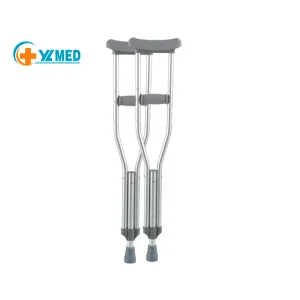
ODM [Copy] Medical Rehabilitation Adult Crutch Medium Weight Light Height Adjustable 300 Pounds Capacity Light Comfortable Cane for Easy Manufacturer, Factories
View OEM product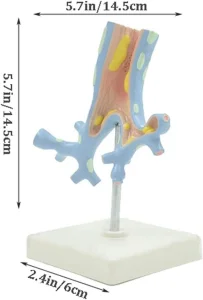
Wholesale Medical School Human Anatomy Respiratory System Model Educational PVC Stand Made China Model Number Human Respiratory System Manufacturers, Factories
View OEM product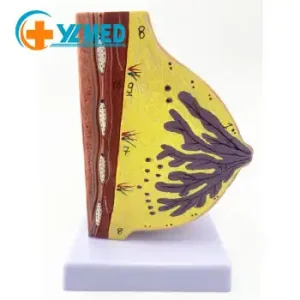
China Medical training model Female breast care anatomical half milk anatomical model lactation and rest half milk model Pricelist, Quotes
View OEM product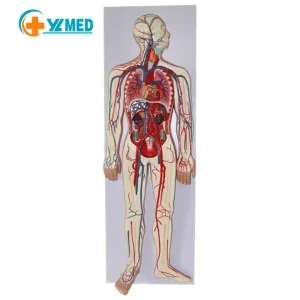
ODM High Quality Medical science Human Blood Circulation System Embossed Model human blood circulation anatomy model Manufacturer, Service
View OEM product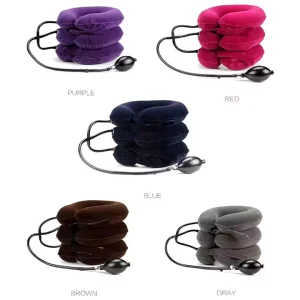
Wholesale Foldable Inflatable Travel Neck Pillow Neck Stretcher Adjustable Relax Cervical Spine Traction Device Home Used Tractors Manufacturers, Factory
View OEM product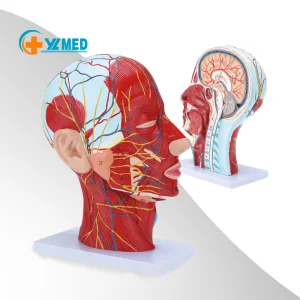
Wholesale Medical anatomical model human head neurovascular model with muscles teaching resource Manufacturer, Factory
View OEM product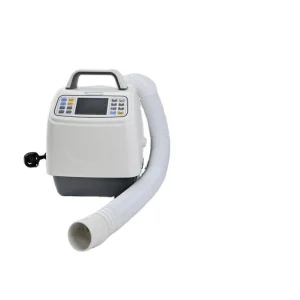
OEM Wholesale Price High Quality Surgical Hospital Equipments Machine Medical air Patient Warming System Manufacturer, Service
View OEM product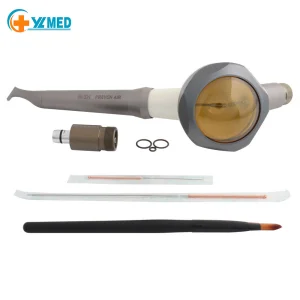
ODM Oral medical equipment can be sterilized at high temperature Dental sandblasting gun supragingival whitening cleaning machine Factory, Pricelist
View OEM productNeed Specifications, a Price List or a Tender Package? We Reply Within 24 Hours.
Tell us your target market, quantities, suction performance requirements, certification needs and packaging expectations. Our product specialists will recommend suitable models, share detailed specifications and propose the most economical shipping plan for your order.

Resource Hub & Company Links
Original navigation, category, social and contact links are preserved for buyers who need to verify company information, request catalogues or compare product ranges.
Factory address: No. 8, Daoqing Road, Industry Park, Hongqi District, Xinxiang, Henan, China. Manufacturer: Henan Yulin Edu. Project Co., Ltd. Established 1958. ISO 9001 certified since 2008.