OEM Medical Models Available from the Factory
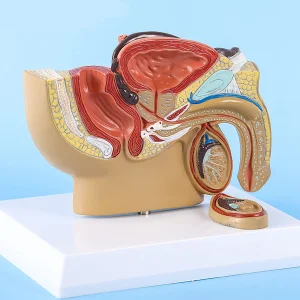
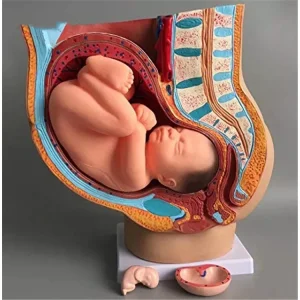
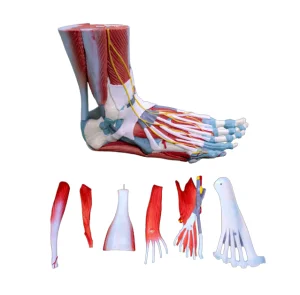
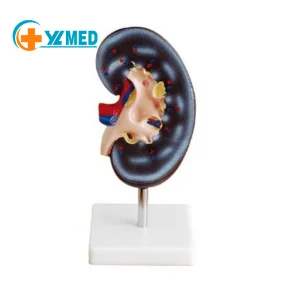
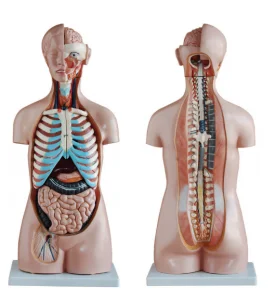
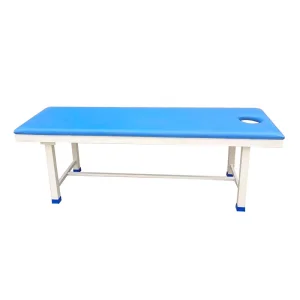
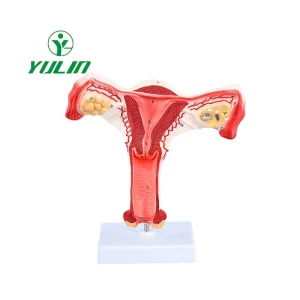
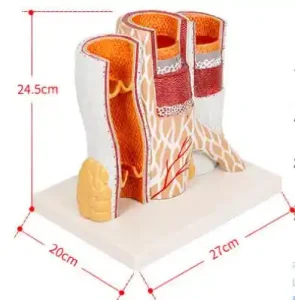
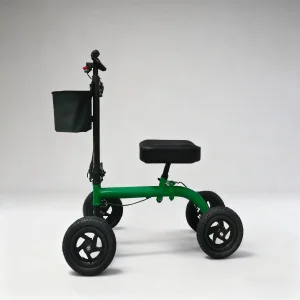
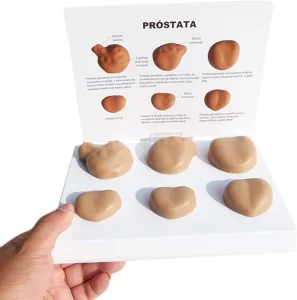
The product links below are part of the live Yulin Medical manufacturing range. They show the depth of anatomical, educational and hospital-equipment production that supports OEM burn model programs and private-label medical training kits.
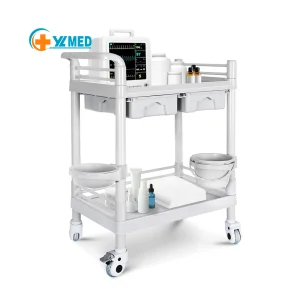
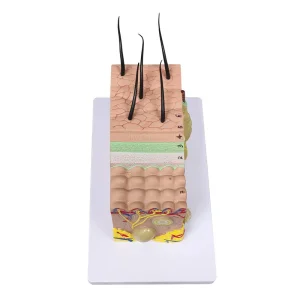
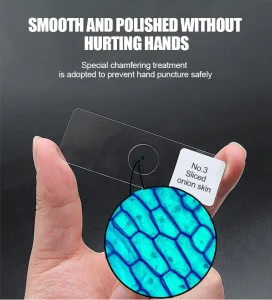
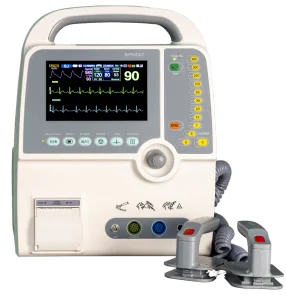
OEM Burn Model Manufacturing: A Procurement Decision, Not a Catalog Click
When a distributor, medical school, fire service, nursing college or hospital group searches for “OEM Burn Model Manufacturer & Factory”, the intent is usually commercial and highly specific. The buyer is not only looking for an image of a burn model. They are evaluating whether a factory can translate clinical references into a durable teaching tool, whether it can produce private-label packaging, whether it can support repeat orders, and whether its documentation is strong enough for tenders and import registration.
A burn model is a teaching interface. It must communicate epidermal and dermal involvement, partial-thickness and full-thickness patterns, eschar, granulation, debridement zones, dressing areas and assessment points. For an OEM buyer, the critical question is not simply “Can you make it?” but “Can you make it consistently, cleanably, safely and on a production schedule that protects my market launch?” That is why factory experience, material control and packaging capability matter as much as sculpting skill.
Yulin Medical’s background in anatomy models, nursing simulators, laboratory teaching supplies and hospital equipment gives the factory a broad production base for burn model programs. Founded in 1958 and ISO 9001 certified since 2008, the company combines long-run manufacturing discipline with private-label flexibility. The result is a practical supply route for distributors that need one accountable manufacturer across multiple medical education categories.
Clinical Translation
Reference photos, training curricula and wound-care assessment criteria are converted into a model brief that defines scale, layer visibility, color zones and handling requirements.
Production Discipline
Sample approval, color matching, mold maintenance, cleaning tests and batch inspection are planned before production so that the first shipment and repeat orders remain aligned.
Local Market Fit
Language, packaging, labeling, kit composition and replacement-part planning can be adapted for different distributor markets and teaching systems.
Global Commercial and Industrial Status of Burn Models
Burn care simulation has moved from a specialist teaching aid to a broader procurement category. Hospitals use burn models for competency assessment, nursing schools use them for wound-care training, emergency services use them for triage and transport exercises, and occupational health teams use them for industrial safety education. The commercial status of the category is therefore tied less to a single curriculum and more to the global expansion of simulation-based training.
The World Health Organization has long described burns as a major public health issue, with a disproportionate burden in low- and middle-income countries. As emergency and surgical capacity grows, demand rises for teaching tools that make burn depth, surface area estimation, fluid management and dressing selection easier to demonstrate. At the same time, medical schools and hospitals are under pressure to document training outcomes. A physical burn model can support repeatable assessment in a way that posters and videos cannot.
For distributors, this creates a commercial opportunity: burn models are often ordered alongside anatomy models, CPR manikins, suture pads, prepared slides, examination equipment and hospital furniture. Buyers increasingly prefer a factory that can consolidate mixed-category orders, reduce supplier management costs and maintain one quality standard. This is where a manufacturer with a broad medical model and equipment portfolio has an advantage over a single-product workshop.
Illustrative Buyer Priorities for Burn Model OEM Projects
Based on typical OEM medical model inquiries, buyers weigh realism, consistency, compliance and delivery in a connected decision — not as isolated price points.
In high-income markets, burn model buyers often focus on simulation fidelity, material safety, cleanability and curriculum alignment. In emerging markets, buyers may prioritize durability, repairability, price-to-performance ratio and the ability to build local distributor inventory. A capable OEM factory must understand these differences rather than offering one standard product to every region.
China Factory Efficiency Advantages: Why the Factory Behind the Model Matters
The phrase “China factory efficiency” is often reduced to labor cost. In medical model manufacturing, real efficiency comes from shortened development loops, integrated tooling, stable material sourcing, disciplined inspection and the ability to combine products into one export shipment. A low unit price is not efficient if the sample fails, the color drifts, or the packaging cannot survive international logistics.
Henan Yulin Edu. Project Co., Ltd. operates from Xinxiang, Henan, with a factory history going back to 1958, more than 200 professional staff and registered capital of RMB 120 million. Its quality management system has been ISO 9001 certified since 2008. These facts matter for OEM burn model projects because they indicate a production organization that can support documentation, repeat production and multi-category orders rather than one-off样品 sales. The company also maintains an in-house design and packaging team, which helps distributors localize presentation for their own markets.
Engineering & Tooling
Sculpting, mold making, color matching and assembly are coordinated under one production system, reducing the time between clinical feedback and a revised sample.
Small-Batch OEM
Distributors can test a market with manageable quantities, then scale to repeat orders once packaging, pricing and training feedback are validated.
Mixed-Category Consolidation
Anatomy models, CPR manikins, prepared slides, hospital furniture and rehabilitation items can be combined into one shipment with one point of contact.
Export Packaging & Docs
Protective packing, private-label boxes, multilingual inserts, barcodes and tender-ready product documentation can be planned before production begins.
Direct factory contact: 0086-13503800666 · [email protected] · No. 8, Daoqing Road, Industry Park, Hongqi District, Xinxiang, Henan, China
Discuss Your OEM ProjectEngineering an OEM Burn Model: From Anatomy Brief to Production Validation
A burn model project succeeds when the technical brief is clear. The factory needs to know the learner group, the clinical concepts to be taught, the expected handling environment, the packaging format and the compliance documents required. Vague instructions such as “make it realistic” are not enough. A professional OEM process turns clinical language into measurable model characteristics.
Layer & Surface Accuracy
Epidermal, dermal and deeper tissue zones should be visible where the curriculum requires them. Scale, curvature and surface landmarks must match the intended training task.
Debridement & Wound Zones
Color zones, removable inserts or replaceable sections can simulate assessment, cleaning and dressing practice without compromising the main model body.
Material & Cleanability
Skin-safe elastomers and coatings should resist repeated handling, standard cleaning agents and color transfer while maintaining a teaching-grade finish.
Assessment Integration
Numbering, landmarks, checklist compatibility and optional QR-linked instructions help instructors assess students consistently across sessions.
Durability & Repeatability
Factory validation should cover tear resistance, colorfastness, cleaning cycles and replacement-part availability before a distributor commits to inventory.
Packaging & Labeling
Private-label boxes, protective inserts, multilingual leaflets, barcodes and market-specific warnings can all be integrated into the production plan.
For buyers, the most useful validation step is a structured sample review. Instructors should handle the sample, test cleaning, compare color zones under normal classroom lighting and check whether the model supports the exact assessment language used in their curriculum. Feedback should be written into the next production specification rather than left in email threads.
Localized Application Scenarios for Burn Training Models
Burn models are not used in the same way in every market. A nursing school may need wound-assessment detail, an EMS service may need ruggedness for field exercises, and a distributor may need a compact training kit for multiple customer segments. Localization is therefore both a product-design issue and a commercial strategy.
Medical Schools & Anatomy Labs
Used to teach burn depth, surface-area estimation and tissue layers alongside anatomy models, skin models and prepared slides.
Nursing & Burn Units
Supports wound assessment, dressing changes, infection-control routines and communication among nursing teams.
EMS, Fire & Rescue
Builds speed and consistency in triage, cooling, covering and transport exercises where teamwork matters more than decorative detail.
Military & Occupational Health
Used in mass-casualty drills, industrial safety training and thermal-burn response programs for high-risk workplaces.
Patient & Caregiver Education
Helps clinicians explain burn severity, healing expectations and home-care instructions in a clearer, lower-anxiety way.
Distributor Private-Label Programs
Allows importers to build local catalogs, training kits and replacement-part packs under their own brand without operating a factory.
Global Enterprise Procurement Needs: What Importers Audit Before They Order
Institutional buyers rarely purchase a burn model as a one-off consumer item. They must justify the supplier, document the product, protect the brand and plan after-sales support. For an OEM factory, this means providing more than a production line — it means providing a procurement package that survives internal review and external tender scrutiny.
Tender Documentation
Specifications, packing lists, product photos, material descriptions and compliance statements should be ready for tender packages.
Compliance & Material Declarations
Product-specific documentation can be prepared on request to support import registration, university procurement and tender review.
Private Label & Packaging
Brand colors, model names, instruction leaflets, barcodes and kit layouts can be adapted for different distributor markets.
Mixed Containers
Burn models can be consolidated with other medical teaching models and hospital equipment, reducing freight complexity and supplier risk.
Lead Times & Planning
Sample approval, production slots, inspection and shipping schedules should be agreed before the distributor commits to a launch date.
After-Sales & Spare Parts
Replacement inserts, touch-up materials, packaging supplies and technical answers help distributors support end users after delivery.
Industry Trends Shaping the Burn Model Category
The burn model category is following the wider direction of healthcare simulation: more modularity, clearer assessment, better materials and faster replenishment. Buyers are also asking suppliers to think beyond the physical object and support the training program around it.
Modular Training Inserts
Replaceable wound inserts and interchangeable zones allow one base model to serve multiple lessons and extend product life.
Hybrid Digital-Physical Learning
QR-linked instructions, scenario cards and assessment sheets can connect a physical model to digital course content without making the product complex.
Skin-Safe & Sustainable Materials
Buyers increasingly ask about material safety, cleaning chemicals, packaging waste and replacement-part availability.
Regional Stock & Faster Replenishment
Distributors want predictable production and consolidated shipments so they can maintain local inventory for tenders and training seasons.
How Yulin Medical Manages an OEM Burn Model Project
A transparent process reduces risk for both the distributor and the factory. The five-step workflow below reflects the practical sequence used for custom medical model and private-label production inquiries.
Share Requirements
Send product type, learner group, quantities, target market, packaging needs and any tender or certification requirements.
Catalog & Proposal
Receive matched models, specifications, MOQ guidance, packaging options and shipping suggestions.
Sample Evaluation
Test materials, color zones, handling and cleaning with your instructors or clinical advisers before bulk production.
Production & QC
Manufacturing follows the ISO 9001 quality management system, with inspection before packing.
Export & Support
Protective export packing, delivery coordination and responsive after-sales communication are arranged.
Related OEM Medical Model & Equipment Lines
Burn model programs often sit inside a larger medical education and hospital equipment order. These product lines allow distributors to source related categories from the same manufacturer and consolidate shipments.
OEM Burn Model Procurement FAQ
These answers reflect the questions most often asked by overseas distributors, medical schools, tender agents and procurement teams before starting an OEM medical model project.
Is Yulin Medical a manufacturer or a trading company?
We are a manufacturer. Henan Yulin Edu. Project Co., Ltd. was founded in 1958 and operates its own factory in Xinxiang, Henan, China, with more than 200 professional staff. For one-stop orders, we also coordinate a stable network of long-term partner factories.
What quality certification does Yulin Medical hold?
Our quality management system has been ISO 9001 certified since 2008. Product-specific documentation can be provided on request for tenders and import registration.
Do you support OEM, private label and custom packaging?
Yes. Our in-house design team develops private-label packaging and product presentation for distributors to increase shelf appeal and resale value. Custom labels, instruction leaflets, kit layouts and barcodes can be discussed during sampling.
How do I choose the right CPR training manikin?
Match the manikin to the learner group (adult, child or neonatal), check that real-time feedback covers compression depth, rate and ventilation, confirm alignment with current AHA resuscitation guidelines, and decide whether AED training integration is required.
How quickly will I receive a reply?
Our export team is online 7 days a week and typically replies within 24 hours with catalogs, specifications and shipping options.
What is an OEM burn model and what can be customized?
An OEM burn model is a burn-care training model produced for your brand or program. Customization can cover size, anatomical focus, burn-depth zones, removable inserts, color matching, model numbering, packaging, language and kit composition. The factory feasibility review depends on the clinical brief and target order quantity.
What information is needed for a burn model quotation?
Please provide the target learner group, reference images or clinical requirements, preferred size, quantity, packaging format, destination country and any tender or compliance documents required. If you have a sample or drawing, include it so the factory can assess tooling and production requirements.
Can you consolidate mixed medical models and hospital equipment?
Yes. The factory can coordinate multiple product categories including anatomy models, nursing simulators, prepared slides, hospital furniture and rehabilitation equipment. Mixed-category consolidation gives buyers one point of contact and can reduce shipping complexity, subject to packing and destination requirements.
More OEM Medical Models from the Factory Source
These additional product links show the practical breadth behind a one-stop OEM medical model supply program — from anatomy and veterinary teaching aids to portable imaging and hospital examination equipment.