Eight OEM Medical, Training and Clinical Support Products
The first eight products below illustrate the wider OEM manufacturing context that buyers often evaluate alongside an anti-choking device program: anatomy models, dental training aids, patient monitoring, rehabilitation equipment and clinical teaching tools. For distributors building a complete first-aid, home-care or medical education catalog, these products can be consolidated with private-label packaging, mixed-category orders and export documentation.
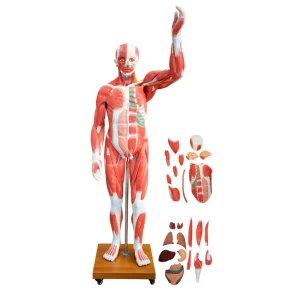
Wholesale Life size Human Muscle Anatomical Model with Organs Removable Whole Body Muscled Model 27 Parts For Teaching Medical Science Manufacturer, Quotes
View Product & Request Pricelist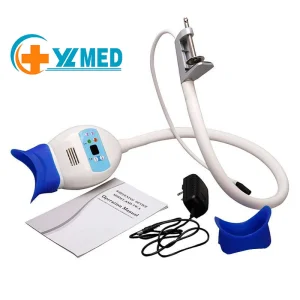
China cold light whitening instrument LED blue card in the column clamp table whitening lamp cosmetic dental beauty instrument Manufacturer, Quotes
View Product & Request Pricelist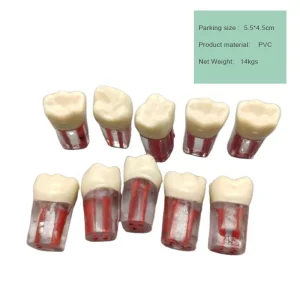
Wholesale Factory Good Price Resin Manual Colorful Open Pulp Root Canal Model for Medical Treatment Factories, Quotes
View Product & Request Pricelist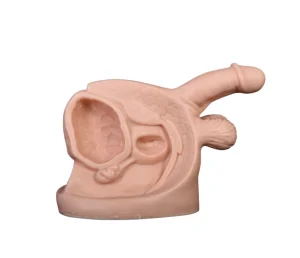
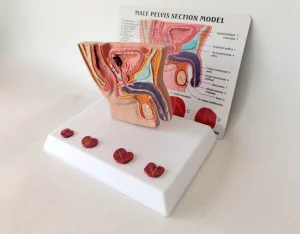
OEM Model of advanced male internal and external genitalia Factories, Pricelist
View Product & Request Pricelist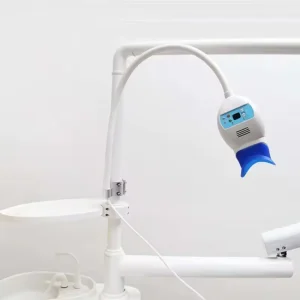
Wholesale High Quality Dental Column Cold Light Personal Care Clip-Table Instrument for Oral Clinic Whitening Yellow to White Whitening Factory, Pricelist
View Product & Request Pricelist
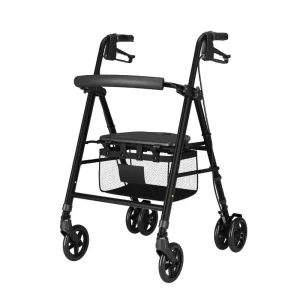
Wholesale Multifunctional Four-Wheel Shopping Trolley Outdoor Elderly Walker Disabled Bone Folding Rollator Manufacturer, Factory
View Product & Request Pricelist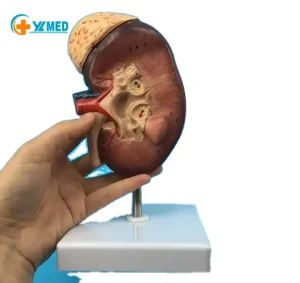
OEM Hot selling factory direct supply kidney anatomical model medical organ education model human plastic kidney model 2X large Manufacturers, Factory
View Product & Request PricelistWhy Anti-Choking Devices Are Moving Into Mainstream Procurement
Choking is a sudden, high-anxiety emergency that can affect children, older adults, people with swallowing difficulties and otherwise healthy diners or patients. Anti-choking devices are therefore moving from niche first-aid accessories into structured procurement categories for home-care distributors, schools, restaurants, dental clinics, nursing homes and public-access programs.
An Aging-Population Pressure Point
Global population aging is expanding demand for home-care safety products. The United Nations projects that the number of people aged 65 or over will exceed 1.5 billion by 2050, with about one in six people worldwide in that age group. Dysphagia, medication effects, reduced dentition and neurological conditions can raise choking risk, making caregiver-friendly airway-clearance tools a relevant category.
A Supplement, Not a Replacement
Regulators and resuscitation councils consistently emphasize trained first aid, back blows, abdominal thrusts, CPR and emergency medical services. An anti-choking device should be positioned as an adjunct for trained responders or instructed users, with clear labeling, contraindications, cleaning instructions and age-specific guidance. OEM buyers must avoid unsupported “guaranteed cure” claims.
From Gadget to Institutional SKU
Institutional buyers increasingly request shelf-ready packaging, multilingual instructions, batch traceability and replacement-part availability. Hotels, schools and care facilities prefer products that fit existing first-aid stations and training programs, not isolated devices with no supporting materials.
Private-Label Distribution Economics
First-aid brands, home-health catalogs and medical distributors can differentiate through device design, carrying case, training QR content, refill kits and localized packaging. A reliable OEM anti-choking device factory helps buyers control tooling, MOQ, packaging artwork and multi-market documentation.
The Global Commercial and Industrial Landscape for Anti-Choking Devices
The category is shaped less by a single global standard than by a mosaic of medical-device rules, consumer-safety expectations, institutional purchasing habits and distributor economics. That fragmentation creates opportunity for manufacturers that can produce one reliable platform and localize packaging, claims and documentation market by market.
Regulatory Fragmentation
Some markets may classify airway-clearance devices as medical devices; others may treat them as first-aid or consumer-safety products. Buyers must clarify intended use, risk class, labeling language, electrical safety if powered, biocompatibility of patient-contact parts and post-market surveillance duties.
Institutional Procurement
Care homes, schools, dental offices, restaurants and workplace safety programs buy through policies and tender specifications. They value consistent supply, batch codes, training materials, replacement orders and a manufacturer that can answer technical questions quickly.
Brand and IP Strategy
Private-label brands need differentiation without compromising safety. Industrial design, intuitive grips, transparent instructions, hygienic storage cases and controlled tooling can create a defensible product family while keeping core mechanisms standardized.
Supply-Chain Reliability
Emergency products are poor candidates for unpredictable supply. Distributors should verify component dual-sourcing, mold ownership, QC gates, shelf-life testing, packaging drop tests and export experience before committing to repeat orders.
From a commercial standpoint, the strongest opportunities are not limited to direct-to-consumer sales. OEM anti-choking device factories can support B2B distributor programs, workplace first-aid kits, elderly-care catalogs, school safety bundles and medical training suppliers. Each channel requires different packaging, instruction levels, MOQ and after-sales support, which is why a factory with flexible production and documentation discipline is more valuable than a low-cost supplier alone.
Where Anti-Choking Devices Fit in Real-World Scenarios
A product that works in a hospital simulation lab may fail in a restaurant, school or family home if it is difficult to open, poorly labeled or impossible to clean. Localized application thinking is therefore central to OEM product definition and pricelist planning.
Home Care and Elderly Support
Caregivers need clear wall-mounted or soft-case storage, large-text instructions and simple maintenance. Families often buy after a choking incident, so distributor education and follow-up training content matter.
Schools and Childcare
Schools require safeguarding reviews, staff training records and age-appropriate use guidance. Products should be stored with first-aid supplies and integrated into incident-response policies.
Restaurants and Hospitality
Dining venues face liability and reputation risks. A compact, sealed and visibly branded device can support staff confidence when integrated with choking-response training and emergency action plans.
Dental and Clinical Settings
Dental chairs, sedation and vulnerable patients create specific airway risks. Clinics value hygienic design, rapid access, documented cleaning and compatibility with existing emergency protocols.
Emergency Services and Training Centres
Training organizations may pair airway-clearance education with CPR manikins, AED trainers and first-aid kits. OEM partners can bundle products for course providers and reseller networks.
Public Transport and Venues
Airports, stadiums, shopping centres and transport operators require robust storage, anti-tamper packaging, multilingual signage and inspection schedules across many locations.
Six Product and Market Trends Shaping the Category
The next stage of growth will favor suppliers that combine safe engineering with training support, regulatory literacy and distribution-ready packaging.
1. Suction-Assisted and Manual Platforms
Different markets and user groups have different preferences. OEM buyers should evaluate mechanism suitability, force requirements, sanitation and ease of use rather than copying a single design blindly.
2. Hygiene and Single-Patient Components
Post-pandemic procurement has increased attention to cleanable surfaces, replaceable masks, sealed storage and clear separation between training use and emergency use.
3. Training-Integrated Product Kits
Devices sold with quick-reference cards, QR-linked videos and practice checklists can improve confidence and reduce misuse. Training content is also a brand differentiator.
4. Documentation as a Sales Feature
Risk-management files, biocompatibility reports, cleaning validation and labeling reviews are no longer back-office details; they are tender requirements and distributor trust signals.
5. Compact Travel and Home Kits
Consumers and caregivers seek portable storage that fits vehicles, travel bags and home first-aid cabinets without damaging the device or instructions.
6. Multi-Category First-Aid Bundles
Distributors increasingly combine anti-choking products with CPR face shields, trauma kits, training manikins, emergency splints and home-care mobility aids to raise order value.
Technical Route Map and Future Outlook
For an OEM anti-choking device factory, the technology roadmap should move from functional design to validated usability and then to connected training and post-market learning.
Clinical Need and Intended Use
Define the user, patient population, age groups, emergency context and claims. Establish what the device is not intended to replace.
Materials and Mechanism Engineering
Select patient-contact materials, valves, seals, suction components and grips with cleaning, shelf life and drop resistance in mind.
Human-Factor Validation
Test opening, assembly, grip, labeling and use under stress. Include caregivers, older users and non-native speakers where relevant.
Regulatory Dossier and Localization
Prepare risk files, test reports, IFUs, translations, packaging claims and traceability labels for each target market.
Training and Post-Market Feedback
Add QR training aids, replacement-part systems, complaint monitoring and design reviews based on real distributor feedback.
Future differentiation will likely come from usability evidence, replaceable hygiene components, transparent regulatory documentation and training ecosystems rather than cosmetic changes alone. Distributors should ask factories for a design history file structure, change-control process and clear responsibility matrix for regulatory submissions.
Macro Industry Solutions for OEM Buyers
A mature OEM program solves procurement, compliance, branding and logistics as one operating system rather than four disconnected tasks.
OEM / ODM Program
Joint definition of mechanism, housing, color, case, logo, instruction booklet and packaging. Tooling ownership and change-control terms should be documented before mass production.
Multi-Market Compliance
Market-by-market gap analysis for medical-device classification, electrical safety, biocompatibility, labeling and import documentation. Avoid one-size-fits-all claims.
Private Label and Retail Readiness
Barcode, carton artwork, multilingual IFUs, shelf-ready packaging and distributor-specific inserts help products move faster through retail and institutional channels.
Consolidated Export Logistics
Mix anti-choking devices with anatomy models, CPR trainers, first-aid supplies and hospital equipment to reduce supplier-management overhead and improve container utilization.
OEM Anti Choking Device Pricelist: What Drives Your Quotation
A reliable pricelist is not a single “best price” number. It is a transparent cost architecture tied to specifications, risk, order volume and destination-market obligations. The items below are the main factors that should appear in a formal OEM quotation.
Device Platform and Mechanism
Manual, suction-assisted, powered or kit-based designs require different tooling, component costs and validation work. Request a bill of materials and critical-to-quality list.
Materials and Patient-Contact Parts
Medical-grade polymers, silicone seals, masks and valves affect unit price and documentation. Clarify cleaning, replacement and shelf-life expectations.
Packaging and Instructions
Printed multilingual IFUs, rigid cases, sterile barriers, barcodes and retail-ready cartons can materially change cost per unit.
Certification and Test Documentation
Biocompatibility, risk management, electrical safety, cleaning validation and translation costs should be quoted separately where possible.
Order Volume, Tooling and MOQ
Initial tooling, sampling, pilot production and MOQ tiers should be stated clearly. Ask how price changes across 500, 1,000, 5,000 and container-volume orders.
Incoterms and Shipping
EXW, FOB, CIF or door-to-door terms change the landed cost. Include carton dimensions, gross weight, battery status if applicable and HS-code guidance.
Request a Formal OEM Pricelist
Send your target market, expected annual volume, packaging language, certification requirements and preferred device category. Our export team can respond with specifications, optional configurations and a quotation structure within 24 hours.
A Six-Decade Manufacturer Trusted by Educators and Clinicians
Henan Yulin Edu. Project Co., Ltd. (Yulin Medical) has built educational and medical training equipment in Xinxiang, China, for more than six decades. The company’s quality management system has been ISO 9001 certified since 2008, and its operating motto is simple: quality first, service first.

Founded in 1958, Henan Yulin Edu. Project Co., Ltd. has grown into a well-known educational and medical equipment supplier that integrates scientific research, production and sales. With registered capital of RMB 120 million and more than 200 professional employees, the company manages product development, manufacturing, inspection and export from its base at No. 8 Daoqing Road, Hongqi District, Xinxiang, Henan, China.
For an OEM anti-choking device program, this manufacturing background provides a practical foundation: structured supplier management, inspection discipline, private-label packaging experience and the ability to consolidate mixed medical, training and rehabilitation products into one shipment. Yulin Medical supplies anatomy models, CPR training manikins, skeleton models, suture kits, dental teaching equipment, biology prepared slides, hospital furniture and rehabilitation aids through 10 specialised product lines.
Our export team is online 7 days a week and typically replies within 24 hours with catalogs, specifications and shipping options. Product-specific documentation can be provided on request to support tenders, distributor onboarding and import registration discussions.



Share Requirements
Send product types, quantities, target market and tender or certification needs.
Catalog and Proposal
Receive matched models, specifications, packaging options and shipping suggestions.
Sample Evaluation
Test samples with your instructors, clinicians or distributors before bulk production.
Production and QC
Manufacturing and inspection follow the ISO 9001 quality management system.
Export and Support
Protective export packing, delivery coordination and responsive after-sales service.
Ten Product Lines That Support First-Aid, Training and Care Programs
These categories allow distributors to build a broader medical, training and home-care portfolio around an anti-choking device program.
Anatomy Models
Torso, organ, heart, brain and muscle models with numbered structures for lectures and patient education.
View range →Biology Prepared Slides
Histology, botany and zoology prepared slides plus storage and microscope accessories for biology labs.
View range →Dental Tools and Equipment
Dental teaching models, clinic lights, LED whitening units and endodontic instruments for training and practice.
View range →General Teaching Models
Science demonstration models for primary schools, secondary schools and education equipment tenders.
View range →Hospital Furniture
Stainless steel examination couches, stretchers, walkers and shower chairs built for daily clinical use.
View range →Hospital Machine and Tools
Diagnosis and treatment devices and practical tools for wards, clinics and emergency departments.
View range →Medical Apparatus and Instruments
Emergency splints, extrication devices, cervical traction and rehabilitation instruments.
View range →Medical Nursing Model
Adult, child and neonatal CPR manikins, ACLS simulators and AED trainers for skills assessment.
View range →Skeleton Models
Life-size and desktop skeletons, skulls, spines and joint models for osteology teaching.
View range →Suture Pads and Kits
Realistic skin suture pads and complete instrument kits for surgical and wound-closure practice.
View range →Practical Knowledge from the Team That Builds the Products
Exhibition updates and hands-on guidance written by the team that designs, manufactures and exports medical education products.

Do You Really Know How to Observe Biological Prepared Slides?
Many plant and animal cell structures can only be studied under a microscope, which makes prepared biological slides essential in every biology lab. Our specialists explain how to handle, focus and store slides correctly so students see clearer detail and slide sets last for years.

The 5th Henan Provincial Educational Equipment Expo Concludes Successfully
Themed “Digital Leading Innovation and Development”, the expo reached 50,000 m² with 600+ brands and 10,000+ products, showcasing the latest educational equipment and training solutions.

Inside Our Product Showroom
A look at the medical teaching models and training equipment buyers can inspect in person when visiting our Xinxiang facility.
Frequently Asked Questions from Importers and Distributors
Straight answers to the questions procurement managers ask most before placing a first order for medical equipment, training products or an OEM anti-choking device program.
Is Yulin Medical a manufacturer or a trading company?
We are a manufacturer. Henan Yulin Edu. Project Co., Ltd. was founded in 1958 and operates its own factory in Xinxiang, Henan, China, with more than 200 professional staff. For one-stop orders, we also coordinate a stable network of long-term partner factories.
What quality certification does Yulin Medical hold?
Our quality management system has been ISO 9001 certified since 2008. Product-specific documentation can be provided on request for tenders and import registration. For anti-choking or medical-device projects, buyers should confirm the exact certification scope, test reports and labeling requirements for each destination market.
Do you support OEM, private label and custom packaging?
Yes. Our in-house design team develops private-label packaging and product presentation for distributors to increase shelf appeal and resale value. For anti-choking device programs, buyers can discuss logo, instruction language, case design, barcodes and carton artwork before sampling.
How do I choose the right CPR training manikin?
Match the manikin to the learner group: adult, child or neonatal. Check that real-time feedback covers compression depth, rate and ventilation; confirm alignment with current resuscitation guidelines; and decide whether AED training integration is required. For advanced life-support programmes, an ACLS simulator with embedded scenarios offers more assessment value than a basic torso.
Are anti-choking devices a substitute for first aid training or emergency services?
No. An anti-choking device should be treated as an adjunct, not a replacement for trained first aid, back blows, abdominal thrusts, CPR or emergency medical services. Use must follow manufacturer instructions, local protocols and appropriate training. Marketing claims should be reviewed carefully by the brand owner and regulatory specialist for each market.
How is an OEM anti-choking device pricelist prepared?
A formal quotation normally considers device platform, materials, valve and suction components, packaging, instructions, testing documentation, tooling, order volume, Incoterm and shipping. Buyers should request a quotation broken down by specification and volume tier rather than a single unit price.
Which documents should I request before placing an order?
Ask for the quality management certificate, product specifications, material and biocompatibility information where relevant, risk-management documentation, cleaning and shelf-life guidance, IFU drafts, packaging artwork proof, batch traceability arrangements and any market-specific registration or test evidence.
How quickly will I receive a reply?
Our export team is online 7 days a week and typically replies within 24 hours with catalogs, specifications and shipping options.
Eight More OEM Medical, Monitoring and Teaching Products
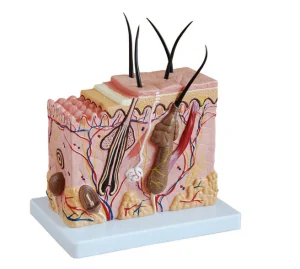
The final eight products complete the broader sourcing picture: skin and pelvis anatomy models, patient monitoring equipment, muscular torso models, cardiac monitors, mobility scooters, astronomy teaching instruments and more. These items can be combined with an OEM anti-choking device project where your channel requires a wider medical, education or home-care assortment.
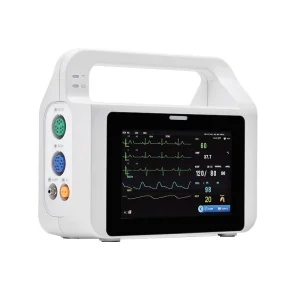
China Professional Portable HD 5 Inch TFT Color Screen with 4 Parameters Is Suitable for Health Centers and Private Medical Clinics Factories, Pricelist
View Product & Request Pricelist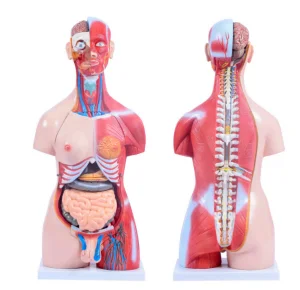
China 30 muscular torso models of both sexes, 85CM Factory, Factories
View Product & Request Pricelist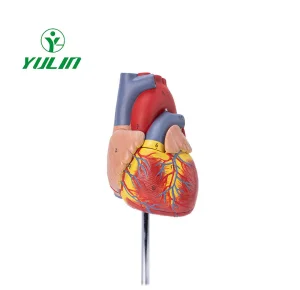
OEM Life Size Human Scientific Heart Model anatomical human heart model for medical students rubber heart model Factories, Quotes
View Product & Request Pricelist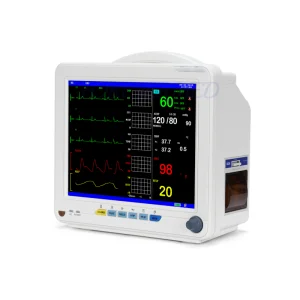
China Cheap Price Portable Adult Neonatal Children Cardiac Monitor Multi Parameters Vital Signs Patient Monitor Manufacturer, Factories
View Product & Request Pricelist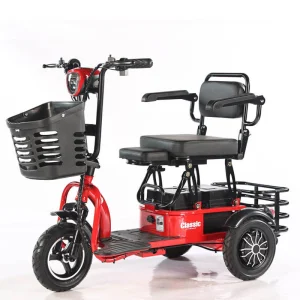
OEM Elderly Disabled Folding Adults Electric Scooter for Handicapped 20mph 130KG Capacity Factories, Pricelist
View Product & Request Pricelist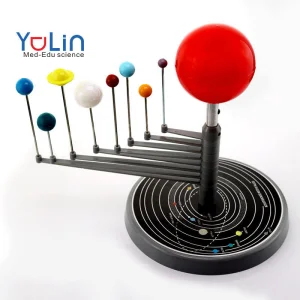
ODM Geography Discipline Teaching Instruments and Astronomy Laboratory Eight Planets Solar System Model with Light Factory, Quotes
View Product & Request Pricelist