OEM Anatomical Skull Model Factory & Pricelist
Factory-direct sourcing intelligence for distributors, medical universities, nursing colleges, simulation centers, and hospital education teams comparing anatomical skull models, OEM customization, quality documentation, and landed-cost efficiency from China.
8 Selected Medical Teaching & OEM Product References
These factory references show the wider production environment behind anatomical skull model OEM projects: hospital furniture, rehabilitation aids, teaching models, emergency equipment, laboratory instruments, and anatomy training products can be consolidated under one accountable manufacturer.
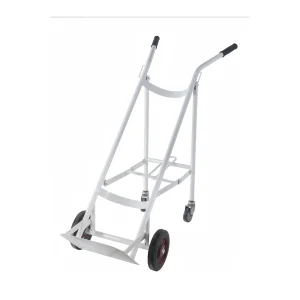
ODM MEDICAL Hospital Furniture Oxygen Bottle Cart Hospital Trolley Hospital Furniture Stainless Steel Oxygen Cylinder Trolley Factories, Quotes
View product page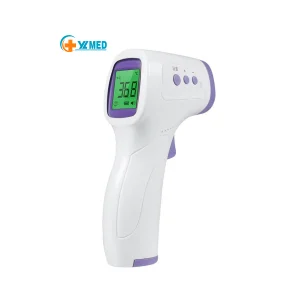
China Medical grade electronic temperature gun factory straight hair handheld electronic temperature measurement Factories, Service
View product page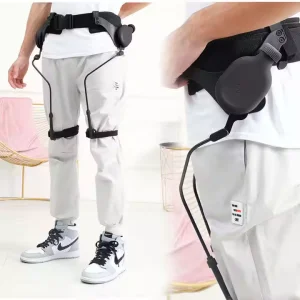
OEM Leg Walker Stroke Hemiplegic Walking Aid Lower Limb Rehabilitation Exoskeleton Aluminum Alloy Frame Foldable Portable Manufacturer, Pricelist
View product page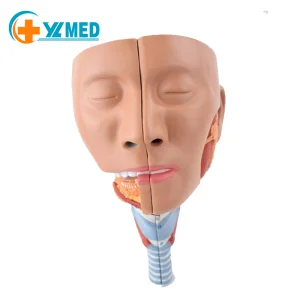
ODM Medical Teaching Throat Model Larynx Trachea Pharyngeal Muscle Anatomy Model Mouth Nose and Nasal Model Tongue Muscle CE/ISO Factory, Pricelist
View product page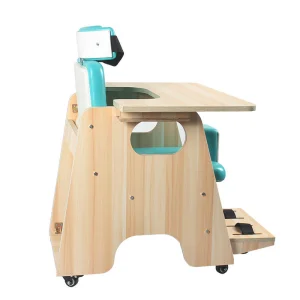
Wholesale Medical Supplies Anti-deformity Medical Rehabilitation Training Seat Children's Hemiplegia Sitting Posture Correction Body Manufacturer, Factory
View product page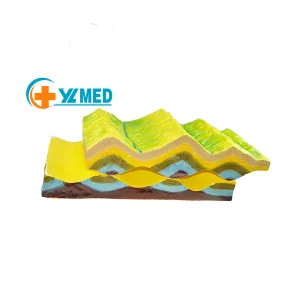
China Teaching Resource School Geology Wooden Molecular Model Plate Structure and Surface Morphology Model Plate Tectonics Display Manufacturer, Service
View product page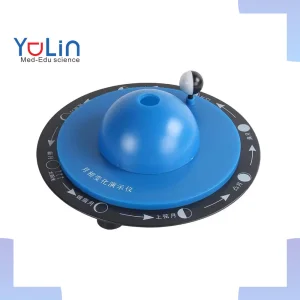
ODM Diameter 25cm Moon Phase Change Demonstration Instrument Environmental protection PVC Material Moon Phase Change Causes Manufacturer, Manufacturers
View product page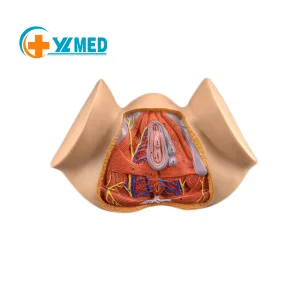
China Standard medical teaching model gynecological reproductive system female perineal anatomy model with 20 parts Manufacturers, Quotes
View product pageWhat a Serious OEM Anatomical Skull Model Pricelist Should Reveal
Price is only one line in a much larger procurement equation. This guide explains the manufacturing, compliance, customization, logistics, and teaching-value variables that separate a durable OEM anatomical skull model programme from a low-cost one-off purchase.
An OEM anatomical skull model is not a decorative replica. It is a teaching instrument used to explain cranial sutures, foramina, mandible movement, sinus anatomy, dental occlusion, brain relationship, and surgical approach. For distributors and institutions, the real question is not simply “What is the unit price?” but “Which factory can deliver repeatable anatomy, consistent color coding, dependable packaging, and documentation that supports tenders, customs clearance, and classroom use?” That is why the most useful pricelist is structured around specification tiers, customization requirements, order quantity, inspection standard, packaging, and delivery terms.
Henan Yulin Edu. Project Co., Ltd. — trading as Yulin Medical — has manufactured educational and medical training equipment in Xinxiang, China, since 1958. The company has held ISO 9001 certification since 2008, employs more than 200 professional staff, operates with registered capital of RMB 120 million, and supplies ten product lines covering anatomy models, skeleton models, medical nursing models, biology prepared slides, dental tools, general teaching models, hospital furniture, hospital machines and tools, medical apparatus, and suture pads and kits. This breadth matters for buyers because a single shipment can combine anatomical skull models with CPR manikins, skeleton models, rehabilitation equipment, and hospital furniture instead of managing multiple suppliers and inconsistent documentation.
This white-paper-style guide is written for procurement managers, distributor product managers, medical school lab directors, and tender teams who need deeper evidence before shortlisting a factory. It covers industry development trends, global enterprise purchasing demand, China Factory 4.0 supply-chain resilience, the commercial and industrial landscape, localized application scenarios, quality verification, cost drivers, and a practical FAQ. The aim is to provide genuine information gain: useful, experience-led detail that helps a buyer compare factories with more confidence and less risk.
- Factory-direct supply across ten product lines, from anatomy models to hospital furniture and emergency training equipment.
- Private-label packaging, product presentation, and OEM customization designed to raise distributor resale value.
- Mixed-category orders consolidated into one shipment with one point of contact and ISO 9001 quality control.
Eight Trends Reshaping Anatomical Skull Model Demand
Anatomy teaching is moving toward hybrid learning, clearer segmentation, local curriculum alignment, and stronger visual communication. These trends affect product design, OEM customization, and pricelist structure.
Digital-to-Physical Hybrid Teaching
Students increasingly study 3D anatomy online before entering the lab, so physical skull models must align with digital labels, colour systems, and numbered structures. Buyers now ask for models that complement augmented-reality lessons rather than duplicate them.
Higher-Fidelity Segmentation
Basic one-piece skulls remain useful for introductory lessons, but advanced programmes request removable calvaria, mandible, cranial floor, sinus, dental, and brain-relationship structures. Segmentation depth is now a major pricelist differentiator.
Material & Finish Advances
Factories are shifting from brittle decorative materials toward impact-resistant PVC, resin composites, and carefully controlled surface finishes. Buyers should compare weight, colour stability, paint adhesion, cleaning tolerance, and repairability, not only appearance in photos.
Colour-Coded Teaching Systems
Colour coding improves lecture visibility and self-study. OEM buyers request custom colour conventions for muscles, nerves, vessels, bones, sutures, and foramina, often matched to their own catalogue or curriculum guides.
Localized Curriculum Alignment
Medical schools and distributors need labels, manuals, and packaging in local languages. Model structures may also be selected to match national nursing, dental, anatomy, or clinical-skills syllabi, especially in tender-driven markets.
Simulation Integration
Skull models are increasingly used beside airway trainers, intubation manikins, dental simulators, and patient-education tools. A factory that also supplies nursing and emergency models can shorten procurement cycles and improve kit completeness.
Institutions and distributors are paying more attention to low-odour materials, recyclable packaging, and efficient carton design. Good export packaging protects fragile anatomical details while reducing damage claims and unnecessary waste.
Distributor Branding & Smaller OEM Runs
Distributors want private-label catalogues without carrying excessive stock. Flexible OEM packaging, labels, inserts, and product presentation help buyers build brand equity while improving margin control across repeat orders.
How Global Buyers Compare Anatomical Skull Model Suppliers
Procurement has moved from single-product purchasing toward programme-based sourcing. Buyers want consistent quality across batches, tender-ready documents, predictable replacement supply, and a partner who understands teaching outcomes.
Global demand is not identical across regions. North American and European buyers often prioritise documentation, product consistency, replacement parts, and clear material descriptions. Medical schools and simulation centres in the Middle East and Asia-Pacific increasingly invest in complete lab packages, while distributors in Latin America and Africa often balance affordability with durability and classroom visibility. Across all regions, the strongest suppliers are those that can explain what is inside the model, how it is inspected, how labels are applied, and how OEM packaging supports the buyer’s local market.
The commercial landscape also includes government tenders, private medical colleges, vocational nursing schools, dental training programmes, STEM education suppliers, and hospital patient-education departments. For tender teams, a factory’s ISO 9001 system, product-specific documentation, packing list, and after-sales response can matter as much as the initial price. For distributors, the winning combination is usually a stable product platform, flexible private-label packaging, and the ability to consolidate multiple product categories into one export shipment.
The figures above are an illustrative buyer-priority index, not a market forecast. They reflect the practical comparison criteria commonly raised by distributors and institutional buyers during anatomy-model sourcing discussions.
Distributors
Need sellable product ranges, private-label packaging, stable margins, and repeat orders across anatomy, nursing, and hospital equipment categories.
Medical Universities
Compare anatomical detail, numbered structures, replacement parts, teaching guides, and consistency between lecture demonstration and lab practice.
Hospitals & Clinics
Use skull models for patient counselling, consent discussions, dental explanation, ENT education, and clinical team orientation.
STEM & Museums
Need visually clear, durable models for younger learners, exhibitions, and public science communication with safe materials and stable stands.
Why Factory Capability Matters More Than a Low Unit Price
A reliable OEM anatomical skull model factory combines design, tooling, material control, assembly, inspection, and export packing. Each stage affects the final pricelist and the buyer’s risk exposure.
China’s medical education manufacturing base has matured from labour-intensive production toward more coordinated factory systems. The strongest suppliers use digital design reviews, standardised fixtures, batch records, visual inspection standards, and export-oriented packaging. For buyers, “Factory 4.0” does not mean a fully automated line for every product; it means the factory can control variation, shorten sample cycles, document decisions, and recover quickly when a material, component, or shipping schedule changes.
Yulin Medical’s six-decade operating history, ISO 9001 quality system, and long-term partner network support supply-chain resilience. A buyer sourcing an anatomical skull model can also consolidate skeleton models, CPR training manikins, nursing simulators, laboratory instruments, hospital furniture, and emergency products. This reduces supplier fragmentation and improves communication from sample approval to final shipment. The factory’s in-house design and packaging team can support private-label presentation, which is especially valuable for distributors who need a coherent catalogue rather than a collection of unrelated products.
Digital Design & Rapid Prototyping
Specification drawings, structure lists, colour references, packaging layouts, and sample revisions are reviewed before bulk production. Clear pre-production decisions reduce mismatch risk and speed up OEM approval.
Mould, Tooling & Process Control
Consistent skull shape, wall thickness, fitting points, and stand compatibility depend on tooling and process discipline. Stable tooling also supports repeat orders months or years later.
Material & Pigment Batch Control
Bone colour, surface texture, paint adhesion, and odour control are checked against approved samples. Batch attention matters when buyers order anatomical models together with coloured teaching aids.
Skilled Assembly & Finishing
Numbering, colour marking, magnet fitting, hinge alignment, stand assembly, and final cleaning require trained hands. These finishing details determine whether a model feels like a teaching instrument or a cheap display piece.
Inspection & Documentation
ISO 9001 process control supports inspection records, packing checks, and product-specific documents for tenders and import registration. Documentation should be requested before the first order is confirmed.
Export Packing & Consolidation
Protective cartons, inner supports, and mixed-category consolidation reduce damage risk and shipping complexity. One accountable manufacturer can combine anatomy, nursing, and hospital lines into one shipment.
Where OEM Anatomical Skull Models Create Teaching Value
The same skull model can serve different buyers in very different ways. OEM design should start with the learning or communication scenario, not with a generic catalogue image.
Medical School Gross Anatomy
Life-size or enlarged skulls with removable calvaria, mandible, and cranial floor help students understand sutures, foramina, fossae, and brain relationship. Numbered structures and a matching key are essential.
Nursing & Paramedic Training
Skull models support airway anatomy orientation, trauma briefing, and patient-assessment lessons when used with CPR manikins, airway trainers, and emergency immobilisation equipment.
Dental & Maxillofacial Teaching
Dental programmes need clear maxilla, mandible, temporomandibular joint, occlusion, and nerve-pathway references. Detachable jaws and tooth-level detail can improve practical demonstrations.
ENT, Neurosurgery & Patient Education
Clinicians use skull models to explain sinus anatomy, skull-base approach, cranial nerves, and surgical risk. A clean, durable model can make consent conversations more concrete.
School Biology & STEM Classrooms
Secondary schools and STEM suppliers need safe, durable, visually clear models for introductory anatomy. Simplified colour coding and robust stands are often more important than extreme segmentation.
Hospital Patient Counselling
Departments can use skull models to explain diagnosis, treatment options, and postoperative expectations. Wipe-clean surfaces and stable stands are valuable in daily clinical environments.
Distributor Private-Label Catalogues
OEM buyers may need unique packaging, product names, numbered keys, manuals, and a coherent visual identity across anatomy, nursing, and hospital equipment lines.
Museums, Exhibitions & Legal Demonstration
Public science exhibitions and legal-medical demonstrations require durable, safe, and easy-to-explain models. Stands, base design, and transport protection become part of the specification.
Six Decades of Medical & Educational Equipment Manufacturing
Founded in 1958, Henan Yulin Edu. Project Co., Ltd. has grown into a manufacturer integrating research, production, inspection, and export. Its quality motto remains simple: quality first, service first.
Yulin Medical operates from No. 8 Daoqing Road, Industry Park, Hongqi District, Xinxiang, Henan, China. With registered capital of RMB 120 million and more than 200 professional employees, the company manages product development, manufacturing, inspection, and export from its own factory base. For one-stop orders, it also coordinates a stable network of long-term partner factories.
The company’s strength is not limited to one product category. Ten specialised product lines allow procurement teams to source anatomy models, skeleton models, medical nursing models, CPR manikins, suture pads, dental tools, biology slides, general teaching models, medical apparatus, hospital machines, and furniture from one accountable supplier. For overseas distributors, this reduces communication cost and improves consistency in packaging, documentation, and shipping.
What this means for buyers is practical: one accountable manufacturer for anatomy models, nursing simulators, laboratory slides, and hospital equipment, consolidated into a single shipment and backed by an ISO 9001 quality system. Private-label packaging and product presentation can raise resale value, while 24/7 responsive service supports buyers across time zones.
Request a Catalog Our Global Service



24/7 Responsive Service
Our team is online 24 hours a day, 7 days a week. Whatever your time zone, you receive a detailed answer as quickly as possible, typically within 24 hours.
Design & Packaging Team
In-house specialists deliver professional product design and private-label packaging that strengthens your brand and increases the added value of every unit you sell.
Professional Expertise
Our vision is to provide professional educational and medical training products from mainland China, built under ISO 9001 process control and decades of category knowledge.
60+ Years of Supply Stability
A factory with more than 60 years of history and a deeply integrated partner supply chain helps meet one-stop demands and keeps lead times predictable on repeat orders.
Ten Product Lines Behind a One-Stop Factory Order
Procurement teams can combine anatomy, simulation, laboratory, dental, emergency, and hospital products under one manufacturing and export workflow.
Anatomy Models
Torso, organ, heart, brain, muscle, and skull models with numbered structures for lectures and patient education.
View range → 02Biology Prepared Slides
Histology, botany, and zoology prepared slides plus storage and microscope accessories for biology labs.
View range → 03Dental Tools & Equipment
Dental teaching models, clinic lights, LED whitening units, and endodontic instruments for training and practice.
View range → 04General Teaching Models
Science demonstration models for primary schools, secondary schools, STEM suppliers, and education equipment tenders.
View range → 05Hospital Furniture
Stainless steel examination couches, stretchers, walkers, and shower chairs built for daily clinical use.
View range → 06Hospital Machines & Tools
Diagnosis and treatment devices plus practical tools for wards, clinics, and emergency departments.
View range → 07Medical Apparatus
Emergency splints, extrication devices, cervical traction, and rehabilitation instruments for pre-hospital care.
View range → 08Medical Nursing Models
Adult, child, and neonatal CPR manikins, ACLS simulators, and AED trainers for skills assessment.
View range → 09Skeleton Models
Life-size and desktop skeletons, skulls, spines, and joint models for osteology teaching and demonstration.
View range → 10Suture Pads & Kits
Realistic skin suture pads and complete instrument kits for surgical and wound-closure practice.
View range →Featured CPR, Emergency & Rehabilitation Equipment
Best-selling simulation manikins, first-aid devices, mobility aids, and hospital equipment requested by training centres, ambulance services, and healthcare distributors.

Advanced Full-Body CPR Training Manikin with 8" Color Feedback Display



Neonatal ACLS Training Manikin Aligned with AHA 2020 Guidelines








How to Evaluate an OEM Anatomical Skull Model Factory
A competitive pricelist should allow apples-to-apples comparison. Use this six-point framework before confirming samples or bulk production.
Anatomy & Segmentation
Confirm life-size or enlarged scale, number of parts, removable calvaria, mandible, cranial floor, sinus, dental, and brain-relationship structures. Match segmentation to the learner group and the teaching syllabus.
Material & Finish Verification
Ask about impact resistance, weight, paint adhesion, colour stability, cleaning tolerance, odour, and repair options. Request close-up photos or a sample under your own lighting.
Numbering, Colour & Language
Check that numbers are legible, colour coding is consistent, and the key or manual can be localized. For OEM catalogue projects, label style and packaging text should be approved together.
OEM Packaging & Brand Assets
Clarify logo placement, box design, inner protection, manuals, barcodes, and private-label product names. Packaging quality affects damage rates, shelf appeal, and distributor resale value.
Compliance & Documentation
Request ISO 9001 evidence, product-specific documents, packing lists, and any test reports available for tender or import needs. Documentation should be confirmed before purchase order release.
MOQ, Lead Time & Landed Cost
Compare unit price together with MOQ, tooling charges, packaging cost, carton dimensions, shipping method, and repeat-order stability. The cheapest sample is not always the lowest total cost.
From OEM Brief to Export Delivery
Every stage has a named contact and clear documentation so buyers can plan inventory, tenders, training schedules, and repeat orders with confidence.
Share Requirements
Send product types, skull model specifications, quantities, target market, packaging needs, and any tender or certification requirements.
Catalog & Proposal
Receive matched models, specifications, OEM options, packaging suggestions, and shipping recommendations for comparison.
Sample Evaluation
Test samples with instructors, distributors, or clinicians before confirming bulk production and final colour or labelling standards.
Documentation Review
Confirm BOM, packaging artwork, label text, inspection criteria, and product-specific documents before production release.
Production & QC
Manufacturing and inspection follow the ISO 9001 quality management system, with checks on finish, structure, and packing.
Export & Support
Protective export packing, delivery coordination, and responsive after-sales service support distributors and institutional repeat orders.
Inside the Factory, Product Range & Export Service
A visual record of the medical teaching models, anatomy displays, simulation equipment, and hospital products associated with Yulin Medical’s manufacturing and export service.

Medical teaching models and training equipment.

Anatomy and skeleton models for medical schools.

CPR manikins and nursing simulation models.

Hospital furniture and medical equipment.

Global export service for overseas distributors.

Anatomy and medical teaching model collection.

Medical nursing and clinical skills training.

Hospital equipment and medical instruments.
Guidance from the Team That Builds the Products
Exhibition updates and hands-on guidance written by specialists involved in medical teaching models, laboratory products, and training equipment.

Do You Really Know How to Observe Biological Prepared Slides?
Many plant and animal cell structures can only be studied under a microscope, which makes prepared biological slides essential in every biology lab. Handling, focusing, and storage affect both clarity and slide lifespan.

The 5th Henan Provincial Educational Equipment Expo Concludes Successfully
Themed “Digital Leading Innovation and Development”, the expo reached a record 50,000 m² with 600+ brands and 10,000+ products on display, showcasing the latest educational equipment.

Inside Our Product Showroom
A look at the medical teaching models and training equipment buyers can inspect in person when visiting our Xinxiang facility.
Read More Buyer Guides
Sourcing tips, product comparisons, and industry news for medical education distributors.
Visit Hot BlogFrequently Asked Questions from Importers
Straight answers to the questions procurement managers ask most before placing a first order or comparing an OEM anatomical skull model pricelist.
Is Yulin Medical a manufacturer or a trading company?
What quality certification does Yulin Medical hold?
Do you support OEM, private label, and custom packaging?
How do I choose the right anatomical skull model for teaching?
How is an OEM anatomical skull model pricelist calculated?
How do I choose the right CPR training manikin?
Can you consolidate anatomy models, CPR manikins, and hospital furniture in one order?
How quickly will I receive a reply?
Need Specifications, a Price List, or a Tender Package? We Reply Within 24 Hours.
Tell us your target market, quantities, skull model segmentation requirements, packaging needs, and certification requirements. Our product specialists will recommend suitable models, share detailed specifications, and propose an economical shipping plan for your order.
Request a Catalog Contact Our Team8 More Medical, Teaching & OEM Factory Products
These additional product references complete the 16-item factory product display. Each image and product URL has been preserved for direct review, distributor comparison, and mixed-category sourcing discussions.
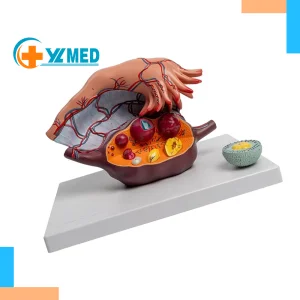
Wholesale Anatomical Model of Female Uterus Ovary & Oviduct Umbrella for Follicular Development-Enlarged Medical Science Product Pricelist, Quotes
View product page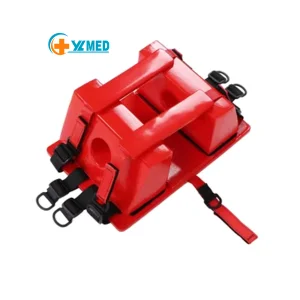
Wholesale Emergency Backboard Head Immobilizer Spine Board Class I Manual EMS EMT Medical Red Adjustable Strap Lifetime Warranty Factories, Quotes
View product page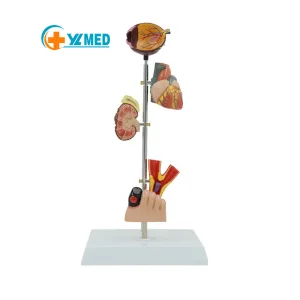
ODM Medical Science Diabetic Foot Anatomical Model Show Patterns of Diabetes Including Pathological Organ Patterns Manufacturers, Factory
View product page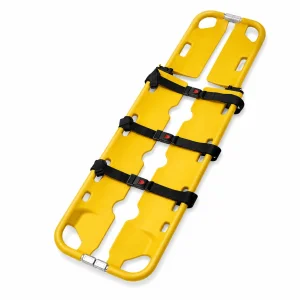
Wholesale YLEDM Rescue Scoop Stretcher Emergency Patient Transfer Stretcher with 3 Safety Straps Adjustable Length for Ambulance First Aid Rescue Quotes, Service
View product page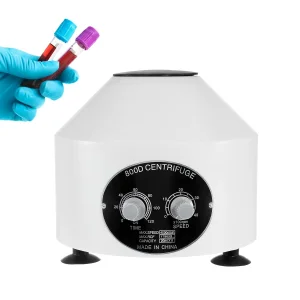
OEM Electric Centrifuge Machine Desktop Laboratory Benchtop Centrifuges Lab Medical Practice with Timer and Speed Control Factories, Service
View product page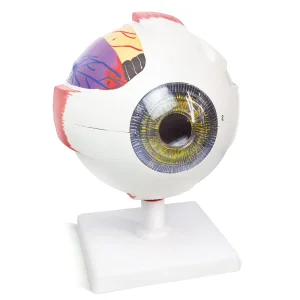
China 6X Enlarged Human Eye Anatomical Model, 6 Parts Eyeball Anatomical Model Showing Optic Nerve Cornea Iris Lens and Vitreous Body with Detachable Stand for Medical Classroom Teaching Research Manufacturer, Pricelist
View product page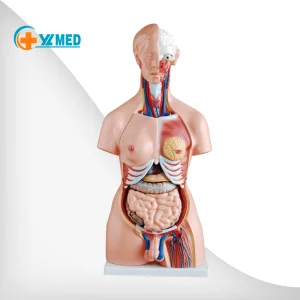
OEM There were 23 male and female 85CM torso models Factories, Quotes
View product page