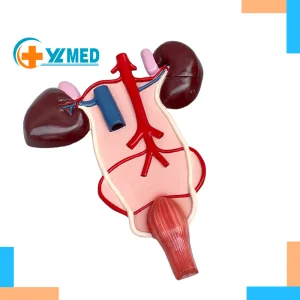
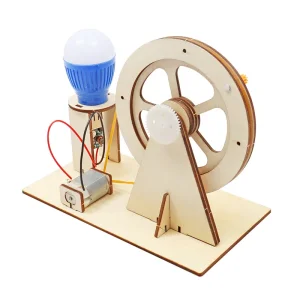
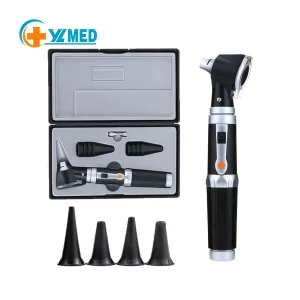
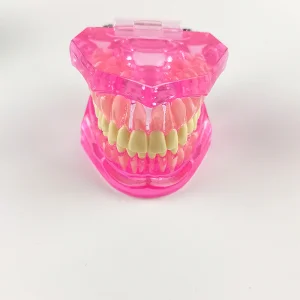
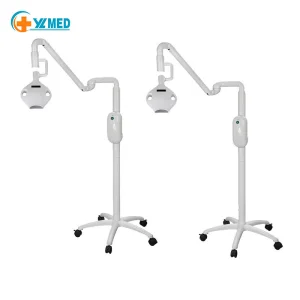
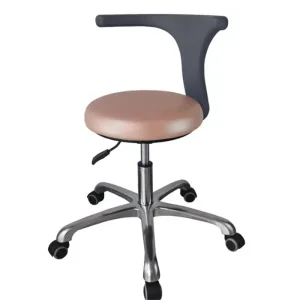
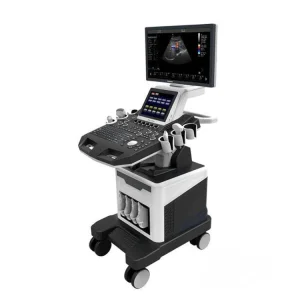
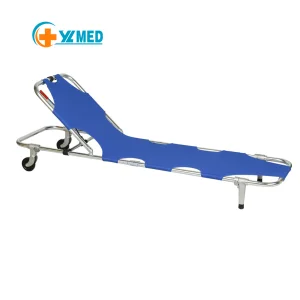
Featured OEM Nursing, Neonatal & Clinical Training Products
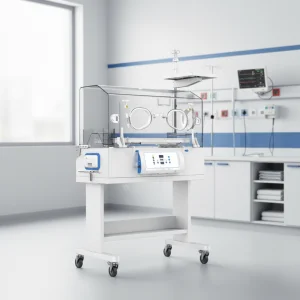
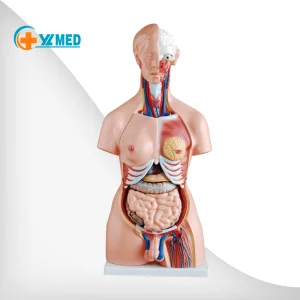
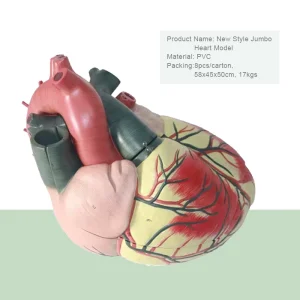
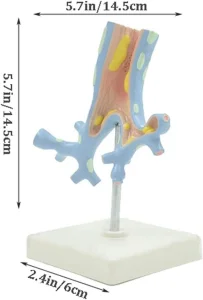
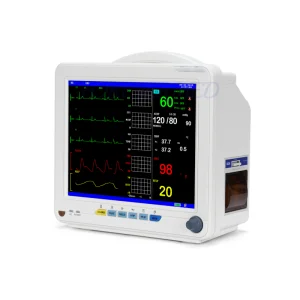
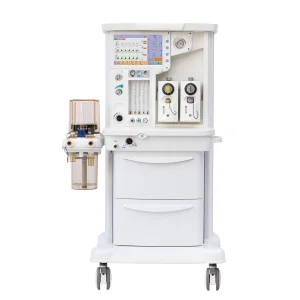
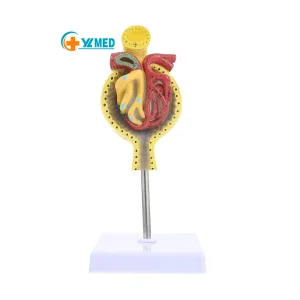
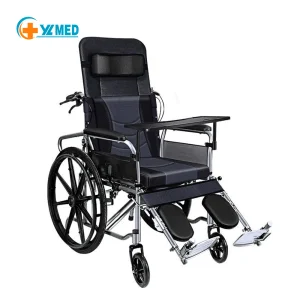
These selected models illustrate the mixed-category sourcing capability behind our advanced nursing training baby model program: neonatal care, anatomy, resuscitation support, monitoring, anesthesia and rehabilitation equipment can be consolidated into one accountable order.
What Makes an Advanced Nursing Training Baby Model Different?
An advanced nursing training baby model is not a doll-like accessory. It is a controlled learning environment that must combine anatomy, procedural realism, material durability, feedback capability and serviceability.
In nursing education, an advanced nursing training baby model is judged by how reliably it supports learning objectives across repeated cohorts. It must reproduce neonatal or infant landmarks, accept handling by dozens of students each week, tolerate cleaning and disinfection protocols, and maintain consistent resistance, fit and feel. Procurement committees increasingly ask for more than a static infant manikin: they expect airway management, CPR feedback, umbilical and IV access, suction, feeding, catheterization, diaper-changing and hygiene procedures, temperature management, and compatibility with local curricula. For OEM buyers, the deeper question is whether the manufacturing partner can reproduce those features consistently across batches and document the process.
Yulin Medical has produced educational and medical training equipment in Xinxiang, Henan, since 1958. Our quality management system has been ISO 9001 certified since 2008. With more than 200 professional staff, registered capital of RMB 120 million and ten coordinated product lines, we support distributors that need a single accountable factory for infant simulators, anatomy models, CPR manikins, dental teaching equipment and hospital apparatus. Our in-house design and packaging team translates tender specifications into product configurations, private-label packaging and export-ready documentation.
This white-paper-style guide is written by our OEM engineering and export team from day-to-day production, inspection and distributor support experience. It is structured for procurement managers, nursing school directors, hospital simulation leads and importers who need information gain rather than a catalogue repeated in different words.
Airway, Breathing & CPR Realism
Advanced infant training models should support head tilt, jaw thrust, airway obstruction, bag-valve-mask ventilation and chest compression with realistic recoil. Feedback options help instructors assess depth, rate and ventilation quality instead of relying only on visual observation.
Full Nursing Procedure Coverage
A serious baby model should go beyond CPR. Common tender requirements include feeding, suction, oral and nasal care, umbilical catheterization, IV and IO access, urinary catheterization, diaper-changing, bathing, positioning and infection-control practice.
Materials & Cleanability
Soft skin, articulated joints, sealed vascular modules and replaceable airway components should be evaluated for tear resistance, cleanability and spare-part availability. Material choice affects training realism, maintenance cost and total cost of ownership.
Modular Feedback & Serviceability
For OEM programs, modularity is a commercial advantage. Separate airway, vascular, chest and limb modules can be replaced or upgraded without scrapping the whole unit, simplifying spare-parts planning and future product refreshes.
Localized Application Scenarios for Infant & Neonatal Training
The same advanced nursing training baby model platform can be configured differently for each market, curriculum and care setting. Localization is not only language: it is procedure coverage, power supply, consumables, spare parts and packaging.
Nursing Colleges & Simulation Labs
In schools, baby models support skill demonstrations, repeated practice, OSCE-style assessment and scenario-based learning. Durable skin, clear landmarks and replaceable modules matter when a single unit serves multiple classes each week.
Hospitals & Maternal-Child Units
Hospitals use infant simulators for orientation, competency validation, neonatal resuscitation drills and ward-based patient safety training. Units may request local-language quick guides, local power adapters and accessories compatible with existing lab equipment.
Community, Public Health & Home Care
Public health teams train caregivers on feeding, hygiene, immunization positioning, safe handling and emergency response. A portable baby model with a protective carry case and simplified consumables can serve outreach programs and mobile training units.
Distributor Demo Rooms & Tenders
Distributors need demonstration units that show differences quickly: airway function, vascular access, CPR feedback and modularity. Tender packages often require specifications, packing details, spare-parts lists and product photographs in consistent formats.
Technical Roadmap & Future Outlook: From Manikin to Connected Simulation
Our product roadmap is grounded in manufacturability. Each proposed feature must survive drop, leak, cleaning, cycle and handling tests, and it must be serviceable in export markets. The goal is not novelty for its own sake, but measurable training value.
2024–2025: Modular Anatomy Platforms
Standardized torso, airway, vascular and limb modules allow one infant platform to serve multiple configurations: basic nursing care, neonatal resuscitation, umbilical access, or advanced scenario training. Distributors can stock fewer bodies and more modules.
2025–2026: Sensor-Integrated Feedback
Compression depth, rate, recoil and ventilation feedback become more accessible for infant training. Sensor modules are designed for calibration, replacement and classroom durability, with clear instructor indicators rather than complex interfaces.
2026–2027: Connected Classrooms
Wireless data capture can help instructors review performance across a class, standardize assessment and identify skill gaps. Connectivity must be optional, privacy-aware and usable in classrooms without reliable internet.
2027+: Digital Twin & AR/VR Support
Digital twin records and augmented-reality overlays can connect the physical baby model to scenario software, helping learners visualize anatomy, workflow and decision points. The physical manikin remains central because touch, resistance and procedure sequencing cannot be fully replaced.
China Factory Supply Chain Resilience & Efficiency Advantages
For OEM medical training products, resilience is not simply a low labor cost. It is the ability to keep specifications stable, absorb demand spikes, control component quality, consolidate mixed orders and ship with predictable documentation.
Xinxiang Industrial Cluster
Our base in Xinxiang, Henan, gives access to a mature network of mold, plastic, hardware, packaging and logistics suppliers. This local density shortens sourcing cycles and makes rapid material substitution easier when global supply conditions change.
In-House Tooling & Customization
OEM programs often require private-label shells, color matching, localized packaging, instruction manuals and accessory kits. In-house design and tooling coordination reduce the gap between buyer requirements and stable serial production.
ISO 9001 Inspection Gates
Incoming material checks, in-process inspection, assembly verification and pre-shipment inspection are part of our ISO 9001 quality management system. For tenders, product-specific documentation can be prepared on request where available.
Export Consolidation & Packing
Mixed-category orders can be consolidated into one shipment with one point of contact. Protective export packing, carton marking, accessory separation and spare-parts planning help distributors reduce receiving errors and after-sales friction.
Global Commercial & Industrial Status: What Buyers Should Know
Across many markets, demand for nursing simulation is being shaped by patient-safety priorities, maternal and neonatal care programs, accreditation requirements, workforce shortages and the need for more repeatable competency assessment.
Demand Drivers
Nursing schools, hospitals and public health agencies are expanding simulation-based education. They need equipment that can support skills validation, not only demonstration, and they value products that fit existing lab workflows.
Distributor Economics
Distributors need private label, local-language manuals, spare parts, demo units and reliable repeat production. A manufacturer that also supplies anatomy models, CPR trainers and hospital equipment can reduce supplier management costs.
Tender Readiness
Public tenders often require clear specifications, packing lists, spare-parts schedules and documentation. We help buyers assemble practical tender packages and avoid ambiguous descriptions that create delivery disputes.
Total Cost of Ownership
Lower unit price is not always lower total cost. Training centers should compare skin durability, replaceable modules, consumable availability, spare-parts lead time and instructor training support. These factors influence five-year cost and uptime.
Localization Support & Compliance Assurance for OEM Buyers
International supply works best when responsibilities are clear. Yulin Medical supports localization and documentation, while final market registration, import clearance and local clinical claims remain the responsibility of the importer or distributor.
Language & Labeling
We support private-label artwork, localized product labels, packaging text, quick-start guides and accessory identification. Clear labeling reduces setup errors and helps distributors provide consistent after-sales support.
Power & Regional Accessories
Where products include electronic feedback, phototherapy, monitoring or lighting, we can coordinate voltage, plug, adapter and accessory requirements for the target market. This is especially important for hospital and tender orders.
Documentation Pack
Depending on the product and market, we can prepare commercial invoices, packing lists, specifications, material statements, maintenance guidance and available quality documents. Product-specific compliance documentation can be supplied where available.
After-Sales & Spare Parts
Spare-part planning is essential for advanced simulators. We help buyers define consumables, wear parts and modular replacements at the quotation stage, so training programs are not interrupted by missing components.
A Six-Decade Manufacturer Trusted by Educators and Clinicians
Henan Yulin Edu. Project Co., Ltd. is a manufacturer with its own factory in Xinxiang, Henan, China — not a pure trading company. For one-stop orders, we also coordinate a stable network of long-term partner factories.
Founded in 1958, Henan Yulin Edu. Project Co., Ltd. has grown into a well-known educational and medical equipment supplier that integrates scientific research, production and sales. With registered capital of RMB 120 million and more than 200 professional employees, we manage product development, manufacturing, inspection and export from our base at No. 8, Daoqing Road, Industry Park, Hongqi District, Xinxiang, Henan, China. Our motto is simple: quality first, service first. Our goal is to fully satisfy every customer through dependable quality and attentive service while continuously developing the skills of our team so that each project is handled by experienced people.
Our quality management system has been ISO 9001 certified since 2008. Product-specific documentation can be provided on request for tenders and import registration where available. Our export team is online seven days a week and typically replies within 24 hours with catalogs, specifications and shipping options.
Complete Sourcing for Medical Education & Clinical Use
Ten specialized product lines allow procurement teams to source simulation, laboratory and hospital equipment from one accountable manufacturer instead of managing multiple suppliers.
Anatomy Models
Torso, organ, heart, brain and muscle models with numbered structures for lectures and patient education.
View rangeBiology Prepared Slides and Accessories
Histology, botany and zoology prepared slides plus storage and microscope accessories for biology labs.
View rangeDental Tools and Equipment
Dental teaching models, clinic lights, LED whitening units and endodontic instruments for training and practice.
View rangeGeneral Teaching Models
Science demonstration models for primary schools, secondary schools and education equipment tenders.
View rangeHospital Furniture and Equipments
Stainless steel examination couches, stretchers, walkers and shower chairs built for daily clinical use.
View rangeHospital Machine and Tools
Diagnosis and treatment devices and practical tools for wards, clinics and emergency departments.
View rangeMedical Apparatus and Instruments
Emergency splints, extrication devices, cervical traction and rehabilitation instruments.
View rangeMedical Nursing Model
Adult, child and neonatal CPR manikins, ACLS simulators and AED trainers for skills assessment.
View rangeSkeleton Models
Life-size and desktop skeletons, skulls, spines and joint models for osteology teaching.
View rangeSuture Pads and Kits
Realistic skin suture pads and complete instrument kits for surgical and wound-closure practice.
View rangeA Transparent 5-Step Process for Overseas Buyers
From first conversation to delivery, every stage has a named contact and clear documentation so you can plan stock, tenders and training schedules with confidence.
Share Requirements
Send product types, quantities, target market and any tender or certification needs.
Catalog & Proposal
Receive matched models, specifications, packaging options and shipping suggestions.
Sample Evaluation
Test samples with your instructors or clinicians before confirming bulk production.
Production & QC
Manufacturing and inspection follow our ISO 9001 quality management system.
Export & Support
Protective export packing, delivery coordination and responsive after-sales service.
Why Distributors and Institutions Partner with Us
Four strengths overseas buyers consistently cite when they move long-term orders to our factory.
24/7 Responsive Service
Our team is online 24 hours a day, seven days a week. Whatever your time zone, you receive a detailed answer as quickly as possible — typically within 24 hours.
Design & Packaging Team
In-house specialists deliver professional product design and private-label packaging that strengthens your brand and increases the added value of every unit you sell.
Professional Expertise
Our vision is to provide professional educational and medical training products from mainland China, built under ISO 9001 process control and decades of category knowledge.
60+ Years of Supply Stability
A factory with over 60 years of history and a deeply integrated partner supply chain lets us meet one-stop demands and keep lead times predictable on repeat orders.
News & Practical Insights from Our Specialists
Exhibition updates and hands-on guidance written by the team that designs, builds and supports our products.

Do You Really Know How to Observe Biological Prepared Slides?
Many plant and animal cell structures can only be studied under a microscope, which makes prepared biological slides essential in every biology lab. Yet many users never get the full value from them. Our specialists explain how to handle, focus and store slides correctly so students see clearer detail and your slide sets last for years.

The 5th Henan Provincial Educational Equipment Expo Concludes Successfully
Themed “Digital Leading Innovation and Development”, the expo reached a record 50,000 m² with 600+ brands and 10,000+ products on display, showcasing the latest educational equipment and practical teaching solutions.

Inside Our Product Showroom
A look at the medical teaching models and training equipment buyers can inspect in person when visiting our Xinxiang facility, including anatomy models, nursing simulators and hospital training equipment.
Frequently Asked Questions from Importers
Straight answers to the questions procurement managers ask most before placing a first order.
Is Yulin Medical a manufacturer or a trading company?
We are a manufacturer. Henan Yulin Edu. Project Co., Ltd. was founded in 1958 and operates its own factory in Xinxiang, Henan, China, with more than 200 professional staff. For one-stop orders, we also coordinate a stable network of long-term partner factories.
What quality certification do you hold?
Our quality management system has been ISO 9001 certified since 2008. Product-specific documentation can be provided on request to support tenders and import registration where available.
Do you support OEM, private label and custom packaging?
Yes. Our in-house design team develops private-label packaging and product presentation for distributors, helping increase shelf appeal and resale value in your market. We can also coordinate localized manuals, labels and accessory kits for suitable order volumes.
How do I choose the right CPR training manikin?
Start with the learner group: adult, child or neonatal. Then check that real-time feedback covers compression depth, compression rate and ventilation volume; confirm alignment with current AHA resuscitation guidelines where required; and decide whether your courses need AED trainer integration. For advanced life-support programs, an ACLS simulator with embedded scenarios offers far more assessment value than a basic torso.
How do I specify an advanced nursing training baby model for a tender?
Define the learner group and procedures first: neonatal or infant, airway and CPR, umbilical access, IV/IO, suction, feeding, catheterization, hygiene and monitoring. Then specify whether feedback is required, whether the platform must be modular, what spare parts should be quoted, and which language and packaging requirements apply. A clear specification reduces later disputes and helps compare quotations on total training value rather than headline price.
Can you customize neonatal and infant configurations?
Yes, subject to order volume and technical feasibility. Typical customization includes skin tone, airway modules, vascular access modules, chest compression feedback, carry cases, private-label packaging, manual language and accessory kits. We recommend evaluating a sample before confirming a bulk OEM specification.
How do you support local compliance and after-sales planning?
We provide commercial and technical documents where available, support labeling and packaging localization, and help define spare parts and consumables at quotation stage. Final market registration, import clearance and local clinical claims remain the responsibility of the importer or distributor, so both sides should confirm requirements before production.
How quickly will I receive a reply?
Our export team is online seven days a week and typically replies within 24 hours with catalogs, specifications and shipping options.
Need Specifications, a Price List or a Tender Package? We Reply Within 24 Hours.
Tell us your target market, quantities, learner group and certification requirements. Our product specialists will recommend suitable advanced nursing training baby model configurations, share detailed specifications and propose an economical shipping plan for your order.
More Factory-Direct Products for Mixed-Category Orders
Use one factory contact to combine nursing simulators, anatomy models, dental teaching products, diagnostic tools and emergency equipment. All product links below are retained for direct inquiry.