ODM Vacuum Blood Tube Manufacturer & Quotes
Factory-coordinated vacuum blood collection tube programs for distributors, diagnostic laboratories, hospitals and private-label brands — with additive customization, PET or glass formats, sterile production, lot traceability and quote-ready export documentation.
Featured Medical Products for Integrated ODM Programs
Yulin Medical has supplied medical teaching, simulation and hospital equipment since 1958. The products below are the first group of eight original catalog items requested by distributors, schools, hospitals and integrated healthcare buyers. For vacuum blood tube ODM projects, our export team combines these established product lines with qualified tube-manufacturing partners and documented quality control.
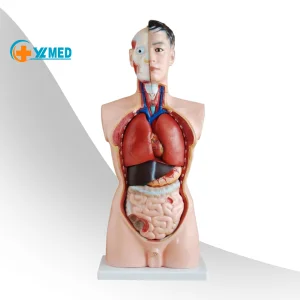
Wholesale life size human anatomical model 85cm male torso 19 parts teaching models for medical use Manufacturer, Factories
View Product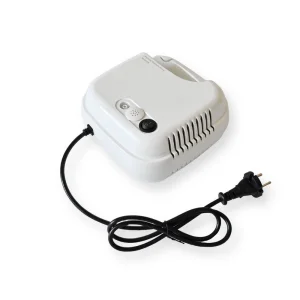
ODM Household Medical Portable Nebulizer Machine for Compressor Baby Inhalator Manufacturer, Quotes
View Product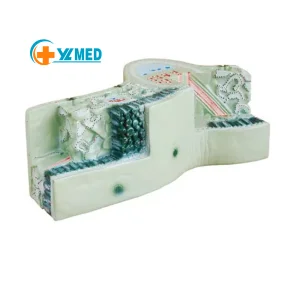
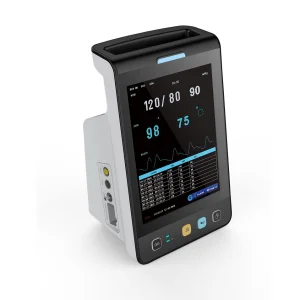
Wholesale 8 Inch Portable Anti-Fibrillation Vital Signs Monitor Professional Medical Device for ICUs Examination Therapy Equipments Factory, Factories
View Product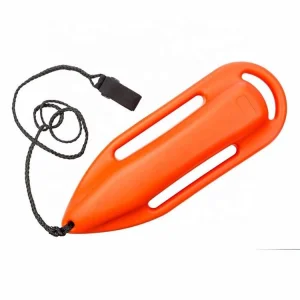
ODM Cheap Water Lifesaving Floating Rescue Freedive Float Rescue Tube Can Swimming Life Safety Buoy Manufacturers, Pricelist
View Product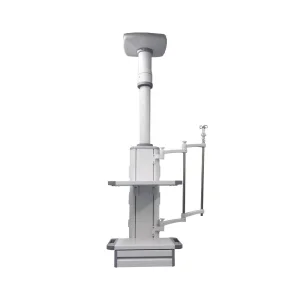
China Medical Equipment Hospital Room Pendant Electric Surgical Gas Tower Quotes, Service
View Product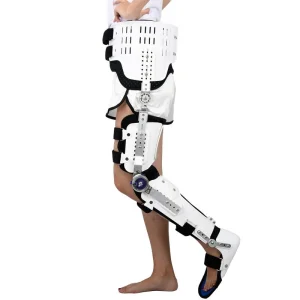
Wholesale Knee Ankle Foot Joint Fixation Brace Orthosis Adjustable Breathable Plastic Class II Lower Limb Thigh Leg Rehabilitation Device Pricelist, Service
View Product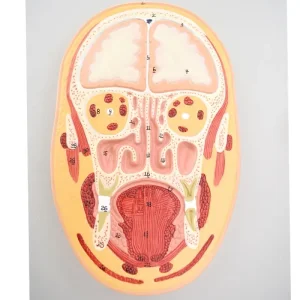
Global Commercial and Industrial Status of Vacuum Blood Tubes
Vacuum blood collection tubes are single-use in-vitro diagnostic consumables used with venipuncture needles to draw a predetermined blood volume. They combine an evacuated tube, a closure and an additive system. Demand is closely linked to routine blood testing, chronic disease management, blood banking, clinical trials, occupational health, veterinary diagnostics and decentralized care.
The global market is not a single commodity market. Procurement teams specify draw volume, tube dimensions, additive chemistry, material, sterile status, label language, barcode format, shelf life, packaging and regulatory documentation. A tube that works for a high-throughput laboratory may be unsuitable for a mobile clinic, a veterinary practice or a pediatric ward. This is why ODM vacuum blood tube sourcing must begin with the intended use and destination market, not with a generic price list.
Manufacturing is concentrated in regions with mature medical-grade plastics, glass, closures, separator gels, additives and sterile packaging supply chains. China remains a major export base for PET and glass tubes, but buyers increasingly dual-source and request ISO 13485, ISO 6710, IVDR, FDA, MDSAP and local registration support. Competition is shifting from unit price to total landed cost, documentation quality, lot traceability and supply continuity.
Buyer priorities in 2025–2030
- Draw-volume accuracy and vacuum retention over shelf life.
- Additive stability and low hemolysis risk.
- Cap seal integrity, pierceability and leak resistance.
- GS1 / 2D barcode and laboratory automation compatibility.
- Private-label packaging and multilingual instructions.
- Auditable certificates, COA and lot traceability.
Demand drivers
Aging populations, chronic disease screening, preventive health checks, blood donation programs, clinical trials and veterinary diagnostics continue to expand the installed base of blood collection workflows.
Supply chain pressure
PET resin, glass, closures, separator gel, additives, sterile packaging and freight all affect landed cost. Reliable ODM partners plan material qualification and safety stock instead of quoting on price alone.
Quality differentiation
Buyers compare vacuum decay, draw volume, additive homogeneity, cap performance, label adhesion, sterilization validation and shelf-life data before approving a new supplier.
What an ODM Vacuum Blood Tube Program Includes
ODM does not mean printing a logo on a generic tube. A genuine ODM program defines the intended use, tube format, additive system, material, closure, label, packaging, sterility, shelf life, documentation and inspection plan before quotation.
Tube format and draw volume
Common formats include 13×75 mm, 13×100 mm and 16×100 mm, plus pediatric or low-volume draws. Draw volume, tube length and closure must match the needle holder, centrifuge and analyzer workflow.
PET or glass material
PET offers shatter resistance, lighter shipping weight and good clarity. Glass offers inertness and gas-barrier performance but is heavier and breakable. The choice depends on additive, market preference and handling conditions.
Additive and color code
EDTA K2/K3, sodium citrate, heparin, clot activator, serum separator gel, fluoride/oxalate and trace-metal formats can be quoted. Color coding must be confirmed against ISO 6710, CLSI conventions and local market practice.
Closure and seal integrity
Closure design affects vacuum retention, pierceability, re-seal performance and leakage risk. Tamper-evident options, custom colors and closure markings can support brand differentiation.
Label, IFU and traceability
Private-label artwork, multilingual instructions, 2D barcode, GS1 data carrier, lot number, expiry date and sterilization indicators can be specified for laboratory automation and auditability.
Sterility and shelf life
Sterilization method, bioburden control, packaging validation and real-time or accelerated shelf-life studies should be agreed before launch. Typical programs target 18–24 months depending on format and additive.
Packaging and kitting
Racks, peel pouches, cartons, shipping marks and private-label cartons can be customized. Kitting with needles, holders, alcohol pads, gauze and tourniquets can simplify hospital and distributor orders.
Certificates and inspection
Documentation may include COA, specifications, IFU, lot records, sterilization records and regulatory support files. Product-specific claims must be verified for each destination market.
Application Scenarios and Regional Localization
Vacuum blood tube requirements change by care setting. A centralized laboratory values automation compatibility and barcode readability; a mobile clinic values portability, leak resistance and stable shelf life; a blood bank values donor safety and traceability.
Hospital phlebotomy and wards
High-volume wards need consistent draw volumes, clear color coding, reliable cap performance and workflow-friendly packaging. Pediatric and difficult-vein draws require low-volume formats.
Diagnostic laboratories
Automated analyzers require stable barcodes, rack compatibility, consistent tube dimensions and low defect rates. Additive carryover and hemolysis risk must be controlled.
Blood banks and transfusion services
Donor screening and blood typing need reliable sample integrity, clear identification and documentation. Pink-top or designated blood-bank formats are specified according to local protocol.
Public health and mobile outreach
Field teams need robust packaging, long shelf life, heat and humidity resistance, and simple instructions. Bulk cartons and low-waste packaging can reduce total program cost.
Veterinary and research
Veterinary clinics and research laboratories often need smaller draw volumes, microtubes, special anticoagulants and custom labeling for species, study code or batch tracking.
Home care and point-of-care
Home phlebotomy and decentralized testing favor compact kits, safety-engineered devices, clear patient instructions and packaging that protects tubes during transport.
Europe
IVDR readiness, sustainability, safety-engineered devices, GS1 traceability and multilingual labeling are common requirements.
North America
CLSI-aligned workflows, barcode readability, analyzer compatibility and FDA-related documentation should be confirmed before launch.
Middle East
Tender documentation, long shelf life, heat resistance and bilingual Arabic/English labeling are often important.
Africa
Mobile clinics, public tenders and low-resource settings favor durable packaging, clear instructions and cost-effective logistics.
Asia-Pacific
High-volume procurement, private-label brands, pediatric formats and local registration support drive supplier selection.
Vacuum Blood Tube Technology Roadmap and Future Outlook
The next competitive frontier is not only lower unit cost. It is the integration of reliable vacuum performance, additive stability, traceability, automation compatibility and sustainable materials into a documented ODM program.
2025–2026: Material and additive optimization
PET clarity and shatter resistance, closure consistency, separator gel stability and low-hemolysis additive systems will remain central. Buyers will request more lot-specific COA and shelf-life evidence.
2026–2028: Digital traceability
2D barcode, GS1 labeling, camera-readable batch codes and compatibility with laboratory automation will become standard expectations for hospital and reference-laboratory tenders.
2028–2030: Low-volume and automation-ready design
Pediatric, geriatric, veterinary and microsampling formats will grow. Rack design, cap handling and tube dimensional consistency will be engineered around automated sample-to-analyzer workflows.
2030+: Sustainability and connected inventory
Recycled or lower-carbon plastics, reduced packaging, temperature indicators, smart labels and vendor-managed inventory may reshape procurement. Regulatory evidence will still outweigh marketing claims.
Quality, Regulatory and Procurement Checklist
Use this checklist to compare ODM vacuum blood tube suppliers on evidence, not just price. Certification scope matters: an ISO 9001 certificate supports process discipline, but it is not a product-specific IVD approval.
Quality management system
Confirm ISO 9001 for general process control and ISO 13485 for medical-device manufacturing where applicable. Review audit scope, certificate validity and the actual production site.
Product standard
Reference ISO 6710 for single-use containers for venous blood specimen collection. Confirm test methods for draw volume, vacuum retention, leakage and closure performance.
Regulatory pathway
Check EU IVDR, US FDA requirements, UKCA, TGA, Health Canada or local registration as applicable. Classification varies by market, so verify with the local authority and your importer.
Lot traceability
Link resin or glass batch, additive lot, closure lot, assembly date, sterilization record, packaging lot and inspection result to the finished product label.
In-process and final inspection
Monitor additive fill, vacuum level, capping force, label position, visual defects, leakage, draw-volume accuracy and packaging integrity before release.
Stability and transport validation
Review real-time and accelerated shelf-life data, simulated transport and temperature/humidity challenges. Keep records available for tenders and importer audits.
Macro Industry Solutions for Distributors and Healthcare Groups
Yulin Medical’s project team supports consolidated sourcing for medical education, hospital equipment and ODM vacuum blood tube programs. The objective is fewer suppliers, clearer documentation and more predictable replenishment.
Private-label program
Brand naming, packaging artwork, instructions for use, carton marks and product photography support distributors that want a locally owned brand instead of generic imports.
Procedure kit assembly
Combine tubes, needles, holders, alcohol pads, gauze and tourniquets into a single SKU for hospitals, mobile clinics, blood donation drives or home-care programs.
Vendor-managed inventory
Forecast sharing, safety stock, carton-level labeling and scheduled replenishment can reduce stockouts for distributors serving public tenders and multi-site laboratory networks.
Tender and registration pack
Prepare specifications, certificates, COA templates, IFU files, packaging photos and shipping documents to help your team respond to tenders and import registration requests.
A Six-Decade Manufacturer Trusted by Educators and Clinicians
Henan Yulin Edu. Project Co., Ltd. (Yulin Medical) has built educational and medical training equipment in Xinxiang, China, for more than six decades. Our quality management system has been ISO 9001 certified since 2008, and our motto is simple: quality first, service first. Every order is produced and inspected so that distributors, medical universities, nursing colleges and hospitals receive consistent, well-documented products on every batch.
Founded in 1958, Henan Yulin Edu. Project Co., Ltd. has grown into a well-known educational and medical equipment supplier that integrates scientific research, production and sales. With registered capital of RMB 120 million and more than 200 professional employees, we manage product development, manufacturing, inspection and export from our base at No. 8 Daoqing Road, Hongqi District, Xinxiang.
Our goal is to fully satisfy every customer through dependable quality and attentive service, while continuously developing the skills of our team so that each project is handled by experienced people. For buyers, this means one accountable manufacturer for anatomy models, nursing simulators, laboratory slides and hospital equipment — consolidated into a single shipment and backed by an ISO 9001 quality system.
Factory-direct advantages
- Supply across 10 product lines, from anatomy models to hospital furniture.
- Private-label packaging and product design that raises resale value.
- Mixed-category orders consolidated into one shipment and one contact.
- ISO 9001 quality management discipline since 2008.
- Export team online 7 days a week with a 24-hour reply commitment.
Complete Sourcing for Medical Education & Clinical Use
Ten specialised product lines let procurement teams source simulation, laboratory and hospital equipment from one accountable manufacturer instead of managing multiple suppliers.
Anatomy Models
Torso, organ, heart, brain and muscle models with numbered structures for lectures and patient education.
02Biology Prepared Slides and Accessories
Histology, botany and zoology prepared slides plus storage and microscope accessories for biology labs.
03Dental Tools and Equipment
Dental teaching models, clinic lights, LED whitening units and endodontic instruments for training and practice.
04General Teaching Models
Science demonstration models for primary schools, secondary schools and education equipment tenders.
05Hospital Furniture and Equipments
Stainless steel examination couches, stretchers, walkers and shower chairs built for daily clinical use.
06Hospital Machine and Tools
Diagnosis and treatment devices and practical tools for wards, clinics and emergency departments.
07Medical Apparatus and Instruments
Emergency splints, extrication devices, cervical traction and rehabilitation instruments.
08Medical Nursing Model
Adult, child and neonatal CPR manikins, ACLS simulators and AED trainers for skills assessment.
09Skeleton Models
Life-size and desktop skeletons, skulls, spines and joint models for osteology teaching.
10Suture Pads and Kits
Realistic skin suture pads and complete instrument kits for surgical and wound-closure practice.
Why Distributors and Institutions Partner with Yulin Medical
Four strengths overseas buyers consistently cite when they move long-term orders to our factory.
24/7 Responsive Service
Our team is online 24 hours a day, 7 days a week. Whatever your time zone, you receive a detailed answer as quickly as possible — typically within 24 hours.
Design & Packaging Team
In-house specialists deliver professional product design and private-label packaging that strengthens your brand and increases the added value of every unit you sell.
Professional Expertise
Our vision is to provide the most professional educational and medical training products from mainland China, built under ISO 9001 process control and decades of category knowledge.
60+ Years of Supply Stability
A factory with over 60 years of history and a deeply integrated partner supply chain lets us meet one-stop demands and keep lead times predictable on repeat orders.
A Transparent 5-Step Process for Overseas Buyers
From first conversation to delivery, every stage has a named contact and clear documentation, so you can plan stock, tenders and training schedules with confidence.
Share Requirements
Send product types, quantities, target market and any tender or certification needs.
Catalog & Proposal
Receive matched models, specifications, packaging options and shipping suggestions.
Sample Evaluation
Test samples with your instructors or clinicians before confirming bulk production.
Production & QC
Manufacturing and inspection follow our ISO 9001 quality management system.
Export & Support
Protective export packing, delivery coordination and responsive after-sales service.
Featured CPR, Emergency & Rehabilitation Equipment
Best-selling simulation manikins, first-aid devices and mobility aids requested by training centres, ambulance services and healthcare distributors. These items can be consolidated with vacuum blood tube programs for mixed-category container loads.












News & Practical Insights from Our Specialists
Exhibition updates and hands-on guidance written by the team that designs and builds our products.

Do You Really Know How to Observe Biological Prepared Slides?
Many plant and animal cell structures can only be studied under a microscope, which makes prepared biological slides essential in every biology lab. Our specialists explain how to handle, focus and store slides correctly so students see clearer detail and your slide sets last for years.

The 5th Henan Provincial Educational Equipment Expo Concludes Successfully
Themed “Digital Leading Innovation and Development”, the expo reached a record 50,000 m² with 600+ brands and 10,000+ products on display, showcasing the latest educational equipment.

Inside Our Product Showroom
A look at the medical teaching models and training equipment buyers can inspect in person when visiting our Xinxiang facility.
Factory, Product & Export Gallery
Original Yulin Medical visual assets preserved for buyer verification, factory review and product showcase.












Frequently Asked Questions from Importers
Straight answers to the questions procurement managers ask most before placing a first order.
Is Yulin Medical a manufacturer or a trading company?
We are a manufacturer. Henan Yulin Edu. Project Co., Ltd. was founded in 1958 and operates its own factory in Xinxiang, Henan, China, with more than 200 professional staff. For one-stop orders, we also coordinate a stable network of long-term partner factories.
What quality certification do you hold?
Our quality management system has been ISO 9001 certified since 2008. Product-specific documentation can be provided on request to support tenders and import registration in your country.
Do you support OEM, private label and custom packaging?
Yes. Our in-house design team develops private-label packaging and product presentation for distributors, helping increase shelf appeal and resale value in your market.
How do I choose the right CPR training manikin?
Start with the learner group: adult, child or neonatal. Then check that real-time feedback covers compression depth, compression rate and ventilation volume; confirm alignment with current AHA resuscitation guidelines; and decide whether your courses need AED trainer integration. For advanced life-support programmes, an ACLS simulator with embedded scenarios offers far more assessment value than a basic torso.
How quickly will I receive a reply?
Our export team is online 7 days a week and typically replies within 24 hours with catalogs, specifications and shipping options.
What information do I need to provide for a vacuum blood tube quote?
Provide the destination market, intended use, tube size and draw volume, additive or color code, material preference, closure requirement, label language, barcode format, packaging type, estimated annual quantity, sterilization and certification needs, and target delivery date. This allows a quote to be built on the correct specification instead of a generic reference price.
Can vacuum blood tubes be customized with private-label packaging and barcodes?
Yes. ODM programs can include private-label cartons, labels, instructions for use, lot coding, expiry coding, 2D barcodes and GS1 data carriers. Artwork and barcode content should be approved against your laboratory or tender requirements before production.
Which additives and tube colors can be quoted?
Common options include clot activator, serum separator gel, EDTA K2/K3, sodium citrate, lithium or sodium heparin, fluoride/oxalate and trace-metal formats. Color codes and additive claims must be confirmed against ISO 6710, CLSI guidance and the regulations of the destination market.
Are PET and glass tubes both available?
Both material routes can be evaluated. PET is lighter and shatter-resistant, while glass offers different barrier and inertness characteristics. The final choice depends on additive compatibility, market preference, handling conditions, sterilization method and cost target.
What regulatory documents can be supplied for vacuum blood tube projects?
Documentation is confirmed per manufacturing partner and destination market. Typical files may include ISO 13485 certificate, ISO 6710 test references, COA, specifications, IFU, sterilization records, shelf-life data and importer registration support. Yulin Medical’s ISO 9001 certificate is a quality-system credential and is not a substitute for product-specific IVD approval.
Need Specifications, a Price List or a Tender Package? We Reply Within 24 Hours.
Tell us your target market, quantities and certification requirements. Our product specialists will recommend suitable models, share detailed specifications and propose the most economical shipping plan for your order.
Direct Channels
Email: [email protected]
Phone: 0086-13503800666
WhatsApp: +86 135 0380 0666
Address: No. 8, Daoqing Road, Industry Park, Hongqi District, Xinxiang, Henan, China
Quote checklist for faster response
- Product list with quantities and target market.
- Vacuum tube format, draw volume, additive and material.
- Private-label artwork, IFU language and barcode needs.
- Sterilization, shelf-life and regulatory documents required.
- Packaging preference, shipping terms and delivery date.
- Tender deadline or sample evaluation schedule.
Quick Links & Contact
Yulin Medical
Henan Yulin Edu. Project Co., Ltd. — ISO 9001 certified manufacturer of medical teaching models, simulation manikins and hospital equipment.
Home · Products · Global Service · Hot Blog
Product Categories
Contact Details
No. 8, Daoqing Road, Industry Park, Hongqi District, Xinxiang, Henan, China
Additional ODM Medical Products for Consolidated Orders
The second group of eight original catalog items is shown below. Product URLs, images and titles are preserved for buyer reference and mixed-category quotations.
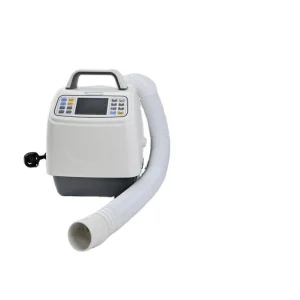
OEM Wholesale Price High Quality Surgical Hospital Equipments Machine Medical air Patient Warming System Manufacturer, Service
View Product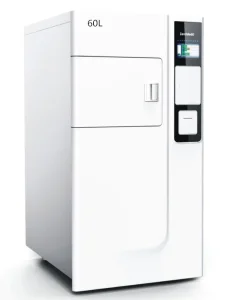
Wholesale Medical Plasma Sterilizer H2o2 Plasma Sterilizer Medical Low Temperature Plasma Sterilizer Manufacturer, Service
View Product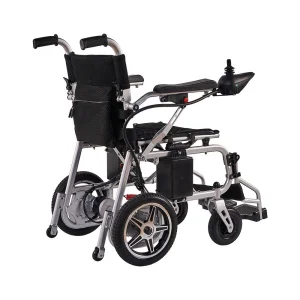
Wholesale High Power Lightweight Carbon Steel Electric Wheelchair Disc Brake Class II Adjustable Foldable Walker Rollator-Factory Direct Manufacturers, Factories
View Product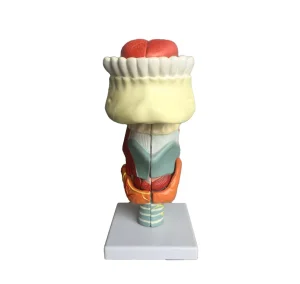
China Human Larynx Anatomical Model with 5 Parts for Medical Training Thyroid Tongue Teeth Larynx Anatomy Model for Teaching Manufacturers, Service
View Product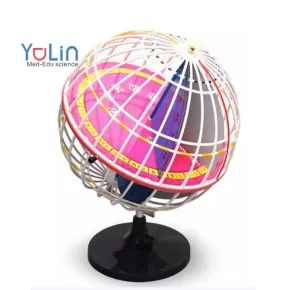
Wholesale Geography Teaching Aids Rotating 360 Globe Educational Products for Kids Globe Earth World Globe Longitude and Latitude Model Manufacturer, Factory
View Product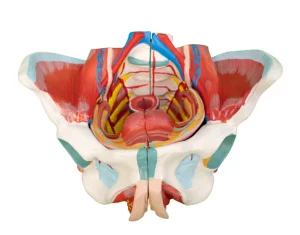
China Life Size Human Female Pelvis Model with Pelvic Floor Muscles, Vessels Nerves & Reproductive, 4 Parts Removable Organs, for the teaching of physiology and hygiene in the teaching of anatomy schools Factories, Quotes
View Product