
ODM · OEM · ISO 9001 · Factory Direct Pricelist
ODM Ultrasound Scanner Manufacturer & Pricelist
Factory-direct diagnostic ultrasound platforms, transducer configurations and transparent price bands for distributors, hospital groups and tender teams — supported by a manufacturing base established in 1958 and an ISO 9001 quality system certified since 2008.
Factory Catalogue · Part 1
Eight Complementary Categories to Build Around an Ultrasound Order
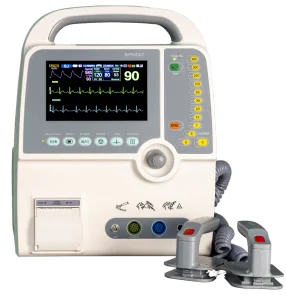
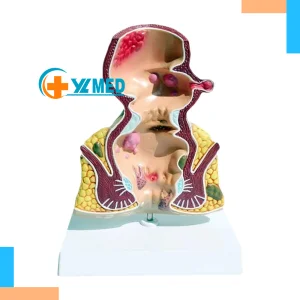
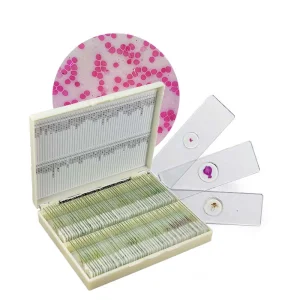
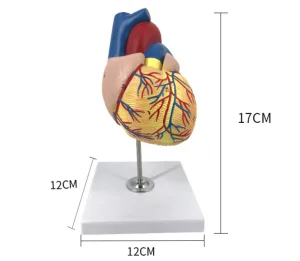
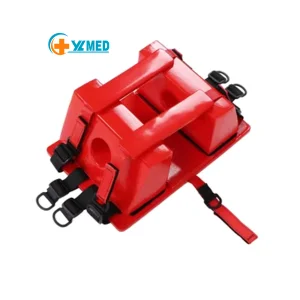
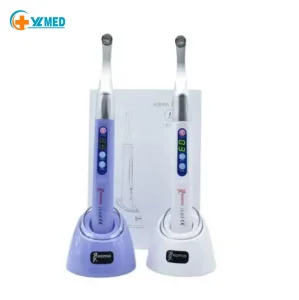
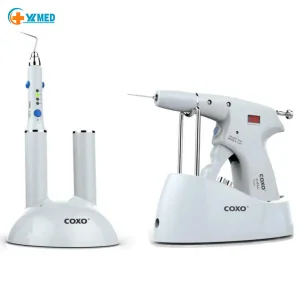
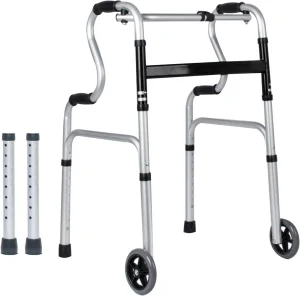
Ultrasound rarely ships alone. Distributors and hospital procurement teams usually consolidate imaging systems, emergency devices, teaching models and consumables into one shipment to cut freight, customs handling and supplier management costs. The eight factory-direct categories below are the items most frequently ordered alongside a colour Doppler or portable black-and-white scanner programme.
Market Intelligence
Global Ultrasound Scanner Market: Commercial and Industrial Reality in 2025
Any honest ultrasound scanner pricelist starts with the market itself. Diagnostic ultrasound is one of the few imaging modalities that has grown in both high-end hospital settings and the most resource-limited clinics, because the physics is safe, the hardware is increasingly portable and the clinical utility keeps expanding.
Market size and demand structure
Industry analysts generally size the global ultrasound systems market in the region of USD 9–10 billion at manufacturer level, with compound annual growth in the mid single digits once premium cart-based systems are combined with portable and handheld devices. Growth is not evenly distributed: mature markets such as North America, Western Europe and Japan concentrate replacement demand and premium cardiology or radiology upgrades, while South and Southeast Asia, Sub-Saharan Africa, the Middle East and Latin America absorb most first-time installations.
The practical consequence for buyers is a market split into three procurement behaviours: tender-driven public purchasing, distributor-led channel sales, and direct institutional procurement by private hospital chains. Each expects a different document set, a different service model and a different price band.
Supply side and industrial structure
Ultrasound manufacturing is consolidating into three tiers. Tier one consists of multinational original equipment manufacturers with proprietary beamforming platforms, deep clinical libraries and global service networks. Tier two comprises Asian manufacturers that build complete systems on mature digital architectures and sell them under their own brands or as ODM ultrasound scanners. Tier three is the component layer — transducers, digital boards, probes, displays and enclosures.
Most new entrants and regional brands enter through tier two. That is why a credible ODM partner now has to offer more than an assembled machine: it must supply the clinical presets, the regulatory dossier, the service training and the packaging that make a product sellable in a specific country.
Procurement note: a device that costs 15% less but lacks a stable transducer supply line will cost far more over a five-year replacement cycle than a marginally higher-priced platform with documented probe availability.
ODM Definition
ODM versus OEM: What a White-Label Ultrasound Programme Actually Includes
Buyers often use "OEM" and "ODM" interchangeably. In diagnostic imaging the distinction has commercial consequences, because it determines who owns the design, who owns the regulatory file and who carries the cost of change.
OEM in imaging
In a strict OEM arrangement, the buyer supplies a specification that the factory builds to — the buyer owns the industrial design and the brand logic, and the factory executes. The buyer usually already possesses a clinical concept or a distribution base and needs manufacturing capacity.
ODM in imaging
In a genuine ODM ultrasound scanner model, the manufacturer owns the platform and the engineering team, and adapts it to the reseller: housing graphics, boot logo, user interface language, measurement packages, probe mix and packaging. The buyer gains speed to market; the factory retains platform responsibility and spare-part continuity.
What a complete ODM package should contain
- Hardware configuration: channel count, beamformer architecture, display size and resolution, battery runtime, probe connector count, trolley or carry-case format.
- Transducer portfolio: convex, linear, phased array, transvaginal, micro-convex paediatric probes, plus optional biopsy guides and gel warmers.
- Software localisation: interface language, region-specific measurement tables, obstetrics gestational references, report templates and DICOM connectivity.
- Brand layer: boot logo, housing silk-print, colour scheme, quick-start guide, manual and warranty card in the target language.
- Compliance dossier: ISO 9001 process records, ISO 13485 where applicable, test reports, EMC documentation and the regulatory pathway agreed for your market.
- Service kit: probe handles, fuses, keyboard covers, a documented maintenance schedule and a service-training session for your engineers.
Manufacturing Advantage
Why Chinese Factories Win on Efficiency — and Where That Advantage Stops
Cost alone no longer explains the shift of ultrasound production towards China. The durable advantage is supply-chain density: the ability to iterate a design, retool a component and re-test a probe within days rather than months.
Industrial cluster effect
Transducer fabrication, piezoelectric material supply, PCB assembly, precision moulding, display sourcing and cable harnessing sit within a few hours of each other in the major manufacturing belts. A probe redesign that would require six weeks of logistics in a fragmented supply chain can be executed in four to six working days.
Vertical integration also shortens the cash cycle. When the same factory owns the mould shop, the SMT lines and the final assembly floor, changes in enclosure design, connector placement or battery bay layout no longer trigger a cross-supplier negotiation.
Where efficiency must be controlled
Speed is not the same as consistency. Buyers should insist on an agreed inspection plan covering probe element sensitivity, image uniformity on a tissue-equivalent phantom, electrical safety testing, ageing tests on the battery and a documented first-article approval before mass production.
The correct question is not "how fast can you build it" but "how do you prove that unit 500 matches unit 1". A factory that answers that question with data — not with a brochure — is the one worth a long-term contract.
Transparent Pricing
Ultrasound Scanner Pricelist: What Actually Drives the Number
A price list is only useful when it is stratified by configuration. Below are realistic factory-direct bands for ODM programmes in 2025. They are indicative ranges, not quotations — final pricing depends on probe count, software option package, certification scope and Incoterms.
| Product class | Typical configuration | Indicative band | Best-fit market |
|---|---|---|---|
| Portable black-and-white scanner | 10–12 inch LED, 1 convex probe, basic measurement package, 2–3 h battery | USD 1,800 – 5,000 | Primary care, rural clinics, veterinary |
| Entry colour Doppler (portable) | Colour/power Doppler, 2 probe ports, tissue harmonics, DICOM option | USD 4,500 – 9,500 | District hospitals, OB/GYN clinics, emergency |
| Mid-range colour Doppler (trolley) | 15 inch display, 3 active ports, cardiac and vascular packages, report workstation | USD 9,500 – 22,000 | Private hospital chains, referral centres |
| High-end shared-service platform | Single-crystal probes, advanced cardiac/4D options, elastography, full DICOM/PACS | USD 25,000 – 70,000+ | Teaching hospitals, premium tenders |
| Wireless handheld probe | Single-probe system, tablet or phone display, cloud app integration | USD 900 – 4,000 | Point-of-care, home care, remote screening |
| Spare transducers | Convex, linear, phased array, transvaginal, micro-convex | USD 400 – 3,500 each | All channels — service and replacement |
Cost drivers inside the machine
Roughly a quarter to a third of system cost sits in the transducer — element count, crystal cut, matching layers and cable quality determine both image quality and price. The digital backend, display assembly, battery and enclosure then add further layers. Software features such as cardiac packages, 4D rendering or elastography are licensed additions that can materially change the quote without changing the hardware.
What a professional pricelist must disclose
A defensible ultrasound scanner pricelist states the trade term, the currency, the validity window, the included probe list, the warranty period, the spare-part policy and the documentation package. Blanket "from USD X" claims without configuration detail are a warning sign, not a bargain.
Note: the figures above are planning benchmarks used for tender budgeting and channel margin modelling. Request a written quotation with a defined configuration before committing to a purchase order.
Localised Applications
Localised Clinical Scenarios That Change the Specification
The same machine performs differently depending on where it is deployed. Configuration should follow the clinical pathway, the power environment and the skill level of the operator.
Primary care and rural clinics
Priorities are durability, wide voltage tolerance, long battery life and a simplified interface that a general practitioner can operate after short training. Obstetric and abdominal presets dominate; a single convex probe often covers 80% of scans.
Emergency and point-of-care
Fast boot time, one-button preset switching, phased-array cardiac probe and a glare-resistant display matter more than advanced measurement libraries. Lung, FAST and vascular access protocols should be reachable within two taps.
Obstetrics and gynaecology
Transvaginal probe availability, gestational reference tables aligned to local guidelines, Doppler for umbilical flow and printable report templates are essential. In many markets a colour Doppler is now the minimum standard at district level.
Veterinary and livestock
Rugged housings, high frame rates for moving animals, linear probes for tendon work and micro-convex probes for small species. Portability and sunlight-readable screens often outrank hospital-grade reporting features.
Musculoskeletal and intervention
High-frequency linear probes, needle-visualisation enhancement, colour power Doppler for inflammation and a stable articulated arm for guided procedures. Image uniformity across the near field is the deciding quality factor.
Telehealth and remote review
DICOM export, cloud upload and image-store compliance turn a portable scanner into a screening node. For national screening programmes, data governance and interoperability requirements usually dictate the platform choice before price does.
Industry Trends
Seven Trends Reshaping Ultrasound Procurement Decisions
These are the developments that procurement committees, distributors and OEM partners are actively budgeting for — presented as observable movement, not speculation.
Automation inside the scan
Automatic ejection-fraction estimation, foetal biometry assistance and nerve or needle highlighting are moving from premium platforms into mid-range systems. For distributors this creates a new sales argument: the software package, not the chassis, becomes the differentiator.
Miniaturisation and wireless probes
Phone- and tablet-driven probes are pulling a new buyer group into the category: home-care providers, sports clinics, veterinary practitioners and rural screening teams that would never purchase a trolley system.
Serviceability as a purchasing criterion
Regulators and hospital networks increasingly ask about repair routes and software update commitments. A platform that can accept a replacement board and a recalibrated probe in the field is more valuable than one that must be shipped back to the factory.
Regulatory tightening
European MDR technical documentation, US 510(k) pathways and expanding national registration schemes mean the compliance dossier is now a procurement deliverable. Buyers should verify the documentation trail before sampling the image.
Buyer Behaviour
How Global Enterprise Buyers Purchase Ultrasound Today
Understanding the buying mechanism matters as much as understanding the machine, because each channel imposes a different documentation, pricing and service obligation.
Public tender and Ministry of Health procurement
Tenders reward predictability: fixed specification compliance, warranty terms, local service presence, spare-part stock and training commitments. Price is scored, but disqualification usually comes from missing paperwork rather than from a higher bid.
Distributor channel partners
Distributors need margin room, exclusive territory clarity, marketing assets, demo units and a reliable spare probe programme. A factory that cannot supply a replacement convex probe quickly will lose the channel regardless of system price.
Private hospital groups and clinic chains
Multi-site operators standardise on one platform to simplify staff training and maintenance contracts. They negotiate volume pricing, prefer consistent software across sites and often request a phased delivery schedule.
Leasing, rental and as-a-service models
In several markets the buyer never owns the device. Leasing companies and service providers require total-cost-of-ownership data, failure-rate history and a documented maintenance interval before financing a fleet.
Experience · Expertise · Authority · Trust
Manufacturing Capability, Certification and Traceability
Henan Yulin Edu. Project Co., Ltd. (Yulin Medical) has operated as a manufacturer in Xinxiang, Henan, China since 1958, with an ISO 9001 quality management system certified since 2008. Registered capital stands at RMB 120 million and the company employs more than 200 professional staff across product development, production, inspection and export service.
60+Years of manufacturing history
2008ISO 9001 certified since
200+Professional staff
¥120MRegistered capital (RMB)
10Product lines under one roof
24hTypical quotation response
What buyers can audit
Production and final inspection records, first-article approval reports, calibration certificates for test equipment, packaging drop-test results and shipping documentation are all available on request. For tender submissions, product-specific documentation can be prepared to support import registration in the destination country.
One accountable supplier
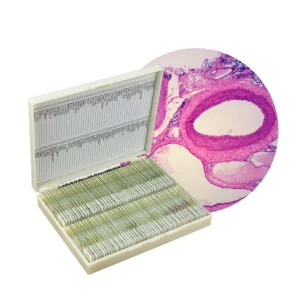
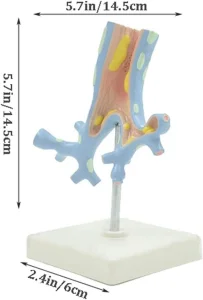
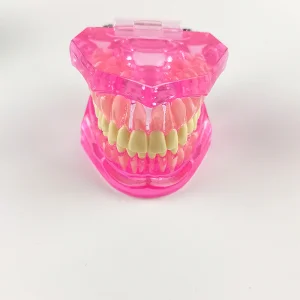
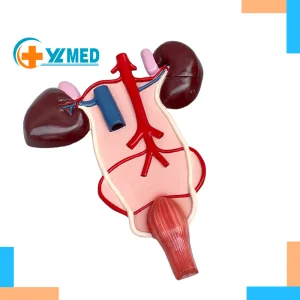
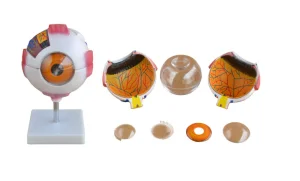
Consolidating ultrasound systems with emergency devices, anatomy models, prepared slides, dental equipment and rehabilitation aids into a single purchase order reduces freight legs, customs entries and supplier audits. Mixed-category orders are packed and shipped under one point of contact with one commercial invoice.
How We Work
Five Steps from ODM Enquiry to Delivered Ultrasound Programme
Every stage has a named contact and a defined deliverable, so stock planning, tender deadlines and training schedules can be set with confidence.
01
Requirement brief
Share target market, clinical focus, anticipated volumes, certification scope and tender documentation needs.
02
Configuration proposal
Receive matched platforms, probe lists, software packages, packaging options and indicative price bands.
03
Sample and image review
Evaluate image quality on phantoms, check interface language and confirm branding on a pre-production unit.
04
Production and inspection
Batch manufacture with in-process checks, final image uniformity testing and documented QC release.
05
Export and after-sales
Protective export packing, shipping coordination, spare-probe stocking and responsive technical support.
Factory Catalogue · Part 2
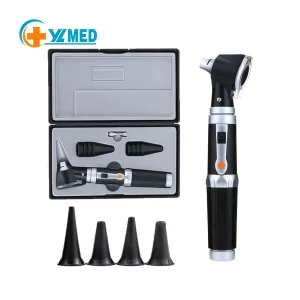
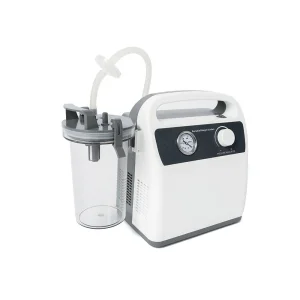
Eight More Factory-Direct Categories for Consolidated Shipments
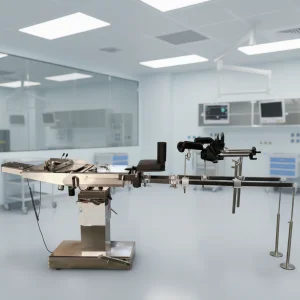
Training institutions, dental clinics, emergency services and rehabilitation providers frequently order across categories. These additional lines can be consolidated with your imaging order under one commercial invoice, one packing list and one logistics plan.
Buyer FAQ
Frequently Asked Questions from Importers and Tender Teams
Direct answers to the questions procurement managers raise before placing a first ODM ultrasound order.
Are you a manufacturer or a trading company?
We are a manufacturer. Henan Yulin Edu. Project Co., Ltd. was founded in 1958 and operates its own factory in Xinxiang, Henan, China, with more than 200 professional staff. For one-stop orders we also coordinate a stable network of long-term partner factories, which allows a single shipment to combine imaging systems with emergency, dental, teaching and rehabilitation equipment.
Can you send a full ultrasound scanner pricelist including freight?
Yes. A quotation is issued against a defined configuration — platform, probe list, software options, packaging and Incoterm. We quote FOB, CIF or DDP depending on destination. Because freight rates change weekly and duties vary by country and HS code, freight is confirmed at the time of order rather than fixed inside a static price list.
What is the minimum order quantity for an ODM programme?
Standard configurations can start from a single sample unit for evaluation. Customised enclosures, bespoke boot logos and printed manuals require a higher minimum because of tooling and print setup; the exact threshold depends on the model and is confirmed in the proposal stage.
Can we sell the scanner under our own brand?
Yes. Our in-house design team handles boot logo, housing silk-print, colour scheme, interface language, manual and packaging. For distributors this is the fastest route to a differentiated product without carrying the cost of platform development.
Which transducers should we order first?
Match the probe mix to your clinical pathway. A general primary-care configuration usually starts with one convex abdominal probe. Add a linear probe for vascular and musculoskeletal work, a transvaginal probe for gynaecology, and a phased-array probe for cardiac applications. Ordering one spare convex probe at the outset is strongly recommended so a damaged probe never takes a system out of service.
What quality certification do you hold, and what documents accompany an order?
Our quality management system has been ISO 9001 certified since 2008, and product-specific documentation can be provided on request to support tenders and import registration. A typical shipment package includes the commercial invoice, packing list, certificate of origin where required, test reports, warranty statement and the user manual in the agreed language.
What are typical lead times and payment terms?
Sample units are usually ready within one to two weeks. Production orders depend on configuration and quantity, with customised branding adding time for artwork approval and first-article confirmation. Payment is normally structured with a deposit on order confirmation and the balance against the shipping documents, subject to agreement for repeat customers.
How quickly will we receive a reply?
Our export team is online seven days a week and typically replies within 24 hours with catalogue information, specifications, configuration options and shipping guidance. Contact us at [email protected] or by phone at 0086-13503800666.
Ready to build a configuration? Send your target market, expected annual volume and certification requirements, and our specialists will return a matched platform proposal with an indicative price band within one working day.