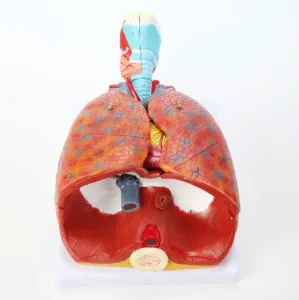
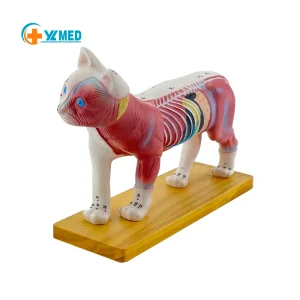
Featured ODM Midwifery Model & Medical Teaching Products
The first eight selected products from the supplied range are shown below with their original image URLs and product URLs preserved. Each product link is presented as a button for a clear quote request path.
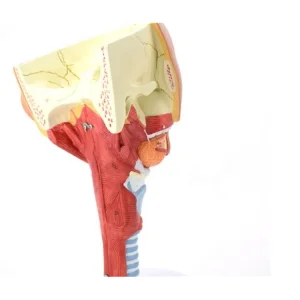
Wholesale Medical science Human anatomy teaching resources Plastic Human Head with Pharynx Muscles Anatomical Model Factory, Service
View Product & Request Quote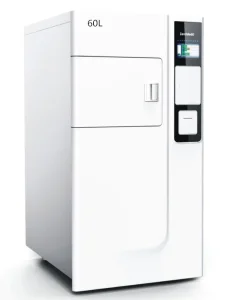
Wholesale Medical Plasma Sterilizer H2o2 Plasma Sterilizer Medical Low Temperature Plasma Sterilizer Manufacturer, Service
View Product & Request Quote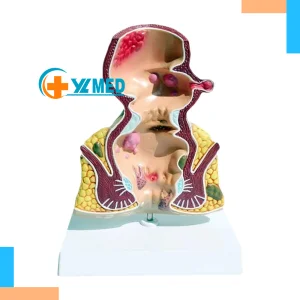
China Anatomicals - Human Rectum Model with Common Pathologies, Replica for Anatomy and Physiology Education, Anatomy Model for Doctor's Offices and Classrooms, Medical Learning Resources Manufacturer, Pricelist
View Product & Request Quote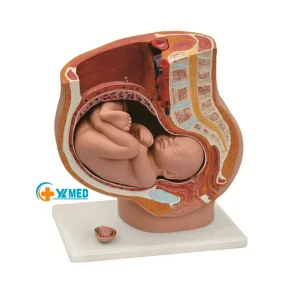
ODM Human Female Pelvic Section Pregnancy Anatomical Model Nine Months Baby Fetus Model Life Size with Removable Organs 4-Parts Manufacturer, Manufacturers
View Product & Request Quote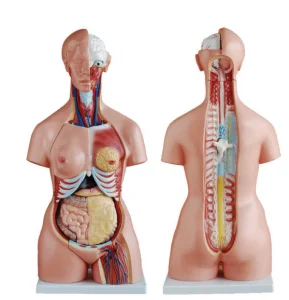
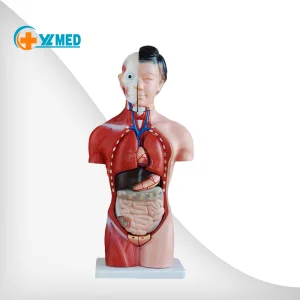
OEM Medical education 42CM female torso model 13 pieces Pricelist, Quotes
View Product & Request Quote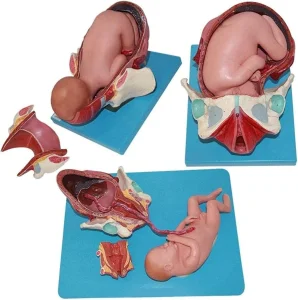
China Human Anatomical Model Human Anatomical l Cavity Throat Anatomy Medical Model for Science Classroom Study Display Teaching Medical Modell Cavity Longitudinal Section Model Manufacturers, Quotes
View Product & Request Quote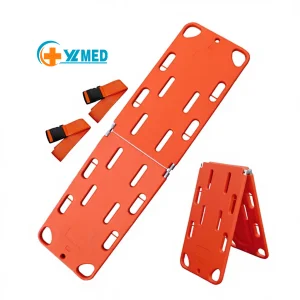
ODM Foldable Spine Board Stretcher with Backboard Straps for Patient Transport Factories, Quotes
View Product & Request QuoteExecutive Summary: How to Read This ODM Midwifery Model Pricelist & Quotes Page
This is a commercial planning resource, not a fixed consumer price list. It explains what changes a quotation, how to compare suppliers, and where information gain can reduce procurement risk.
An ODM midwifery model pricelist is fundamentally different from a retail catalogue price. In maternal-health education, the same pelvic section or pregnancy anatomy model can be configured with removable organs, numbered structures, pathology additions, carrying cases, multilingual manuals, private-label packaging, or tender-specific documentation. The quoted price therefore moves with specification, quantity, compliance evidence, packaging, Incoterms and destination. For buyers, the most useful quotation is not always the lowest unit price; it is the quotation with the fewest hidden assumptions and the clearest total landed cost.
This page is designed around the real search intent behind ODM Midwifery Model Pricelist & Quotes: distributors comparing factory capability, medical schools building simulation laboratories, nursing colleges replenishing anatomy teaching resources, hospitals sourcing patient-education models, and tender teams requiring documentation that can survive technical evaluation. The content below adds practical information gain by normalising quote variables, explaining ODM versus OEM, mapping localised application scenarios, and connecting the product range to compliance support and future technology roadmaps.
Information gain for buyers: use this page to build a like-for-like quote request. Specify the teaching level, anatomical structures, removable parts, material, finish, language, packaging, quantity, destination, tender documents and required delivery window. That list separates a precise ODM quotation from a generic “best price” reply.
What a serious ODM quotation usually includes
- Model specification: size, anatomical structures, removable organs, mounting base, numbering system and pathology options.
- Material and finish: PVC, silicone, reinforced plastic, painted metal, stainless steel or mixed-material construction depending on the product.
- Commercial terms: MOQ, sample policy, unit price, tooling or artwork costs, Incoterms, lead time and payment structure.
- Localisation: language for manuals and labels, packaging artwork, barcode and distributor marking requirements.
- Compliance support: ISO 9001 evidence, product-specific documents available on request, and support for importer or tender requirements.
Search Intent Mining: What Buyers Really Need from a Midwifery Model Price List
Commercial investigation, transactional quotation and tender compliance often overlap in this niche. A useful page must answer all three levels without turning into a wall of text.
Commercial Investigation
Buyers compare materials, anatomy accuracy, removable organ design, packaging quality, MOQ and supplier responsiveness before they are ready to request a formal quote or sample.
Transactional Quote Request
At this stage, the buyer needs a clear path to submit product URLs, target quantities, destination port, required certification, packaging and delivery schedule so the quote can be completed quickly.
Tender & Compliance Review
Public and institutional buyers need traceable documents, consistent labels, predictable packaging and specification language that can be evaluated against technical requirements.
Semantic relevance in this market depends on more than the keyword “pricelist”. Search intent includes quotation preparation, supplier comparison, anatomical model selection, clinical simulation planning, private-label packaging, import documentation, replacement planning and tender specification writing. A page that addresses those related intents gives procurement teams more information gain than a plain list of product names and prices.
Global Commercial and Industrial Status of Midwifery Training Models
Demand is being shaped by maternal-health workforce planning, simulation-based education, procurement localisation and the need for more transparent supply chains.
Across many markets, health systems are expanding maternal and neonatal training capacity while medical and nursing curricula become more competency-based. That shift increases demand for physical models that make anatomy and clinical communication tangible: pelvic section pregnancy models, fetal development models, female torso models, head and throat anatomy models, and pathology replicas. Even in a digital learning environment, tactile simulation remains important because midwifery and obstetric education depend on spatial understanding, structure recognition and patient-education communication.
Commercially, ODM supply is concentrated in manufacturing ecosystems that combine mould-making, painting, assembly, packaging and export documentation. The industrial status of the category is therefore not only about anatomy quality; it is also about process control, repeatability, mixed-category consolidation and the ability to produce consistent batches for distributors. Buyers increasingly ask for more than a unit price. They ask for repeatable specifications, packing validation, localisation support and documents that can be used in procurement files.
Quote Architecture: What Changes an ODM Midwifery Model Pricelist
A professional quotation should explain cost drivers, not only publish a number. The matrix below helps procurement teams compare offers on the same basis.
| Cost Driver | What It Changes | Buyer Action |
|---|---|---|
| Anatomical complexity | Number of structures, removable organs, pathology detail, numbering, painting and assembly time. | Provide a curriculum reference or sample image and state the teaching level. |
| Material and finish | Durability, tactile feel, weight, cleaning method, colour stability and packing protection. | Confirm the expected usage frequency and whether the model is for classroom, clinic or exhibition use. |
| ODM customisation | New base design, logo, manual, packaging artwork, private label, barcode and language localisation. | Share artwork files, label rules and target-market language requirements early. |
| Quantity and mix | MOQ, tooling amortisation, batch planning, mixed-category consolidation and container use. | Give annual forecast plus first-order quantity so the supplier can propose the best production plan. |
| Documentation | Tender support, inspection records, packing lists, certificates and product-specific evidence. | List required documents before quotation, especially for public tenders and import registration. |
| Logistics and Incoterms | Carton size, volumetric weight, export packing, insurance, freight mode and destination charges. | Provide the destination port or door address and whether sea, air or express shipping is preferred. |
ODM, OEM and Hybrid Supply: Choosing the Right Model for Midwifery Models
ODM and OEM are often used loosely. For procurement, the distinction affects design ownership, development time, tooling cost and brand value.
OEM Manufacturing
The buyer defines the design, tools, artwork and specification; the factory manufactures to that brief. This route suits distributors with mature product designs and strict brand standards.
ODM Development
The manufacturer offers an existing design platform and adapts it to the buyer’s market, packaging and teaching requirements. This can reduce development time while still creating differentiated product lines.
Hybrid Programme
A practical route for many distributors: standard anatomy models are private-labelled, while selected high-value pregnancy or fetal models receive custom bases, manuals and packaging for local market positioning.
Macro Industry Solutions for Distributors, Institutions and Tender Teams
The value of a factory partner is measured across the whole procurement cycle: specification, consolidation, documentation, packaging and repeat supply.
One-Stop Category Consolidation
Anatomy models, nursing training models, skeleton models, hospital furniture and laboratory equipment can be coordinated through one export point, reducing supplier management cost.
Tender-Ready Specification Support
Clear model descriptions, consistent packaging information and document support help buyers prepare technical schedules and evaluate suppliers on the same specification basis.
Private-Label Brand Building
In-house design support can adapt packaging, manuals, labels and presentation so the same ODM midwifery model becomes a distinctive product line for your market.
Repeat-Order Planning
Stable specifications and batch discipline matter for repeat distribution. Forecast reviews help align production, packaging and shipping schedules with school-term or tender cycles.
Quality Management Evidence
ISO 9001 certified processes since 2008 provide a framework for inspection, traceability and corrective action, while product-specific documents can be discussed for tender files.
Mixed-Category Export Orders
Combining midwifery models with sterilizers, emergency training products or hospital support items can simplify shipping, documentation and supplier communication.
Localized Support and Compliance Assurance for Overseas Markets
Localisation is not a cosmetic translation exercise. It affects product acceptance, tender scoring, distributor resale value and after-sales clarity.
Language and Manual Localisation
English manuals can be adapted with buyer-supplied translations for labels, teaching instructions, care notes and packaging text, subject to project review and approval.
Labels, Barcodes and Packaging
Distributor brand labels, barcode placement, inner carton marks and export carton information can be planned to align with warehouse and retail requirements.
Electrical and Equipment Adaptation
For applicable products such as sterilizers, freezers and powered equipment, voltage, plug type and destination requirements should be confirmed before quotation.
Compliance Evidence Support
ISO 9001 has been in place since 2008. Product-specific documents can be provided on request for tenders and import registration; final market compliance remains the importer’s responsibility.
Export Packing and Logistics
Protective export packing, carton marks and shipping coordination reduce transit damage risk for anatomical models with fragile small parts or painted surfaces.
After-Sales Communication
A named contact for specification questions, spare parts discussions and follow-up orders helps distributors respond faster to their own education and hospital customers.
Localized Application Scenarios for ODM Midwifery and Medical Teaching Models
The same model can serve different buyers with different local requirements. The scenarios below help distributors and institutions specify the right configuration.
Midwifery and Nursing Colleges
Female pelvic pregnancy models, fetal development models and torso models support anatomy demonstrations, maternal-health teaching and practical examination revision.
Medical Universities and Anatomy Labs
Head with pharynx muscles, throat cavity, thoracic cavity and pathology replicas can support lectures, lab demonstrations and postgraduate teaching resources.
Hospitals and Obstetric Units
Models can be used for patient education, informed-consent conversations, staff orientation and clinical demonstrations in maternal-health departments.
First Aid and EMS Training
Spine board stretchers, anti-choking vests and emergency training items can be combined with anatomy models for broader pre-hospital and community training programmes.
Science Classrooms and Museums
Anatomical torso, throat and fetal development models help visualise structure and development for schools, science centres and public health exhibitions.
Laboratory and Clinical Support
Plasma sterilizers, ultra-low-temperature freezers, mobility aids and animal acupuncture models can support broader laboratory, clinical and rehabilitation supply programmes.
Technology Roadmap and Future Outlook for Midwifery Simulation Models
A realistic roadmap balances teaching value, manufacturing feasibility and total cost of ownership. The most successful ODM projects are co-created with the buyer, not simply copied from a catalogue.
Modular Anatomy Platforms
Removable organs, replaceable pathology inserts and shared bases can extend model life and allow institutions to build teaching collections progressively.
Sensor-Enabled Maternal Simulation
Future ODM concepts may combine physical pelvic and fetal models with sensors for positioning feedback, procedure logging and objective skills assessment.
Augmented Reality Teaching Layers
AR overlays can link a physical midwifery model to labelled structures, procedure steps and multilingual explanations without changing the physical product platform.
Sustainable Materials and Packaging
Buyers increasingly ask about recyclable cartons, reduced plastic use, durable finishes and packaging designs that lower volumetric shipping impact.
Digital Product Passports
QR-linked specifications, care instructions, replacement-part references and training videos can support distributors and end users throughout the product lifecycle.
Co-Created ODM Pipelines
The best future roadmap is market-led. Distributors bring local curriculum insight, and the factory translates it into feasible tooling, materials, packaging and production planning.
How to Request a Reliable ODM Midwifery Model Quote
A clear brief produces a clearer price. Use this five-step workflow to reduce back-and-forth and compare suppliers fairly.
Share Requirements
Send product URLs, quantities, teaching use, target market, language, packaging and any tender requirements.
Specification & Quote
Receive matched model options, material notes, MOQ, lead time, Incoterms and document availability.
Sample Review
Evaluate anatomy clarity, finish, removable parts and packaging expectations before bulk confirmation.
Production & QC
Production and inspection follow agreed specifications and ISO 9001 quality management principles.
Export & Follow-Up
Export packing, shipping coordination and after-sales communication support repeat distribution orders.
Q&A: ODM Midwifery Model Pricelist & Quotes
Straight answers for procurement managers, distributors, medical schools and tender teams reviewing a factory-direct quotation.
Is the ODM midwifery model pricelist a fixed price list?
No. It is a quotation framework. Final pricing depends on anatomical complexity, removable organs, material, finish, private-label packaging, documentation, order quantity, destination and Incoterms. A precise specification produces a precise quote; a generic request produces only an indicative range.
What information should I send with a quote request?
Send the product URL or model name, target quantity, teaching level, required anatomical features, language for labels or manuals, packaging requirements, destination port or door address, required documents and delivery window. For tender projects, include the technical schedule and evaluation requirements.
Can samples be arranged before a bulk order?
Sample evaluation is strongly recommended for anatomical models, pregnancy pelvic models and private-label packaging. Sample cost, courier arrangement and whether sample charges are refundable against bulk production can be confirmed in the quotation discussion.
Do you support OEM, ODM, private label and custom packaging?
Yes. ODM support can include adaptation of existing model platforms, logo placement, packaging artwork, manual localisation, barcode marking and distributor presentation. OEM manufacturing to buyer-defined specifications is also discussed where the design and tooling requirements are clear. MOQ and development cost depend on the level of customisation.
How are compliance and local market requirements handled?
The quality management system has been ISO 9001 certified since 2008. Product-specific documentation can be provided on request for tenders and import registration. However, final market compliance, product classification and import approval remain the responsibility of the importer or local distributor. Buyers should confirm requirements with their regulatory adviser before ordering.
How quickly will I receive a reply or quotation?
The export team is described as online seven days a week and typically replies within 24 hours with catalogues, specifications and shipping options. Complex tender files or customised ODM packaging may require additional review, but a named contact should confirm the next step and expected response time.
Need a Detailed ODM Midwifery Model Pricelist & Quotes Package?
Send your target products, quantities, destination, packaging needs and compliance questions. A focused brief helps the team recommend suitable models, prepare a clearer quotation and suggest a practical shipping plan.
Direct Contact Channels
Additional ODM Medical Teaching & Clinical Training Products
The remaining eight products from the supplied range complete the preserved product list. Original image URLs and product URLs are retained, and each product URL uses a button-style link for easier quotation requests.
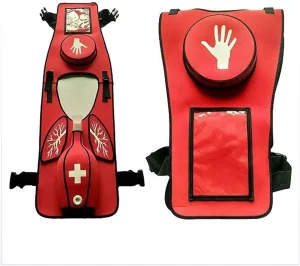
OEM Adult Anti Choking Obstruction Heimlich Wearable Vest for First Aid Training Manufacturers, Quotes
View Product & Request Quote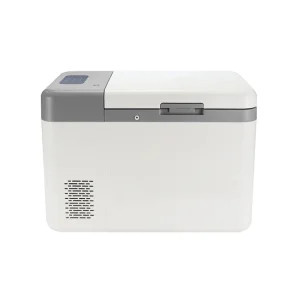
Wholesale Refport Portable Ultra Low Temperature Freezer Under Table Compact -86C Vaccine Transport Equipment 110/220V Manufacturer, Factory
View Product & Request Quote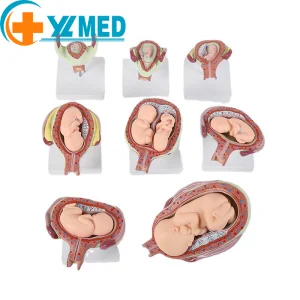
China Medical science Schools and hospitals Education Biological models Medical teaching Human fetal development models Manufacturers, Pricelist
View Product & Request Quote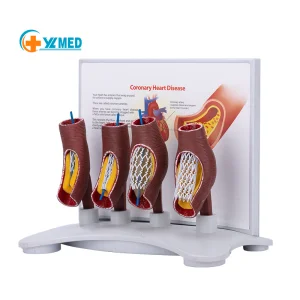
ODM Medical science vascular stent model Human vascular model Medical human teaching pathological vascular anatomy model Factory, Factories
View Product & Request Quote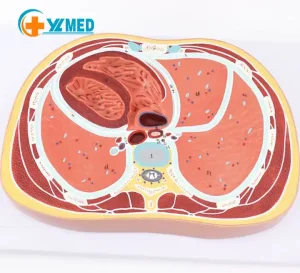
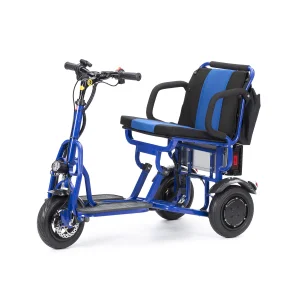
China Cheap Price Folding Electric Mobility Scooters 3 Wheel for Elderly and Disabled Use Manufacturer, Service
View Product & Request Quote