ODM Medical Ward Furniture Factory & Factories
Factory-direct ODM production for hospital wards, clinics, long-term care and clinical training projects — supported by Henan Yulin Edu. Project Co., Ltd., a 1958-established manufacturer in Xinxiang, Henan, China.
Products Displayed Below the Banner: Clinical Training, Anatomy and Ward Essentials
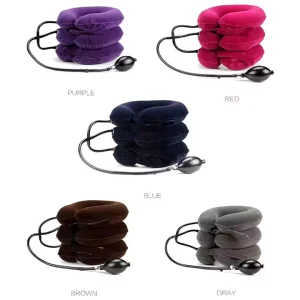
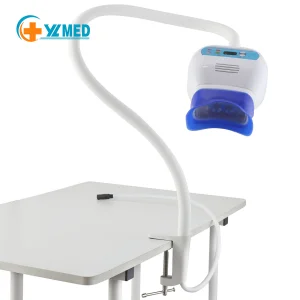
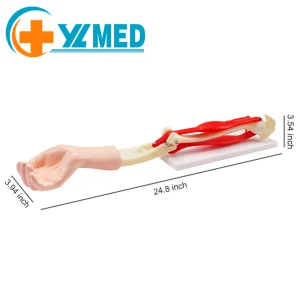
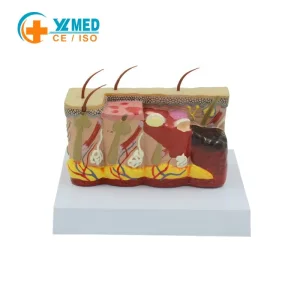
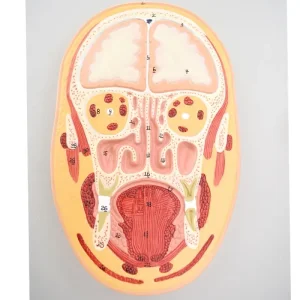
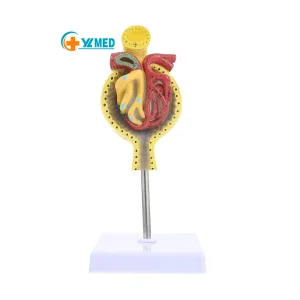
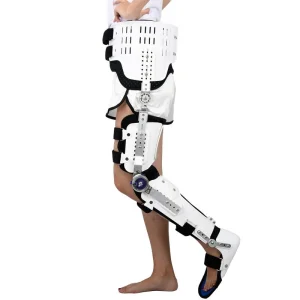
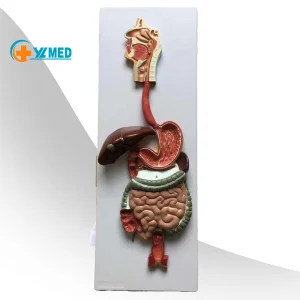
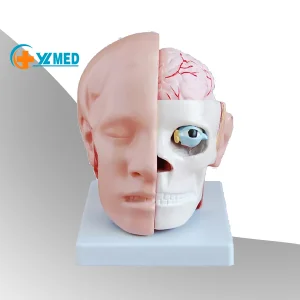
This first product set shows how Yulin Medical supports distributors, medical schools, hospitals and project buyers with a broad range of teaching, anatomy, rehabilitation and ward-related items. Every product image and product URL from the supplied range is retained below, and each product link is presented with a clear button treatment for fast enquiry.
ODM Medical Ward Furniture Factory & Factories: A Practical Definition for Procurement Teams
In hospital procurement, ODM medical ward furniture is far more than a list of beds and cabinets. It is a manufacturing partnership in which the factory owns part of the product platform — the bed frame, side rails, mattress platform, locking castors, overbed table, bedside cabinet, head and foot boards, electrical options, packaging and documentation — and then customises that platform for a distributor, project contractor or healthcare brand. The buyer gains proven engineering, shorter development cycles and a clearer route to private-label supply, while the factory retains responsibility for production discipline and repeatability.
The term medical ward furniture factory is often used by buyers who need a reliable manufacturing base for patient beds, bedside cabinets, overbed tables, privacy screens, treatment trolleys, wardrobes, shower chairs, attendant seating and other items that shape the daily workflow of a hospital ward. The term ward furniture factories signals a wider search intent: buyers are comparing production capability, export experience, documentation, spare-parts strategy and local support, not simply asking for a unit price. That is why a useful supplier page must answer questions about configuration, lead time, packaging, compliance support, after-sales coordination and total lifecycle value.
Henan Yulin Edu. Project Co., Ltd. (Yulin Medical) is a manufacturer, not a trading company. Founded in 1958 in Xinxiang, Henan, China, the company has built educational and medical training equipment for more than six decades. Our quality management system has been ISO 9001 certified since 2008, and our operating principle is simple: quality first, service first. With registered capital of RMB 120 million, more than 200 professional staff and ten specialised product lines, we support distributors, medical universities, nursing colleges, hospitals and project buyers with factory-direct supply, private-label packaging and mixed-category order consolidation.
A good ODM relationship reduces friction at every stage. Specifications should be written in a way that can be checked, samples should be evaluated by the people who will actually use the furniture, packaging should survive export handling, and documentation should be organised before the tender deadline rather than after it. The strongest medical ward furniture factories are therefore judged on information gain: how clearly they explain the configuration logic, compliance path, packing method, installation assumptions and lifecycle support behind each quotation.
- Factory-direct supply across ten product lines, from anatomy models to hospital furniture and training equipment.
- Private-label packaging and product presentation support that raises resale value for distributors.
- Mixed-category orders consolidated into one shipment with one point of contact.

Search Intent and Information Gain: What Ward Furniture Buyers Need Beyond a Price List
Search queries such as “ODM medical ward furniture factory”, “hospital ward furniture factories”, “5 function patient bed manufacturer”, “overbed table supplier” and “hospital furniture OEM China” reflect different stages of buying intent. Some searchers are early in discovery and need definitions and product logic. Others are comparing factories, preparing a tender, replacing an existing ward layout or sourcing a private-label range. A high-value supplier response should serve all of those intents with concrete, verifiable information.
Configuration Clarity
Ward furniture decisions are driven by bed function, patient acuity, room size, cleaning routine, staff workflow and available power. A useful factory explains the difference between manual, semi-electric and fully electric beds; the role of central-locking castors; the cleaning implications of ABS, powder-coated steel and stainless steel; and the practical difference between a bedside cabinet designed for patient storage and one designed for clinical supplies.
Compliance Evidence
Procurement teams need more than a certificate image. They need to know which document supports which claim, what can be supplied for a tender pack, how product labels and packaging should be prepared, and which local registration responsibilities remain with the importer. Yulin Medical holds ISO 9001 certification and can provide product-specific documentation on request for tenders and import registration.
Total Cost of Ownership
The lowest quotation is not always the lowest lifecycle cost. A medical ward furniture factory should discuss spare castors, side-rail replacement, mattress compatibility, touch-up paint, packaging protection, unloading requirements and maintenance access. These details help distributors and hospitals avoid downtime and unexpected local repair costs after the container has arrived.
One-Stop Consolidation
Hospital projects rarely stop at patient beds. They also need examination couches, trolleys, rehabilitation devices, privacy screens, training models and consumables. Mixed-category consolidation reduces the administrative burden of multiple purchase orders, multiple inspection reports and multiple shipment schedules. Yulin Medical coordinates ten product lines to help buyers build a practical single-source programme.
Private-Label Value
For distributors, a ward furniture range becomes more valuable when it carries a consistent brand identity. Our in-house design team supports private-label packaging and product presentation so that buyers can improve shelf appeal, tender documentation and resale value. The objective is not simply to change a logo, but to create a coherent product story that local sales teams can explain.
Responsive After-Sales
Our export team is online seven days a week and typically replies within 24 hours. For serious project enquiries, a named contact helps coordinate specifications, samples, packing details and shipping options. Clear communication matters most when a hospital is preparing to open a ward, replace ageing beds or equip a new training centre.
Industry Trends Reshaping Medical Ward Furniture and Hospital Furniture Factories
Medical ward furniture is moving from passive equipment to a visible part of infection control, patient safety and workforce efficiency. The strongest factories are responding with modular design, better documentation, material traceability and more flexible configurations for different markets.
Infection-Prevention Design
Flat surfaces, seamless upholstery, removable head and foot boards, smooth castor housings and easy-access cleaning points are becoming more important in hospital ward furniture procurement. Buyers increasingly ask how a bed frame or bedside cabinet can be wiped down, whether fasteners can trap dust, and whether the design supports routine disinfection without accelerating corrosion.
Electric Beds and Workforce Support
Electric and semi-electric patient beds are valued because they reduce manual handling and help staff adjust patient position efficiently. In markets with higher labour costs or ageing patient populations, the ability to specify battery backup, low-voltage control, locking functions and compatible mattresses is becoming a normal part of ODM discussions rather than an advanced option.
Modular and Space-Efficient Wards
Hospitals often need to reconfigure wards quickly. Modular bedside cabinets, stackable overbed tables, folding screens and compact treatment trolleys help procurement teams adapt to changing bed counts. For factory buyers, modular design also improves packing density and makes spare-part management simpler across multiple projects.
Ageing Population and Long-Term Care
Demand is rising for furniture that works in hospitals, rehabilitation centres, nursing homes and home care. Height-adjustable beds, grab-handle accessories, stable walkers, shower chairs and fall-reduction features are increasingly specified together. This creates opportunities for factories that can offer a coordinated range rather than isolated products.
Sustainability and Material Traceability
Public buyers are asking more questions about powder coating, recyclable packaging, timber sourcing, foam density, fabric durability and the elimination of unnecessary plastic. The practical answer is not a single green claim; it is a documented material and process statement that the buyer can compare, verify and explain to tender evaluators.
Data-Ready Clinical Workflow
Although ward furniture is not a software product, it increasingly needs to be compatible with nurse-call systems, medical gas pendants, patient monitoring and room-level power planning. ODM factories that understand these interfaces can help distributors ask better questions early, reducing costly site modifications after delivery.
Global Procurement Demand: How Regional Requirements Differ for Ward Furniture Factories
A single product catalogue rarely fits every market. Successful medical ward furniture procurement adapts the core platform to local voltage, plug type, language, cleaning practice, room dimensions, tender documentation and after-sales expectations. The following patterns are commonly discussed with overseas buyers.
Middle East and Gulf Projects
New hospitals and private clinic groups often prioritise visual consistency, electric bed options, heat-resistant materials, reliable castors and project-level packing. Documentation and delivery coordination are critical because multiple contractors may be working on the same site. Buyers frequently request consolidated shipments across beds, casegoods and clinical furniture.
Africa and Emerging Markets
Durability, simple maintenance and spare-part availability are central concerns. Manual beds may remain the preferred base configuration where power reliability is variable, while robust overbed tables and bedside cabinets are valued for daily ward use. Clear packing lists and practical after-sales guidance help importers serve hospitals beyond major cities.
Southeast Asia and Humid Climates
Humidity and coastal conditions make corrosion protection important. Buyers ask about powder coating, stainless steel options, zinc-plated fasteners and packaging that resists moisture during transit. Compact ward layouts also create demand for space-saving furniture and easily movable bedside units.
Europe, Latin America and Tender Markets
Public tenders often require structured documentation, clear model names, consistent labelling and technical sheets that align with the evaluation grid. Buyers may need multilingual packaging, specific plug configurations and pre-shipment inspection support. The factory’s role is to provide accurate information rather than assume that local compliance is identical in every country.
Macro Industry Solutions for Hospital Ward Furniture Projects
Medical ward furniture is usually one part of a wider healthcare project. The most useful supplier is not simply a product seller; it is a coordination partner that can translate clinical needs into a procurement package that is buildable, shippable and serviceable.
Ward Layout Support
Review bed spacing, cabinet access, overbed table movement, screen placement and staff circulation before finalising quantities. Small layout choices often affect patient comfort and cleaning efficiency more than a small price difference.
Mixed-Category Supply
Combine patient beds, examination couches, rehabilitation aids, training models and clinical equipment into one programme. This reduces supplier management time and helps distributors present a complete solution.
ODM and Private Label
Adapt product presentation, packaging, manuals and labels for your brand. Private-label support helps distributors build repeat business and makes tender submissions feel locally owned.
Tender Documentation
Prepare specifications, packing lists, product images and requested certificates in a structured format. Accurate, consistent documents reduce clarification rounds and help procurement teams compare offers fairly.
Localisation and Service
Confirm voltage, plug, language, packaging marks and spare-part expectations before production. Local service arrangements should be agreed transparently so that end users know how to request support.
Localised Support and Compliance Assurance for Medical Ward Furniture Buyers
Compliance is not a single document. It is a chain of evidence that runs from material selection and production inspection to labelling, packing, import documentation and after-sales records. Yulin Medical supports buyers with ISO 9001 process control and product-specific documentation on request, while final market access requirements remain the responsibility of the importer and local regulatory pathway.
ISO 9001 Quality Management
Our quality management system has been ISO 9001 certified since 2008. For serious procurement projects, the factory can explain how inspection points, drawings, product checks and packing controls are managed within the quality system.
Tender and Import Documents
Product-specific documentation can be provided on request to support tenders and import registration. Buyers should confirm the exact document list with their local authority, because requirements differ by country and product risk classification.
Electrical Configuration
When electric beds or powered equipment are specified, voltage, plug type, control language and backup requirements should be confirmed before production. Final electrical conformity for the destination market must be verified through the correct local pathway.
Material and Cleaning Review
Cleanability, chemical resistance and wear resistance should be discussed during sample evaluation. The factory can help compare ABS, stainless steel, coated steel, upholstery and castor options so that the chosen specification matches the ward’s cleaning routine.
Packaging and Labelling
Export packing should protect frames, boards, castors and accessories during multimodal transport. Labels, manuals, inner packing and shipping marks can be discussed for private-label and tender orders, with final artwork approved before mass production.
Spare Parts and After-Sales Planning
Distributors should agree the spare-parts scope before shipment: castors, side-rail components, hand controls, fasteners, touch-up materials or other service items. Clear after-sales coordination helps protect the reputation of both the distributor and the hospital project.
Technical Roadmap and Future Outlook for ODM Ward Furniture Factories
The future of medical ward furniture will be shaped less by a single feature and more by how well a factory can organise product platforms, documentation, configuration control and lifecycle support. The following roadmap reflects the practical direction of hospital furniture sourcing rather than a promise of specific dates for every market.
Platform Standardisation
Build clear bed and casegoods platforms with defined options for side rails, castors, boards, tables and finishes. Standard platforms make quality control more repeatable and reduce engineering time for repeat orders.
Digital Documentation
Offer tidy technical sheets, product images, packing data and model comparisons that can be inserted directly into distributor catalogues and tender submissions. Better documentation is itself a form of information gain.
Electric and Hybrid Options
Expand configurable electric functions, low-voltage controls and battery options where market demand justifies them, while keeping manual and semi-electric platforms available for price-sensitive projects.
Localisation Packages
Develop repeatable localisation packs for voltage, plugs, manuals, labels, packaging language and tender documentation so that buyers can localise products without redesigning the core platform.
Lifecycle Data
Improve spare-parts references, maintenance guidance and inspection records so that a ward opened today can still be serviced efficiently years later. Lifecycle support is becoming a competitive advantage.
Why Distributors and Institutions Partner with Yulin Medical
Overseas buyers consistently value four strengths when they move long-term orders to our factory: responsive service, private-label design support, category expertise and a long manufacturing history that supports supply stability.
24/7 Responsive Service
Our team is online 24 hours a day, seven days a week. Whatever your time zone, you receive a detailed answer as quickly as possible, typically within 24 hours.
Design and Packaging Team
In-house specialists deliver professional product design and private-label packaging that strengthens your brand and increases the added value of every unit you sell.
Professional Expertise
Our vision is to provide professional educational and medical training products from mainland China, built under ISO 9001 process control and decades of category knowledge.
60+ Years of Supply Stability
A factory with more than 60 years of history and a deeply integrated partner supply chain helps us meet one-stop demands and keep lead times predictable on repeat orders.
A Transparent Five-Step Process for Overseas Buyers
From the first conversation to delivery, every stage has a named contact and clear documentation so that you can plan stock, tenders and training schedules with confidence.
Share Requirements
Send product types, quantities, target market and any tender or certification needs.
Catalog and Proposal
Receive matched models, specifications, packaging options and shipping suggestions.
Sample Evaluation
Test samples with your instructors, clinicians or project engineers before confirming bulk production.
Production and QC
Manufacturing and inspection follow our ISO 9001 quality management system.
Export and Support
Protective export packing, delivery coordination and responsive after-sales service.
Complete Sourcing for Medical Education, Clinical Use and Hospital Furniture
Ten specialised product lines let procurement teams source simulation, laboratory and hospital equipment from one accountable manufacturer instead of managing multiple suppliers.
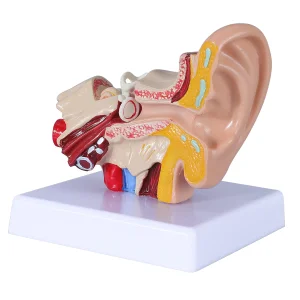
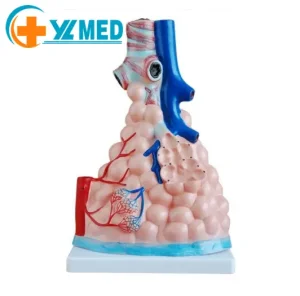
Anatomy Models
Torso, organ, heart, brain and muscle models with numbered structures for lectures and patient education.
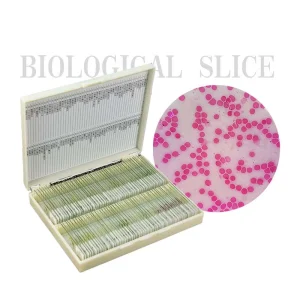
View range → 02Biology Prepared Slides and Accessories
Histology, botany and zoology prepared slides plus storage and microscope accessories for biology labs.
View range → 03Dental Tools and Equipment
Dental teaching models, clinic lights, LED whitening units and endodontic instruments for training and practice.
View range → 04General Teaching Models
Science demonstration models for primary schools, secondary schools and education equipment tenders.
View range → 05Hospital Furniture and Equipments
Stainless steel examination couches, stretchers, walkers and shower chairs built for daily clinical use.
View range → 06Hospital Machine and Tools
Diagnosis and treatment devices and practical tools for wards, clinics and emergency departments.
View range → 07Medical Apparatus and Instruments
Emergency splints, extrication devices, cervical traction and rehabilitation instruments.
View range → 08Medical Nursing Model
Adult, child and neonatal CPR manikins, ACLS simulators and AED trainers for skills assessment.
View range → 09Skeleton Models
Life-size and desktop skeletons, skulls, spines and joint models for osteology teaching.
View range → 10Suture Pads and Kits
Realistic skin suture pads and complete instrument kits for surgical and wound-closure practice.
View range →A Six-Decade Manufacturer Trusted by Educators and Clinicians
Founded in 1958, Henan Yulin Edu. Project Co., Ltd. has grown into an educational and medical equipment supplier that integrates scientific research, production and sales. From our base at No. 8 Daoqing Road, Hongqi District, Xinxiang, we manage product development, manufacturing, inspection and export with more than 200 professional employees. Our goal is to satisfy every customer through dependable quality and attentive service while continuously developing the skills of our team.






News and Practical Insights from Our Specialists
Exhibition updates and hands-on guidance written by the team that designs, builds and supplies our products.

Do You Really Know How to Observe Biological Prepared Slides?
Many plant and animal cell structures can only be studied under a microscope, which makes prepared biological slides essential in every biology lab. Our specialists explain how to handle, focus and store slides correctly so students see clearer detail and your slide sets last for years.

The 5th Henan Provincial Educational Equipment Expo Concludes Successfully
Themed “Digital Leading Innovation and Development”, the expo reached a record 50,000 m² with 600+ brands and 10,000+ products on display, showcasing the latest educational equipment.

Inside Our Product Showroom
A look at the medical teaching models and training equipment buyers can inspect in person when visiting our Xinxiang facility.
Visit Hot Blog →Frequently Asked Questions from Importers and Project Buyers
Straight answers to the questions procurement managers ask most before placing a first order for medical ward furniture, training models or mixed-category hospital supply.
Is Yulin Medical a manufacturer or a trading company?+
What quality certification does Yulin Medical hold?+
Do you support OEM, private label and custom packaging?+
What is ODM medical ward furniture, and how is it different from standard catalogue supply?+
Can you support a hospital project with mixed ward furniture and clinical products?+
How do you handle voltage, plug, language and packaging localisation?+
What documentation can be provided for tenders?+
How do I choose the right CPR training manikin?+
What about MOQ, lead time, packing and spare parts?+
How quickly will I receive a reply?+
Need Specifications, a Price List or a Tender Package? We Reply Within 24 Hours.
Tell us your target market, quantities, ward configuration and certification requirements. Our product specialists will recommend suitable models, share detailed specifications and propose an economical shipping plan for your order.
Products Displayed at the Bottom: Histology, Anatomy, Rehabilitation and Hospital Ward Furniture
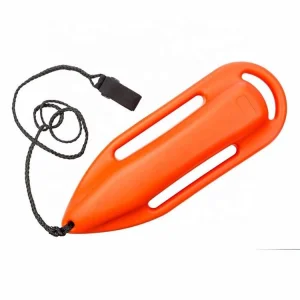
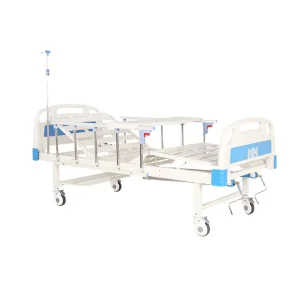
This second product set completes the supplied range. It combines laboratory histology slides, anatomy teaching models, physiotherapy and rehabilitation items, dental equipment, water-safety products and the five-function patient medical bed for hospital wards. All original product images, product titles and product URLs are retained below with button-style links.