ODM Medical Ventilator Factories & Service
A practical sourcing, localization and compliance guide for global distributors, hospital groups, tender teams, procurement officers, and clinical training organizations evaluating ventilator ODM partners.
Clinical Training & Hospital Equipment for Ventilator Readiness
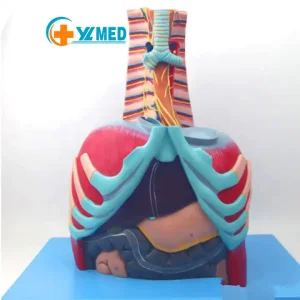
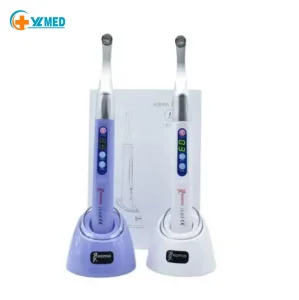
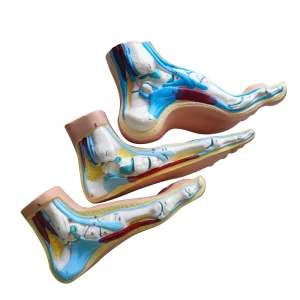
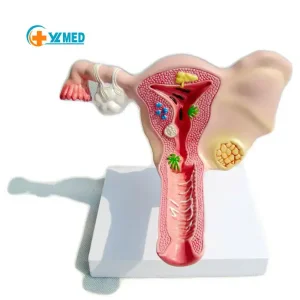
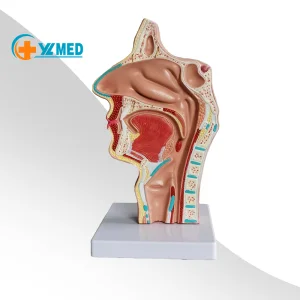
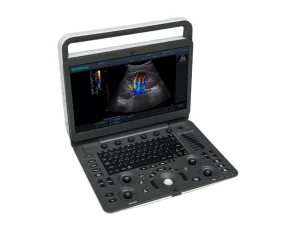
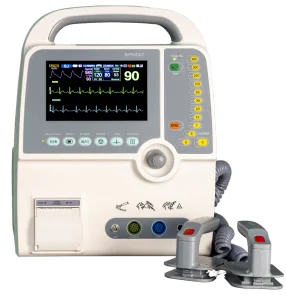
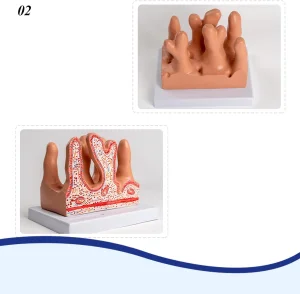
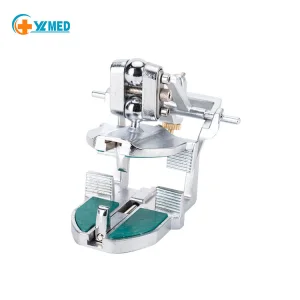
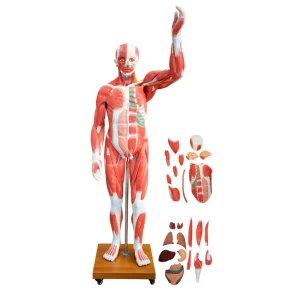
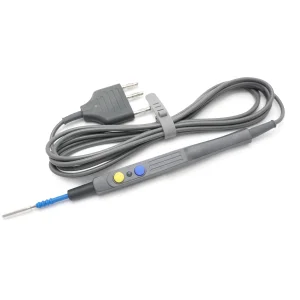
Ventilator programs rarely stand alone. Clinical training, emergency response, diagnostic support, and hospital furniture must be ready for the same deployment. These product links are retained from the original Yulin Medical catalog and support the wider clinical ecosystem.
ODM Medical Ventilator Factories & Service: What the Search Query Really Means
The phrase combines two high-value questions: can the factory design and manufacture a ventilator platform, and can it support that platform after installation? In regulated medical devices, these are not separate departments. They are two halves of one procurement decision.
When a distributor, hospital group, government tender team, or clinical training organization searches for ODM medical ventilator factories and service, they are rarely looking for a single catalog item. They are evaluating a long-term manufacturing partner: one that can co-develop a configuration, control the design history file, localize labeling and training, support registration, maintain spare parts, and respond to field incidents after the first shipment.
This is why the word “service” matters as much as the word “factory.” A factory without local service turns every installed ventilator into a future operational risk. A service company without design control is not an ODM manufacturer. The right partner connects design, production, regulatory evidence, training, and post-market support into one accountable lifecycle.
ODM Is More Than a Logo on the Housing
In the ventilator category, an ODM platform may include the breathing circuit interface, flow and pressure generation, sensors, valves, electronics, software modes, alarm management, user interface, battery system, accessories, packaging, and service documentation. Buyers must define who owns the brand, artwork, software configuration, clinical defaults, language packs, change rights, and regulatory file. Change control is a regulated activity, not a catalog update.
A common mistake is to compare only unit price. Ventilators carry accessories, consumables, calibration, software maintenance, battery replacement, flow sensor replacement, preventive maintenance, and biomedical training. A lower purchase price can be offset quickly by expensive spare parts, poor uptime, or delayed field support.
Different Ventilator Categories Need Different Evidence
Critical care, emergency and transport, home care, and neonatal or pediatric ventilation are not interchangeable. A platform designed for a transport environment cannot automatically be presented as a critical care ventilator. Buyers should request the intended use, contraindications, supported ventilation modes, patient ranges, alarm limits, battery runtime at specified settings, gas supply requirements, compatible accessories, and service intervals in writing.
This white paper is written for procurement teams that need information gain rather than brochure repetition. Information gain means evidence the buyer did not already have: design-control records, risk-management files, verification and validation reports, service-level commitments, spare-parts breakdowns, software maintenance plans, local agent agreements, and references from comparable markets.
The Buyer's First 6 Questions
- What is the exact legal manufacturer and registered product scope?
- Which standards and regulatory pathways have been tested for this model?
- Who owns the design, software configuration, and regulatory file?
- What local service partner, spare-parts stock, and SLA will support the fleet?
- How are software updates, cybersecurity patches, and change notices handled?
- Can the factory provide training, test reports, and reference installations?
Localized Support & Compliance Assurance for Ventilator ODM Programs
Localization is not just translating a manual. It is the ability to place correct instructions, labels, symbols, alarm messages, training, technical documentation, and post-market processes into the target country's regulatory and clinical environment.
Regulatory File & Legal Manufacturer
Check the exact legal manufacturer, certificate scope, device class, notified body, expiry date, and whether the model you intend to import is covered. A generic “CE” slide is not enough for tender or customs review.
Standards & Design Controls
Ventilator programs commonly require ISO 13485 quality systems, ISO 14971 risk management, IEC 62304 software lifecycle, IEC 62366-1 usability engineering, IEC 60601-1 electrical safety, IEC 60601-1-2 EMC, IEC 60601-1-8 alarms, ISO 18562 gas-pathway biocompatibility, and the relevant ISO 80601 ventilator standards.
Local Language & Labeling
IFU, labels, symbols, alarm messages, training slides, service manuals, packaging, and software screens should match the target language and local requirements. Confirm power supply, gas connectors, network settings, and hospital IT compatibility.
Post-Market Service & Vigilance
Ask for a named in-country service partner, spare-parts list, RMA process, complaint handling, vigilance reporting, preventive maintenance schedule, calibration plan, and biomedical engineer training. Service evidence should be auditable, not verbal.
A robust compliance dossier should include the design history file, risk-management file, verification and validation reports, EMC and safety test reports, software documentation, usability validation, gas-pathway assessment, cleaning and disinfection instructions, packaging validation, traceability, unique device identification, service manual, spare-parts list, training records, and post-market surveillance plan. The exact requirements vary by market, but the discipline should be consistent.
Local regulatory pathways may include EU MDR 2017/745, US FDA 510(k) or PMA routes, Health Canada licensing, TGA requirements, NMPA registration in China, ANVISA registration in Brazil, and other national schemes. This article is not legal advice; buyers should verify every pathway with their regulatory affairs team and local agent before signing an ODM contract.
Local support should be designed into the product, not improvised after the first complaint. That means modular assemblies, clear error codes, accessible service ports, replaceable sensors, documented calibration steps, and software that can be updated safely in the field.
China Factory Supply Chain Advantages for Medical Ventilator ODM
China's medical device supply chain offers depth across electronics, sensors, valves, precision machining, injection molding, tubing, filters, packaging, and PCBA assembly. The advantage is not simply lower cost; it is the ability to iterate, validate, and scale a complex device with an experienced supplier ecosystem.
Component Ecosystem
Ventilator ODM programs depend on flow sensors, pressure sensors, proportional valves, blowers, filters, medical-grade plastics, batteries, connectors, and embedded electronics. A mature local ecosystem supports faster sourcing and engineering feedback.
Engineering Speed
Rapid prototyping, DFM reviews, tooling, and pilot builds can shorten development cycles. The best factories use this speed to test assumptions earlier, not to skip validation or risk management.
Quality Control & Traceability
Demand incoming inspection, supplier qualification, lot traceability, calibration records, ESD control, burn-in, leak testing, flow and pressure accuracy checks, alarm verification, battery testing, and final release criteria.
Scalable Export Logistics
Protective packaging, drop testing, container optimization, spare-parts kits, and export documentation reduce the risk of damage and delays. For tender deliveries, packaging should be treated as part of the quality system.
A responsible factory will not treat “China supply chain” as a marketing badge. It will show supplier qualification, dual sourcing for critical components, change notification procedures, counterfeit prevention, and contingency plans for shortages. The strongest factory is not the one with the cheapest bill of materials; it is the one with the most controlled bill of materials.
Yulin Medical has operated from Xinxiang, Henan, since 1958 and has held ISO 9001 certification since 2008. That history provides manufacturing discipline, export experience, and a partner network for one-stop medical and educational equipment orders. For ventilator-specific ODM work, buyers should still verify ISO 13485, product-specific test evidence, and the relevant regulatory registration for the exact model under consideration.
What Global Distributors, Hospitals, and Tender Teams Need from a Ventilator ODM Partner
Global demand is shifting from one-off emergency purchases toward fleet resilience. Buyers want predictable lead times, local stock, service contracts, training, and the ability to add accessories without creating regulatory surprises.
Tender-Ready Documentation
Certificates, test reports, IFU, service manuals, warranty terms, spare-parts lists, training plans, and country-of-origin documents should be prepared before the tender closes, not after an order is won.
Total Cost of Ownership
Compare purchase price, accessories, consumables, calibration, battery replacement, software updates, freight, training, warranty, and downtime. A lower device price can hide a higher five-year cost.
Service Network & Spare Parts
Ask how fast a replacement sensor, battery, valve, or circuit can reach the clinical site. Confirm who performs installation, preventive maintenance, calibration, and incident investigation.
Training & Clinical Support
Training should cover setup, modes, alarms, infection control, troubleshooting, and escalation. For complex ventilation modes, train-the-trainer programs protect both clinical outcomes and the distributor's reputation.
Configuration Flexibility
Different markets need different accessories, languages, power systems, mounts, filters, and connectivity options. ODM configuration should be documented so that each variant remains traceable.
Cybersecurity & Hospital IT
Connected ventilators interact with networks, gateways, and electronic medical records. Buyers should ask for software bills of materials, vulnerability handling, update procedures, access control, and data protection documentation.
Procurement scoring should reflect risk. A practical scorecard may allocate weight to regulatory evidence, technical performance, service and spare parts, manufacturing and quality systems, local documentation, and commercial terms. The exact weighting depends on the market, but the evidence should be collected in the same format from every bidder.
Emerging markets may prioritize rugged design, voltage stability, training, and affordable spare parts. Mature markets may prioritize interoperability, cybersecurity, clinical evidence, and a mature post-market system. A good ODM partner can explain these differences rather than offering one generic configuration to every buyer.
Medical Ventilator ODM Trends Shaping the Next Procurement Cycle
Ventilator ODM programs are moving toward modular platforms, connected care, lifecycle cybersecurity, and service models that protect uptime over the full installed life of the fleet.
Modular Platform Architecture
Shared platforms with configurable modules can serve transport, emergency, and stationary use while reducing development time. Modularity also simplifies spare-parts planning and field service.
Connected Care & Remote Diagnostics
Remote monitoring and predictive maintenance can reduce downtime, but they create cybersecurity, privacy, and IT integration obligations. Buyers should request a clear data-flow architecture.
Service as a Product
Calibration contracts, preventive maintenance, spare-parts kits, online training, and rapid RMA processes are becoming part of the commercial offer rather than an afterthought.
Local Assembly & Regional Compliance
Some buyers evaluate local assembly, local content, or regional registration support. These models can improve responsiveness, but they require stronger supplier controls, traceability, and technology-transfer agreements.
Artificial intelligence is entering alarm management, decision support, and fleet analytics, but clinical safety remains the controlling requirement. Buyers should distinguish marketing AI from regulated software functions that require validation, usability testing, and change control. A connected ventilator with unmanaged software updates is a liability, not a differentiator.
Serviceability is also becoming a design requirement. Modular assemblies, clear fault codes, accessible calibration points, long-life batteries, and documented replacement procedures reduce the total cost of ownership and help distributors maintain uptime in markets where engineer travel is expensive.
Where Ventilator Service Is Really Tested: Local Application Scenarios
A ventilator ODM program may be approved in a dossier, but it is proven in the clinical environment. Service design must reflect where the device will be installed, who will operate it, and how quickly support can reach the bedside.
ICU & High-Dependency Units
Critical care teams need reliable modes, waveforms, alarm management, infection-control procedures, and local clinical education. Downtime affects patient flow immediately.
Emergency & Transport
Transport ventilators face vibration, battery limits, oxygen-supply variability, rapid setup, and ambulance mounting constraints. Training must be short, repeatable, and practical.
District & Rural Hospitals
Simple operation, local biomedical training, durable accessories, and fast spare-parts supply often matter more than advanced features that staff cannot maintain.
Field Hospitals & Surge Response
Rapid deployment requires rugged packaging, pre-configured accessories, remote troubleshooting, and clear escalation paths. Documentation must survive dusty, temporary environments.
Home & Long-Term Care
Quiet operation, portability, caregiver-friendly interfaces, home power conditions, and responsive support are essential. Training must involve family caregivers as well as clinicians.
Neonatal & Pediatric Care
Small tidal volumes, leak compensation, dedicated circuits, and specialized training create different validation and service requirements. Adult-device assumptions should not be carried over.
Clinical Training & Simulation
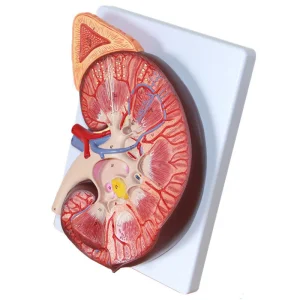
Yulin Medical's CPR manikins, nursing models, anatomy models, and hospital equipment can support airway drills, emergency workflows, and equipment handling training around a ventilator program.
Hospital Readiness & Furnishing
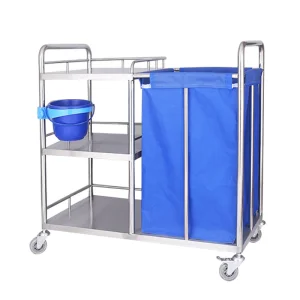
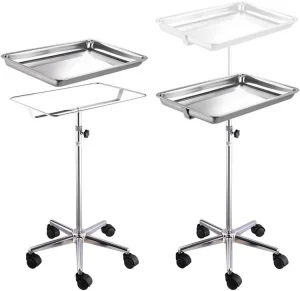
Ventilator deployment also requires examination furniture, trolleys, tray stands, and clinical accessories. Sourcing these items from a coordinated supply chain reduces handover complexity.

Yulin Medical: 60+ Years of Manufacturing Discipline
Henan Yulin Edu. Project Co., Ltd. has built educational and medical training equipment in Xinxiang, China, since 1958. The company's quality management system has been ISO 9001 certified since 2008, with registered capital of RMB 120 million and more than 200 professional staff. Its motto is straightforward: quality first, service first.
Yulin Medical manages product development, manufacturing, inspection, and export from No. 8 Daoqing Road, Industry Park, Hongqi District, Xinxiang, Henan, China. The portfolio covers anatomy models, biology prepared slides, dental tools and equipment, general teaching models, hospital furniture, hospital machines and tools, medical apparatus and instruments, medical nursing models, skeleton models, and suture pads and kits.
For overseas buyers, this creates a practical advantage: one accountable manufacturer for mixed-category orders, private-label packaging, product presentation, export packing, and responsive after-sales communication. The export team is online seven days a week and typically replies within 24 hours.
Important scope note: Yulin Medical's verified catalog focuses on medical teaching models, simulation manikins, anatomy models, dental equipment, and hospital equipment. This page does not imply that every ventilator ODM program is already registered under Yulin's name. Ventilator-specific projects must be matched to a partner with the relevant medical device registration, ISO 13485 evidence, IEC 60601 test reports, and local service capability. The same disciplined questions apply to every candidate factory.
Why Distributors and Institutions Partner with Yulin Medical
24/7 responsive service: export communication that respects time zones and tender deadlines.
Design and packaging support: private-label presentation that strengthens resale value.
Professional expertise: ISO 9001 process control and decades of category knowledge.
Supply stability: a long-established factory and a stable partner network support one-stop orders.




Complete Sourcing for Medical Education & Clinical Use
Ten specialised product lines let procurement teams source simulation, laboratory, dental, and hospital equipment from one accountable manufacturer instead of managing multiple suppliers.
Procurement Evaluation Checklist: Information Gain That Changes Decisions
Use this checklist to compare ODM ventilator factories and service partners on evidence, not presentation. Each item should have an owner, a document reference, and an expiry date where applicable.
Factory Scope & Certificates
Legal manufacturer, registered address, product scope, ISO 13485 and ISO 9001 certificates, notified body details, and expiry dates.
Design Control
Design inputs, outputs, reviews, verification and validation plans, change control, and the design history file for the exact platform.
Risk & Usability
ISO 14971 risk file, use-related hazards, IEC 62366-1 usability engineering, training requirements, and residual-risk evaluation.
Software Lifecycle
IEC 62304 processes, software requirements, architecture, unit verification, integration testing, cybersecurity, and update strategy.
Performance Verification
Flow, pressure, volume, leak, alarm, battery, EMC, electrical safety, and gas-pathway test reports for the exact configuration.
Local Documentation
IFU, labels, alarm messages, training materials, service manual, spare-parts list, and software screens in the target language.
Spare Parts & Service SLA
Part numbers, lead times, local stock, RMA process, field-service training, preventive maintenance intervals, and response commitments.
Change Control & Post-Market
Supplier change notices, software updates, complaint handling, vigilance, UDI, traceability, and post-market surveillance records.
A Five-Step Sourcing Process for Overseas Buyers
From first conversation to delivery, every stage should have a named contact and clear documentation so that distributors, tender teams, and training centers can plan stock and service with confidence.
Share Requirements
Send product types, target market, quantities, certification needs, language requirements, and service expectations.
Catalog & Proposal
Receive matched models, specifications, packaging options, shipping suggestions, and documentation lists.
Sample Evaluation
Test samples with instructors, clinicians, or biomedical engineers before confirming bulk production.
Production & QC
Manufacturing and inspection follow the agreed quality plan, with traceability and release records.
Export & Support
Protective export packing, delivery coordination, training materials, and responsive after-sales communication.
Frequently Asked Questions: ODM Medical Ventilator Factories & Service
Direct answers to the questions procurement managers ask before placing a first order or auditing a new ODM partner.
Is Yulin Medical a medical ventilator ODM factory?
What should a buyer verify first in a ventilator ODM factory?
Which standards are commonly relevant to medical ventilators?
How do we evaluate local service in our country?
How long does an ODM ventilator project usually take?
What should an RFQ include for a ventilator ODM program?
How can China supply chain advantages reduce risk?
Do you support OEM, private label, and custom packaging?
Need Specifications, a Price List, or a Tender Package?
Tell us your target market, quantities, certification requirements, language needs, and service expectations. Our product specialists will recommend suitable models, share detailed specifications, and propose an economical shipping plan.
More Clinical, Dental & Hospital Equipment Products
The remaining eight product links from the original Yulin Medical catalog are retained below with their original URLs and product images for complete sourcing reference.