
Featured ODM & OEM Medical Teaching Models
Batch one of the current factory range — mobility aids, dental seating, anatomical models and hospital-grade equipment produced under our ISO 9001 quality management system. Every unit ships with drawings, batch records and export documentation.
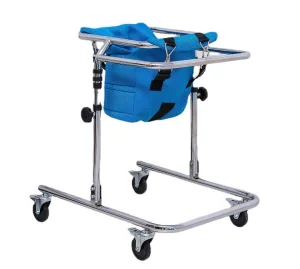
OEM Walking Aid for Cerebral Palsy Stand up Frame Pediatric Walkers Folding Posterior Walker for Child Manufacturers, Factory
View Product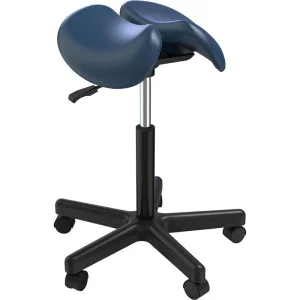
ODM Two Part Saddle Chair Adjustable Height with Backrest White Dental Chairs Modern Manufacturer, Manufacturers
View Product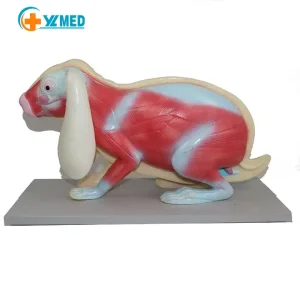
Wholesale Medical anatomy teaching advanced PVC rabbit model Rabbit anatomical model Factories, Quotes
View Product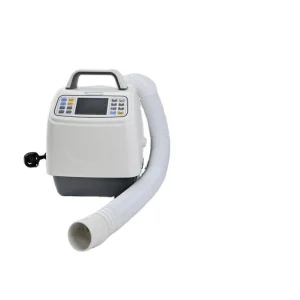
OEM Wholesale Price High Quality Surgical Hospital Equipments Machine Medical air Patient Warming System Manufacturer, Service
View Product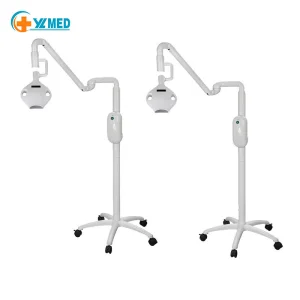
ODM Three-dimensional dental cold light tooth whitening instrument oral beauty tooth instrument beauty dental chair LED beauty tooth Manufacturers, Factory
View Product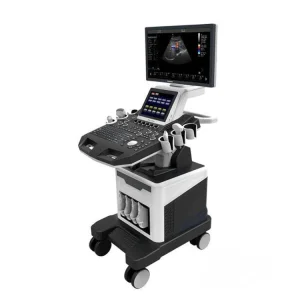
OEM Medical Ultrasound Instruments 3d/4d Hospital Equipment Trolley Full Digital Color Doppler Ultrasound Scanner Manufacturers, Factory
View Product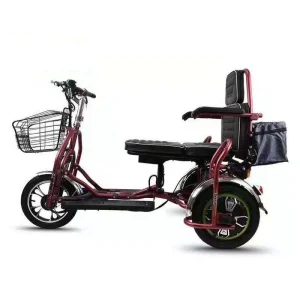
China China Foldable Electric Wheelchair for Adults Elderly Disabled 2-Passenger 30km/h 100-200kg Payload Manufacturers, Pricelist
View Product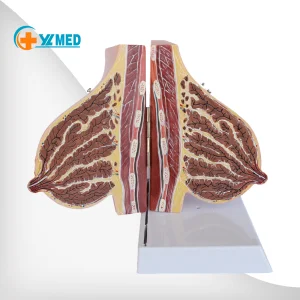
China Female Breast Anatomical Model Breast Pathology Model Human Body Chest Model for Aid Gynecology Doctors Patient Communication Medical Teaching Training Pricelist, Quotes
View ProductWhat Really Defines an ODM Human Skeleton Factory?
Behind the search phrase "ODM Human Skeleton Factory & Factories" sits a far more practical question every procurement officer eventually asks: who manufactures the product, under what quality system, and who remains accountable once the container leaves the port?
In the global medical education ecosystem, a human skeleton model is not a commodity. It functions as the structural reference point for anatomy examinations, clinical skills assessment, patient communication and pre-operative planning. When a mandible, a lumbar vertebra or a femoral head is off by a millimetre, the error surfaces immediately — in a lecture hall, in an OSCE station or in a consultation room. Choosing an ODM skeleton factory is therefore an evaluation of manufacturing discipline, engineering capability and documentation completeness, not simply a comparison of quotations.
Henan Yulin Edu. Project Co., Ltd. has manufactured educational and medical training equipment in Xinxiang, Henan, China since 1958. Our quality management system has been ISO 9001 certified since 2008, the company holds a registered capital of RMB 120 million and employs more than 200 professional staff across product development, tooling, production, inspection and export. This white paper consolidates what buyers on four continents have asked us most often — and what we have learned from fulfilling those orders — into a structured sourcing framework covering localised application scenarios, a 2025–2030 technology roadmap, China supply-chain resilience, worldwide industry context, localisation and compliance support, and a buyer FAQ.
The Worldwide Skeleton & Anatomy Model Industry Today
Anatomical and simulation-based education has shifted from a niche academic budget line to a strategic institutional investment — and the supply chain that serves it has consolidated accordingly.
Three structural forces are reshaping demand for human skeleton models and anatomy teaching aids. First, cadaver availability has tightened across most of Europe, North America and parts of Asia-Pacific, driven by cost, ethical review and university consolidation. Second, accreditation bodies increasingly require documented, repeatable simulation outcomes, which pushes institutions toward standardised, replaceable teaching models rather than one-off specimens. Third, emerging medical schools in the Middle East, Africa, South Asia and Latin America are opening at a faster rate than cadaveric programmes can be established, creating immediate demand for turnkey anatomical model packages.
Public market analyses of the anatomy model and healthcare simulation sector consistently describe a market in the multi-billion-dollar range growing at a mid-single-digit to high-single-digit compound annual rate. What matters more for buyers than any single figure is the direction of procurement: institutions are consolidating suppliers, demanding one accountable manufacturer for skeletons, torsos, dental models, nursing simulators and lab consumables so that a single purchase order covers a full teaching laboratory.
Regional Procurement Patterns Buyers Should Recognise
North America and Western Europe prioritise documentation depth — declarations of conformity, material safety data, traceable batch numbers and warranty terms. Middle East and North Africa tend to buy full laboratory packages, often bundled with hospital furniture and CPR training equipment. Southeast Asia and Latin America are highly price-competitive but increasingly reject low-durability PVC in favour of models that survive several academic years of handling. Africa shows the fastest growth in basic anatomy teaching sets, where a robust desktop skeleton frequently delivers more classroom value than an expensive full-body unit.
Against this backdrop, the phrase "ODM Human Skeleton Factory & Factories" describes a two-sided market: buyers searching for a genuine factory with OEM/ODM capability, and factories distinguishing themselves from trading intermediaries. The information gain a buyer needs is the ability to tell those two apart before a deposit is paid.
Human Skeleton Models in Localised Real-World Scenarios
A skeleton model performs very differently depending on who handles it, how often, and in what language the accompanying anatomical key is printed. These six scenarios drive most of our ODM configuration requests.
Medical School Anatomy Laboratories
Full-size skeletons at approximately 170–180 cm, with detachable limbs, numbered bone markings and a printed multi-language key. Localisation matters: a skeleton labelled in Arabic, Spanish or French removes a translation step from the lecturer's preparation and reduces student error in practical examinations.
Nursing & Allied Health Skills Labs
Nursing programmes use articulated skeletons to teach surface anatomy landmarks, patient positioning, injection site identification and bed mobility. Skeleton and nursing simulator combinations from a single ODM factory let an institution align model proportions so that a landmark taught on the skeleton matches the one palpated on the manikin.
Orthopaedic & Spine Pre-Operative Planning
Spine, pelvis and long-bone models support instrument demonstrations, screw trajectory dry-runs and patient consent conversations. Hospitals in Germany, Türkiye and Brazil frequently request flexible spine columns with removable vertebrae specifically for departmental teaching sessions that run in parallel with live case reviews.
Dental & Maxillofacial Teaching
Skull-and-mandible units paired with dental phantom head models support TMJ movement demonstration and occlusion teaching. Dental schools in the Middle East commonly order these as part of a combined package that includes phantom heads, chairs, whitening units and microbiology slides.
Clinics, Physiotherapy & Patient Communication
Desktop skeletons and joint models sit on the consultation desk rather than in a classroom. Physiotherapists in Australia and the UK use them to explain disc compression, postural loading and rehabilitation timelines — a use case that favours stable bases, smooth joint mechanisms and a professional matte finish over laboratory-grade detail.
K-12 Biology & STEM Laboratories
Secondary school procurement officers order compact skeletons and comparative anatomy models such as the PVC rabbit model listed in our current range. At this level, durability and safe material composition outweigh anatomical precision — the same factory, a completely different configuration brief.
Technical Roadmap 2025–2030 and Future Outlook
Anatomical models are moving from static castings toward instrumented teaching assets. This is how we are sequencing that transition inside our ODM programme.
Material Consistency & Safety
Migration to food-grade PVC compounds with reduced odour and low smoke emission, colour-fastness testing under UV ageing, and reinforced composite bases. Third-party SGS test reports bundled with every export batch.
Modular Magnetic Articulation
Quick-release vertebral segments and interchangeable joint cartridges so that a single base skeleton covers several course levels. Lightweight internal armatures replace solid castings where portability matters.
Digital Twin & AR Overlay
Each product SKU gains a QR-linked digital companion — a browser-based anatomical label layer compatible with learning management systems. No app installation required, which matters for institutions with restricted IT policies.
Haptics & Sustainable Materials
Optional sensor-equipped spine and auscultation modules for feedback-based assessment, plus exploration of bio-based PVC alternatives and patient-specific 3D-printed pathology models for surgical departments.
China Factory Supply-Chain Resilience and Efficiency Advantages
The real competitive advantage of a mature Chinese medical teaching model factory is not labour cost — it is the depth of the surrounding industrial cluster and the ability to absorb disruption without breaking delivery promises.
Vertical Integration from Tooling to Packing
Mould making, injection, painting, pad printing, assembly, inspection and export packing happen inside the same facility. This removes the coordination losses that appear when four separate vendors each optimise their own schedule — the most common cause of late delivery in this category.
Dual-Sourcing and Regional Clusters
Raw material and component suppliers are qualified in at least two provinces, with Henan providing proximity, Zhejiang and Guangdong providing specialised fittings. A single-region disruption therefore delays a component, not a shipment.
Owned Moulds and Fast Prototyping
In-house CNC and aluminium/steel mould assets allow a new skeleton variant or branded base to be sampled in roughly 48–72 hours. For distributors bidding a tender with a fixed deadline, prototyping speed is frequently the deciding factor.
Digital QC and Batch Traceability
Every production batch is linked to its drawing revision, material lot, inspection record and photographic evidence. When a distributor receives a warranty claim two years later, the file already exists — a level of traceability that ISO 9001 auditors specifically look for.
Mixed-Category Container Consolidation
Ten product lines under one roof means skeletons, CPR manikins, dental chairs, hospital furniture and prepared slides can share a single container. For a distributor this converts several fragmented LCL shipments into one consolidated, cheaper and more predictable delivery.
Multi-Modal Export Logistics
Sea freight, China–Europe rail and air are quoted side by side so buyers can trade cost against lead time explicitly. Export cartons are drop-tested, and fragile anatomical units use moulded inner protection rather than loose filler.
Localised Support and Compliance Assurance for Overseas Buyers
Most sourcing failures in this category are documentation failures, not product failures. Our export team is structured around preventing exactly that.
Complete Export Documentation Pack
Commercial invoice, packing list, certificate of origin, material test reports, safety data sheets, declaration of conformity, fumigation certificate for wooden components and photographs of the actual shipped batch are prepared as standard, not on request.
HS Classification Guidance
Anatomical and demonstration models are typically classified under heading 9023; hospital furniture, trolleys and examination couches fall under 9402. Getting this wrong affects duty rates and import permits, so we confirm the correct code with the buyer before invoicing.
Certification Pathway Support
We advise on the practical route for CE marking, UKCA, Saudi SFDA pre-submission, and US FDA listing depending on the product class. Note clearly: anatomical teaching models are generally not medical devices, but hospital equipment lines can be — the classification decision is made per item, in writing.
Language and Label Localisation
Anatomical numbering keys, instruction manuals, warning labels and retail packaging can be produced in English, Spanish, French, Arabic, Portuguese or Russian. Private-label branding is applied at the factory, so the unit arrives shelf-ready for your market.
After-Sales and Spare Parts
Articulated skeletons are consumable at the joint. We hold spare stands, joint cartridges, replacement vertebrae and display bases, and respond to technical enquiries within 24 hours, seven days a week, across time zones.
Factory Audit & Inspection Invitation
Buyers and third-party inspectors from SGS, Bureau Veritas or TÜV are welcome at our Xinxiang facility. We issue invitation letters for visa applications and schedule audits so production is running during the visit, not paused.
Experience, Expertise, Authority and Trust at a Glance
Buyers verify claims. Every figure below is a verifiable company fact, not a marketing estimate.
Founded in 1958, Henan Yulin Edu. Project Co., Ltd. has grown into a well-known educational and medical equipment supplier integrating scientific research, production and sales. From our base at No. 8 Daoqing Road, Hongqi District, Xinxiang, Henan, we manage product development, manufacturing, inspection and export in one continuous chain — the structural reason a single purchase order can cover anatomy models, nursing simulators, laboratory slides and hospital equipment without splitting accountability across intermediaries.
More ODM Anatomy, Dental & Patient Monitoring Models
The second batch of the current factory range — kidney and glomerular models, dental phantom heads, prepared microbiology slides, gynecological teaching models and patient vital-signs monitors.
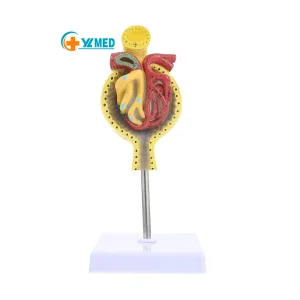
Wholesale Anatomical glomerular model Human kidney model Standing kidney anatomy Three-dimensional human glomerular model Manufacturer, Service
View Product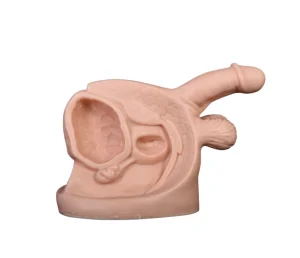
OEM Model of advanced male internal and external genitalia Factories, Pricelist
View Product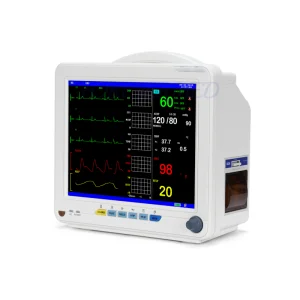
China Cheap Price Portable Adult Neonatal Children Cardiac Monitor Multi Parameters Vital Signs Patient Monitor Manufacturer, Factories
View Product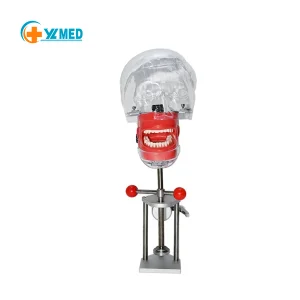
OEM Dental Phantom Head Model Manikin Resin Transparent Dental Training Model Dental School Student Practice Class Course Lab CE/ISO Manufacturers, Factories
View Product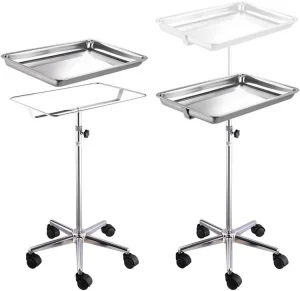
OEM Top Selling Adjustable Mayo Stainless Steel Tray Stand Mobile Trolley Medical Salon Equipment Tattoo 45lb Capacity Factory, Factories
View Product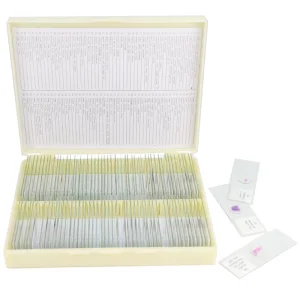
ODM 50pcs Biology Microbiology Prepared Slides set for Teaching Resources and Education Equipment Factory, Factories
View Product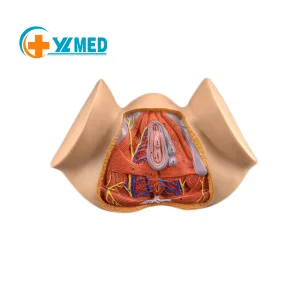
China Standard medical teaching model gynecological reproductive system female perineal anatomy model with 20 parts Manufacturers, Quotes
View Product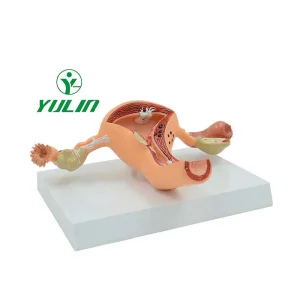
ODM The medical school teaches the human model of pathological changes of female reproductive uterus and ovary Manufacturer, Factory
View ProductFrequently Asked Questions About ODM Skeleton Sourcing
Direct answers to the questions procurement managers, distributors and tender officers ask most often before placing a first order.
Is Yulin Medical a manufacturer or a trading company?
We are a manufacturer. Henan Yulin Edu. Project Co., Ltd. was founded in 1958 and operates its own factory in Xinxiang, Henan, China, with more than 200 professional staff. For one-stop orders covering categories we do not cast in-house, we coordinate a stable network of long-term partner factories — but the commercial contract, inspection responsibility and after-sales accountability remain with us.
What quality certification do you hold?
Our quality management system has been ISO 9001 certified since 2008. Product-specific documentation — material test reports, inspection records, declarations of conformity — can be issued on request to support public tenders, import registration and customs clearance in your country.
Can you customise a human skeleton model with our logo and packaging?
Yes. Both OEM and ODM models are available. OEM means we produce our existing skeleton to your brand; ODM means we modify structure, articulation, base design, anatomical numbering and packaging based on your specification. Artwork proofs are approved in writing before tooling begins, and packaging artwork stays on file for repeat orders.
What are your typical MOQ and lead times?
MOQ depends on whether tooling changes are required. For catalogue items with private-label packaging, small trial quantities are normally workable; for new tooling, the MOQ reflects amortisation of the mould. Standard lead time is typically 15–30 days after artwork and sample approval, with prototyping in approximately 48–72 hours. Exact figures are confirmed per quotation.
Do you provide documentation for public tenders?
Yes. We regularly support tenders with technical specification sheets, compliance statements, ISO 9001 certificate copies, material safety data, packaging dimensions and weight, warranty terms, and company profile documentation. If a tender requires a specific format, send us the schedule and we will populate it.
How are skeleton models packed for international shipping?
Articulated skeletons are partially disassembled where appropriate, individually wrapped, and secured with moulded inner protection rather than loose filler. Export cartons are drop-tested. We can pack for LCL consolidation or for direct FCL loading, and we supply packing lists that match the physical carton numbering on arrival.
Which certifications are relevant for anatomy models in my market?
This depends on classification. Anatomical teaching models are generally not regulated as medical devices in most jurisdictions, which means CE marking under the Medical Device Regulation may not apply — but hospital equipment lines such as patient warming systems or monitors can be regulated. We advise per item and in writing, and we never suggest a certification route that would not survive customs or tender review.
Do you offer after-sales support and spare parts?
Yes. Articulated skeletons wear at the joints, so we stock replacement joint cartridges, stands, bases and individual vertebrae. Technical enquiries receive a response within 24 hours, seven days a week. Where a defect is confirmed against the approved specification, we replace or credit according to the agreed warranty terms.
Need a Skeleton Specification Sheet, Price List or Tender Package?
Tell us your target market, learner group and certification requirements. Our export team will recommend the right configuration, confirm lead time and propose the most economical shipping plan — typically replying within 24 hours.