ODM CPR Training Manufacturer & Quotes
A white-paper sourcing guide for distributors, universities, hospitals and EMS programs evaluating guideline-aligned CPR training manikins, custom simulation equipment, medical teaching models and one-stop factory supply from Henan Yulin Edu. Project Co., Ltd.
ODM CPR Training & Medical Teaching Product Selection — Part 1
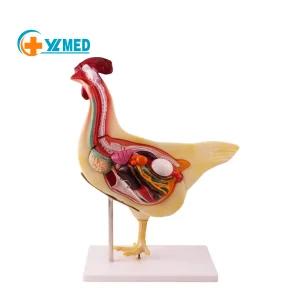
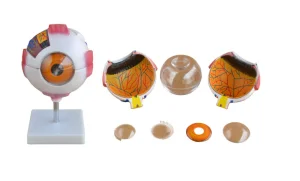
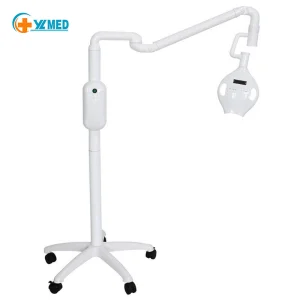
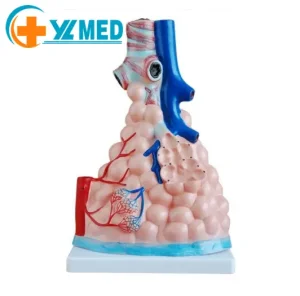
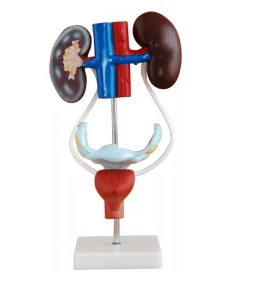
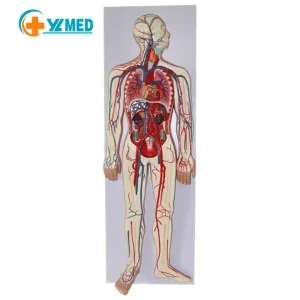
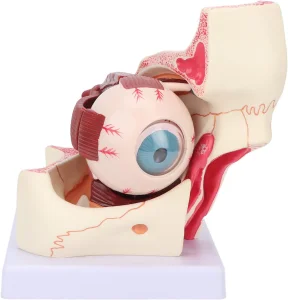
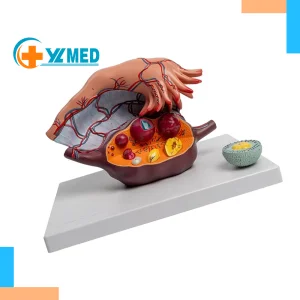
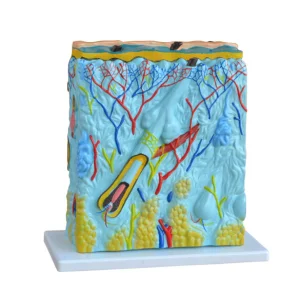
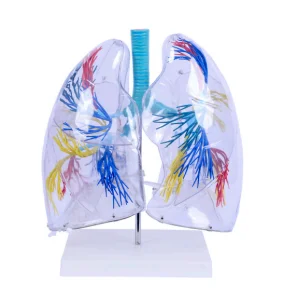
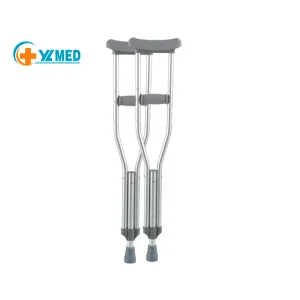
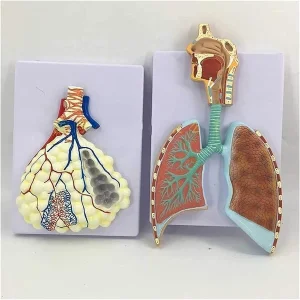
These eight product cards represent the first half of the supplied ODM/OEM product shortlist. Every original image URL, product URL and descriptive title is preserved, with button-style anchors for easy quote requests and technical follow-up.
Why ODM CPR Training Manufacturing Is a Strategic Sourcing Category
The search phrase “ODM CPR training manufacturer and quotes” sits at the intersection of commercial investigation, technical validation and program procurement. Buyers are not simply shopping for a torso; they are evaluating whether a factory can support a repeatable resuscitation training system across adult, child, neonatal, AED and emergency-care scenarios.
ODM means the manufacturer contributes product design, engineering, production, packaging and documentation that can be adapted to a distributor’s brand. OEM usually means the buyer brings the brand and specification, while the factory supplies manufacturing capacity and customization. For CPR training equipment, the difference matters because a manikin must satisfy three buyers at once: the procurement team that needs quotes and lead times, the clinical educator who needs realistic feedback, and the compliance reviewer who needs traceable quality documentation.
Henan Yulin Edu. Project Co., Ltd. — Yulin Medical — has manufactured educational and medical training equipment in Xinxiang, China, since 1958. Its quality management system has been ISO 9001 certified since 2008, and the company operates more than 200 professional staff, RMB 120 million registered capital and 10 product lines. That combination gives overseas buyers a practical advantage: one accountable manufacturer for anatomy models, CPR and nursing simulators, lab slides, dental teaching tools, hospital furniture and emergency equipment, consolidated into one shipment and one technical conversation.
What Buyers Actually Need When They Search for an ODM CPR Training Manufacturer
Semantic search analysis shows that high-value buyers rarely stop at “price.” They compare commercial terms, training outcomes, compliance evidence, replacement-part availability and localization support. Information gain comes from answering those hidden questions before the first email.
Commercial Investigation
The buyer wants MOQ, FOB or EXW pricing, lead time, sample policy, mixed-container rules and private-label packaging costs. A useful quote must be structured by learner type, configuration and replacement-part plan.
Technical Validation
Educators check compression depth and rate feedback, ventilation volume, airway realism, AED trainer integration, cleaning method and durability under repeated training cycles.
Compliance & Tender Evidence
Tender teams need ISO 9001 evidence, product-specific documents where available, packing lists, warranty terms and clear statements about guideline alignment for AHA, ERC or ILCOR-related training contexts.
Program Delivery
Distributors and training centers need train-the-trainer guidance, multilingual manuals, private-label packaging, spare lungs and face skins, and predictable after-sales replacement support.
CPR Training Industry Trends Reshaping ODM Demand
Demand is shifting from static demonstration models toward feedback-rich, modular and program-level training ecosystems. The strongest ODM partners will be those that can connect product design with curriculum realities and long-term maintenance economics.
Feedback-First Simulation
Compression depth, rate, recoil and ventilation volume are now expected in mid- and high-level manikins. Real-time feedback improves skill retention and gives instructors defensible assessment data.
Blended & Distributed Learning
Online theory plus in-person skills practice has increased demand for durable, portable manikins that can be shipped to satellite campuses, corporate first-aid programs and community training events.
Pediatric & Neonatal Specialization
Hospitals and pediatric training programs increasingly request child and neonatal configurations, not just adult torso models. ODM programs must support different anatomy, feedback thresholds and airway options.
CPR + AED Workflow Training
Courses now combine chest compressions with defibrillator readiness, pad placement, team communication and post-shock care. AED trainer integration is becoming a purchase criterion rather than an accessory.
Hygiene & Durable Materials
Shared training equipment must tolerate repeated cleaning and rapid turnover. Replaceable face skins, airway parts and lungs are essential for infection-control workflows and lower total cost of ownership.
Connected Data & AI Assessment
Cloud dashboards, QR-based skill records and AI-assisted compression analysis are emerging as differentiators. Buyers should ask which features are available today and which belong to a documented roadmap.
Global Enterprise Procurement Demand: What Distributors, Hospitals and Governments Are Buying
Overseas procurement teams are consolidating suppliers. A distributor that once bought manikins from one factory, anatomy models from another and hospital furniture from a third is now asking for fewer invoices, fewer inspection points and a single documented quality system.
Education & Government Tenders
Ministries, universities and vocational colleges require batch consistency, transparent specifications, packing documentation, warranty support and compliance files suitable for tender review.
Hospitals & EMS Systems
Hospital training departments and ambulance services need in-service refreshers, adult, child and neonatal configurations, AED trainers, emergency transfer equipment and fast replacement of consumables.
Distributors & Private Label
Distributors want private-label packaging, localized manuals, stable carton markings and a product mix that can fill mixed containers without overstocking slow-moving SKUs.
NGOs, Corporate & Community Programs
Community first-aid programs prioritize portability, simple sanitation, clear language support and low maintenance. They often begin with a pilot and scale after instructor feedback.
Macro Industry Solutions: From a Single Manikin Order to a Program-Level Rollout
A macro solution is not a single SKU. It is an architecture that connects adult, child and neonatal CPR training, AED familiarization, airway management, anatomy teaching, emergency transfer, hospital furniture and post-sale replacement parts under one supplier relationship.
Yulin Medical supports this architecture through ten product lines and a five-step export workflow. For distributors, the value is commercial simplicity: one technical contact, one quality system and one shipment plan. For hospitals and universities, the value is pedagogical coherence: anatomy models, nursing simulators and CPR manikins can be specified together so that instructors do not need to reconcile incompatible consumables, manuals or packaging standards.
Share Requirements
Send product types, quantities, learner groups, target market and any tender or certification needs.
Catalog & Proposal
Receive matched models, specifications, packaging options, spare-part suggestions and shipping guidance.
Sample Evaluation
Test samples with instructors or clinicians before confirming bulk production and private-label artwork.
Production & QC
Manufacturing and inspection follow the ISO 9001 quality management system, with batch-level checks.
Export & Support
Protective export packing, delivery coordination and responsive after-sales support for repeat programs.
Need a program-level proposal?
Share your market, learner groups, quantities and certification expectations. The export team typically replies within 24 hours.
Localization Support, Compliance & Tender Readiness
International buyers do not need vague assurances. They need documentation, packaging control and a realistic statement of what is available for their market. Yulin Medical’s role is to make the technical and commercial path easier to verify.
ISO 9001 Since 2008
The quality management system has been ISO 9001 certified since 2008. Product-specific documentation can be supplied on request to support tender reviews and import registration.
Tender & Import Files
Specifications, packing lists, invoices, warranty terms and available certificates can be organized for procurement teams. Buyers should confirm the exact document set required by their tender authority.
Private Label & Packaging
The in-house design team supports private-label packaging, product presentation and localized manuals, helping distributors increase shelf appeal and resale value in their own market.
Export Logistics & After-Sales
Protective export packing, delivery coordination and responsive after-sales support help training programs maintain uptime. Spare lungs, face skins and modular parts can be planned with the original order.
Technology Roadmap & Future Outlook for CPR Training Equipment
A credible roadmap separates proven features from future themes. Buyers should request a demonstration of current feedback accuracy, cleaning workflow and data export capability, then evaluate planned features against their own curriculum timeline.
Modular Cartridges & Real-Time Feedback
Replaceable airway and lung modules, clearer compression indicators and instructor-friendly reset procedures reduce downtime between training groups.
Cloud Dashboards & Skills Records
QR-based manikin identification and cloud reporting can help training centers track cohort performance, equipment utilization and refresher schedules.
AI-Assisted Compression Analysis
Computer-vision or sensor-assisted analysis may provide deeper feedback on hand position, recoil and fatigue. Human instructor oversight remains essential.
AR/VR Scenario Integration
Hybrid scenarios can connect physical manikins with digital emergency environments, supporting team communication, AED workflow and post-event debriefing.
Sustainable & Circular Components
Buyers are beginning to ask about recyclable packaging, material durability and replacement-part longevity. Modular design supports lower lifecycle waste.
Program-Level Data Interoperability
Future systems should allow training records to move between equipment, learning management platforms and compliance reporting tools without vendor lock-in.
Henan Yulin Edu. Project Co., Ltd. — Manufacturing Since 1958
E-E-A-T begins with verifiable operating experience. Yulin Medical is a factory-based supplier with a long manufacturing history, documented quality system and direct export communication, not a marketplace intermediary.
Founded in 1958, Henan Yulin Edu. Project Co., Ltd. has grown into a well-known educational and medical equipment supplier that integrates scientific research, production and sales. With registered capital of RMB 120 million and more than 200 professional employees, the company manages product development, manufacturing, inspection and export from its base at No. 8 Daoqing Road, Hongqi District, Xinxiang, Henan, China.
The company motto is “quality first, service first.” Its goal is to satisfy every customer through dependable quality and attentive service while continuously developing the skills of its team so that each project is handled by experienced people. For buyers, this means one accountable manufacturer for anatomy models, nursing simulators, laboratory slides and hospital equipment, consolidated into a single shipment and backed by an ISO 9001 quality system.






Complete Sourcing for Medical Education & Clinical Use
Ten specialized product lines let procurement teams source simulation, laboratory and hospital equipment from one accountable manufacturer instead of managing multiple suppliers. Each category link below is preserved from the original site.
Anatomy Models
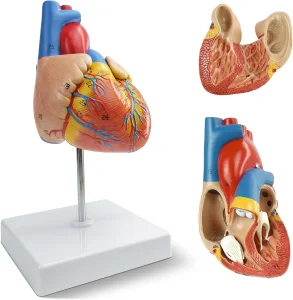
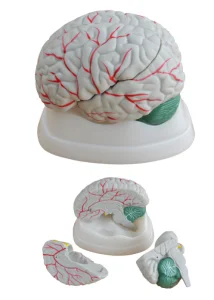
Torso, organ, heart, brain and muscle models with numbered structures for lectures and patient education.
View range →Biology Prepared Slides and Accessories
Histology, botany and zoology prepared slides plus storage and microscope accessories for biology labs.
View range →Dental Tools and Equipment
Dental teaching models, clinic lights, LED whitening units and endodontic instruments for training and practice.
View range →General Teaching Models
Science demonstration models for primary schools, secondary schools and education equipment tenders.
View range →Hospital Furniture and Equipments
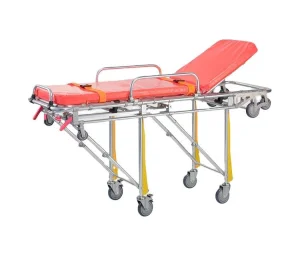
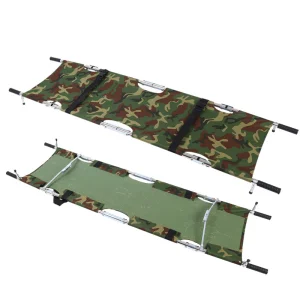
Stainless steel examination couches, stretchers, walkers and shower chairs built for daily clinical use.
View range →Hospital Machine and tools
Diagnosis and treatment devices and practical tools for wards, clinics and emergency departments.
View range →Medical Apparatus and Instruments
Emergency splints, extrication devices, cervical traction and rehabilitation instruments.
View range →Medical Nursing Model
Adult, child and neonatal CPR manikins, ACLS simulators and AED trainers for skills assessment.
View range →Skeleton Models
Life-size and desktop skeletons, skulls, spines and joint models for osteology teaching.
View range →Suture Pads and Kits
Realistic skin suture pads and complete instrument kits for surgical and wound-closure practice.
View range →Featured CPR, Emergency & Rehabilitation Equipment
Best-selling simulation manikins, first-aid devices and mobility aids requested by training centers, ambulance services and healthcare distributors. Original images and product links from the source page are preserved below.












News & Practical Insights from Our Specialists
Exhibition updates and hands-on guidance written by the team that designs, manufactures and supports medical teaching products. Original news images and article themes are preserved.

Do You Really Know How to Observe Biological Prepared Slides?
Many plant and animal cell structures can only be studied under a microscope, which makes prepared biological slides essential in every biology lab. Our specialists explain how to handle, focus and store slides correctly so students see clearer detail and slide sets last longer.

The 5th Henan Provincial Educational Equipment Expo Concludes Successfully
Themed “Digital Leading Innovation and Development,” the expo reached a record 50,000 m² with 600+ brands and 10,000+ products on display, showcasing the latest educational equipment.

Inside Our Product Showroom
A look at the medical teaching models and training equipment buyers can inspect in person when visiting our Xinxiang facility, from CPR manikins to anatomy and hospital equipment.
Read more buyer guides
Sourcing tips, product comparisons and industry news for medical education distributors.
Global Service, Export Readiness & Direct Contact
Overseas buyers can request catalogs, specifications, samples and shipping options from a direct export team that is online seven days a week and typically replies within 24 hours.






Henan Yulin Edu. Project Co., Ltd. manufactures medical teaching models, CPR and nursing simulators, suture kits, dental tools and hospital equipment for global distributors, schools, hospitals and emergency services.
- No. 8, Daoqing Road, Industry Park, Hongqi District, Xinxiang, Henan, China
- 0086-13503800666
- [email protected]
- WhatsApp: +86 135 0380 0666
Quick Links & Sourcing Resources
FAQ: ODM CPR Training Manufacturer & Quotes
Straight answers to the questions procurement managers, distributors and clinical educators ask most before placing a first order or scaling a multi-site training program.
Is Yulin Medical a manufacturer or a trading company?
We are a manufacturer. Henan Yulin Edu. Project Co., Ltd. was founded in 1958 and operates its own factory in Xinxiang, Henan, China, with more than 200 professional staff. For one-stop orders, we also coordinate a stable network of long-term partner factories.
What quality certification do you hold?
Our quality management system has been ISO 9001 certified since 2008. Product-specific documentation can be provided on request to support tenders and import registration in your country.
Do you support OEM, private label and custom packaging?
Yes. Our in-house design team develops private-label packaging and product presentation for distributors, helping increase shelf appeal and resale value in your market.
How do I choose the right CPR training manikin?
Start with the learner group: adult, child or neonatal. Then check that real-time feedback covers compression depth, compression rate and ventilation volume; confirm alignment with current AHA resuscitation guidelines; and decide whether your courses need AED trainer integration. For advanced life-support programs, an ACLS simulator with embedded scenarios offers more assessment value than a basic torso.
How quickly will I receive a reply?
Our export team is online 7 days a week and typically replies within 24 hours with catalogs, specifications and shipping options.
Can you support mixed-category orders and tender documentation?
Yes. We manage 10 product lines, from anatomy models and CPR manikins to hospital furniture and emergency equipment. Mixed-category orders can be consolidated into one shipment, and available specifications, packing lists and certificates can be organized for tender review.
How do you support hygiene and long-term durability?
Training manikins can be specified with cleanable surfaces, replaceable face skins, disposable airway liners and modular lungs. We recommend planning spare parts with the original order so that instructors can maintain training schedules without long downtime.
What is the difference between ODM and OEM for CPR training equipment?
ODM usually means the manufacturer provides an existing product architecture and customizes it for your brand, packaging or market requirements. OEM generally means the buyer brings a defined specification or brand while the factory manufactures to that requirement. Yulin Medical supports both approaches and will clarify the most practical route after reviewing your target market and documentation needs.
ODM Medical Teaching & CPR Training Product Shortlist — Part 2
The remaining eight product cards from the supplied ODM/OEM shortlist are shown here. Every original image URL, product URL and descriptive title is preserved, and each product link uses a button-style anchor for quote requests.