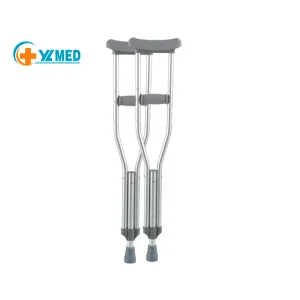
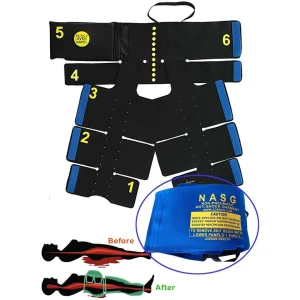
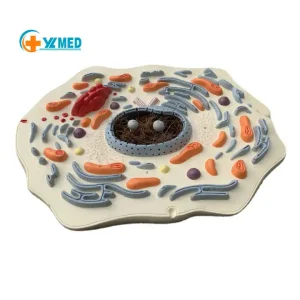
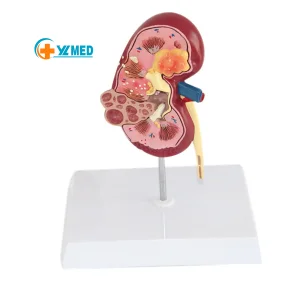
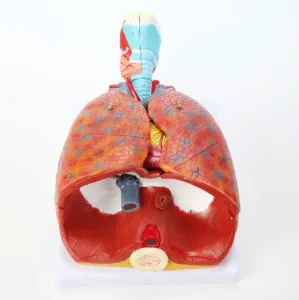
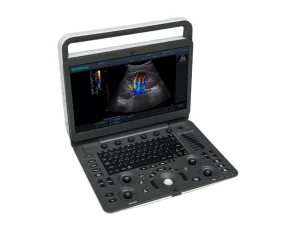
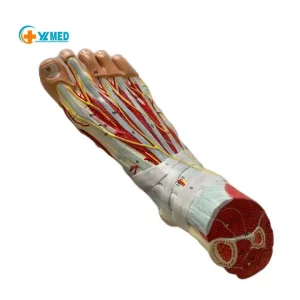
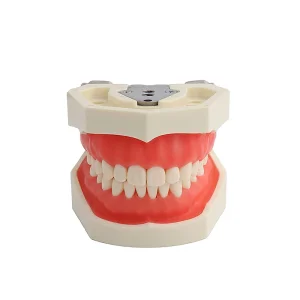
8 Factory Products for ODM Sourcing & Mixed-Category Consolidation
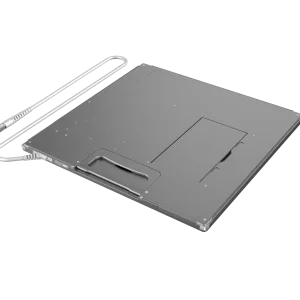
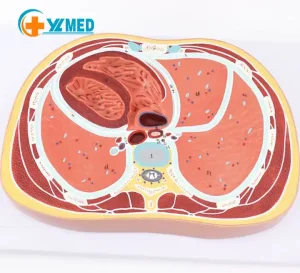
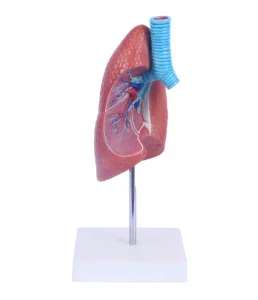
These selected factory products are retained from the existing product series so buyers can inspect the wider manufacturing portfolio while requesting a centrifuge ODM quotation, rotor accessories, laboratory training equipment or consolidated shipments.
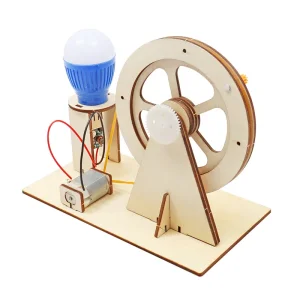
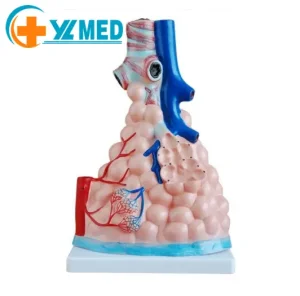
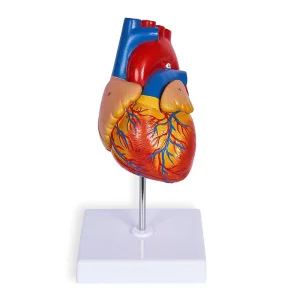
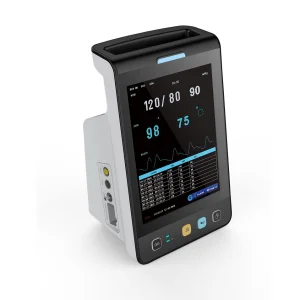
What Buyers Really Need From a Speed-Controlled Centrifuge ODM Factory
The query ODM Centrifuge With Speed Control Factories & Pricelist combines several purchase intents: finding a factory with genuine ODM capability, comparing speed-control technologies, understanding safety and compliance expectations, estimating landed cost, and confirming whether one supplier can support accessories, spare parts and mixed-category orders. A credible answer cannot be a short catalog page; it must help procurement teams evaluate engineering depth, quality evidence and total cost of ownership.
Speed control is not simply a digital display. It is a closed-loop system that coordinates motor drive electronics, rotor recognition, acceleration and deceleration profiles, overspeed protection, imbalance detection, lid interlock logic and calibration traceability. For distributors and laboratories, the practical question is whether the factory can reproduce the same performance across production batches and provide documentation that survives tenders, internal validation and import review. This is where an experienced ODM partner creates information gain: it explains not only what the machine does, but why the design choices matter for sample integrity, operator safety and long-term service.
Speed Accuracy & Repeatability
RPM and RCF must be stable across rotor types, load conditions and voltage fluctuations. Buyers should request test data for set-speed accuracy, ramp time and braking profile.
Safety by Design
Lid interlock, overspeed cut-off, imbalance sensing, rotor identification and emergency access procedures are not optional features in clinical or research workflows.
ODM Without Losing Control
Private label, UI language, voltage and plug configuration, packaging, rotor kits and accessory bundles can be customized while core safety logic remains controlled.
Documentation That Supports Tenders
Specification sheets, packing lists, calibration records, declarations and model-specific test reports reduce friction during import registration and public procurement.
Supply Resilience
Predictable lead times depend on motor, board, rotor and enclosure supply. A factory with deep supplier relationships can protect repeat orders better than a trading intermediary.
Mixed-Category Consolidation
Global distributors often combine centrifugation with anatomy models, monitors, teaching aids or rehabilitation items to reduce shipping complexity and supplier management cost.
Inside the Speed-Control System: Engineering Details Procurement Teams Should Verify
In a modern laboratory centrifuge, speed control begins with the motor-drive architecture. Brushless DC motors with field-oriented control are common where long service life, low noise and precise acceleration are required. The controller compares the measured speed from Hall sensors or optical feedback against the setpoint and adjusts current in real time. Good ODM designs go further: they identify the rotor, calculate the maximum permitted speed for that rotor, apply rotor-specific acceleration and deceleration curves, and prevent operation if the detected rotor is unsuitable. This combination protects samples from unnecessary shear and protects operators from overspeed conditions.
The most useful technical conversations are about testable specifications rather than marketing claims. Ask for set-speed deviation, speed stability over a defined cycle, RCF calculation method, maximum imbalance tolerance, braking time, noise level at defined distance, temperature recovery after lid opening for refrigerated models, and the logic used to validate rotor recognition. A factory that can provide a verification protocol, calibration method and traceable production records is usually more valuable than a supplier that only quotes a maximum RPM figure.
For refrigerated centrifugation, speed control and temperature control interact. Rapid acceleration creates heat; rapid braking can create condensation and temperature overshoot. The ODM team should be able to tune ramp profiles, insulation, airflow and compressor cycling so that the chamber recovers quickly after door opening and remains uniform across tube positions. For high-speed models, rotor material, bucket symmetry, lid sealing and aerosol containment also become part of the safety case. Buyers handling blood, diagnostic samples or potentially infectious material should specifically discuss aerosol-tight lids, gasket replacement intervals and decontamination compatibility.
Why a Chinese ODM Centrifuge Factory Can Outperform a Pure Trading Model
China’s advantage is not only labor cost. It is the density of suppliers for motors, motor drivers, power supplies, precision sheet metal, injection-molded housings, seals, displays, sensors, cables and export packaging. For centrifuge ODM projects, this density shortens iteration cycles: a new control panel, rotor adapter, bucket insert or packaging design can move from drawing to prototype faster when key suppliers sit within a mature manufacturing ecosystem. Buyers gain better responsiveness on customization while retaining access to scalable production.
Henan Yulin Edu. Project Co., Ltd. (Yulin Medical) was founded in 1958 and has operated an ISO 9001 certified quality management system since 2008. The company is based in Xinxiang, Henan, China, with registered capital of RMB 120 million and more than 200 professional staff. Its export team supports product development, inspection, packaging and shipment coordination across medical education, laboratory and hospital equipment categories. For centrifuge ODM projects, this background is relevant because it demonstrates long-term process control, export communication discipline and the ability to consolidate mixed-category orders into one shipment.
Rapid Prototyping
Local access to tooling, machining, electronics assembly and packaging suppliers shortens sample development and engineering change cycles.
Scalable Cost Structure
Cost optimization is achieved through component design, assembly flow and packaging efficiency, not by compromising safety-critical parts.
Export Documentation
Commercial invoices, packing lists, certificates, test records and model-specific specifications can be prepared for distributor and tender requirements.
Global Voltage Experience
110 V / 220 V, 50 Hz / 60 Hz, plug type, labeling language and packaging marks can be aligned with destination-market expectations.
Quality System Discipline
ISO 9001 processes, incoming inspection, in-process checks and final testing create repeatable output across batches.
One-Stop Consolidation
Centrifuge orders can be combined with anatomy models, monitors, rehabilitation aids and teaching products to reduce supplier-management overhead.
Industry Trends Shaping Speed-Controlled Centrifuge ODM Programs
Centrifuge buyers are increasingly evaluating the device as part of a laboratory system. They ask about digital records, serviceability, biosafety, energy use and local support. This shifts ODM value away from a single low price and toward a platform that can be adapted for multiple markets without repeating every engineering decision. A factory that understands this trend can help distributors build a coherent product ladder: entry-level clinical models, refrigerated precision models, high-speed research configurations and application-specific kits.
Digital Serviceability
Cycle logs, QR-linked manuals, error codes, calibration reminders and remote troubleshooting reduce downtime for distributors without in-house engineers.
Biosafety & Aerosol Control
Sealed rotor lids, aerosol-tight cups and validated decontamination guidance matter more as laboratories process higher-risk samples.
Energy-Efficient Refrigeration
Variable-speed compressors, improved insulation and intelligent pre-cooling lower power use and improve temperature stability for sensitive assays.
Compact & Point-of-Care
Smaller laboratories, clinics and mobile units need compact footprints, low noise and simple operation without sacrificing speed accuracy.
Local Assembly & KD Planning
Distributors in tariff-sensitive markets explore semi-knocked-down supply, local final assembly and regional spare-parts stocking.
Traceability & Audit Readiness
Model-specific records, serial-number traceability and change-control documentation are increasingly requested in regulated procurement.
Localized Application Scenarios Where Speed Control Becomes a Daily Advantage
Different markets use centrifugation under different constraints. A hospital laboratory may prioritize STAT turnaround and simple operator training; a blood bank may require validated protocols for gel cards and blood grouping; a university may need flexible rotors for teaching and research; a food-safety laboratory may run high-throughput sample preparation with corrosive reagents; an environmental laboratory may process water sediments and soil extracts. The ODM design should be adaptable at the level of rotor selection, control interface, safety package and service access.
Hospital & Diagnostic Laboratories
Serum, plasma, urine and body-fluid separation require repeatable RCF, short ramp times and clear cycle controls for multi-shift operation.
Blood Banks & Transfusion Services
Blood grouping, crossmatching and component preparation depend on documented speed and time protocols with strong operator safety controls.
Universities & Research Institutes
Cell culture, nucleic acid work and sample preparation benefit from programmable speed profiles, interchangeable rotors and quiet operation.
Food, Feed & Beverage Testing
Residue analysis, fat separation and sample cleanup need robust rotors, easy cleaning and controls that reduce operator variability.
Environmental & Water Laboratories
Sediment, sludge and water-sample preparation require corrosion-resistant components, sealed buckets and dependable speed under variable loads.
Veterinary, Cosmetic & Industrial Labs
Veterinary diagnostics, cosmetics testing and industrial QC can use compact speed-controlled platforms with customized adapters and branding.
Macro Industry Solutions: From a Single Centrifuge to a Scalable Laboratory Platform
The strongest ODM relationship is built around a platform strategy. A shared motor-control architecture, compatible rotor interface and modular control panel can support several market tiers while keeping service procedures familiar. Distributors can then offer a coherent product range without maintaining separate spare-parts systems for each model. For regulated markets, an ODM partner should also support change notification, model-specific documentation and consistent labeling so that registration files remain manageable.
Modular Rotor Ecosystem
Fixed-angle, swing-out, microplate and specialty adapters can be planned around one interface to expand applications without redesigning the base unit.
Regulatory File Support
Technical files, labeling, declarations and test records can be organized for destination-market review, subject to final model and regulatory scope.
Service & Spare-Parts Planning
Recommended spare lists, wear-part schedules and access to trained technical support help distributors serve end users after installation.
Training & Validation Pack
Operator manuals, quick-start guides, installation checklists and sample verification protocols make new-model launches easier for sales teams.
Global Procurement Requirements & Pricelist Planning for ODM Centrifuges
International buyers rarely purchase only a machine. They purchase a configuration, a documentation package, a service model and a landed-cost profile. The same centrifuge can require different voltage, plug, labeling, language, packaging and accessory kits for different destinations. Effective ODM planning maps these variables before quotation so that samples, pilot orders and mass production remain comparable. It also prevents hidden cost escalation caused by late changes in rotor selection, packaging or certification scope.
Compliance Scope
Confirm required standards, labeling language, EMC and safety documentation, and whether the destination treats the device as IVD, general laboratory equipment or another category.
Electrical Configuration
Voltage, frequency, plug type, fuse rating and power-cord approval must be specified early. Mixed voltage orders should be clearly separated in production.
Rotor & Accessory Mix
Order the accessory ecosystem with the first batch: adapters, buckets, lids, seals, tube racks and calibration tools should be planned as one serviceable kit.
Landed Cost
Compare product cost, packaging, spare parts, warranty reserve, freight, duties and training. The lowest FOB price may not be the lowest installed cost.
Warranty & Lifecycle
Define warranty boundaries, wear-part exclusions, response times, spare-parts availability and the process for firmware or component changes.
Mixed-Category Shipment
Consolidate centrifuges with other approved product lines to reduce carton fragmentation, documentation errors and multiple freight bookings.
Pricelist Architecture: How Factory Quotations Are Usually Structured
An ODM centrifuge pricelist is normally built from a base platform plus configuration variables. The table below is an educational planning framework, not a public quotation. Final pricing depends on rotor selection, control features, refrigeration, packaging, documentation scope, order quantity and destination requirements.
Compact non-refrigerated model with fixed-angle rotor, digital speed and time control, basic safety interlock and simple branding. Best for routine sample preparation and training laboratories.
Programmable speed profiles, broader rotor ecosystem, improved imbalance detection and quiet operation. Suitable for clinics, hospital labs and distributors serving multiple end-user segments.
Temperature-controlled chamber, tuned ramp profiles, condensation management and audit-ready records. Preferred for sensitive samples, molecular workflows and regulated environments.
Rotor recognition, advanced safety logic, custom UI language, private label, special voltage and engineering documentation. Requires sample validation and staged production approval.
How to Evaluate an ODM Centrifuge Factory Before You Place a Purchase Order
The most reliable evaluation sequence starts with requirements, not with price. Define the application, tube types, required RCF range, throughput, temperature requirements, voltage, documentation and target certification path. Then request a configuration that matches those requirements and test it with representative samples. A factory that asks detailed questions early is usually better prepared for scale-up than a supplier that sends a generic quotation immediately.
Define the Technical Protocol
Specify RPM/RCF, rotor format, sample volume, temperature, noise, voltage, space constraints and operator skill level.
Request Test Evidence
Ask for set-speed accuracy, braking time, imbalance response, temperature recovery, noise data and calibration method.
Validate a Sample
Test with real tubes, adapters, reagents and workload patterns. Record cycle-to-cycle variation and operator feedback.
Review the Documentation Pack
Confirm manuals, labels, packing marks, test records, spare-parts list and model-specific declarations before production.
Scale With Change Control
Lock the approved configuration, agree on inspection points and establish a process for engineering or supplier changes.
Six Decades of Manufacturing Discipline Behind the ODM Discussion
Henan Yulin Edu. Project Co., Ltd. (Yulin Medical) has built educational and medical training equipment in Xinxiang, China, for more than six decades. The company is also known as a manufacturer of medical teaching models, CPR manikins, anatomy and skeleton models, dental teaching equipment, biology prepared slides and hospital equipment. Its quality management system has been ISO 9001 certified since 2008, and the company motto is “quality first, service first”. With registered capital of RMB 120 million and more than 200 professional staff, Yulin Medical manages product development, manufacturing, inspection and export from No. 8 Daoqing Road, Industry Park, Hongqi District, Xinxiang, Henan, China.
For buyers, this matters because information gain comes from documented process, not from vague claims. A factory with a long operating history can explain inspection routines, production responsibilities, packaging controls and export communication. It can also consolidate a centrifuge ODM order with other approved product categories, reducing the administrative burden of managing multiple suppliers. The product links below are retained from the existing portfolio so that procurement teams can review the broader mixed-category sourcing option.
Q&A (FAQ) for ODM Centrifuge With Speed Control Buyers
Are you a centrifuge manufacturer or a trading company?
Yulin Medical is an ISO 9001 certified manufacturer with a long factory history and a broad medical, educational and laboratory equipment portfolio. For specialized centrifuge ODM projects, we coordinate in-house engineering, qualified component suppliers and production partners so that the final quotation clearly identifies which elements are manufactured in-house and which are supplied through controlled partners. This transparency helps buyers plan audits, documentation and after-sales support.
Can the speed-control interface and voltage be customized for my market?
Yes, ODM projects can normally include private label, UI language, branding, packaging, voltage, frequency and plug configuration. The safety-critical control logic should remain standardized unless a formal engineering change is approved. Buyers should provide destination voltage, plug type, label language and any required documentation before the sample is built.
What is the difference between RPM and RCF, and why does it matter?
RPM describes rotor revolutions per minute, while RCF describes the relative centrifugal force applied to the sample and depends on rotor radius. Two centrifuges running at the same RPM can produce different RCF values if their rotors differ. A reliable speed-controlled centrifuge should allow RCF calculation or display and should verify the rotor-radius data used for that calculation.
Which safety features should I request?
At minimum, request lid interlock, overspeed protection, imbalance detection, rotor identification or rotor-specific speed limits, emergency stop logic and clear operator warnings. For clinical or biosafety work, discuss aerosol-tight lids, sealed buckets, decontamination compatibility and gasket replacement intervals. The final specification should match the risk level of the application and local requirements.
What is the typical MOQ and sample policy?
MOQ depends on the level of customization, rotor configuration, packaging and branding. A standard configuration sample can usually be arranged before mass production, while fully customized electronics, tooling or private-label packaging may require a paid sample and a pilot batch. The quotation should separate sample cost, tooling cost, unit price and shipping so that buyers can compare total project cost.
Can you support tender documentation and import registration?
We can prepare model-specific specifications, packing lists, commercial documents, test records and available declarations. Regulatory classification and registration requirements vary by country, so the final responsibility for local registration remains with the importer or its agent. Buyers should confirm the exact document list before production so that labeling and test records are aligned with the tender or registration file.
Can centrifuge orders be consolidated with other product lines?
Yes, mixed-category consolidation is possible for approved product lines. This is useful for distributors that also purchase anatomy models, medical teaching models, monitors, rehabilitation aids or hospital equipment. Consolidation can reduce freight bookings and supplier-management workload, but it requires careful packing, clear carton marking and a consolidated packing list.
How do I request a current pricelist and lead-time estimate?
Send your target applications, tube types, required speed or RCF range, refrigeration requirement, voltage, plug type, estimated quantity, branding needs and destination country. Our export team typically replies within 24 hours with a configuration questionnaire, indicative price direction and the information needed for a formal quotation.
Need a Speed-Control Centrifuge ODM Pricelist?
Share your target market, application, tube format, speed/RCF range, voltage, packaging and estimated quantity. We will propose a configuration path, sample plan and quotation basis so that your team can compare engineering value—not just a headline price.
8 Additional Models for Consolidated ODM Sourcing
Review additional products from the retained factory series. For centrifuge ODM buyers, these items can support mixed-category quotation, distributor stock planning and consolidated export packing where product compatibility and destination rules allow.