ODM Airway Intubation Manikin Factory & Factories
An evidence-led sourcing white paper for distributors, medical schools, hospitals, EMS agencies, and simulation centers comparing ODM airway intubation manikin factories, custom airway-management trainers, and factory-direct medical simulation supply.
Factory-Direct ODM Medical Product Portfolio
The eight products below are preserved from the original range and presented as part of Yulin Medical's wider ODM/OEM supply capability. For an airway intubation manikin project, distributors and institutions often combine the trainer with anatomy models, emergency stretchers, sterilizers, and nursing simulators in one shipment. Each product link below remains active and is styled as an inquiry button for faster procurement review.
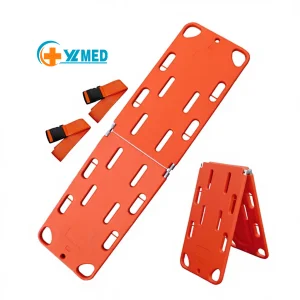 Patient Transport
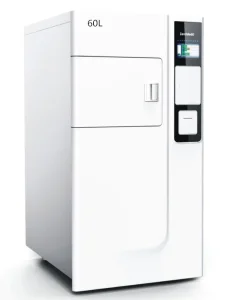 Sterilization
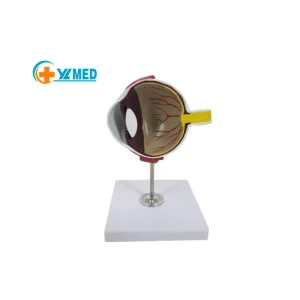
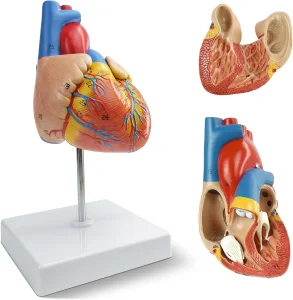
 Anatomy Education
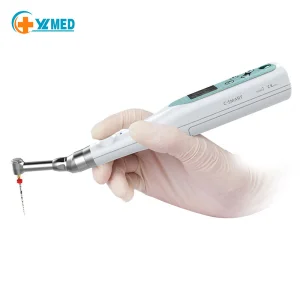
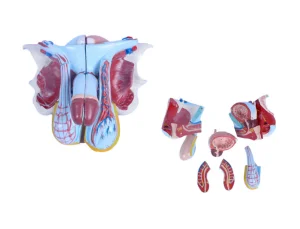
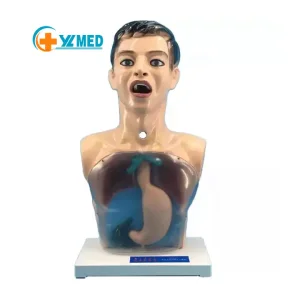
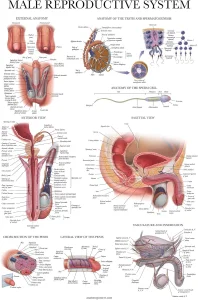
 Simulation & Display
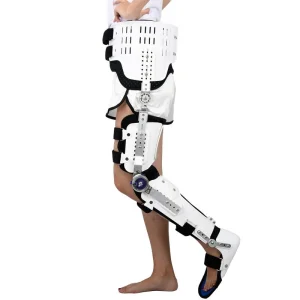
Why the ODM Airway Intubation Manikin Category Is Moving From Catalogue Item to Strategic Training Asset
Airway management is a low-frequency, high-risk skill. Intubation is not learned by watching a demonstration; it requires repeated handling of the laryngoscope, tube, cuff, suction, and airway adjuncts under realistic resistance. A manikin that looks anatomically attractive but feels mechanically inconsistent can teach the wrong tactile response. An overly complex simulator with fragile electronics may sit unused because replacement parts are slow or costly. ODM buyers therefore evaluate clinical fidelity and operational reliability together, not as separate checkboxes.
The query “ODM Airway Intubation Manikin Factory & Factories” carries mixed commercial and informational intent. The searcher may be a distributor vetting a factory, a university preparing a tender, or a hospital group exploring private-label training equipment. Behind the keyword is a request for proof of manufacturing depth: tooling, materials, quality gates, customization, documentation, and export experience. A useful supplier response should not be a catalogue dump; it should help the buyer compare training outcomes, total cost of ownership, and supply resilience.
This white paper builds on the product and company information in the original Yulin Medical page. It adds a procurement lens: global demand patterns, China Factory 4.0 supply-chain logic, localized application scenarios, and the questions serious buyers ask before placing a first ODM order. The objective is information gain for buyers who need a defensible sourcing decision, not another list of model numbers.
Intent clusters behind the factory query
Commercial investigation is rarely one-dimensional. Buyers move between supplier validation, product comparison, customization feasibility, and shipping planning.
Does the anatomy match the curriculum?
Adult, pediatric, neonatal, prehospital, and difficult-airway programs require different landmarks, tissue resistance, and oral-pharyngeal geometry. A catalogue image cannot prove training suitability.
Can the product be serviced?
Replaceable lungs, airway modules, teeth, skins, and sensor components determine whether a manikin survives years of class rotation or becomes a shelf item after one damaged part.
Can the factory document quality?
Tender and import requirements increasingly call for material specifications, inspection records, packaging details, and a traceable quality-management process. Verbal assurance is not enough.
Can the supplier consolidate?
Distributors prefer one shipment that combines airway trainers, anatomy models, emergency equipment, and hospital furniture. Consolidation lowers freight risk and reduces supplier-management time.
Airway Intubation Manikin Trends Reshaping 2025–2030 Specifications
Several trends are visible in training-center requirements and distributor requests. Each trend changes tooling, bill of materials, quality control, and after-sales support, so it should be discussed before an ODM sample is approved.
Sensorized feedback becomes a buying requirement
Airway trainers are increasingly expected to provide objective feedback on tube placement, ventilation, compression, or procedural sequence. This pushes factories to integrate electronics, calibration, and data-output design into a traditionally mechanical product.
Difficult-airway and pediatric modules grow
A single adult head is no longer enough for many departments. Buyers ask for limited mouth opening, cervical immobilization, pediatric sizes, and replaceable airway anatomies. Modular design lowers the cost of serving these requests.
Hybrid simulation, not replacement
VR and AR can orient learners and standardize scenarios, but tactile intubation still depends on physical resistance. The practical market trend is hybrid delivery: physical manikins supported by digital checklists, video review, and assessment records.
Infection control and cleanability
Removable airways, smooth surfaces, crevice control, and clear disinfection instructions now influence product selection. Materials must resist repeated cleaning without becoming brittle or discolored.
Total cost of ownership and repairability
Institutions calculate replacement-part cost, training downtime, and instructor time. A slightly higher initial price can be justified when consumables are inexpensive, documented, and consistently available.
Localization and private label
Distributors want manuals, packaging, and curriculum support in local languages. A factory with design and packaging capability adds resale value because the product fits the target market before it reaches the buyer.
Global Procurement Demand: Who Buys, How They Buy, and What They Compare
Demand is no longer limited to medical schools. Hospitals, EMS agencies, nursing colleges, defense medical units, simulation centers, and distributors serving emerging markets all buy airway training equipment. The buying process differs, but the evaluation logic is converging.
Distributors and importers
They test samples for resale, compare packaging quality, ask for private label, and require stable replenishment. Their biggest risk is a supplier that cannot repeat batch quality after the first order.
Medical schools and colleges
They buy against curriculum outcomes, student throughput, and instructor time. Tenders may specify anatomical landmarks, replacement parts, training manuals, and delivery schedules.
Hospitals and simulation centers
They need in-service training, difficult-airway drills, and interprofessional team practice. Cleanability, storage, and compatibility with existing simulation equipment often decide the purchase.
EMS, defense, and public health
These buyers value rugged construction, portability, simple repair, and train-the-trainer support. In low-resource programs, a repairable basic model can be more useful than a fragile high-feature unit.
A low unit price can hide a high training cost.
If a manikin’s airway module fails mid-course, the real cost includes cancelled sessions, instructor rescheduling, emergency replacement freight, and lost confidence in the supplier. Professional buyers compare the full training lifecycle: unboxing, setup, cleaning, consumables, repair, storage, and resale support.
China Factory 4.0: Supply Chain Resilience and Efficiency Advantages for ODM Programs
The phrase Factory 4.0 is sometimes reduced to automation. In medical simulation, it means a tighter link between design, tooling, material sourcing, production, inspection, and export planning.
A factory that can move a specification change from engineering to a validated sample without losing quality records is more valuable than a factory with a single polished showroom model. China’s medical education equipment supply chain benefits from concentrated tooling and component networks. For ODM airway manikins, this can shorten iteration cycles for molds, silicone parts, airway modules, electronic feedback units, and packaging. It also creates redundancy: alternative material grades, secondary suppliers, and consolidated export routes can protect delivery schedules.
Yulin Medical’s public company information provides a concrete capability baseline. Henan Yulin Edu. Project Co., Ltd. was founded in 1958 and operates from Xinxiang, Henan, with more than 200 professional staff. Its quality management system has been ISO 9001 certified since 2008. Registered capital is RMB 120 million, and the company manages ten product lines, from anatomy models and nursing simulators to hospital furniture and laboratory equipment. The export team is positioned to reply within 24 hours and to coordinate mixed-category orders.
Modular architecture reduces tooling risk
Separate airway modules, skins, lungs, and electronics make customization more predictable. Buyers can change one feature without redesigning the entire manikin.
Quality gates protect batch consistency
Incoming material checks, in-process inspection, final functional tests, and packaging validation reduce the gap between the approved sample and the bulk order.
Mixed-category consolidation lowers freight
Airway trainers can ship with anatomy models, CPR manikins, hospital furniture, and rehabilitation products. One container and one document set simplify import clearance.
Documentation supports tenders
Specification sheets, packing lists, quality records, and product photographs help distributors respond to institutional tenders and import registration requests.
Global Commercial and Industrial Status: A Market That Rewards Reliability, Not Novelty Alone
The medical simulation industry is maturing. Buyers are less impressed by isolated novelties and more focused on whether a product can be integrated into recurring curricula.
A training center may run the same intubation scenario hundreds of times per year. The manikin must survive that schedule, and the supplier must replenish consumables without disrupting classes. In mature markets, procurement teams increasingly ask for measurable outcomes, instructor training, and integration with existing simulation systems. In emerging markets, the priority may be durable basic anatomy, affordable replacement parts, and train-the-trainer materials.
Three commercial realities shape the market. First, budgets are scrutinized; procurement teams need a defensible comparison between initial price, replacement parts, and instructor time. Second, supply-chain risk has become a board-level concern; distributors prefer suppliers with documented processes and redundant logistics. Third, tenders increasingly require technical files, packaging specifications, and after-sales commitments. The factory that treats these as core deliverables wins repeat business.
Outcome-driven purchasing
Buyers link equipment to competency assessment. A manikin that cannot support repeatable scenarios or objective feedback is harder to justify, even at a low price.
Localization and risk hedging
Distributors want local-language manuals, regional packaging, and suppliers that can adapt to import requirements. Supply diversification is discussed alongside product quality.
Documentation as a commercial asset
Technical data, inspection records, and clear labeling reduce tender friction. They also help distributors train sales teams and support end users after delivery.
Localized Application Scenarios: How Different Markets Use Airway Intubation Manikins
The same product can require different configurations in different markets. Localization is not only language; it is anatomy, feedback, packaging, replacement parts, and service model.
University anesthesia and emergency labs
High-fidelity adult and pediatric trainers support structured practice, OSCE-style assessment, and difficult-airway drills. Instructors value visible landmarks and repeatable tube placement feedback.
Hospital simulation centers
In-situ team training requires durable manikins that can be moved between wards. Cleanability, setup speed, and replacement-part availability matter as much as anatomical detail.
EMS and prehospital programs
Portable trainers must tolerate frequent transport and field exercises. Rugged construction, simple airway modules, and basic feedback often outperform fragile high-feature systems.
Nursing and allied health colleges
Programs may focus on airway adjuncts, suction, bag-valve-mask ventilation, and team communication before advanced intubation. A modular manikin can serve multiple course levels.
Government and NGO health programs
Low-resource settings need repairable basic models, clear training manuals, and local spare-part plans. Train-the-trainer support can be more valuable than advanced electronics.
Distributor private-label programs
Importers may request branded packaging, localized manuals, and a coordinated product range. Factory design support helps them launch a complete training catalogue instead of a single SKU.
How Yulin Medical Fits an ODM Airway Intubation Manikin Supply Strategy
For international buyers, Yulin Medical is relevant as a long-established manufacturer with a broad medical education and hospital equipment portfolio.
The original page documents a company founded in 1958, ISO 9001 certification since 2008, more than 200 professional staff, RMB 120 million registered capital, and ten product lines. That breadth is useful because ODM buyers rarely purchase a single SKU; they build a range for distributors, tenders, or training programs. A mixed order can include airway trainers, anatomy models, nursing simulators, CPR manikins, hospital furniture, and rehabilitation products under one commercial relationship.
An airway intubation manikin project can be evaluated through the same ODM workflow: define the learner level and clinical tasks; select anatomy and materials; decide whether sensors or feedback are required; specify replacement parts and cleaning procedures; approve packaging and documentation; then lock the quality plan. The factory’s design team, quality system, and export coordination determine whether the project scales beyond the first sample. Buyers should request a specification review before assuming that any catalogue manikin can be converted into a private-label product.
ODM/OEM design and private label
Product presentation, packaging, and brand alignment can be developed for distributors that need a market-specific offer rather than a generic factory model.
ISO 9001 quality management
The quality system has been certified since 2008. Product-specific documents can be prepared on request to support tenders and import registration.
One-stop mixed-category sourcing
Ten product lines allow consolidated purchasing. Buyers can build a complete catalogue and reduce the number of suppliers they manage across a shipment.
Export service and fast response
The export team is online seven days a week and targets a reply within 24 hours, covering catalogs, specifications, and shipping options.
A Five-Step ODM Sourcing Process for International Buyers
This process mirrors the original Yulin Medical buyer workflow and can be adapted for airway intubation manikin projects, tender packages, and private-label programs.
Share requirements
Define learner group, clinical tasks, quantities, target market, certification needs, packaging, and whether sensor feedback is required.
Catalog and proposal
Receive matched models, specifications, customization options, packaging suggestions, and practical shipping scenarios.
Sample evaluation
Instructors test anatomy, tactile response, cleaning workflow, feedback accuracy, and replacement-part accessibility before approvals.
Production and QC
Manufacturing follows the ISO 9001 quality-management system, with incoming material, in-process, final, and packaging checks.
Export and support
Protective export packing, delivery coordination, documentation, after-sales support, and spare-part planning complete the project.
Frequently Asked Questions About ODM Airway Intubation Manikin Factories
These questions reflect the information buyers request most often. For project-specific answers, contact the export team with your target market and training scope.
Is Yulin Medical a manufacturer or a trading company?
We are a manufacturer. Henan Yulin Edu. Project Co., Ltd. was founded in 1958 and operates its own factory in Xinxiang, Henan, China, with more than 200 professional staff. For one-stop orders, we also coordinate a stable network of long-term partner factories.
What quality certification does Yulin Medical hold?
Our quality management system has been ISO 9001 certified since 2008. Product-specific documentation can be provided on request to support tenders and import registration in your country.
Do you support OEM, private label and custom packaging?
Yes. Our in-house design team develops private-label packaging and product presentation for distributors, helping increase shelf appeal and resale value in your market.
How do I choose the right airway intubation manikin?
Start with the learner group: adult, pediatric, or neonatal. Confirm the anatomical landmarks, tissue resistance, airway module replacement, cleaning method, and whether the course requires electronic feedback on tube placement or ventilation. Then compare the supplier’s documentation, sample evaluation process, and spare-part availability.
What should an ODM airway intubation manikin RFQ include?
Include target learners, clinical tasks, expected annual volume, preferred materials, sensor requirements, cleaning and disinfection constraints, replacement-part plan, private-label details, packaging needs, certification requests, delivery schedule, and destination market.
How do factories protect quality in bulk orders?
Professional factories use incoming material inspection, in-process checks, final functional testing, and packaging validation under a documented quality system. Buyers should request the inspection plan before production and keep the approved sample as the reference standard.
Can I combine airway intubation manikins with other products?
Yes. Mixed-category sourcing is common. A container can include airway trainers, anatomy models, CPR manikins, hospital furniture, rehabilitation equipment, and laboratory products. This reduces supplier-management time and can improve freight efficiency.
How quickly will I receive a reply?
Our export team is online seven days a week and typically replies within 24 hours with catalogs, specifications, customization options, and shipping suggestions.
More Products from the Yulin Medical ODM Portfolio
These additional products complete the original 16-item product set. Distributors often combine manikins, anatomy models, hospital equipment, and rehabilitation products in a single sourcing program.
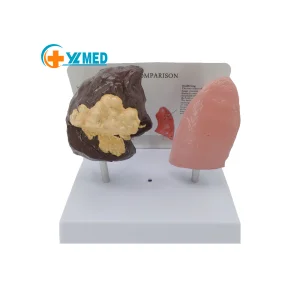 Respiratory Health
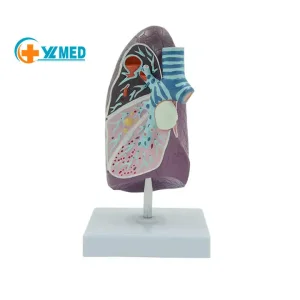 Lung Health Education
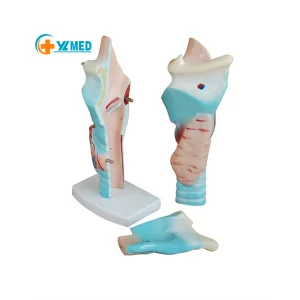 Larynx Anatomy
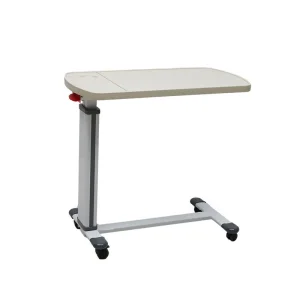 Home Care Furniture
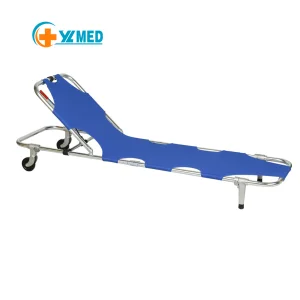 Emergency Rescue
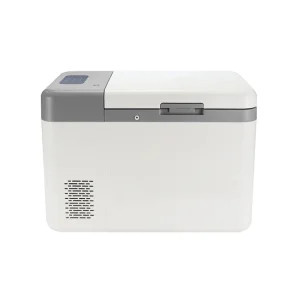 Vaccine Cold Chain