Suture Training Model & Medical Education Products
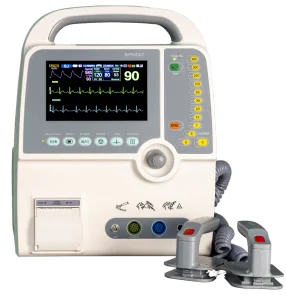
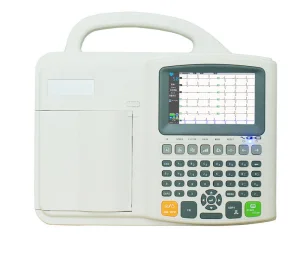
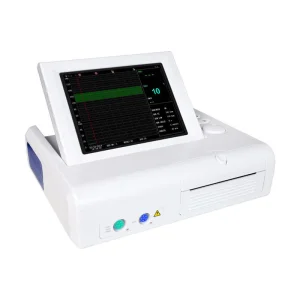
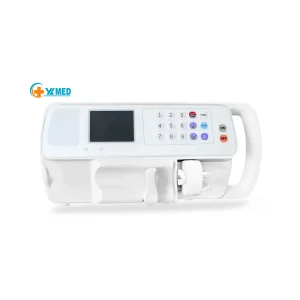
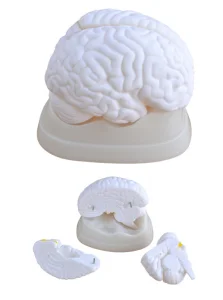
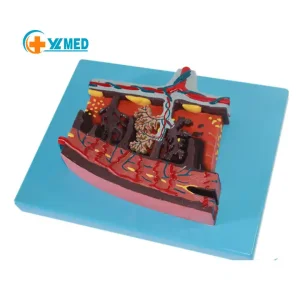
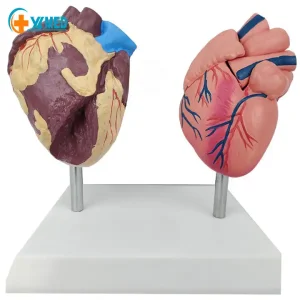
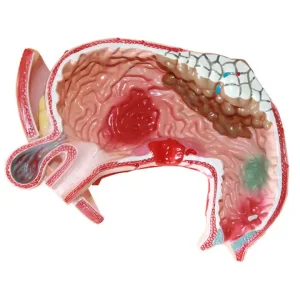
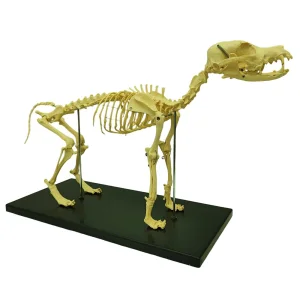
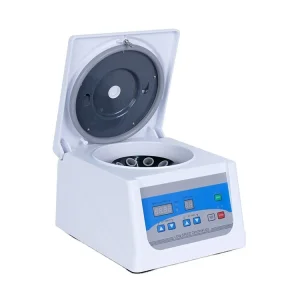
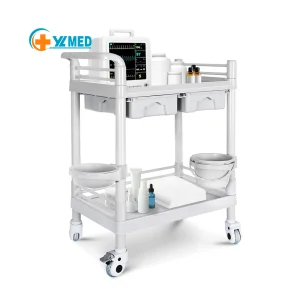
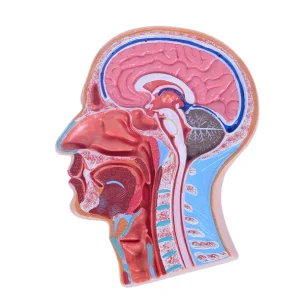
Below are eight factory products from our broader medical teaching range. Each product image is displayed at its complete aspect ratio, and every product link retains its original destination URL. These items support anatomy teaching, clinical simulation, laboratory training and hospital skills development.
What Is a Suture Training Model, and Why Does It Matter?
A suture training model is a task trainer designed to reproduce the feel and behaviour of human or animal tissue during wound closure. It is part of the wider medical simulation ecosystem that includes anatomy models, CPR manikins, nursing simulators, dental trainers and hospital skills equipment.
A professional suture training model may include a multi-layer skin pad, synthetic fascia, muscle simulation, pre-cut wounds, anchoring points, and a set of instruments such as a needle holder, forceps, scissors, sutures and a storage case. The best models are not simple sponges. They are engineered to deliver realistic needle drag, tissue resistance, edge eversion and suture retention, so that learners build transferable psychomotor skills instead of memorising a motion.
For procurement teams, the category sits at the intersection of medical education, simulation technology and consumable supply. Medical schools use suture pads for early surgical skills; nursing colleges use them for wound care and sterile technique; residency programmes use them for layered closure and assessment; veterinary schools use them for species-specific practice; and emergency or military training units use portable kits where access to cadavers or animal tissue is limited. Because the product is used repeatedly, buyers increasingly evaluate total cost of training rather than unit price alone — including durability, replacement-pad availability, realism and documentation.
Layered Realism
Multi-layer silicone or synthetic skin should reproduce epidermis, dermis and subcutaneous resistance. Buyers should test needle drag, suture pull-through and wound-edge behaviour before approving a bulk order.
Repeatable Competency
Standardised pads allow deliberate practice and fairer assessment. Replaceable inserts keep training costs predictable and help institutions run large student cohorts without variability between sessions.
Safer Training Pathways
Synthetic models reduce reliance on biological tissue, improve hygiene and support portable skills labs. They are especially valuable where cadaver access, animal tissue or specialist supervision is limited.
Global Commercial and Industrial Landscape for Suture Training Models
The global market for medical simulation and task trainers has moved from a niche laboratory purchase to a mainstream component of health-professional education. Accreditation, patient-safety expectations and skills-lab investment continue to expand the category.
Suture training models are part of this shift because wound closure is a core competency across surgery, emergency medicine, dermatology, obstetrics, nursing and veterinary practice. Demand is strongest in markets investing in simulation centres, rural and remote clinical training, and continuing professional development. Universities, hospitals, defence medical services and government tender agencies increasingly require evidence of deliberate practice before learners enter clinical environments.
Commercially, the category has two distinct buyer groups. Institutional buyers prioritise specification matching, documentation, batch consistency and supplier responsiveness. Distributors and private-label brands prioritise catalog breadth, packaging, MOQ flexibility, replacement-component supply and landed cost. China has become a central manufacturing base for both groups because the country combines mature silicone and polymer processing, mould-making skills, assembly capacity and export logistics. A factory that can control material hardness, layer thickness, colour, landmark detail and packaging artwork can serve multiple curricula from one production platform — an important advantage when one school needs fine 6-0 suturing practice while another needs robust, low-cost pads for large student cohorts.
Institutional Procurement
Tenders often require product specifications, ISO 9001 evidence, sample approval, packaging marks, HS codes and lead-time commitments. Suppliers must be able to answer technical questions clearly and provide consistent batches.
Distributor Economics
Distributors need sellable packaging, private-label manuals, replaceable pads and mixed-category containers. Reliable replenishment matters more than a one-time low quotation because training customers reorder consumables.
Supply-Chain Integration
Material sourcing, mould maintenance, assembly, inspection and export packing are increasingly coordinated by one accountable manufacturer rather than separated across unconnected trading intermediaries.
China Factory Efficiency: More Than Low Unit Cost
China’s advantage in suture training model manufacturing is often described as cost, but the more durable advantage is integration. A capable factory coordinates polymer and silicone sourcing, mould maintenance, prototype iteration, clean assembly, visual inspection, private-label printing and export packing under one quality system. This shortens the loop between a buyer’s feedback and the next sample.
At Yulin Medical, our location in Xinxiang, Henan, places us inside a mature medical consumables and educational equipment supply region. We combine our own manufacturing with a stable network of long-term partner factories. For buyers, that means mixed orders can be consolidated: suture pads and kits can ship with anatomy models, CPR manikins, dental teaching models, prepared slides and hospital furniture. Consolidation reduces supplier audits, purchase orders, carton marks and container inefficiencies. It also creates a single point of accountability for documentation, inspection and after-sales follow-up.
- Factory-direct engineering support for material hardness, wound design, layer thickness and kit configuration.
- OEM and ODM options for private-label packaging, manuals, barcodes and carton marks.
- One-stop mixed sourcing across anatomy, nursing, dental, laboratory and hospital product lines.
- Export packing designed for long-distance handling, humidity protection and distributor resale.
Where Suture Training Models Are Used Around the World
The same core product can be specified very differently depending on the learner group, curriculum, local procurement rules and training environment. This is why factory flexibility and sample validation matter.
Medical Schools & Surgical Skills Labs
Early surgical skills courses use suture pads for instrument handling, knot tying, simple interrupted sutures and layered closure. Schools often request replaceable pads so each student receives enough practice time.
Nursing & Clinical Skills Programmes
Nursing colleges use models for wound care, sterile technique and minor wound closure. Budget-friendly, durable pads with clear landmarks are often preferred for large cohorts.
Residency & Continuing Education
Residents and practising clinicians use more realistic models for fine suturing, deep-layer closure and assessment. Buyers may require finer suture compatibility and more anatomically representative wound margins.
Veterinary Training
Veterinary schools and animal-health programmes need species-appropriate tissue feel, wound size and instrument kits. Portable models support field training and clinic-based continuing education.
Emergency, Military & Remote Medicine
Portable suture kits support pre-hospital and austere-environment training. Rugged packaging, low weight and replaceable components are more important than classroom-style presentation.
Distributor & Private-Label Programmes
Local distributors often localise manuals, packaging and kit contents for their market. OEM production helps build a regional brand while keeping the core training performance consistent.
What Global Buyers Require Before They Place an Order
Successful sourcing is not only about choosing a pad and a price. International buyers need a supplier who can support a repeatable training programme, tender documentation and long-term replenishment.
Documentation & Compliance
ISO 9001 certificates, material safety information, product specifications, packing lists and HS-code support are commonly requested. Buyers should confirm local classification and labelling requirements before import.
Sample Evaluation
Test needle drag, suture retention, wound-edge eversion, cleaning and replacement-pad fit. A sample should be evaluated by instructors, not only by purchasing staff, because haptics affect learning outcomes.
OEM & Private Label
Logo printing, packaging design, instruction manuals, barcodes and kit configuration help distributors build local brands. Confirm artwork approval steps and minimum order quantities early.
Logistics & After-Sales
Protective export cartons, moisture control, carton marks, lead-time confirmation and replacement-part planning reduce total landed cost and prevent stock-outs for training centres.
Trends Shaping the Next Generation of Suture Training Models
Four development directions are visible in enquiries from distributors and teaching institutions. They reflect a broader shift from simple practice pads to measurable, modular and more realistic simulation tools.
Realism & Haptics
Multi-layer silicone, variable tensile strength and pre-formed wounds are creating more realistic feedback. Buyers increasingly compare tissue drag and suture pull-through, not only appearance.
Hybrid Digital Support
QR-linked instructions, online videos and assessment rubrics help standardise training. Some programmes are exploring sensor-based feedback, although basic models remain essential for cost control.
Modular & Portable Kits
Replaceable pads, compact cases and modular wound inserts support mobile skills labs and remote training. Kits are easier to ship, store and restock than fixed simulation stations.
Sustainability & Traceability
Durable materials, replaceable components and reduced packaging waste are becoming part of supplier evaluation. Traceability of materials and batch consistency supports quality assurance.

A Six-Decade Manufacturer with a Quality-First Culture
Henan Yulin Edu. Project Co., Ltd. (Yulin Medical) was founded in 1958 and has grown into a well-known educational and medical equipment supplier integrating scientific research, production and sales. With registered capital of RMB 120 million and more than 200 professional employees, we manage product development, manufacturing, inspection and export from our base at No. 8 Daoqing Road, Industry Park, Hongqi District, Xinxiang, Henan, China.
Our quality management system has been ISO 9001 certified since 2008. Our motto is simple: quality first, service first. Every order is produced and inspected so that distributors, medical universities, nursing colleges and hospitals receive consistent, well-documented products on every batch. Our in-house design and packaging team supports private-label programmes that strengthen resale value, while our export team coordinates mixed-category orders into one shipment with one point of contact.
- Factory-direct supply across 10 product lines, from anatomy models to hospital furniture.
- Private-label packaging and product presentation for distributor brands.
- Mixed-category orders consolidated for more efficient container loading.
- Responsive export support with samples, specifications and tender documentation on request.



Complete Sourcing for Medical Education & Clinical Use
Ten specialised product lines let procurement teams source simulation, laboratory and hospital equipment from one accountable manufacturer instead of managing multiple suppliers.
Anatomy Models
Torso, organ, heart, brain and muscle models with numbered structures for lectures and patient education.
View range → 🔬Biology Prepared Slides and Accessories
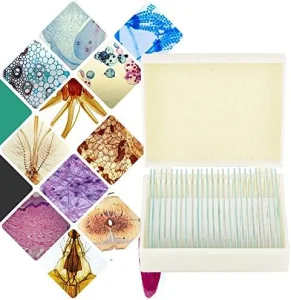
Histology, botany and zoology prepared slides plus storage and microscope accessories for biology labs.
View range → 🦷Dental Tools and Equipment
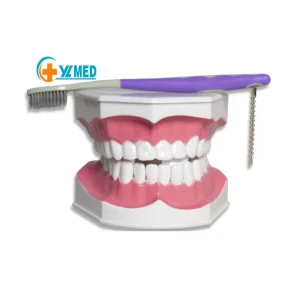
Dental teaching models, clinic lights, LED whitening units and endodontic instruments for training and practice.
View range → 🧪General Teaching Models
Science demonstration models for primary schools, secondary schools and education equipment tenders.
View range → 🛏️Hospital Furniture and Equipments
Stainless steel examination couches, stretchers, walkers and shower chairs built for daily clinical use.
View range → 🏥Hospital Machine and Tools
Diagnosis and treatment devices and practical tools for wards, clinics and emergency departments.
View range → 🩹Medical Apparatus and Instruments
Emergency splints, extrication devices, cervical traction and rehabilitation instruments.
View range → 👶Medical Nursing Model
Adult, child and neonatal CPR manikins, ACLS simulators and AED trainers for skills assessment.
View range → 🦴Skeleton Models
Life-size and desktop skeletons, skulls, spines and joint models for osteology teaching.
View range → 🧵Suture Pads and Kits
Realistic skin suture pads and complete instrument kits for surgical and wound-closure practice.
View range →Why Distributors and Institutions Partner with Yulin Medical
Four strengths overseas buyers consistently cite when they move long-term orders to our factory.
24/7 Responsive Service
Our team is online 24 hours a day, 7 days a week. Whatever your time zone, you receive a detailed answer as quickly as possible — typically within 24 hours.
Design & Packaging Team
In-house specialists deliver professional product design and private-label packaging that strengthens your brand and increases the added value of every unit you sell.
Professional Expertise
Our vision is to provide the most professional educational and medical training products from mainland China, built under ISO 9001 process control and decades of category knowledge.
60+ Years of Supply Stability
A factory with over 60 years of history and a deeply integrated partner supply chain lets us meet one-stop demands and keep lead times predictable on repeat orders.
A Transparent 5-Step Process for Overseas Buyers
From first conversation to delivery, every stage has a named contact and clear documentation, so you can plan stock, tenders and training schedules with confidence.
Share Requirements
Send product types, quantities, target market and any tender or certification needs.
Catalog & Proposal
Receive matched models, specifications, packaging options and shipping suggestions.
Sample Evaluation
Test samples with your instructors or clinicians before confirming bulk production.
Production & QC
Manufacturing and inspection follow our ISO 9001 quality management system.
Export & Support
Protective export packing, delivery coordination and responsive after-sales service.
News & Practical Insights from Our Specialists
Exhibition updates and hands-on guidance written by the team that designs and builds our products.

Do You Really Know How to Observe Biological Prepared Slides?
Many plant and animal cell structures can only be studied under a microscope, which makes prepared biological slides essential in every biology lab. Our specialists explain how to handle, focus and store slides correctly so students see clearer detail and your slide sets last for years.

The 5th Henan Provincial Educational Equipment Expo Concludes Successfully
Themed “Digital Leading Innovation and Development”, the expo reached a record 50,000 m² with 600+ brands and 10,000+ products on display, showcasing the latest educational equipment.

Inside Our Product Showroom
A look at the medical teaching models and training equipment buyers can inspect in person when visiting our Xinxiang facility.
Frequently Asked Questions from Importers
Straight answers to the questions procurement managers ask most before placing a first order.
Is Yulin Medical a manufacturer or a trading company?
What quality certification do you hold?
Do you support OEM, private label and custom packaging?
How do I choose the right CPR training manikin?
What should buyers check in a suture training model sample?
How quickly will I receive a reply?
Need Specifications, a Price List or a Tender Package? We Reply Within 24 Hours.
Tell us your target market, quantities and certification requirements. Our product specialists will recommend suitable models, share detailed specifications and propose the most economical shipping plan for your order.
No. 8, Daoqing Road, Industry Park, Hongqi District, Xinxiang, Henan, China
More Factory Products for Global Medical Training & Hospital Supply
These eight products complete the original range. All product URLs are preserved, and every image is displayed without ratio compression so buyers can review the complete product presentation.