
Resuscitation, Emergency & Clinical Training Products — First 8
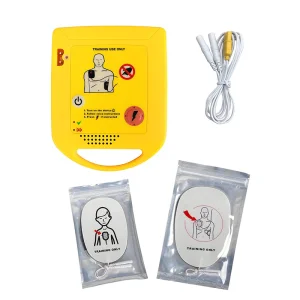
These eight factory-direct products illustrate the practical range behind a resuscitation-training programme: AED trainers, patient monitoring, emergency transfer equipment, ICU furniture, ECG diagnostics, anatomy teaching models and prepared microscope slides. Each item keeps its original product URL and image so buyers can move from this whitepaper directly into detailed sourcing.
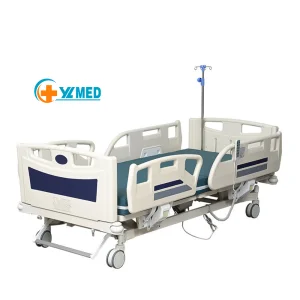
ODM ICU bed electric 5 function intensive care bed hospital nursing home lift multi-function thrombolytic bed Factories, Quotes
View product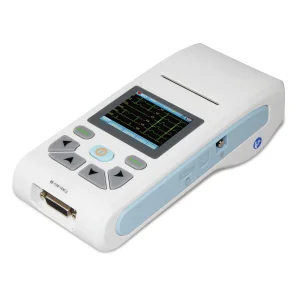
Wholesale New Handheld 2.8'' Display 3/6/12 Lead Electrocardiograph ECG90A ECG Machine Manufacturer, Pricelist
View product
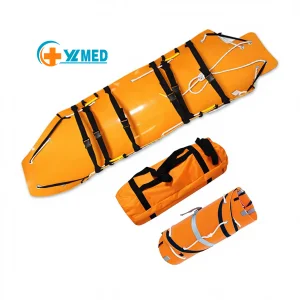
China Portable Folding Stretcher Roll Multifunctional Rescue Basket Light Weight Medical Emergency Rescue Ambulance Fire Rescue Load Quotes, Service
View product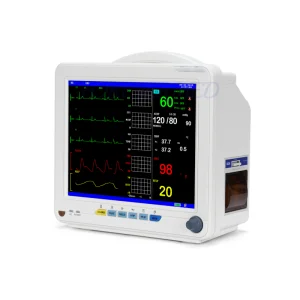
China Cheap Price Portable Adult Neonatal Children Cardiac Monitor Multi Parameters Vital Signs Patient Monitor Manufacturer, Factories
View product
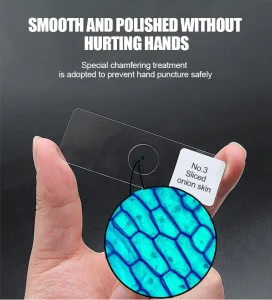
OEM 1pcs human bone marrow smear Giemsa Stain, wholesale prepared microscope slides Factories, Pricelist
View productA Six-Decade Factory, Built for Repeatable Training Equipment
The strongest E-E-A-T signal in this category is not a slogan. It is a documented factory history, a stable quality system, and the ability to answer the same specification question consistently across multiple orders and markets.
Henan Yulin Edu. Project Co., Ltd. — trading as Yulin Medical — was founded in 1958 and operates from No. 8, Daoqing Road, Industry Park, Hongqi District, Xinxiang, Henan, China. The company integrates research, production and sales for educational and medical training equipment, with registered capital of RMB 120 million and more than 200 professional staff. Its quality management system has been ISO 9001 certified since 2008. The working motto is simple: quality first, service first.
China Simulator for Resuscitation Training Manufacturer & Service: From Manikin Purchase to Competency System
Cardiopulmonary resuscitation is one of the few clinical interventions in which a trained bystander can materially change the probability of survival before professional help arrives. That reality has shifted resuscitation training from a periodic compliance exercise to a measurable capability system. Buyers now ask whether a simulator can record compression depth, compression rate, recoil, ventilation volume, hand position and AED pad placement; whether instructors can export performance data; and whether the product can be serviced across a five- to ten-year training cycle. For distributors and institutions, the purchasing decision is no longer only about the unit price of a manikin. It is about curriculum alignment, instructor confidence, spare-part availability, infection control and the total cost of maintaining a programme that produces reliable outcomes.
This is the context in which a China simulator for resuscitation training manufacturer and service partner becomes strategically important. A capable manufacturer must combine moulding, electronics, software or feedback modules, soft-touch materials, packaging and export documentation. It must also understand how distributors win tenders, how medical schools map learning objectives to simulation fidelity, and how hospitals maintain equipment after the warranty period. Henan Yulin Edu. Project Co., Ltd. has served these buyer groups since 1958, with ISO 9001 certification since 2008 and an export team that supports OEM, ODM, private-label packaging and mixed-category orders. The observations below are drawn from that daily sourcing and production work, not from a desk-bound summary of generic market reports.
The global market is also becoming more segmented. A community CPR programme may need forty durable mini AED trainers and one advanced feedback manikin for instructor demonstration. A medical school may need adult, child and neonatal ACLS platforms, a defibrillator trainer, airway-management models and a debriefing workflow. A hospital may prioritise patient monitors, emergency stretchers, ICU beds and diagnostic ECG devices alongside training equipment. A distributor may need all of these categories consolidated into one shipment with one point of contact. The manufacturer’s job is to help buyers match fidelity to learning objectives — not to oversell complexity or push a single SKU as a universal answer.
Six Industry Trends Reshaping Resuscitation Training Procurement
The strongest demand signals in 2025–2030 are not simply for more manikins. They are for training systems that are easier to administer, easier to clean, easier to document and easier to localise. These six trends appear repeatedly in distributor enquiries, university tenders and hospital simulation-centre specifications.
Guideline-aligned feedback is now a baseline
AHA and ERC updates continue to emphasise high-quality compressions: adequate depth, appropriate rate, full recoil and minimised interruptions. Buyers increasingly ask for documentation that shows how a simulator’s feedback thresholds are defined, calibrated and explained to instructors.
Data capture moves from premium to mainstream
Where a product includes digital feedback, buyers want clean data: session records, learner identifiers, exportable summaries and simple instructor dashboards. The goal is not data for its own sake; it is faster debriefing and defensible competency records.
Hybrid and remote simulation expand access
Telesimulation, video debriefing and blended learning allow expert instructors to support remote cohorts. Simulators that are portable, quick to set up and compatible with common cameras or conferencing tools reduce the cost of reaching rural and district-level learners.
Low-fidelity still wins at scale
Community programmes, schools and corporate first-aid campaigns often need durable, low-maintenance trainers that can be packed into a van and used repeatedly. A mixed fleet — a few high-fidelity units plus many low-fidelity trainers — usually delivers better cost per learner.
Infection control is a design requirement
Removable faces, disposable or cleanable lungs, smooth surfaces and clear cleaning instructions are now part of procurement evaluation. In shared training rooms, ease of disinfection directly affects scheduling and utilisation.
Lifecycle service beats one-time price
Replacement airways, face skins, lungs, batteries, chargers and carrying cases determine the real cost of ownership. A supplier that can quote a spare-parts list and commit to a response time is often more valuable than a lower initial quotation.
Four Buyer Profiles, Four Definitions of Value
A speculative “one size fits all” simulator rarely survives a serious tender review. The most successful orders start with a clear buyer profile, a defined learner group and a realistic maintenance plan.
Distributors and tender agents
They need stable specifications, OEM branding, private-label packaging, complete quotation documents and the ability to mix categories in one container. Repeatability matters more than a single low price.
Medical schools and nursing colleges
They compare simulation fidelity with curriculum outcomes, instructor workload, replacement-part availability and the ability to run objective structured clinical examinations across large cohorts.
Hospitals, EMS and fire rescue
They prioritise ruggedisation, realistic anatomy, infection control, fast setup and local after-sales support. Paediatric and neonatal capabilities are often required alongside adult training.
Corporate and community programmes
They need portability, minimal consumables, simple cleaning and predictable pricing for large batches. AED trainers and basic CPR manikins are often the first purchase before advanced simulators.
Illustrative Procurement Priority Index
The weightings below are illustrative and based on criteria commonly seen in distributor enquiries and institutional tender reviews. They are not a statistical survey; they are a practical planning aid for aligning product selection with buyer priorities.
Planning implication: buyers rarely optimise on unit price alone. A supplier that can demonstrate quality consistency, lead-time control and spare-part planning usually wins repeat business.
Supply-Chain Resilience and Efficiency Advantages
China’s advantage in medical training equipment is no longer only labour cost. It is the depth of the industrial cluster: mould makers, electronics suppliers, medical-grade plastics, packaging printers, inspection laboratories and export logistics are close enough to compress development cycles. For buyers, however, the real question is whether that cluster is managed with discipline. Factory 4.0 — in the practical sense used by medical-equipment exporters — means digital order tracking, controlled process documentation, batch traceability, tooling maintenance and a planning system that can absorb mixed-category orders without losing visibility.
Integrated tooling and moulding
In-house or tightly managed tooling reduces the gap between design change and production. It also makes it easier to control colour, surface finish and dimensional consistency across repeat orders.
Digital quality traceability
Batch records, incoming-material checks, in-process inspection and final testing create an evidence trail. When a distributor needs to answer a tender clarification, traceability shortens the response cycle.
Flexible MOQ and mixed orders
A one-stop order can combine CPR trainers, anatomy models, prepared slides, hospital furniture and diagnostic devices. Consolidated packing reduces freight complexity and gives distributors a broader catalogue without multiple suppliers.
Export-ready packaging and documentation
Protective packing, barcode labelling, packing lists and product documentation are part of the product. For overseas buyers, a clean shipment is as important as a well-made simulator.
A More Demanding Buyer Market with Higher Evidence Requirements
Global demand for resuscitation training equipment is uneven but structurally strong. Aging populations, bystander-CPR legislation, AED placement programmes, hospital accreditation and school first-aid mandates continue to create new training cohorts. At the same time, budgets are tighter and procurement teams are more experienced. They compare total cost of ownership, ask for spare-part lists, check packaging and request documentation before releasing a purchase order. The result is a market that rewards suppliers who can provide evidence, not only a catalogue.
Tender-grade documentation
Specification sheets, packing details, warranty terms, spare-parts lists and available certificates should be ready before the tender deadline. A supplier that treats documentation as an afterthought creates risk for the distributor.
Total cost of ownership
The purchase price is only the first number. Consumables, replacement parts, cleaning labour, storage space and downtime determine whether a training programme stays within budget over three to five years.
Localisation and regional customisation
Language, packaging, voltage, plug type, training scenarios and private-label branding often need to be adapted for a target market. Early localisation planning reduces rework and protects launch dates.
Where Resuscitation Simulators Earn Their Return
The same simulator can serve very different learning objectives. Localisation is therefore not only a language issue; it is a question of matching the product to the setting, the instructor model, the learner volume and the maintenance environment.
Medical and nursing schools
Simulation labs need adult, child and neonatal platforms, airway management, AED integration and objective assessment. Durable low-fidelity trainers support large practical classes, while advanced feedback units support high-stakes examinations.
Hospital simulation and skills centres
Hospitals use resuscitation simulators for onboarding, annual competency checks, code-team drills and interprofessional debriefing. Integration with patient monitors and defibrillator trainers increases realism.
EMS, ambulance and fire rescue
Pre-hospital teams train in confined spaces and under time pressure. Portable simulators, rescue stretchers, scoop stretchers and immobilisation devices should be evaluated together as a field-ready system.
Industrial and corporate safety
Factories, mines, construction sites and large offices need first-aid teams that can respond before an ambulance arrives. AED trainers and basic CPR manikins are cost-effective for recurring internal certification.
Community CPR and AED programmes
Schools, community centres and public-access defibrillation campaigns need lightweight trainers, simple instructions and low consumable costs. Local language packaging and instructor guides improve adoption.
Rural and district hospitals
Smaller facilities often need a compact equipment mix: a patient monitor, ECG device, emergency stretcher, basic CPR trainer and anatomy models for continuing education. One consolidated order reduces procurement overhead.
Ten Product Lines, One Accountable Manufacturer
Yulin Medical’s original product architecture covers ten specialised lines. For buyers, this breadth is useful only when it is backed by one quality system and one export contact. The categories below preserve the original site structure and link to the relevant product ranges.
Quality, Compliance and E-E-A-T: What Evidence Should Buyers Request?
Trust is not a logo on a catalogue. It is a chain of evidence: a defined quality system, product-specific documentation, clear limitations, consistent packaging and a service plan that survives after the invoice is paid. Yulin Medical does not present a single certificate as a substitute for product-specific regulatory review. Regulatory status varies by product and destination. The practical approach is to confirm the required documents for each SKU and each market before the order is finalised.
ISO 9001 system since 2008
A documented quality management system supports process control, inspection discipline and corrective-action follow-up. Buyers should ask how the system applies to the specific product line they are purchasing.
Guideline alignment and trainer feedback
For resuscitation simulators, ask how compression depth, rate, recoil and ventilation feedback are defined. Good suppliers explain the training assumptions clearly rather than hiding them behind a specification sheet.
Product-specific documentation
Request available test reports, material declarations, packing details and certificates relevant to the destination market. Documentation should match the exact model, voltage, plug type and packaging configuration.
Traceability and after-sales
Batch identification, spare-parts availability and a clear response channel reduce downtime. For repeat distributors, a named export contact is often as important as the production line itself.
OEM/ODM and Service Workflow: A Transparent Five-Step Path
Overseas buyers need a process they can explain internally. The workflow below is designed to reduce ambiguity between the first enquiry and the final shipment.
Share requirements
Send product types, quantities, target market, learner groups and any tender or certification needs.
Catalog and proposal
Receive matched models, specifications, packaging options and shipping suggestions.
Sample evaluation
Test samples with instructors or clinicians before confirming bulk production.
Production and QC
Manufacturing and inspection follow the ISO 9001 quality management system.
Export and support
Protective packing, delivery coordination and responsive after-sales service.
A Practical Checklist for Resuscitation Simulator Buyers
Use this checklist to compare suppliers on a like-for-like basis. It is especially useful when a tender requires both training performance and long-term serviceability.
Diagnostic, Anatomical & Hospital Equipment — Second 8
The second selection completes the original product series with mineral slides, dental imaging, skeletal and neuroanatomical models, respiratory pathology models and renal anatomy. These products support the broader medical-education and hospital ecosystem that surrounds resuscitation training.
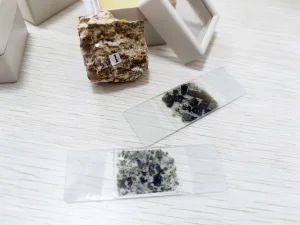
ODM Microscope slides prepared by grinding mineral slides for teaching experiments Manufacturer, Pricelist
View product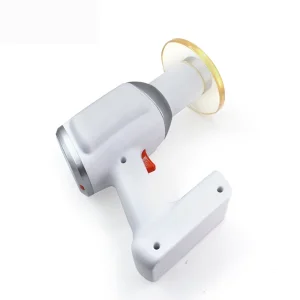
OEM New Packaging Medical Equipment Xray Dental Dental Imaging Portable X-ray Dental Xray Camera Machine Manufacturer, Quotes
View product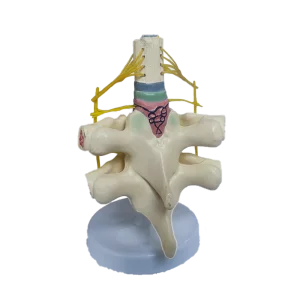
OEM Medical Science Teaching Equipment Medical Human Anatomical Education Model PVC Spinal Nerve Enlargement Skeleton Model Manufacturers, Factories
View product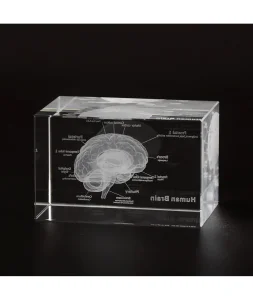
Wholesale Ultrassist 3D Human Brain Glass Model Laser Etched Anatomical Model for Home and Office Decoration Neurology Gifts Manufacturer, Service
View product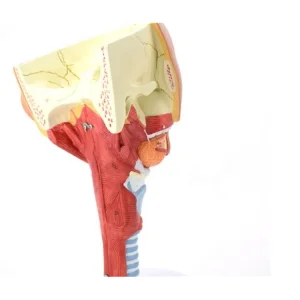
Wholesale Medical science Human anatomy teaching resources Plastic Human Head with Pharynx Muscles Anatomical Model Factory, Service
View product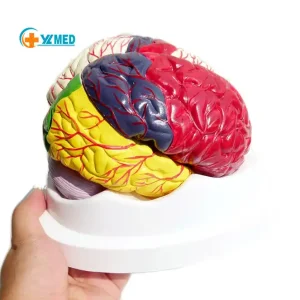
Wholesale Medical Science Teaching Models for School Use Color 8 Parts Brain Model Factories, Service
View product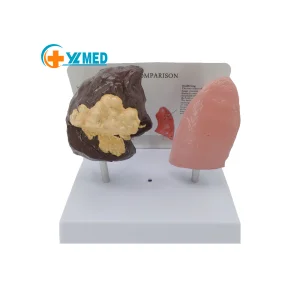
OEM Medical Sciences Anatomical Model Human Body Respiratory System Diseases Human Smoking Lung and Healthy Lung Comparative Model Manufacturers, Factories
View product
Frequently Asked Questions from Importers and Training Institutions
These are the questions our export team answers most often during the early stages of a resuscitation-training equipment project.
Is Yulin Medical a manufacturer or a trading company?
What quality certification does Yulin Medical hold?
Do you support OEM, private label and custom packaging?
How do I choose the right CPR or resuscitation training simulator?
Can I order samples before placing a bulk order?
What is the typical lead time and shipping arrangement?
Can you provide documents for a public tender?
How does after-sales support work for overseas buyers?
Can you consolidate multiple product categories into one order?
Request a Resuscitation Training Simulator Quote
Tell us your target market, learner groups, quantities and documentation requirements. Our product specialists will recommend suitable models, share specifications and propose a practical shipping plan for your order.
Henan Yulin Edu. Project Co., Ltd. — ISO 9001 certified since 2008. Factory-direct medical teaching models, resuscitation training simulators, anatomy models and hospital equipment for global distributors and institutions.