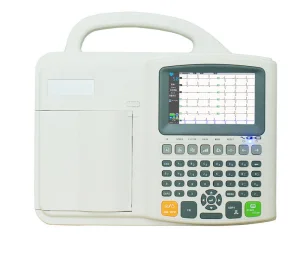
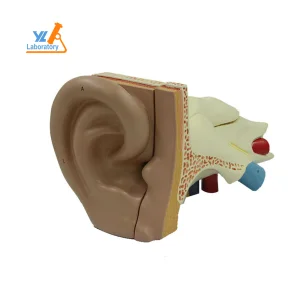
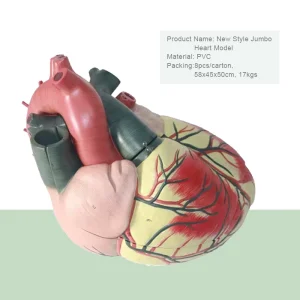
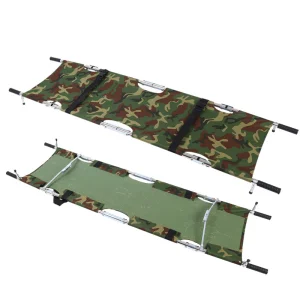
Factory-Direct Medical, Teaching & Hospital Products
These published product lines show the broader medical education and hospital equipment ecosystem that often surrounds a sterilization procurement programme. Product links, images and original references are preserved below.
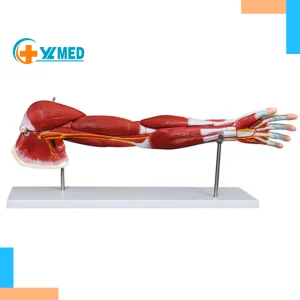
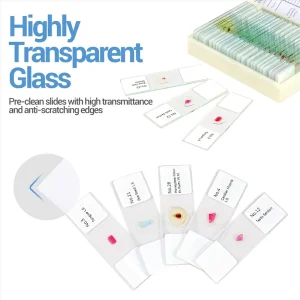
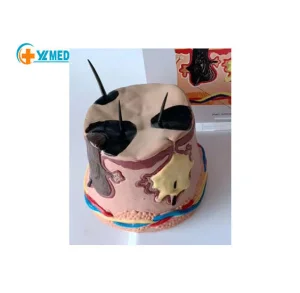
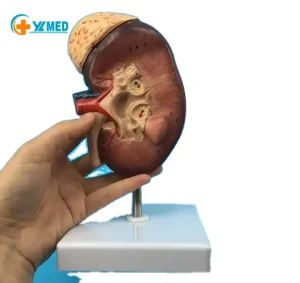
 Henan Yulin Edu. Project Co., Ltd. · Since 1958
Medical Teaching Models, CPR Manikins & Hospital Equipment Manufacturer Since 1958
Henan Yulin Edu. Project Co., Ltd. (Yulin Medical) has built educational and medical training equipment in Xinxiang, China, for more than six decades. Our quality management system has been ISO 9001 certified since 2008, and our motto is simple: quality first, service first. Every order is produced and inspected so that distributors, medical universities, nursing colleges and hospitals receive consistent, well-documented products on every batch.
- Factory-direct supply across 10 product lines, from anatomy models to hospital furniture
- Private-label packaging and product design that raises your resale value
- Mixed-category orders consolidated into one shipment with one point of contact











China Portable Autoclave Manufacturers & Factory: What the Search Intent Really Means
Buyers searching for “China portable autoclave manufacturers & factory” usually sit in one of seven intent clusters: product specification, factory verification, certification evidence, OEM/private-label capability, landed-cost comparison, after-sales support and tender documentation. A useful white paper must answer all seven without hiding behind a generic product catalogue.
The phrase “portable autoclave” is a commercial category, not a single technical design. It may refer to a small Class N gravity sterilizer used in a rural clinic, a Class B pre-vacuum tabletop unit used in a dental practice, a cassette sterilizer used in ophthalmology or a rapid-cycle unit used in a mobile surgical team. The correct factory for one buyer may be the wrong factory for another. That is why a high-intent sourcing page must separate the applications, the load types, the regulatory environment and the service model before discussing price.
China’s role in this category is similarly misunderstood. The country contains a deep ecosystem of pressure-vessel fabricators, valve and sensor suppliers, control-board developers, injection-moulding specialists, documentation teams and export packers. For international distributors, the opportunity is not simply lower unit cost. It is the ability to source a configurable sterilization product with private-label packaging, multi-language controls, region-specific plugs, spare-part kits and documented quality records from a connected manufacturing base.
At the same time, not every “factory” is a manufacturer. Some suppliers are trading companies, some assemble from imported kits and some hold attractive certificates for products they do not actually produce. A serious buyer needs an audit trail from pressure-vessel welding and electrical safety testing through to final validation, packing and after-sales support.
What serious buyers want to see
- Actual factory profile, production equipment and pressure-vessel capability
- EN 13060, ISO 13485, IEC 61010 or destination-specific compliance evidence, where applicable
- Class N, Class S or Class B cycle design matched to wrapped, hollow, porous or solid loads
- Chamber size, cycle time, water consumption and voltage configuration
- Traceable serial numbers, test reports, calibration records and spare-parts lists
- OEM/ODM terms, packaging artwork control and MOQ flexibility
- Installation, training, warranty and remote diagnostic support
What Is a Portable Autoclave? A Buyer’s Guide to Classes, Cycles and Validation
Portable autoclaves use saturated steam under pressure to sterilize reusable medical, dental, laboratory, veterinary and personal-care instruments. The essential variables are temperature, pressure, time, steam quality and air removal. A lower price becomes irrelevant if the unit cannot reproducibly sterilize the loads your customers actually use.
Class N
Gravity-displacement cycles are generally intended for non-wrapped solid instruments. They are simple, fast and cost-effective, but they are not a universal substitute for pre-vacuum processing.
Class S
Specific-load cycles are validated for the load types defined by the manufacturer. They can be appropriate when the user’s instrument mix is narrow and fully documented.
Class B
Pre-vacuum cycles remove air from the chamber and load, supporting wrapped solid, hollow and porous loads. Dental, surgical and clinic buyers often prefer Class B for flexibility.
Cassette Systems
Cassette or rapid-cycle units can be valuable in space-limited point-of-care settings. Buyers should verify cycle validation, cassette durability, consumable cost and local service capability.
Typical tabletop chamber volumes range from small 8-litre units for quick instruments to 18–24-litre units for busy dental or clinic loads. Larger “portable” or transportable units may be built into mobile clinics or field hospitals. The term therefore needs to be qualified in every request for quotation: chamber volume, load type, cycle class, voltage, water supply, documentation and service access.
Standards may include EN 13060 for small steam sterilizers, EN 285 for larger sterilizers, ISO 17665 for moist-heat sterilization processes, IEC 61010 for electrical safety and ISO 13485 for medical-device quality management. Depending on the destination market, buyers may also ask for CE marking documentation, FDA-related evidence where applicable, Health Canada requirements, TGA evidence, NMPA registration support or pressure-equipment compliance such as PED or ASME-related documentation. These are not interchangeable, and no responsible factory should promise a “global certificate” without identifying the exact product, model and market.
Validation questions that reveal factory maturity
- Can the factory provide temperature and pressure mapping records?
- Is biological or chemical indicator validation guidance supplied?
- Are pressure-vessel test certificates traceable to the serial number?
- Are calibration procedures and sensor replacement intervals documented?
- Is the control software version controlled and serviceable?
- Are water-quality and steam-quality requirements clearly stated?
- Does the warranty distinguish consumables, wear parts and structural components?
The China Factory Advantage for Portable Autoclave Procurement
China remains a strategic sourcing base for portable sterilization equipment because it combines component depth, engineering flexibility, export experience and scalable quality systems. The advantage is strongest when buyers treat China as a manufacturing ecosystem rather than a single low-cost quotation.
1. Deep component and process ecosystem. A portable autoclave is a system of pressure vessel, door mechanism, safety valve, solenoid valves, pump, heater, sensors, controller, display, seals and housing. China’s industrial clusters allow specialized suppliers to serve multiple sterilizer factories with mature components. For buyers, this can shorten development cycles and improve access to replacement parts.
2. Engineering and OEM/ODM flexibility. Many factories can adapt chamber configurations, control interfaces, language packs, plug types, packaging, manuals and accessory kits. This matters for distributors who need a product that fits local expectations rather than a generic catalogue item. The best OEM partners use controlled drawings, approval samples and change-notification procedures.
3. Cost structure with room for better specifications. Lower manufacturing cost does not have to mean lower quality. A well-managed project can reinvest part of the cost advantage into stronger valves, better sensors, improved documentation, robust export packing or a larger spare-parts kit. Total cost of ownership is a more useful metric than factory gate price alone.
4. Export logistics and packaging experience. Portable autoclaves are sensitive to shock, moisture and handling. Experienced exporters understand foam protection, corner reinforcement, pallet configuration, container loading and shipping-mark requirements. They also know how to prepare commercial invoices, packing lists and certificate-of-origin documents that match the product description.
5. Certification and documentation capability. A credible factory maintains design records, risk-management files, test reports, calibration records and supplier verification. Buyers should ask for a document matrix rather than a folder of certificates. The matrix should map each model to the claimed standard, test report, market and validity period.
6. Flexible MOQ and private-label programmes. For distributors testing a new market, manageable minimum order quantities and staged packaging approvals can reduce risk. For mature distributors, annual volume agreements, forecast visibility and spare-parts planning can improve lead-time stability.
7. Service and training infrastructure. A factory that can supply troubleshooting guides, wiring diagrams, error-code lists, maintenance videos and consumed-parts lists is easier to support in the field. Remote diagnostics and clear escalation paths are particularly valuable for markets where an on-site engineer is expensive or slow to reach.
8. Cluster proximity and speed. When a design change requires a new seal, a different control board or revised packaging, proximity to suppliers can compress the iteration cycle. Speed matters in tenders, private-label launches and urgent replacement programmes.
Portable Autoclave Trends Reshaping Global Procurement
Sterilization is moving closer to the point of use. That shift is changing product design, service expectations and the way distributors package equipment for clinics, dental chains, laboratories and mobile health programmes.
Point-of-Care Sterilization
Dental clinics, primary-care centres and specialty practices want faster turnaround and less instrument transport. Compact pre-vacuum and cassette systems continue to grow in these settings.
Digital Traceability
Cycle logs, user access control, USB or network export and error-code history are becoming differentiators. Buyers increasingly ask how records support accreditation and audits.
Modular Clinic Models
Container clinics, mobile dental units and field hospitals need equipment that can be shipped, installed and serviced under constrained conditions. Modularity and spares availability matter.
Sustainability Pressure
Water use, energy consumption, recyclable packaging and long service life are moving up procurement agendas. Factories that can quantify consumption have an advantage in public tenders.
Regulatory Convergence
Documentation expectations are becoming more consistent across markets. Design history files, risk analysis, validation records and supplier controls are increasingly requested in audits.
Service as a Product
Distributors are no longer selling a box. They are selling installation, training, validation support, consumables and uptime. Factory service readiness directly affects resale value.
Cassette and Rapid Cycles
Fast-turnaround workflows are attractive where instrument inventory is limited. Buyers must still compare cycle validation, consumable cost and long-term cassette availability.
AI-Assisted Monitoring
Pattern detection, predictive maintenance and remote fault diagnosis are emerging. The practical question is whether the data is accessible, secure and useful to local service teams.
Localized Applications for Portable Autoclaves
Different markets do not need the same sterilization solution. A product that works well in a dental chain may fail in a remote field clinic, and a cassette unit optimized for speed may not be suitable for a busy laboratory with mixed loads.
Dental Clinics and Dental Chains
Dental practices need fast turnaround for handpieces and instruments, reliable wrapped-load capability and clear cycle records. Class B pre-vacuum units, cassette systems and validated drying performance are common requirements. Distributors should consider installation space, water quality, consumables, staff training and local service response.
Primary Care and Small Hospitals
Primary-care centres often need a practical balance between capacity, price and compliance. A 12–24-litre tabletop unit may support dressings, minor surgery instruments and outpatient equipment. Buyers should confirm the load mix, power supply and documentation required by local health authorities.
Mobile Clinics and Field Hospitals
Transportability, voltage tolerance, shock resistance, spare-parts kits and simple operation become critical. Units may be exposed to dust, vibration and unstable power. Packaging, commissioning support and remote troubleshooting should be part of the procurement plan.
Laboratories and Research Facilities
Laboratory buyers may need validated cycles for media, glassware, waste decontamination or specific research loads. They often require stronger documentation, temperature mapping and user access controls. The factory should be able to discuss load configuration rather than only chamber volume.
Veterinary and Animal Care
Veterinary clinics value robust construction, flexible load handling and cost-effective maintenance. Instruments may be mixed and heavily soiled, so cleaning workflow and cycle suitability must be considered together with the sterilizer.
Tattoo, Piercing and Beauty Studios
This segment is highly sensitive to local regulation. Buyers need clear guidance on validated load types, packaging, record-keeping and operator training. Distributors can add value through compliance-oriented bundles rather than selling a generic sterilizer.
Education, Emergency Response and Remote Care
Teaching laboratories, emergency teams and remote health programmes need equipment that can be installed quickly and supported with basic training. A well-designed spare-parts kit and clear operating manual can be as important as the sterilizer itself.
From a Single Autoclave to a Complete Sterilization Workflow
Global buyers increasingly expect suppliers to think beyond the sterilizer. The strongest programmes connect cleaning, packaging, sterilization, drying, storage, traceability, training and service into a coherent workflow.
Centralized CSSD versus satellite sterilization. Large hospitals may centralize instrument reprocessing in a CSSD, while clinics and smaller facilities need satellite units closer to the point of use. A distributor who understands this balance can propose a mix of larger sterilizers, portable units, drying cabinets, sealed transport containers and traceability tools rather than a single product.
Turnkey clinic bundles. A portable autoclave is often purchased alongside an examination couch, suction apparatus, emergency stretcher, ECG machine, diagnostic set, teaching model or other equipment. Consolidating these items reduces supplier management cost and can improve shipping efficiency. This is where a manufacturer with multiple product lines and partner-factory coordination can add practical value.
Service and consumables programmes. Door gaskets, filters, printer paper, cassettes, indicator strips, trays and water-treatment components are repeat-purchase items. A well-structured distributor programme plans these consumables from the start, creating recurring revenue and reducing downtime for end users.
Container clinics and mobile health units. These projects require a bill of materials that fits the container layout, power supply and workflow. The sterilization unit must be selected together with bench space, water storage, waste handling and instrument flow. Early coordination prevents costly retrofits.
Tender and framework agreements. Public-sector buyers often require model lists, certificates, test reports, warranty terms, training plans, spare-parts commitments and delivery schedules. Factories that can produce consistent documentation across multiple models are better suited to framework contracts.
Localization of manuals and training. Language is not cosmetic. Incorrect translation of warnings or maintenance instructions creates safety and liability risk. A serious factory should support controlled translation and version management for manuals, labels and software interfaces.
What Global Enterprises Require from China Portable Autoclave Manufacturers
International buyers rarely purchase on price alone. They evaluate regulatory fit, documentation quality, supply continuity, communication discipline and after-sales capability. Below is a practical procurement framework.
Compliance Mapping
Match each model to the destination market, claimed standard, test report and registration status. Avoid vague statements such as “CE approved” without a declaration, scope and product identification.
Electrical Configuration
Confirm voltage, frequency, plug type, phase, breaker requirements and power consumption. Small differences can create installation delays and safety risks in the destination market.
Water and Steam Quality
Ask about feed-water specifications, drain requirements, water consumption and scale-management guidance. Poor water quality can shorten heater life and affect sterilization performance.
Validation Support
Request temperature mapping, cycle development guidance, indicator recommendations and record templates. The buyer should understand what validation is performed by the factory and what is performed locally.
Spare Parts and Uptime
Obtain a recommended spare-parts kit, consumption forecast and lead time for critical components. Uptime is more important than a one-time discount for clinics and laboratories.
Packaging and Shipping
Confirm export packaging, drop-test evidence where available, container loading plan and humidity protection. Sterilizers contain precision components and should not be treated as generic cargo.
Documentation Package
Ask for the user manual, service manual, wiring diagram, error-code list, certificate package and packing list in the required language. Missing documents delay customs and installation.
After-Sales Governance
Define warranty coverage, response times, remote support, spare-parts discounts, training and escalation. A named service contact is more valuable than a general sales inbox.
How to Evaluate a China Portable Autoclave Factory
Use a structured audit rather than a single factory tour. The goal is to verify that the supplier can reproduce quality, documentation and service over multiple orders.
Step 1: Verify legal entity and manufacturing scope. Confirm the business licence, factory address, product scope and ownership structure. If the supplier is a trading company, identify the actual manufacturer and clarify who holds the design and quality records.
Step 2: Audit the pressure-vessel and assembly process. Review material certificates, welding controls, pressure testing, safety-valve calibration, electrical safety testing and final inspection. Look for serial-number traceability and controlled work instructions.
Step 3: Test a representative sample. Evaluate heat-up time, vacuum performance, drying, noise, leakage, control usability, alarm clarity and documentation. Test with the load types your customers will actually use, not only an empty chamber.
Step 4: Review certification evidence. Check the certificate holder, product model, test laboratory, standard version and validity. Where registration is required, confirm whether the factory can support the process rather than simply supplying a certificate copy.
Red flags in autoclave sourcing
- Certificates that do not identify the exact model or certificate holder
- No pressure-vessel test records or serial-number traceability
- “Class B” claims without pre-vacuum performance evidence
- Unclear spare-parts pricing or refusal to provide a parts list
- Manual and label translations that are obviously uncontrolled
- Lead times far shorter than the factory’s visible capacity
- No change-notification process for components or software
- Warranty terms that exclude the most likely failure points without explanation
Yulin Medical’s Six-Decade Factory Profile and One-Stop Supply Model
Yulin Medical’s published catalogue focuses on medical teaching models, CPR and nursing simulators, biology prepared slides, dental teaching equipment, hospital furniture, medical apparatus and related training products. That experience is relevant to buyers who need a broader clinical or educational equipment programme alongside sterilization sourcing.
A Six-Decade Manufacturer Trusted by Educators and Clinicians
Founded in 1958, Henan Yulin Edu. Project Co., Ltd. has grown into a well-known educational and medical equipment supplier that integrates scientific research, production and sales. With registered capital of RMB 120 million and more than 200 professional employees, we manage product development, manufacturing, inspection and export from our base at No. 8 Daoqing Road, Hongqi District, Xinxiang.
Our goal is to fully satisfy every customer through dependable quality and attentive service, while continuously developing the skills of our team so that each project is handled by experienced people.
For portable autoclave projects specifically, buyers should verify the actual pressure-vessel manufacturer, the exact model certificates and the validation package. Yulin Medical’s export team can coordinate a stable network of long-term partner factories for one-stop orders, while the company’s own published product lines remain focused on medical education, training and hospital equipment.
Complete Sourcing for Medical Education & Clinical Use
Ten specialised product lines let procurement teams source simulation, lab and hospital equipment from one accountable manufacturer instead of managing multiple suppliers.
Anatomy Models
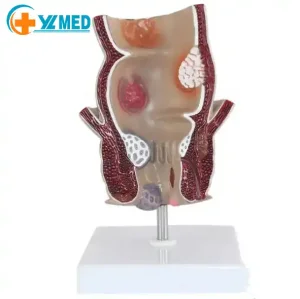
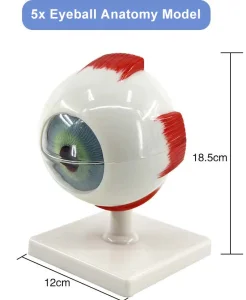
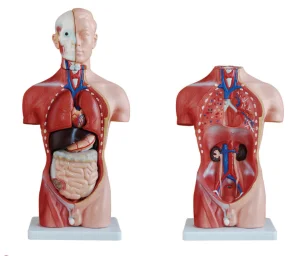
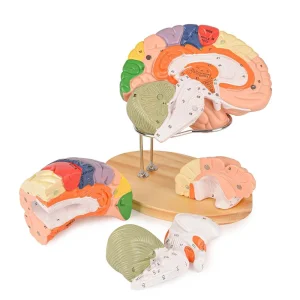
Torso, organ, heart, brain and muscle models with numbered structures for lectures and patient education.
View range → 02Biology Prepared Slides and Accessories
Histology, botany and zoology prepared slides plus storage and microscope accessories for biology labs.
View range → 03Dental Tools and Equipment
Dental teaching models, clinic lights, LED whitening units and endodontic instruments for training and practice.
View range → 04General Teaching Models
Science demonstration models for primary schools, secondary schools and education equipment tenders.
View range → 05Hospital Furniture and Equipments
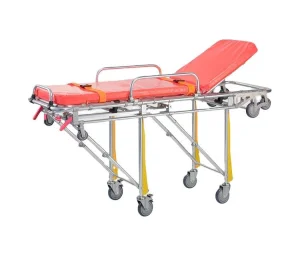
Stainless steel examination couches, stretchers, walkers and shower chairs built for daily clinical use.
View range → 06Hospital Machine and Tools
Diagnosis and treatment devices and practical tools for wards, clinics and emergency departments.
View range → 07Medical Apparatus and Instruments
Emergency splints, extrication devices, cervical traction and rehabilitation instruments.
View range → 08Medical Nursing Model
Adult, child and neonatal CPR manikins, ACLS simulators and AED trainers for skills assessment.
View range → 09Skeleton Models
Life-size and desktop skeletons, skulls, spines and joint models for osteology teaching.
View range → 10Suture Pads and Kits
Realistic skin suture pads and complete instrument kits for surgical and wound-closure practice.
View range →Why Distributors and Institutions Partner with Yulin Medical
Four strengths overseas buyers consistently cite when they move long-term orders to our factory.
24/7 Responsive Service
Our team is online 24 hours a day, 7 days a week. Whatever your time zone, you receive a detailed answer as quickly as possible — typically within 24 hours.
Design & Packaging Team
In-house specialists deliver professional product design and private-label packaging that strengthens your brand and increases the added value of every unit you sell.
Professional Expertise
Our vision is to provide the most professional educational and medical training products from mainland China, built under ISO 9001 process control and decades of category knowledge.
60+ Years of Supply Stability
A factory with over 60 years of history and a deeply integrated partner supply chain lets us meet one-stop demands and keep lead times predictable on repeat orders.
A Transparent 5-Step Process for Overseas Buyers
From first conversation to delivery, every stage has a named contact and clear documentation, so you can plan stock, tenders and training schedules with confidence.
Share Requirements
Send product types, quantities, target market and any tender or certification needs.
Catalog & Proposal
Receive matched models, specifications, packaging options and shipping suggestions.
Sample Evaluation
Test samples with your instructors or clinicians before confirming bulk production.
Production & QC
Manufacturing and inspection follow our ISO 9001 quality management system.
Export & Support
Protective export packing, delivery coordination and responsive after-sales service.
Featured CPR, Emergency & Rehabilitation Equipment
Best-selling simulation manikins, first-aid devices and mobility aids requested by training centres, ambulance services and healthcare distributors.












News & Practical Insights from Our Specialists
Exhibition updates and hands-on guidance written by the team that designs and builds our products.

Do You Really Know How to Observe Biological Prepared Slides?
Many plant and animal cell structures can only be studied under a microscope, which makes prepared biological slides essential in every biology lab. Yet many users never get the full value from them. Our specialists explain how to handle, focus and store slides correctly so students see clearer detail and your slide sets last for years.

The 5th Henan Provincial Educational Equipment Expo Concludes Successfully
Themed “Digital Leading Innovation and Development”, the expo reached a record 50,000 m² with 600+ brands and 10,000+ products on display, showcasing the latest educational equipment.

Inside Our Product Showroom
A look at the medical teaching models and training equipment buyers can inspect in person when visiting our Xinxiang facility.
Read more buyer guides
Sourcing tips, product comparisons and industry news
Frequently Asked Questions from Importers
Straight answers to the questions procurement managers ask most before placing a first order.
Is Yulin Medical a manufacturer or a trading company?
What quality certification do you hold?
Do you support OEM, private label and custom packaging?
How do I choose the right CPR training manikin?
How quickly will I receive a reply?
What should I verify before buying a portable autoclave from China?
What is the difference between Class B and Class N portable autoclaves?
Can you support mixed-category orders with sterilization equipment?
Need Specifications, a Price List or a Tender Package? We Reply Within 24 Hours.
Tell us your target market, quantities and certification requirements. Our product specialists will recommend suitable models, share detailed specifications and propose the most economical shipping plan for your order.
More Factory-Direct Medical, Diagnostic and Hospital Products
The second product set completes the published catalogue references. Each product URL, image and original title is retained for procurement teams and search users.