
Clinical Training, Hospital & Diagnostic Support Products from Yulin Medical
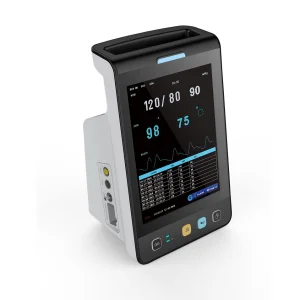
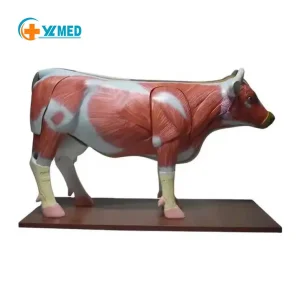
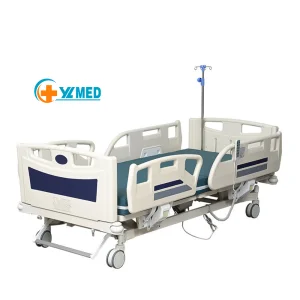
These factory-direct products support mixed medical procurement, simulation labs and hospital projects. Product pages and images are retained for buyers comparing adjacent equipment within one supplier ecosystem.
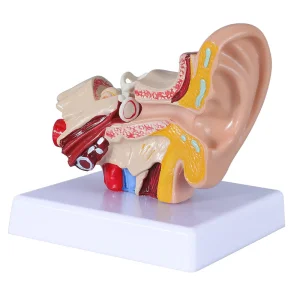
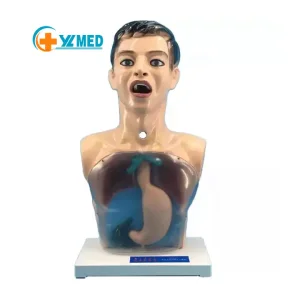
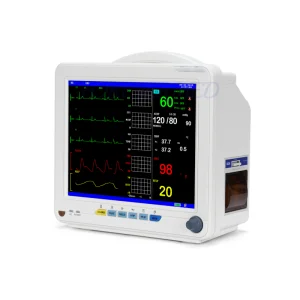
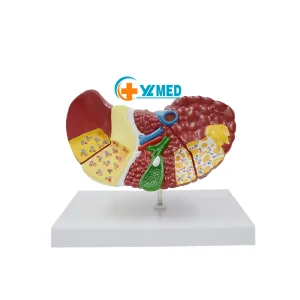
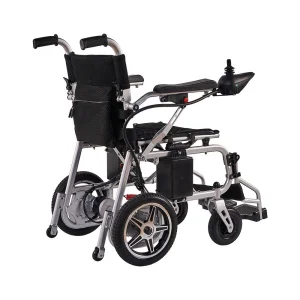
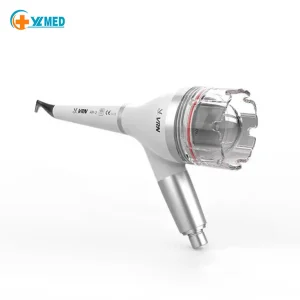
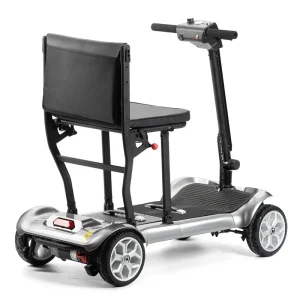
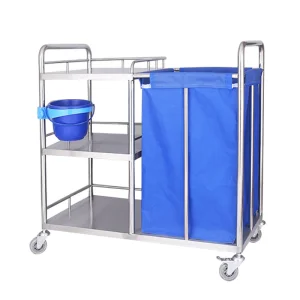
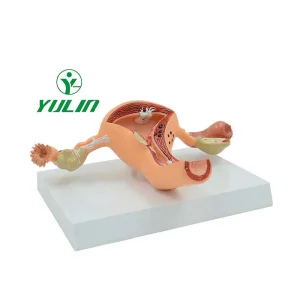
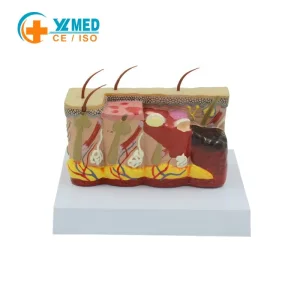
Procurement note: The products above are part of Yulin Medical's medical teaching, hospital furniture and clinical support range. An obstetrics and gynecology ultrasound system is a regulated medical device; buyers should always request product-specific registration, manufacturer authorization and clinical validation before tender submission.
Why the Search for China OB/GYN Ultrasound Factories Is Really a Search for Supply-Chain Confidence
Buyers use the phrase “China Obstetrics And Gynecology Ultrasound Factories & Pricelist” for three practical jobs: benchmark a realistic project budget, identify a manufacturing partner with credible engineering depth, and compare configurations that fit local maternal-care pathways. A mature sourcing decision connects all three.
Price Bands, Not Single Prices
A credible OB/GYN ultrasound pricelist separates portable black-and-white systems, color Doppler platforms, premium 4D/5D carts, transvaginal probes, service contracts and software options. The lowest FOB number is rarely the lowest total cost.
Verification Beats Discovery
Online directories reveal capacity claims. Due diligence must verify legal entity, ISO 13485 scope, NMPA production status, CE/FDA claims, probe quality, software release control and service capability.
Localization Is a Profit Driver
Language, voltage stability, probe mix, image presets, report templates and after-sales response shape clinical adoption. A well-localized mid-range system often outperforms an under-supported premium unit.
For international distributors, the commercial opportunity is clear: maternal health investment continues to expand, while hospitals and clinics demand portable, durable and serviceable ultrasound systems rather than one-size-fits-all equipment. For hospitals, the risk is equally clear: an ultrasound platform that is poorly matched to clinical workflow, or supplied without traceable regulatory and after-sales documentation, can create expensive downtime. The best China factory relationships are therefore built on transparent BOM choices, documented quality systems and a realistic total-cost model.
Yulin Medical brings a manufacturer's perspective to this discussion. Founded in 1958 and based in Xinxiang, Henan, Henan Yulin Edu. Project Co., Ltd. operates an ISO 9001 certified quality system, supplies ten medical education and hospital equipment product lines, and supports distributors, universities, nursing colleges and hospitals worldwide. Its adjacent product range is relevant to mixed tenders where ultrasound devices must sit alongside training models, hospital furniture, monitors and clinical consumables. For ultrasound-specific procurement, the same due-diligence logic applies: verify the exact manufacturing scope before you compare price.
The Global OB/GYN Ultrasound Market: Demand Is Broad, Supply Is Fragmented
OB/GYN ultrasound has moved from a specialist hospital tool to a core diagnostic and screening capability across primary care, emergency departments, fertility clinics and mobile outreach programs. That shift has changed what buyers ask a factory to deliver.
Demand drivers are structural, not cyclical
Antenatal screening, fetal growth monitoring, gynecologic diagnosis, fertility tracking, emergency triage and point-of-care imaging all create recurring demand. In emerging markets, the priority is access, durability and training. In developed markets, the priority is workflow integration, image consistency, cybersecurity and reimbursement-ready documentation.
- Growing maternal-health programs and prenatal screening coverage
- Fertility and women's health service expansion
- Point-of-care ultrasound adoption in emergency and primary care
- Replacement cycles for first-generation digital platforms
China's ecosystem covers the full stack
Chinese ultrasound suppliers operate across probe design, digital beamforming, image processing, software interfaces, cart mechanical design, regulatory affairs and export logistics. Some are full-system OEMs; others specialize in transducers, boards, enclosures or private-label assembly. This layered ecosystem explains both competitive pricing and the variation in quality.
Premium segment
High-end 4D/5D cart systems compete on image quality, volume rendering, automation and clinical packages. These buyers need strong service networks and software upgrade discipline.
Mid-range segment
Color Doppler portable and trolley systems serve the largest volume of hospital and distributor demand. Differentiation comes from probe quality, workflow speed and local training.
Access segment
Compact black-and-white and handheld systems expand screening access. Factory efficiency here depends on stable design, low failure rates and affordable spare parts.
Where Chinese Ultrasound Factories Create Real Efficiency Advantages
Efficiency is not just labor cost. It is the ability to move from specification to validated sample, from sample to regulated production, and from production to predictable export delivery without losing documentation quality.
Cluster-based component access
Probe crystals, piezoelectric materials, connectors, cables, PCBs, displays, power supplies and precision housings are available within mature industrial clusters. This shortens procurement cycles and supports rapid engineering changes.
Fast NPI and prototyping
Factories accustomed to OEM projects can build functional prototypes, test image presets and refine ergonomics quickly. The advantage is highest when the buyer brings a clear clinical use case rather than a generic request.
Flexible MOQ for distributors
Many factories support mixed probe sets, language packages and packaging variations. Serious suppliers will document which options are standard, which require tooling, and which change the regulatory scope.
Cost engineering by configuration
A factory can tune the BOM for target markets: display grade, battery capacity, probe count, DICOM, report templates, cart quality and warranty terms. Transparent option pricing is more valuable than a single headline quote.
Integrated production and test
Competitive factories combine assembly, burn-in, image phantom testing, safety checks and export packing. Ask for test records by serial number, not just a generic certificate.
Export documentation capability
Experienced teams understand commercial invoices, packing lists, certificates of origin, shipping marks, warranty statements and distributor training kits. Documentation quality is a leading indicator of delivery quality.
Important distinction: ISO 9001 demonstrates a general quality management system, but ultrasound devices usually require medical-device-specific evidence such as ISO 13485, NMPA production licensing, CE technical documentation, and FDA clearance where applicable. Buyers should match the certificate scope to the exact product and market, not simply accept a logo on a website.
How to Read a China OB/GYN Ultrasound Pricelist Without Comparing Apples to Oranges
A useful pricelist is an engineering and commercial document. It should show what is included, what is optional, what is regulated and what changes the total cost of ownership. The following indicative bands are for early-stage budget planning only and are not a quotation from any named factory.
| System category | Typical configuration | Indicative FOB planning band | Main cost drivers |
|---|---|---|---|
| Portable black-and-white | 10–12 inch display, convex probe, basic OB/GYN presets, battery | US$2,500–7,500 | Probe quality, image processing, battery life, software localization |
| Portable color Doppler | 12–15 inch touch display, color/PW, 2–3 probes, DICOM option | US$7,000–18,000 | Beamformer channels, transducer count, report software, warranty |
| Trolley color Doppler | 15–17 inch cart system, 3–5 probes, OB/GYN package, export packing | US$15,000–35,000 | Probe arrays, cart quality, 4D readiness, service parts, EMC testing |
| Premium 4D/5D OB/GYN | High-end platform, volume imaging, advanced measurement tools | US$30,000–80,000+ | Premium probes, software licenses, clinical validation, service network |
| OEM/private-label program | Branded housing, language pack, packaging, manual, MOQ-based production | +5%–15% vs base system | Tooling, regulatory labeling, documentation, MOQ, customization risk |
| Probes & accessories | Convex, linear, transvaginal, micro-convex, biplane options | US$500–4,000 per probe | Crystal material, waterproofing, connector, compatibility, test data |
Total landed cost formula
Landed cost = FOB system + extra probes + software options + freight and insurance + import duty/VAT + local registration + installation and training + warranty reserve + spare-parts strategy. A quote that omits probes or service can look 20% cheaper while costing more over three years.
Pricelist questions to ask
- Which probes are included, and what is the replacement price?
- Is DICOM, report editing and measurement software included?
- What warranty period and response-time commitment apply?
- Are spare parts and service manuals available for five years?
- Which regulatory documents are supplied for my market?
Local Clinical Scenarios Determine Which OB/GYN Ultrasound Configuration Wins
The same device can be excellent in one setting and frustrating in another. Localization is therefore a clinical and commercial requirement, not a cosmetic translation task.
Primary maternal care
Clinics need quick boot, simple measurement packages, convex and transvaginal probes, stable power protection and local-language training. Durability and probe repair cost matter more than premium rendering.
Labor & delivery
Hospital labor wards prioritise fast image access, trolley mobility, DICOM connectivity, sterile probe covers and reliable service. Battery runtime and boot speed can affect emergency workflow.
Gynecology & fertility
Transvaginal probe ergonomics, high-frequency resolution, follicle tracking, report templates and patient-data privacy shape daily use. Workflow speed is a major satisfaction factor.
Mobile outreach
Portable systems, wireless probes, cloud reporting and low-bandwidth synchronization enable screening camps and rural outreach. Rugged cases, training videos and remote support are essential.
Regional localization checklist
- Language pack, measurement labels and printable report templates
- Voltage regulation, battery behavior and surge protection
- Humidity, dust, transport vibration and storage conditions
- Probe mix for local OB/GYN practice and sterilization routines
- Local clinical training, distributor service certification and spare-parts stocking
Clinical adoption is not automatic
Distributors often lose margin after installation because users do not know how to use advanced functions. A factory that provides train-the-trainer materials, quick reference cards, image protocols and service guides protects your resale value. Localization should be written into the purchase agreement, not promised verbally.
Six Trends Reshaping OB/GYN Ultrasound Manufacturing Through 2030
Buyers should build tender specifications that remain useful for the next replacement cycle. The most important developments combine imaging performance with software, service and data governance.
AI-assisted measurement
Automated fetal biometry, follicle counting and image-quality prompts reduce operator variability. Buyers should ask whether AI features are included, licensed separately or dependent on cloud services.
Portable and wireless probes
Handheld and wireless systems expand access in triage and outreach. The trade-off is image depth, probe durability and dependence on mobile devices and secure connectivity.
4D/5D volume imaging
Premium maternal-care services continue to adopt volume rendering and advanced visualization. The buying decision should be based on referral demand and clinician skill, not brochure specifications alone.
Tele-ultrasound workflows
Remote review, second-opinion reporting and cloud archiving create new value for hospital groups. Data residency, encryption and DICOM integration must be contractually defined.
Software lifecycle discipline
Ultrasound systems increasingly resemble connected devices. Buyers need firmware update policies, vulnerability response, backup procedures and end-of-support commitments.
Service-as-a-subscription
Manufacturers and distributors are packaging training, remote diagnostics, probe replacement and software updates into annual agreements. This can improve uptime but must be priced transparently.
What Overseas Buyers Actually Require from a China Ultrasound Factory
Procurement teams rarely buy a device in isolation. They buy a package of performance, documentation, training and risk transfer. The strongest factory is the one that can support all four.
Tender-ready documentation
Technical specifications, compliance statements, ISO 13485, registration certificates, test reports, warranty terms, packing data and user manuals in the required language.
Distributor economics
Protected pricing, demo units, probe options, local marketing materials, training certification and a spare-parts plan. Distributors need repeatable margins, not one-off discounts.
Hospital integration
DICOM, PACS worklist, report templates, network security and biomedical acceptance testing. A system that cannot connect to hospital IT creates hidden costs.
Outreach durability
NGOs and public-health programs need rugged transport cases, stable battery performance, simple operation and remote support where travel is expensive.
Factory audit checklist
- Legal entity name and factory address match the contract
- ISO 13485 scope covers OB/GYN ultrasound systems and probes
- NMPA production licence and product registration are current
- CE/FDA claims are supported by product-specific certificates
- Image phantom tests are performed and traceable by serial number
- Software version control, cybersecurity and update process are documented
- Probe repair and replacement capability is demonstrated
- After-sales response time and spare-parts list are written into the agreement
Seven red flags in a quotation
- One price without probe details or warranty terms
- Certificates that cannot be linked to the quoted model
- No serial-number traceability for testing
- “Free” software that is actually a short trial
- No local service partner or spare-parts commitment
- Lead time promises that ignore regulatory lead time
- Pressure to pay in full before factory acceptance evidence
Inside Yulin Medical: Six Decades of Medical Equipment Manufacturing Discipline
Trust in medical-device sourcing is built from verifiable process capability. Yulin Medical's history provides a useful reference point for buyers consolidating educational, hospital and training equipment purchases.

Henan Yulin Edu. Project Co., Ltd. — since 1958
Based at No. 8, Daoqing Road, Industry Park, Hongqi District, Xinxiang, Henan, China, Yulin Medical integrates research, production and sales of medical teaching models and hospital equipment. The company has been ISO 9001 certified since 2008, employs more than 200 professional staff and holds registered capital of RMB 120 million. Its product portfolio covers ten categories, from anatomy and skeleton models to CPR manikins, hospital furniture and diagnostic support equipment.
- Private-label packaging and design support for distributors
- Mixed-category consolidation for one-shipment procurement
- Export coordination and 24-hour response commitment
- Long-term supply stability backed by 60+ years of manufacturing experience
One Manufacturer for Adjacent Medical Education, Hospital & Training Equipment
For tenders that combine OB/GYN ultrasound procurement with clinical training, hospital furniture or teaching equipment, consolidating reliable categories with a single ISO 9001 manufacturer can reduce supplier management load.
A Transparent Five-Step Path from RFQ to Delivery
The best sourcing outcomes begin with a precise brief. Share the clinical setting, local regulatory pathway, expected annual volume and probe requirements before asking for a final price.
Share requirements
Clinical use, target market, probe mix, quantity, certification and tender documents.
Technical matching
Compare configurations, image packages, accessories and service terms against the clinical brief.
Sample & evidence review
Evaluate image quality, probe testing, manuals and registration evidence before bulk commitment.
Production & QC
Confirm serial-number testing, packaging, labeling and pre-shipment inspection records.
Export & support
Coordinate shipping documents, installation planning, training and after-sales spare parts.
Frequently Asked Questions About China OB/GYN Ultrasound Factories & Pricelists
These answers are written for procurement managers, distributors and tender teams comparing Chinese manufacturing options. They also clarify how Yulin Medical's current product scope fits into a mixed sourcing project.
What should a China OB/GYN ultrasound pricelist include?
Are Chinese OB/GYN ultrasound factories reliable?
How can I estimate the total landed cost?
Is ISO 9001 enough for an ultrasound factory?
What MOQ and lead times are typical?
How do probes affect the price and clinical result?
Can I order private-label or OEM OB/GYN ultrasound systems?
What localization features matter most for distributors?
How should I verify software and cybersecurity?
Does Yulin Medical supply OB/GYN ultrasound systems?
How do I request a quotation or catalog?
Need a Pricelist, Tender Package or Mixed Medical Equipment Quotation?
Tell us your target market, quantity, clinical application, certification requirements and delivery plan. Yulin Medical can advise on adjacent medical teaching models, hospital furniture, monitors and training equipment, and will confirm the exact product scope for any OB/GYN ultrasound request before quotation.
Direct channels
Address: No. 8, Daoqing Road, Industry Park, Hongqi District, Xinxiang, Henan, China
More Factory Products for Medical Teaching, Hospital & Clinical Procurement
The remaining eight product links from the original medical equipment series are retained below with full image display, original URLs and button-style product access.
For additional resources, buyers can also review Hot Blog, Top Search Keywords, Global Service, Contact Us and the Sitemap. Product availability, regulatory status and price must be reconfirmed at quotation stage.