China Mini CPR Manikin Manufacturers & Pricelist
A procurement-grade guide to compact CPR training manikins, OEM programs, pricing logic, compliance documentation, technical roadmaps and supply-chain resilience from Henan Yulin Edu. Project Co., Ltd.
✦8 Product References Available for Quotation
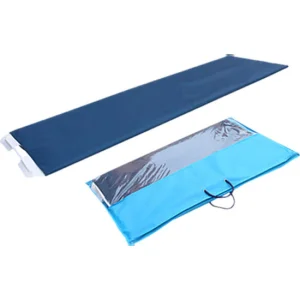
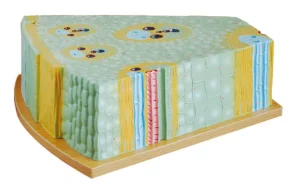
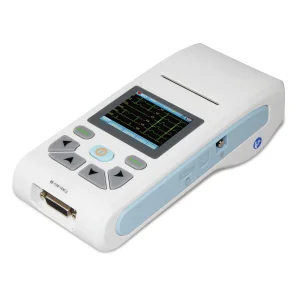
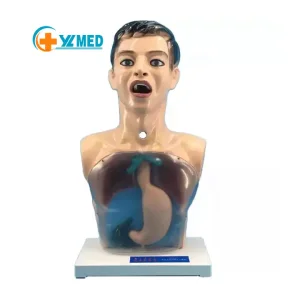
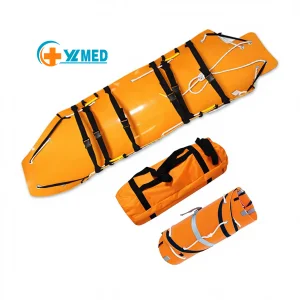
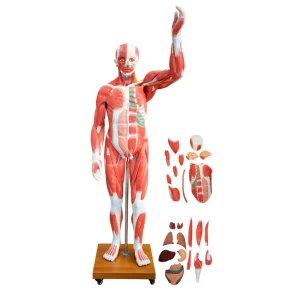
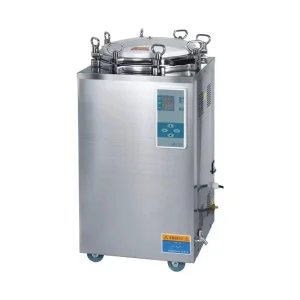
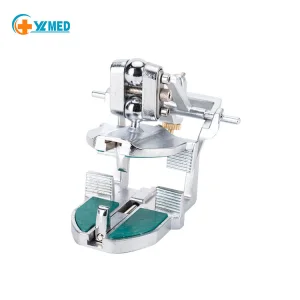
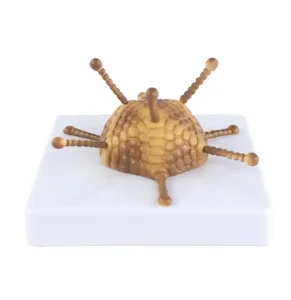
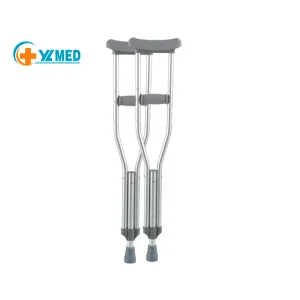
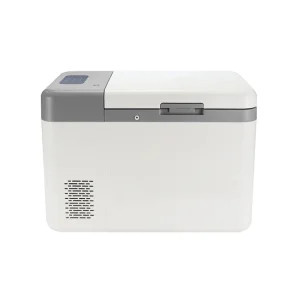
These product references preserve the original product URLs and images supplied for this page. They show the wider medical education and hospital equipment range that buyers can consolidate with mini CPR manikin orders.
◆Factory-Direct Mini CPR Manikins from a Six-Decade Manufacturer
Henan Yulin Edu. Project Co., Ltd. (Yulin Medical) has built educational and medical training equipment in Xinxiang, China, for more than six decades. Our quality management system has been ISO 9001 certified since 2008, and our motto is simple: quality first, service first. Every order is produced and inspected so that distributors, medical universities, nursing colleges and hospitals receive consistent, well-documented products on every batch.
The mini CPR manikin category is not a commodity “torso only” purchase. Procurement teams increasingly compare chest compliance, feedback electronics, airway hygiene, disposable consumables, language customization, tender documentation and total cost of ownership. This guide is written to help global distributors and institutional buyers ask better questions before they compare China Mini CPR Manikin Manufacturers & Pricelist quotations side by side.
- Factory-direct supply across 10 product lines, from anatomy models to hospital furniture
- Private-label packaging and product design that raises your resale value
- Mixed-category orders consolidated into one shipment with one point of contact
- Export communication, inspection coordination and after-sales support for repeat orders
Procurement snapshot
+What Is a Mini CPR Manikin and Why Does Configuration Matter?
In practice, a mini CPR manikin is a compact training torso designed for high-throughput practice in classrooms, community programmes, hospital induction sessions and first-aid certification courses. A good mini unit is not simply a scaled-down full-body manikin. It is an engineered training instrument: chest compliance must feel repeatable, the airway must accept disposable lungs, the feedback module must remain stable across hundreds of compressions, and the face skin must be easy to replace.
Adult, Child and Infant Modularity
Buyers should confirm whether the platform supports adult-only training or can be converted for child and infant modules. Convertible designs save storage space but need clear part-number control and instructor training.
Compression Feedback Discipline
Depth, rate and recoil feedback should be repeatable. A classroom model may only need a clicker, while certification centres usually require visual or electronic feedback with stable calibration.
Ventilation and Airway Control
Disposable lungs, one-way valves and realistic chest rise are hygiene-critical. Ask how quickly the airway can be changed between students and whether consumables are available locally.
AED and Scenario Integration
Many training buyers now ask for AED trainer compatibility. The manikin should support realistic pad placement, scenario pauses and instructor debrief without interfering with compression mechanics.
Hygiene and Consumable Strategy
Face skins, lungs, valves and anti-microbial wipes drive long-term cost. A lower unit price can be misleading if consumables are expensive, slow to source or incompatible with local supply budgets.
Classroom Economics
For mass training, manikins must survive transport, frequent cleaning and rough handling. Compact storage, stackability, repair kits and a clear spare-parts list often matter more than minor cosmetic differences.
Information gain for buyers: request a 20-minute durability demonstration video, not only a studio photo. A professional supplier should be able to show the airway change, feedback reset, face-skin replacement and packing method in real conditions.
₭China Mini CPR Manikin Pricelist: Planning Ranges and Cost Drivers
Pricing for China mini CPR manikins is configuration-led. A public “pricelist” is useful for budget planning, but professional procurement should ask for a quotation matrix covering model, feedback, airway consumables, packaging, labeling, documentation and Incoterms. The ranges below are indicative ex-works planning ranges for commercial discussion, not a binding offer.
Basic Adult Mini CPR Torso
- MOQ: 50–100 units
- Clicker or basic feedback
- Disposable lung system
- Best for community drills and schools
Feedback-Enabled Adult Mini CPR
- MOQ: 30–50 units
- Depth, rate and ventilation feedback
- Replaceable face skin
- Best for first-aid certification
Child and Infant Convertible Mini CPR
- MOQ: 20–50 units
- Pediatric compression characteristics
- Scenario and AED trainer option
- Best for pediatric and neonatal training
Private-Label Mini CPR Kit
- MOQ: 100+ units
- Custom color, logo and packaging
- Language manual and spare-part plan
- Best for distributors and tender projects
Six cost drivers that change the quotation
Tooling and Mould Investment
Custom face shapes, torso shells or branded carrying cases may require new tooling. The amortization basis should be stated clearly in the quotation.
Feedback Electronics
Mechanical clickers, LED indicators, digital displays and app-connected sensors sit at very different price points and require different quality-control steps.
Airway and Consumables
Disposable lungs, valves, face skins and cleaning supplies affect the annual operating budget. Ask for a one-year consumable forecast.
Packaging and Private Label
Export cartons, inner boxes, multilingual manuals, barcodes and pallet configuration can materially change unit cost for distributors.
Documentation and Compliance Support
ISO 9001 records, material declarations, test reports and tender packs require administrative work. Specify the exact documents your tender requires.
Freight, Incoterms and Consolidation
EXW, FOB, CIF and DDP quotations shift risk and cost. Mixed-category consolidation can reduce shipping spend but needs professional packing control.
⌁Mini CPR Manikin Technical Roadmap and Future Outlook
Buyers who plan multi-year training programmes should look beyond the current catalogue. A responsible manufacturer should have a technology roadmap covering feedback electronics, consumables, connectivity, material sustainability and service lifecycle. The roadmap below reflects the direction of professional CPR training equipment and the questions Yulin Medical expects global buyers to ask.
Modular Electronics and QR Service
Replaceable feedback modules, QR-linked manuals and cleaner spare-part identification make maintenance easier for distributors.
App-Connected Scoring
Bluetooth or NFC pairing can support multilingual scoring, class rosters and instructor dashboards without changing the core torso.
AI-Assisted Compression Analytics
Pattern analysis can help instructors identify recoil, rate and depth issues across a class, while preserving instructor judgement.
Low-Carbon Materials and Circular Spares
Recyclable shells, recycled packaging and modular spare parts support ESG procurement and reduce long-term waste.
Mixed-Reality Team Simulation
Hybrid training can combine physical compression mechanics with digital scenario prompts and remote skills verification.
▣Macro Industry Solutions for Mini CPR Training
Different buyer groups have different evidence requirements. A school district may prioritize classroom durability and hygiene, while a hospital simulation centre may require detailed scenario control and documentation for accreditation. The right mini CPR manikin programme is therefore a solution, not a single product.
Medical Schools and Nursing Colleges
Standardized feedback, numbered manikins and class-size packaging help instructors assess large cohorts consistently. Documentation should support internal quality reviews.
Hospitals and Simulation Laboratories
Hospitals often need adult, child and infant configurations plus AED trainer integration. Spare parts and fast replenishment are critical for scheduled courses.
EMS, Fire and Rescue Services
Field-oriented training benefits from rugged storage, realistic bag-valve-mask practice and compact manikins that can be transported to remote sites.
Corporate First-Aid Programmes
Factories, hotels, airports and offices need repeatable basic life-support training with hygienic consumables and simple instructor operation.
Schools and Community Training
Education departments and NGOs often budget by cost per learner. Basic torso models with easy cleaning and low consumable cost are usually the best fit.
Government and Mass Training
Public programmes require tender documentation, predictable lead times and packaging that protects high-volume shipments over long distances.
▦Complete Sourcing for Medical Education and Clinical Use
Ten specialised product lines let procurement teams source simulation, laboratory and hospital equipment from one accountable manufacturer instead of managing multiple suppliers.
Anatomy Models
Torso, organ, heart, brain and muscle models with numbered structures for lectures and patient education.
View range 02Biology Prepared Slides and Accessories
Histology, botany and zoology prepared slides plus storage and microscope accessories for biology labs.
View range 03Dental Tools and Equipment
Dental teaching models, clinic lights, LED whitening units and endodontic instruments for training and practice.
View range 04General Teaching Models
Science demonstration models for primary schools, secondary schools and education equipment tenders.
View range 05Hospital Furniture and Equipments
Stainless steel examination couches, stretchers, walkers and shower chairs built for daily clinical use.
View range 06Hospital Machine and Tools
Diagnosis and treatment devices and practical tools for wards, clinics and emergency departments.
View range 07Medical Apparatus and Instruments
Emergency splints, extrication devices, cervical traction and rehabilitation instruments.
View range 08Medical Nursing Model
Adult, child and neonatal CPR manikins, ACLS simulators and AED trainers for skills assessment.
View range 09Skeleton Models
Life-size and desktop skeletons, skulls, spines and joint models for osteology teaching.
View range 10Suture Pads and Kits
Realistic skin suture pads and complete instrument kits for surgical and wound-closure practice.
View range✓Localised Support and Compliance Assurance for Global Buyers
Compliance is a chain of evidence, not a logo on a catalogue. A professional China mini CPR manikin manufacturer should help you assemble the documents your tender, customs broker, distributor and training department actually need. At the same time, the importer must verify how the product is classified in the destination market.
Standards Mapping
Training content and manikin feedback can be developed to support alignment with widely used resuscitation guidance, including AHA, ERC and ILCOR references. Final claims must match the exact product version and supporting documents.
Documentation Pack
Available documentation may include ISO 9001 records, material declarations, inspection reports, packing lists and product-specific test documents where applicable. Tell us your tender checklist early.
Language and Market Localisation
Manual language, packaging text, warning labels, power requirements for electronic trainers and barcode formats should be agreed before mass production.
Spare Parts and After-Sales
Face skins, lungs, valves, feedback modules and repair tools should have clear part numbers. Distributors should plan a local maintenance kit for high-volume training seasons.
⚙China Factory 4.0: Supply-Chain Resilience and Efficiency Advantages
The next competitive edge in Chinese manufacturing is not only labour cost. It is the ability to coordinate tooling, mould changes, electronics, packaging, inspection and export logistics with predictable lead times. For mini CPR manikins, supply-chain resilience matters because a training season cannot wait for a missing valve or a delayed feedback module.
Tooling and Mould Control
Clear coordination of mould ownership, revision control and sampling reduces surprise delays when a distributor requests a new face shape, logo plate or carrying case.
Digital Production Planning
Batch planning links forecast, material readiness, assembly slots and final inspection. This is especially valuable for mixed orders that combine manikins, anatomy models and hospital equipment.
Modular Assembly Cells
Separating torso assembly, airway assembly, electronics and packing improves quality feedback and allows small customization runs without disrupting the whole line.
Multi-Gate Quality Control
Incoming material checks, in-process inspection, functional testing and final packaging review create a documented path from component to export carton.
Henan Industrial Cluster
Xinxiang and the broader Henan manufacturing base provide access to moulding, packaging, metal parts, textiles and logistics services within a practical supplier radius.
Export Consolidation and Traceability
Carton marks, barcode labels, pallet plans and consolidated shipments help distributors receive one clean order instead of chasing multiple suppliers.
◎Global Enterprise Procurement Needs for Mini CPR Manikins
Large distributors and institutional buyers are not only buying product. They are buying risk control, documentation, delivery reliability and a supplier relationship that survives audits, tender cycles and repeat training seasons.
RFQ Specification
Define learner group, quantity, feedback type, language, packaging, consumables, Incoterms and required documents in the first enquiry to avoid quotation drift.
Sample and Validation
Test compression feel, airway change time, cleaning procedure, feedback reset and carton protection. Record the approved sample standard before bulk production.
Tender and Import Documentation
Provide the required certificates, declarations, packing details and product descriptions early. Keep document versions aligned with the exact model being supplied.
Scale and Consolidation
For multi-category orders, confirm whether mini CPR manikins can ship with anatomy models, furniture or emergency equipment to reduce freight complexity.
◇How to Choose the Right Mini CPR Manikin Supplier
Use a structured decision framework instead of comparing only unit prices. The following four filters usually separate a low-cost transaction from a training programme that can be sustained for years.
1. Match the Learner Group
Adult-only community courses, pediatric nursing programmes and advanced life-support centres need different torso options, feedback levels and scenario control.
2. Verify Feedback Discipline
Ask how compression depth, rate, recoil and ventilation are measured or indicated. Request a demonstration with repeat resets and a realistic class-size sequence.
3. Calculate Consumable Cost
Compare lungs, valves, face skins, cleaning supplies and shipping frequency. A slightly higher manikin price may offer a lower three-year cost per learner.
4. Confirm Lifecycle Support
Check spare-part availability, manual updates, packaging durability and response time. If your programme has tenders, ask for a document template pack.
Total cost of ownership formula: landed unit price + consumables per learner + replacement parts + storage + instructor time + documentation cost + downtime risk. This is the number that belongs in a serious procurement comparison.
▤A Six-Decade Manufacturer Trusted by Educators and Clinicians
Founded in 1958, Henan Yulin Edu. Project Co., Ltd. has grown into a well-known educational and medical equipment supplier that integrates scientific research, production and sales. With registered capital of RMB 120 million and more than 200 professional employees, we manage product development, manufacturing, inspection and export from our base at No. 8 Daoqing Road, Hongqi District, Xinxiang.
Our goal is to fully satisfy every customer through dependable quality and attentive service, while continuously developing the skills of our team so that each project is handled by experienced people. Our quality management system has been ISO 9001 certified since 2008, and we maintain a practical focus on factory-direct communication, private-label programs and mixed-category consolidation.

Headquarters & factory, Xinxiang

Production workshop

Bulk orders ready for export
✦Why Distributors and Institutions Partner with Yulin Medical
Four strengths overseas buyers consistently cite when they move long-term orders to our factory.
24/7 Responsive Service
Our team is online 24 hours a day, 7 days a week. Whatever your time zone, you receive a detailed answer as quickly as possible — typically within 24 hours.
Design & Packaging Team
In-house specialists deliver professional product design and private-label packaging that strengthens your brand and increases the added value of every unit you sell.
Professional Expertise
Our vision is to provide the most professional educational and medical training products from mainland China, built under ISO 9001 process control and decades of category knowledge.
60+ Years of Supply Stability
A factory with over 60 years of history and a deeply integrated partner supply chain lets us meet one-stop demands and keep lead times predictable on repeat orders.
↗A Transparent 5-Step Process for Overseas Buyers
From first conversation to delivery, every stage has a named contact and clear documentation, so you can plan stock, tenders and training schedules with confidence.
Share Requirements
Send product types, quantities, target market and any tender or certification needs.
Catalog & Proposal
Receive matched models, specifications, packaging options and shipping suggestions.
Sample Evaluation
Test samples with your instructors or clinicians before confirming bulk production.
Production & QC
Manufacturing and inspection follow our ISO 9001 quality management system.
Export & Support
Protective export packing, delivery coordination and responsive after-sales service.
◈Featured CPR, Emergency and Rehabilitation Equipment
Best-selling simulation manikins, first-aid devices and mobility aids requested by training centres, ambulance services and healthcare distributors. The images and original product links are retained below.












◫News and Practical Insights from Our Specialists
Exhibition updates and hands-on guidance written by the team that designs and builds our products.

Do You Really Know How to Observe Biological Prepared Slides?
Many plant and animal cell structures can only be studied under a microscope, which makes prepared biological slides essential in every biology lab. Yet many users never get the full value from them. Our specialists explain how to handle, focus and store slides correctly so students see clearer detail and your slide sets last for years.

The 5th Henan Provincial Educational Equipment Expo Concludes Successfully
Themed “Digital Leading Innovation and Development”, the expo reached a record 50,000 m² with 600+ brands and 10,000+ products on display, showcasing the latest educational equipment.

Inside Our Product Showroom
A look at the medical teaching models and training equipment buyers can inspect in person when visiting our Xinxiang facility.
?Frequently Asked Questions from Importers
Straight answers to the questions procurement managers ask most before placing a first order for mini CPR manikins or mixed medical education equipment.
Is Yulin Medical a manufacturer or a trading company?
What quality certification do you hold?
Do you support OEM, private label and custom packaging?
How do I choose the right mini CPR training manikin?
What is the MOQ and typical lead time for mini CPR manikins?
Can you provide a pricelist and tender documentation?
Can mini CPR manikins be aligned with AHA, ERC or ILCOR training?
How are consumables and spare parts handled?
How do you protect product quality during export?
How quickly will I receive a reply?
✉Request a Mini CPR Manikin Pricelist and Compliance Pack
Tell us your target market, learner group, quantities, feedback requirements and certification documents. Our product specialists will recommend suitable models, share detailed specifications and propose an economical shipping plan for mixed orders.
 Yulin Medical
Direct Channels
No. 8, Daoqing Road, Industry Park, Hongqi District, Xinxiang, Henan, China
ISO 9001 certified manufacturer of medical teaching models, simulation manikins and hospital equipment since 1958.
✦8 More Product References from the Yulin Medical Range
These additional product references complete the original product set and preserve the supplied image assets and product URLs. They can be discussed together with mini CPR manikin, nursing simulation and hospital equipment requirements.