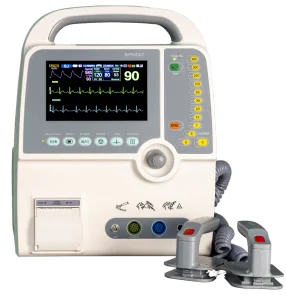
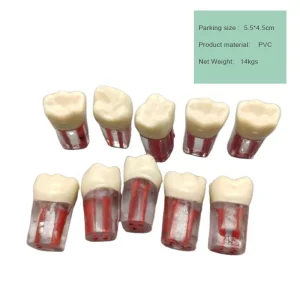
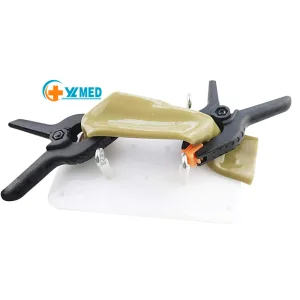
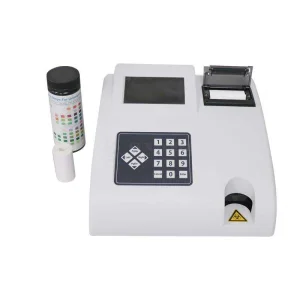
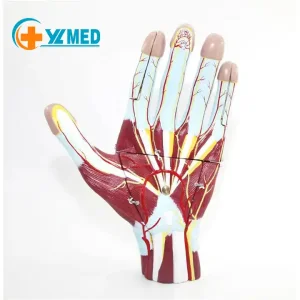
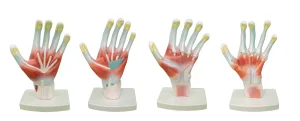
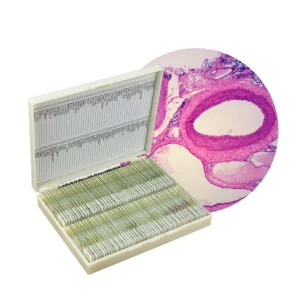
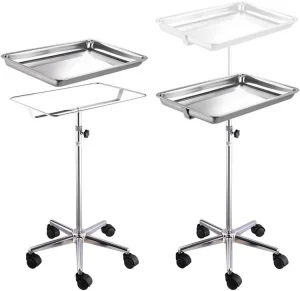
8 Factory-Direct Products for CPR, Emergency & Clinical Training
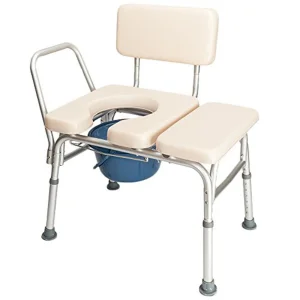
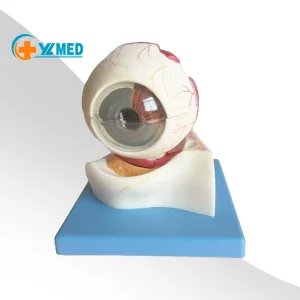
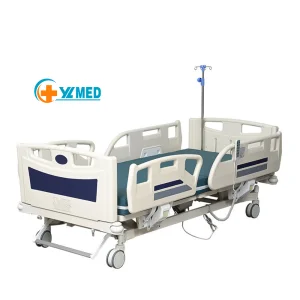
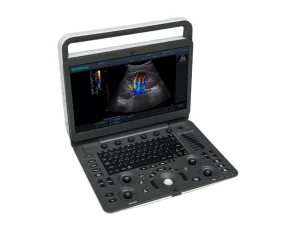
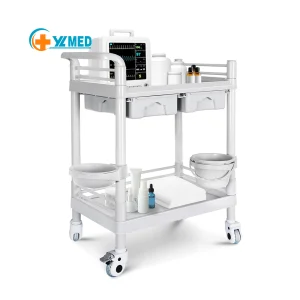
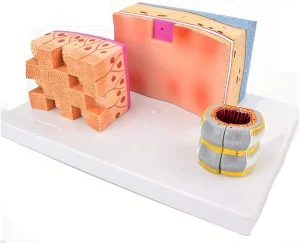
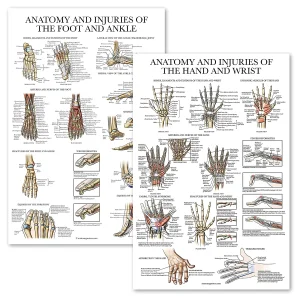
The first eight products are shown directly below the banner for fast evaluation. CPR manikin procurement rarely happens in isolation: distributors and institutions often consolidate anatomy models, emergency devices, hospital furniture and training consumables into one shipment. Every original product image and product URL from the source range is preserved. The remaining eight products appear in the bottom showcase.
Search Intent: What the Query “China Mannequins Fullbody Cpr Manufacturers & Pricelist” Really Means
This is not a single-intent keyword. It combines manufacturer discovery, technical due diligence, price benchmarking and export-service validation. A useful result must answer all four layers without turning into a thin catalogue page.
The phrase China Mannequins Fullbody Cpr Manufacturers & Pricelist is usually typed by a buyer who already understands that CPR training equipment is not a generic commodity. A distributor may be building a catalogue for nursing schools and ambulance services. A hospital may be preparing a tender for resuscitation training. A training centre may need replacement units, disposable lungs, face skins or AED trainer integration. A school may be comparing a torso-only compression trainer with a full-body manikin that supports patient positioning, airway management and team-based scenarios. The search result that wins trust is therefore not the one with the most repetitions of “CPR mannequin”; it is the one that clarifies specification differences, verification steps, pricelist drivers, compliance boundaries and local support.
In semantic search terms, the query is connected to entities such as full-body CPR training manikin, BLS/ACLS simulation, chest compression depth and rate feedback, ventilation and airway realism, AED training integration, nursing skills manikin, medical teaching model, ISO 9001 factory, OEM private label and export documentation. Buyers compare these concepts across suppliers because a low unit price can be misleading if consumables are expensive, spare parts are unavailable, feedback is not measurable or the documentation cannot support a local tender.
Henan Yulin Edu. Project Co., Ltd. — trading as Yulin Medical — is a manufacturer founded in 1958 and based in Xinxiang, Henan. The company has operated an ISO 9001 quality management system since 2008, employs more than 200 professional staff and manages a broad educational and medical equipment range that includes anatomy models, nursing simulators, hospital furniture, diagnostic devices and clinical consumables. That manufacturing history is relevant to E-E-A-T because full-body CPR manikins depend on repeatable moulding, electronics integration, airway assembly, textile and skin durability, packaging discipline and after-sales spare-part planning. A buyer should not accept those capabilities as slogans; they should ask for samples, documentation, process evidence and a clear quotation structure.
Supplier discovery intent
Is the company a factory, a trading company or a mixed model? Can it produce one category or consolidate CPR training equipment with anatomy models, hospital furniture and diagnostics?
Technical validation intent
Does the manikin measure compression depth, rate, recoil and ventilation? Is the airway replaceable? Can it accept AED trainer pads and scenario-based instruction?
Pricelist benchmarking intent
What changes the quotation: electronics, consumables, accessories, private label, order volume, testing documentation, packaging or shipping? A good pricelist must be itemised.
Local support intent
Will the supplier provide manuals, spare parts, voltage options, language customisation, tender documents and responsive after-sales support after the first shipment?
Global Demand for Full-Body CPR Manikins Is Moving from Equipment Purchase to Program Enablement
Demand is being shaped by resuscitation training mandates, hospital accreditation, school first-aid programmes, workplace safety requirements and the professionalisation of EMS and nursing education.
Across mature and emerging markets, CPR training is shifting from occasional awareness sessions to structured, repeatable competency programmes. Hospitals want documented BLS and ACLS refresher training. Medical schools and nursing colleges need simulation that supports assessment, not only demonstration. EMS services require realistic patient handling, airway positioning, AED application and team communication. Employers in factories, airports, hotels and high-rise offices are investing in first-aid readiness. Community programmes need durable units that can be cleaned, reset and transported frequently. These use cases do not all require the same manikin, but they increasingly reward suppliers who can support a complete programme with adult, child and neonatal options, consumables, accessories, instructor guides and spare parts.
China remains a major manufacturing base for medical teaching models and CPR training manikins because the country has a mature ecosystem for mould making, electronics, soft materials, textiles, packaging and export logistics. However, the market is tiered. High-volume basic compression trainers compete largely on unit cost and durability. Mid-tier feedback manikins compete on sensor accuracy, airway realism and instructor usability. Advanced full-body systems compete on scenario software, data capture, bilingual content, modular repair and integration with AED trainers or patient monitors. For buyers, the practical question is not “Which country manufactures the cheapest manikin?” but “Which factory can deliver the specification, documentation and lifecycle support that my market will accept?”
What a Full-Body CPR Manikin Must Do Before It Deserves a Place on Your Pricelist
A full-body manikin is a teaching instrument, not a display model. The specification should match the learner group, the assessment standard and the maintenance budget.
Compression feedback
The manikin should provide measurable feedback on compression depth, rate, complete recoil and hand position. For instructor-led courses, a clear display or app-based report is more useful than a flashing light alone.
Ventilation & airway realism
Chest rise, disposable lung bags, airway obstruction and suction practice all affect training value. Replaceable airway parts are essential because hygiene and wear directly influence lifecycle cost.
AED & scenario integration
If your courses include AED or ACLS training, confirm pad placement, defibrillator trainer compatibility, scenario scripting and whether the manikin supports advanced airway procedures.
Durability & hygiene
Skin material, seam construction, torso rigidity and cleaning method determine how well the manikin survives daily classes. Ask for replacement face skins, lungs, valves and chest springs.
Instructor workflow
Reset time, display readability, battery life, language settings and data export all influence class throughput. A manikin that is difficult to reset will reduce the number of practice cycles per session.
Export-ready documentation
A serious manufacturer should provide model specifications, packing lists, material declarations where available, warranty terms and product-specific documents on request for tenders and import review.
From Single Manikin to Complete Resuscitation Training Solution
The most successful sourcing projects align equipment with the buyer’s curriculum, maintenance capability and distribution model. These six solution paths cover the majority of overseas enquiries.
Hospital resuscitation teams
Adult and paediatric full-body manikins with feedback, AED integration and airway accessories support recurrent BLS/ACLS drills, competency assessment and code-team communication.
Medical schools & universities
Anatomy models, CPR manikins, prepared slides and procedure trainers can be consolidated. Mixed-category orders reduce supplier management and simplify tender documentation.
EMS & pre-hospital training
Full-body units combine with scoop stretchers, extrication devices, splints, defibrillator monitors and immobilisation equipment to create realistic field-response scenarios.
Corporate & community first aid
Durable full-body trainers support workplace first-aid programmes, AED demonstrations and community CPR events where ease of transport, cleaning and reset matter.
Distributor private label
OEM packaging, manuals, product presentation and catalogue assets help distributors localise the offer while retaining a factory partner for spare parts and repeat orders.
Government & NGO programmes
Public health campaigns often require predictable specifications, batch consistency, clear packing marks and documentation that can be reviewed before tender award.
The Global Commercial Landscape: Why Price Lists Alone Do Not Win Tenders
Full-body CPR manikins now sit inside a broader market for simulation, resuscitation and clinical skills training. Procurement teams compare total programme value, not only unit price.
International buyers are increasingly evaluating suppliers on four commercial tiers. The first is volume tier: basic trainers for large classes, where durability and replacement-part availability matter more than advanced electronics. The second is feedback tier: manikins with compression and ventilation measurement for accredited courses and competency assessment. The third is scenario tier: full-body units that support AED training, airway procedures, team communication and data review. The fourth is programme tier: combined sourcing across manikins, anatomy models, hospital furniture, diagnostic devices and consumables, with one export contact and one consolidated shipment.
China’s competitive advantage is not limited to labour cost. The country has deep experience in moulded plastic parts, soft skin materials, electronic feedback modules, packaging design and high-volume export documentation. That ecosystem allows a factory such as Yulin Medical to support diverse orders, from a single nursing college sample to a distributor’s multi-category container. But the same ecosystem also contains inconsistent suppliers, so due diligence remains essential. Buyers should ask whether the company owns production processes, how it controls incoming materials, how it tests feedback modules and how it handles spare parts after the warranty period.
For distributors, a pricelist is only useful when it is structured around market realities: MOQ by model, optional accessories, consumable pricing, private-label costs, sample policy, lead time, warranty terms and documents available for tenders. For hospitals and schools, a pricelist should make it easy to compare a basic torso trainer with a full-body feedback manikin and to understand what is included in the box. The most credible supplier will separate product cost from freight, testing, packaging, spare parts and after-sales support rather than presenting a single opaque number.
Volume tier
High-throughput classes prioritise durable skins, simple reset, low consumable cost and reliable spare-part supply.
Feedback tier
Sensor-based feedback supports objective assessment of compression depth, rate, recoil and ventilation.
Scenario tier
Full-body realism supports AED use, airway management, patient handling and instructor-led debriefing.
Programme tier
Consolidated sourcing reduces supplier risk, simplifies logistics and improves consistency across departments.
Localized Support and Compliance Assurance for Overseas Buyers
Compliance is not a single certificate. It is a chain of process control, product documentation, labelling, packaging, language and after-sales support that must fit the importing market.
Yulin Medical’s quality management system has been ISO 9001 certified since 2008. That certification is an important starting point because it demonstrates a documented approach to quality control, inspection and corrective action. It is not, however, a substitute for product-specific regulatory review in the buyer’s country. A responsible supplier should provide the documents it actually holds, explain what must be verified locally and avoid promising approvals that depend on the importer, the product classification or the destination regulator.
Localisation also affects daily usability. A training centre may need manuals in English, Spanish, French or another language. A hospital may require a specific voltage, plug type, battery configuration or display language. A distributor may need private-label packaging, barcodes, warning labels and spare-part kits. Schools may ask for curriculum mapping or instructor guides. These details should be discussed before the quotation is finalised, because they change both the unit cost and the lead time.
Documentation pack
Model specifications, packing lists, invoices, certificates of origin, warranty terms and product-specific test documents can be provided on request to support tenders and import review.
Language & curriculum
Manual language, display text, instructor guide format and curriculum alignment can be customised. Buyers should validate alignment with their local resuscitation council requirements.
Power & consumables
Voltage, plug, battery and charger options should be confirmed before production. Disposable lungs, face skins, valves and airway parts should be quoted with the manikins.
Tender & after-sales
Samples, product photos, videos, spare-part lists and responsive communication help distributors serve hospitals, universities and government programmes after the first order.
Where Full-Body CPR Manikins Deliver the Greatest Training Value
The same product can perform very differently depending on class size, learner level, storage conditions and instructor workflow. These localised scenarios help buyers specify the right configuration.
Hospital simulation lab
Full-body adult and paediatric manikins support code-team drills, AED pad placement, airway positioning, suction and debriefing. Durable skin and replaceable lungs matter in frequent use.
Nursing college skills lab
CPR training combines with bed transfers, hygiene care, patient communication and basic life support. Mixed-category sourcing can include manikins, bath chairs, trolleys and anatomy models.
EMS field training
Realism increases when full-body manikins are used with scoop stretchers, cervical immobilisation, extrication devices, defibrillator monitors and emergency splints.
Workplace first-aid programme
Factories, hotels and offices need practical CPR and AED drills. Lightweight full-body options with carry bags and simple feedback displays improve participation and retention.
Community & school training
Basic life support awareness sessions benefit from robust manikins that are easy to clean, quick to reset and available in adult and child configurations.
Distributor demo room
Distributors need demonstrator units, catalogue images, spare-part kits and private-label packaging to present CPR training solutions alongside broader medical equipment lines.
What Comes Next for Full-Body CPR Manikins and Simulation Supply
The next competitive frontier is not simply “more realistic skin.” It is modularity, measurable feedback, multilingual software, serviceability and program-level data.
Modular sensing
Replaceable chest modules, airway assemblies and limb components will reduce downtime and allow institutions to upgrade selected units instead of replacing entire manikins.
AI coaching & cloud LMS
Automated compression scoring, scenario authoring and cloud-based records will help instructors assess learners consistently across multiple campuses and training centres.
Sustainable materials
Durable skin materials, recyclable packaging and replaceable parts support lower total cost of ownership while reducing waste from damaged or discarded units.
Localized service network
Regional spare-part kits, train-the-trainer support and remote diagnostics will become differentiators for distributors serving hospitals, schools and public programmes.
How to Evaluate a China Full-Body CPR Manikin Manufacturer Before You Request a Pricelist
A credible quotation is supported by evidence. Use this matrix to separate a real manufacturing partner from a catalogue reseller.
| Evidence to request | Why it matters |
|---|---|
| Factory location and production scope | Confirms whether the supplier actually manufactures or only coordinates third-party goods. Yulin Medical operates from Xinxiang, Henan, and has produced educational and medical equipment since 1958. |
| ISO 9001 certificate and scope | Shows that quality management is documented. Yulin Medical has been ISO 9001 certified since 2008; buyers should still confirm how inspection applies to the specific manikin model. |
| Product sample and feedback test | Compression depth, rate, recoil and ventilation must be tested with your instructors. A sample review is more reliable than a brochure specification. |
| Spare-parts and consumables list | Face skins, lungs, valves, springs, batteries and chargers determine lifecycle cost. Ask for part numbers and recommended annual quantities. |
| Documentation for tender or import review | Specification sheets, packing lists, certificates of origin and product-specific test documents may be required. Confirm what is available before award. |
| After-sales and response commitment | A 24-hour reply target, replacement-part plan and clear warranty terms reduce operational risk after the first shipment. |
What Actually Changes the Quotation for Full-Body CPR Training Manikins
A factory pricelist should be transparent enough to compare models, options and total cost of ownership. The lowest unit price is not always the lowest programme cost.
| Cost driver | Effect on quotation |
|---|---|
| Model architecture | Full-body adult, child and neonatal manikins use different moulds, joints, airway structures and packaging. Torso-only trainers sit in a different price tier. |
| Feedback electronics | Displays, sensors, rechargeable batteries, chargers and software increase unit cost but improve assessment value for accredited courses. |
| Airway and consumables | Disposable lungs, face skins, valves and airway components are recurring costs. Request a consumables quotation based on expected class volume. |
| Accessories | AED trainer integration, carry bags, mats, replacement chests and language-specific manuals change both price and packing dimensions. |
| OEM & private label | Custom packaging, manuals, labels, barcodes and brand presentation require design time and minimum order quantities. |
| Order volume and mix | Mixed-category orders can improve logistics efficiency, but different MOQs may apply to manikins, anatomy models, furniture and diagnostic devices. |
| Testing and documentation | Product-specific reports or declaration documents may require additional lead time. Buyers should confirm which documents the factory holds and which must be arranged locally. |
| Logistics and after-sales | Freight, packaging protection, warranty terms, spare-part kits and delivery schedules should be itemised separately from the product price. |
To receive a useful quotation, include the learner group, expected annual volume, display language, voltage and plug type, AED integration requirement, consumables budget, private-label needs, destination port and any tender documents that must be completed. If the requirement is urgent, ask for an in-stock or sample-ready option separately from the production lead time. A well-prepared RFQ saves weeks of clarification and helps the factory propose the most appropriate configuration rather than a generic unit.
Frequently Asked Questions About China Full-Body CPR Manikin Manufacturers & Pricelists
Straight answers for procurement managers, distributors and training institutions preparing a first or repeat order.
Is Yulin Medical a manufacturer or a trading company?
We are a manufacturer. Henan Yulin Edu. Project Co., Ltd. was founded in 1958 and operates its own factory in Xinxiang, Henan, China, with more than 200 professional staff. For one-stop orders, we also coordinate a stable network of long-term partner factories.
What quality certification does Yulin Medical hold?
Our quality management system has been ISO 9001 certified since 2008. Product-specific documentation can be provided on request for tenders and import registration. Buyers should always confirm the local regulatory requirements that apply to their market.
Do you support OEM, private label and custom packaging?
Yes. Our in-house design team develops private-label packaging and product presentation for distributors to increase shelf appeal and resale value. Custom manuals, labels, barcodes and packaging require a confirmed minimum order quantity and artwork approval.
How do I choose the right CPR training manikin?
Match the manikin to the learner group: adult, child or neonatal. Check that real-time feedback covers compression depth, rate and ventilation; confirm alignment with current AHA resuscitation guidelines or your local council requirements; and decide whether AED training integration is required. For advanced life-support programmes, an ACLS simulator with embedded scenarios offers more assessment value than a basic torso.
How quickly will I receive a reply?
Our export team is online 7 days a week and typically replies within 24 hours with catalogs, specifications and shipping options.
What should a full-body CPR manikin pricelist include?
A useful pricelist should show the model, included accessories, optional feedback modules, consumables, spare parts, packaging, MOQ, lead time, warranty and available documentation. It should also separate product cost from freight and local import charges so the buyer can compare total landed cost.
Can full-body CPR manikins support AED and ACLS training?
Many full-body models can support AED trainer pads, airway procedures and scenario-based instruction, but the exact capability depends on the model. Confirm pad compatibility, airway features, scenario scripting and replacement-part availability before ordering.
How do you handle local compliance and registration?
We provide the documents we hold and support buyers with product specifications, packing information and available test documents. Regulatory approval remains subject to the importing country’s requirements and the importer’s registration process. This distinction protects both the distributor and the end user.
Need specifications, a price list or a tender package for full-body CPR manikins?
Tell us your target market, learner group, annual volume, language, voltage and certification requirements. Our export team will recommend suitable models, explain the available documentation and prepare an itemised proposal with accessories, consumables and spare parts.
8 More Factory-Direct Products for Complete Medical & Training Sourcing
The remaining eight original product links complete the source range. These products are often requested alongside CPR training manikins by distributors, hospitals, medical schools and clinic suppliers that prefer consolidated export shipments.