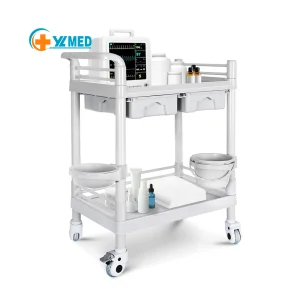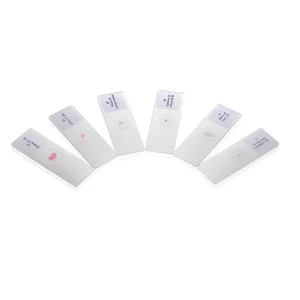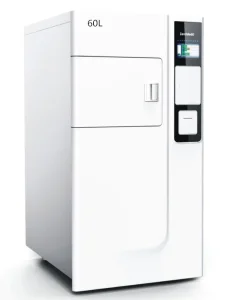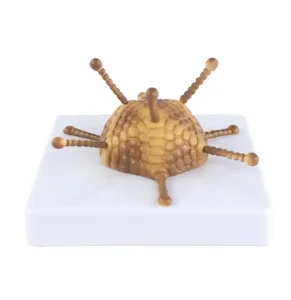
Verified Product Links · 8 Items
Factory Product Showcase Below the Banner
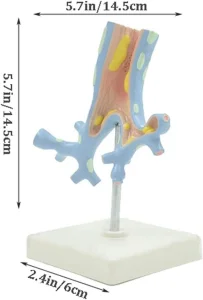
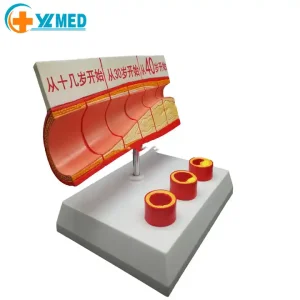
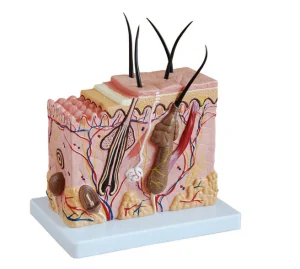
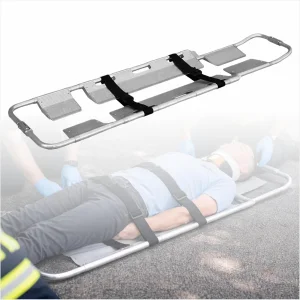
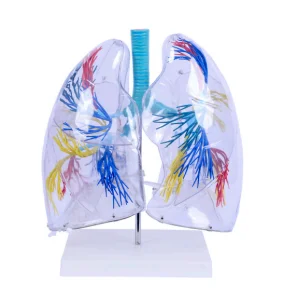
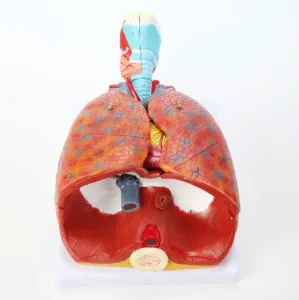
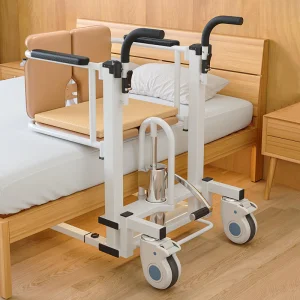
These live product links preserve the requested source catalogue. They also demonstrate multi-category supply capability, allowing buyers to consolidate CPR training products with anatomy, emergency, dental, laboratory and rehabilitation items in one RFQ.
Executive Summary
What Buyers Actually Need from a China CPR Manikin Manufacturer
The query “China Manikin CPR Manufacturers & Pricelist” looks short, but it contains several distinct buying intents: supplier discovery, product comparison, price benchmarking, compliance verification, OEM feasibility, lead-time planning and after-sales confidence. A useful manufacturer page must answer all of them without hiding behind generic catalogue language.
For a distributor, the real question is not simply “Who sells CPR manikins in China?” It is “Which manufacturer can provide a repeatable product platform, correct export documentation, stable spare parts, private-label packaging and a price structure that still works after freight, duties and local support costs?” For a hospital or medical school, the question is even more specific: “Which adult, child or infant manikin delivers credible compression feedback, realistic ventilation resistance, hygienic operation and alignment with the resuscitation guidelines used in our country?”
This guide treats the pricelist as a commercial and technical configuration map, not a single number. A CPR manikin can be a basic torso for community first aid, a full-body BLS trainer with real-time feedback, or an ALS platform with AED integration, airway management and scenario control. Those are not interchangeable products. A credible China manufacturer should be able to explain the difference, document the configuration and quote against a defined specification.
Information gain: the buyer should leave this page with a repeatable RFQ method, a supplier scoring model, a total-cost-of-ownership view and a localisation checklist. Price is one line in the decision; regulatory fit, training outcomes, spare parts and supply continuity determine whether the order is actually successful.
Supplier Discovery
Verify factory identity, product scope, export experience and evidence of quality control.
Price Benchmark
Compare quotes only after normalising specification, accessories, packaging and Incoterms.
Compliance Fit
Map product claims, manuals, labels and technical files to the destination market.
Local Support
Confirm manuals, packaging, spare parts, training content and after-sales response.
Supply Chain Advantage
China Factory Supply Chain Advantages for CPR Training Equipment
China remains a major sourcing base for CPR manikins not because of one isolated cost advantage, but because design, tooling, electronics, plastics, packaging, inspection and export logistics sit close together. For overseas buyers, that proximity can shorten development cycles and reduce coordination risk.
Integrated Development and Tooling
Manikin shells, airways, springs, electronics, displays and carry cases can be developed within a concentrated supplier ecosystem. This helps shorten sampling cycles and makes customisation more practical for distributors.
Mature Component Ecosystem
Specialised plastics, sensors, valves, tubing, printed manuals and packaging suppliers are readily available. The result is better responsiveness when a buyer needs replacement lungs, faces, springs or electronic feedback modules.
One-Stop Mixed Orders
CPR manikins can be combined with anatomy models, hospital furniture, emergency stretchers, dental equipment, prepared slides and laboratory items. Consolidation lowers supplier-management workload and can reduce freight fragmentation.
ISO 9001 Process Discipline
Henan Yulin Edu. Project Co., Ltd. has operated an ISO 9001 quality management system since 2008. For buyers, process discipline matters because it supports repeatability across batches, not just the first sample.
OEM and Private Label
In-house design and packaging support allow distributors to build a local brand rather than compete only on factory-direct generic products. Private-label packaging, manuals and model naming can all be aligned with market positioning.
Export Packaging and Lead-Time Control
Protective packing, carton marking, barcode application and mixed-category consolidation reduce transit damage and make the shipment easier to receive, store and distribute in the destination market.
60+Years of Manufacturing
200+Professional Staff
¥120MRegistered Capital (RMB)
2008ISO 9001 Certified
10Product Lines
24hReply Commitment
Procurement note: the strongest supply chain is not automatically the lowest quote. It is the chain that can repeat the same specification, documentation and packaging standard on the second and third order.
Localisation & Compliance
Localised Support and Compliance Assurance: The Real Differentiator
Two factories may show similar product photos and similar FOB prices, yet deliver very different outcomes after import. The difference is usually localisation and documentation discipline: labels, manuals, electrical accessories, spare parts, packaging, training language and regulatory evidence.
Regulatory Documentation Pack
Request the ISO 9001 certificate, product descriptions, material declarations, packing lists, test reports and technical files applicable to the model. Final market approval remains the responsibility of the importer or local registration holder, so the supplier should provide traceable evidence rather than vague assurances.
Language and Label Localisation
Manuals, warning labels, model names, packaging text and quick-start cards can be prepared for the target language. This is especially important for distributors selling into schools, hospitals and public tender channels where local-language documentation is often mandatory.
Electrical and Accessory Adaptation
Where a manikin includes electronic feedback, displays, AED trainers or chargers, confirm voltage, plug type, battery strategy and spare power accessories for the destination market. Small accessory mismatches can stop a training programme even when the manikin itself is suitable.
Packaging, Barcode and Logistics
Private-label cartons, barcodes, item codes, multilingual labels and export palletisation can be aligned with your warehouse or e-commerce requirements. Buyers should specify carton strength, drop protection and moisture control for sea freight.
Training and Content Support
A CPR manikin is a teaching tool. Suppliers with training-equipment experience can support product demonstrations, instructor notes, care instructions and replacement-part guidance. This reduces the risk of poor field performance caused by incorrect use or cleaning.
After-Sales and Spare Parts
Face skins, lungs, airways, springs, boards and electronic modules are consumable or wear items. A reliable supplier should provide an exploded parts view, part numbers and a practical spare-parts policy so the buyer can support local customers after the initial shipment.
Important compliance principle: a professional manufacturer will not promise that a product is automatically “approved” in every country. It will provide the documents and technical cooperation needed for the importer to assess local medical-device, electrical, labelling and tender requirements.
Global Procurement
Global Enterprise Procurement Needs: How Demand Differs by Market
CPR manikin buyers do not share one priority list. A distributor cares about resale margin, stock availability and spare-part depth. A medical school cares about curriculum fit and durability. An EMS service cares about realistic feedback and rapid deployment. A corporate safety team cares about simple operation and local-language support.
Healthcare Distributors
Need stable SKUs, OEM options, volume price breaks, mixed containers, spare parts and marketing support for local resale.
Medical and Nursing Schools
Need adult, child and infant configurations, realistic airway and ventilation behaviour, durable skins and teaching documentation.
Hospitals and Clinics
Need resuscitation committee approval, hygienic consumables, consistent feedback and service support for ongoing competency checks.
EMS, Fire and Rescue
Need rugged construction, portable packaging, ALS compatibility, AED trainer integration and rapid replacement of wear parts.
Corporate First Aid
Need simple BLS torsos, clear instructions, low maintenance and multilingual packaging for workplace safety programmes.
Aviation and Transport
Need compact training kits, predictable performance under repeated use and documentation suitable for regulated training environments.
Aged Care and Home Care
Need basic CPR and choking-response training tools that are easy to clean, store and transport between care facilities.
NGOs and Public Programmes
Need affordable volume supply, durable consumables, local-language teaching materials and practical logistics for multi-site delivery.
Illustrative procurement emphasis, not a universal market statistic
Different tenders weight these factors differently. Use this model to structure questions, not to replace your own market research.
Application Scenarios
Localised Application Scenarios for CPR Manikins
The same manikin can be right for one programme and wrong for another. Localisation means matching the product to the learner group, the training environment, the cleaning routine, the language of instruction and the evidence required by the sponsoring organisation.
Hospital Resuscitation Committees
Use adult and paediatric manikins with objective feedback for quarterly competency checks, code-team drills and new-staff orientation.
Medical and Nursing Colleges
Combine BLS and ALS platforms with anatomy and respiratory models so students can connect airway anatomy, ventilation and compression technique.
EMS and Fire Services
Specify rugged bodies, realistic chest recoil, AED trainer compatibility and spare airway systems for high-frequency team training.
Corporate and Industrial Safety
Use compact BLS trainers, simple feedback and local-language quick guides for first-aid teams across factories, offices and remote sites.
Aviation and Transport Training
Choose portable kits and durable consumables where cabin crew, drivers or transport staff must recertify on a recurring schedule.
Aged Care and Home Care
Focus on basic CPR, choking response, infection control and easy cleaning for caregivers who may have limited training time.
Public AED Programmes
Pair CPR manikins with AED trainers so community responders practise the complete sequence: recognition, call for help, compressions, defibrillation and handover.
Dental and Outpatient Clinics
Use small-footprint manikins for infrequent emergency drills where staff need confidence without dedicating a full simulation room.
Market Trends
Industry Trends Shaping the Next CPR Manikin Pricelist
CPR training equipment is moving from passive torso models toward data-informed, modular and locally adaptable training systems. Buyers who understand this shift can avoid overpaying for features they do not need while future-proofing the features that matter.
Real-Time Feedback
Compression depth, rate, recoil and ventilation feedback are becoming baseline expectations in professional training, not premium extras.
Hybrid and Remote Learning
Blended courses require manikins that are easy to ship, self-explanatory and supported by digital or printed quick-start guidance.
Modular Platforms
Buyers prefer models that can be upgraded with feedback electronics, AED trainers or airway modules instead of replacing the entire unit.
Infection Control
Removable faces, disposable lungs and cleanable surfaces are now central to product selection, especially in shared teaching laboratories.
Local-Language Content
Tender teams increasingly expect local-language manuals, labels and teaching aids rather than English-only documentation.
Sustainability Pressure
Packaging reduction, recyclable materials and longer product life are appearing in public procurement criteria and distributor brand policies.
Digital Traceability
QR-linked manuals, spare-part codes and maintenance instructions help distributors support customers after the sale.
ALS and AED Integration
Advanced programmes want manikins that support scenario-based learning, defibrillation training and team communication assessment.
Information gain for buyers: ask the manufacturer how each trend affects the bill of materials, the spare-parts list, the manual and the warranty. A feature that cannot be supported locally can become a cost rather than an advantage.
Pricelist Architecture
How to Read a China CPR Manikin Pricelist
A responsible CPR manikin pricelist is structured by configuration, volume and documentation. When two suppliers quote very different prices, compare the specification line by line before assuming one is cheaper.
Basic BLS Torso or Simple Full-Body Model
Typically suitable for community first aid, school demonstrations and low-volume corporate training. Confirm chest rise, compression feel, airway access, cleaning method and replacement lung availability. Best for buyers who need dependable fundamentals rather than electronic feedback.
Feedback-Enabled BLS Trainer
Adds objective feedback for compression depth, rate, recoil and ventilation. Suitable for hospitals, nursing colleges, EMS refresher courses and distributors serving professional training centres. Ask for feedback accuracy, battery strategy, display language and calibration process.
ALS, AED and Scenario Platform
Designed for advanced life support, team drills, airway management and AED integration. The pricelist should separate the base manikin, scenario electronics, AED trainer, airway accessories, carry case and optional consumables. Best for simulation centres and high-level tender packages.
Eight commercial drivers that change the quoted unit price
Total cost of ownership (TCO) formula: quoted unit price + spare faces and lungs + shipping + insurance + duties and taxes + local storage + training downtime + after-sales handling. The lowest unit price is not always the lowest programme cost.
RFQ precision: specify learner group, quantity, feedback requirements, guideline alignment, language, packaging, documentation, Incoterm, destination port, sample requirement and expected repeat-order volume. Precision reduces quotation revisions.
Supplier Evaluation
How to Evaluate CPR Manikin Manufacturers in China
Use a structured scorecard rather than a single conversation. The goal is to identify a manufacturer that can support the product after the quotation, not merely one that can send a price.
Ten-point manufacturer scorecard
- Factory identity and years of relevant manufacturing experience.
- ISO 9001 or equivalent quality-management evidence.
- Clear product scope and experience with CPR, nursing or anatomy models.
- Specification sheet with dimensions, materials and included accessories.
- Spare-parts list and consumable replacement guidance.
- OEM, private-label and packaging capability.
- Export documentation and tender-support responsiveness.
- Sample inspection and batch-consistency process.
- Lead-time planning and mixed-category consolidation.
- After-sales response commitment and escalation path.
RFQ checklist for a defensible comparison
- Target market, learner group and expected annual volume.
- Adult, child, infant or multi-age configuration.
- Compression and ventilation feedback requirements.
- AED trainer, airway management or ALS scenario needs.
- Required language for manuals, labels and packaging.
- Regulatory or tender documents expected by the buyer.
- Private-label artwork, barcode and carton-marking rules.
- Sample quantity, approval criteria and replacement parts.
- Incoterm, destination port, shipping mode and insurance.
- Warranty, spare-parts policy and after-sales contact.
Company Profile
Henan Yulin Edu. Project Co., Ltd. — Manufacturing Experience Since 1958
The following company information and product links preserve the original source content while placing it within the CPR manikin sourcing context.
 Yulin MedicalSince 1958
Medical Teaching Models, CPR Manikins & Hospital Equipment Manufacturer Since 1958
Henan Yulin Edu. Project Co., Ltd. (Yulin Medical) has built educational and medical training equipment in Xinxiang, China, for more than six decades. Our quality management system has been ISO 9001 certified since 2008, and our motto is simple: quality first, service first. Every order is produced and inspected so that distributors, medical universities, nursing colleges and hospitals receive consistent, well-documented products on every batch.
- Factory-direct supply across 10 product lines, from anatomy models to hospital furniture
- Private-label packaging and product design that raises your resale value
- Mixed-category orders consolidated into one shipment with one point of contact



Who We Are
A Six-Decade Manufacturer Trusted by Educators and Clinicians
Founded in 1958, Henan Yulin Edu. Project Co., Ltd. has grown into a well-known educational and medical equipment supplier that integrates scientific research, production and sales. With registered capital of RMB 120 million and more than 200 professional employees, we manage product development, manufacturing, inspection and export from our base at No. 8 Daoqing Road, Hongqi District, Xinxiang.
Our goal is to fully satisfy every customer through dependable quality and attentive service, while continuously developing the skills of our team so that each project is handled by experienced people.
What this means for buyers: one accountable manufacturer for anatomy models, nursing simulators, lab slides and hospital equipment — consolidated into a single shipment and backed by an ISO 9001 quality system.








Product Categories
Complete Sourcing for Medical Education & Clinical Use
Ten specialised product lines let procurement teams source simulation, lab and hospital equipment from one accountable manufacturer instead of managing multiple suppliers.
01
Anatomy Models
Torso, organ, heart, brain and muscle models with numbered structures for lectures and patient education.
02Biology Prepared Slides and Accessories
Histology, botany and zoology prepared slides plus storage and microscope accessories for biology labs.
03Dental Tools and Equipment
Dental teaching models, clinic lights, LED whitening units and endodontic instruments for training and practice.
04General Teaching Models
Science demonstration models for primary schools, secondary schools and education equipment tenders.
05Hospital Furniture and Equipments
Stainless steel examination couches, stretchers, walkers and shower chairs built for daily clinical use.
06Hospital Machine and Tools
Diagnosis and treatment devices and practical tools for wards, clinics and emergency departments.
07Medical Apparatus and Instruments
Emergency splints, extrication devices, cervical traction and rehabilitation instruments.
08Medical Nursing Model
Adult, child and neonatal CPR manikins, ACLS simulators and AED trainers for skills assessment.
09Skeleton Models
Life-size and desktop skeletons, skulls, spines and joint models for osteology teaching.
10Suture Pads and Kits
Realistic skin suture pads and complete instrument kits for surgical and wound-closure practice.
More Products
Featured CPR, Emergency & Rehabilitation Equipment
Best-selling simulation manikins, first-aid devices and mobility aids requested by training centres, ambulance services and healthcare distributors.












Why Choose Us
Why Distributors and Institutions Partner with Yulin Medical
Four strengths overseas buyers consistently cite when they move long-term orders to our factory.
24/7 Responsive Service
Our team is online 24 hours a day, 7 days a week. Whatever your time zone, you receive a detailed answer as quickly as possible — typically within 24 hours.
Design & Packaging Team
In-house specialists deliver professional product design and private-label packaging that strengthens your brand and increases the added value of every unit you sell.
Professional Expertise
Our vision is to provide the most professional educational and medical training products from mainland China, built under ISO 9001 process control and decades of category knowledge.
60+ Years of Supply Stability
A factory with over 60 years of history and a deeply integrated partner supply chain lets us meet one-stop demands and keep lead times predictable on repeat orders.
How We Work
A Transparent 5-Step Process for Overseas Buyers
From first conversation to delivery, every stage has a named contact and clear documentation, so you can plan stock, tenders and training schedules with confidence.
01
Share Requirements
Send product types, quantities, target market and any tender or certification needs.
02
Catalog & Proposal
Receive matched models, specifications, packaging options and shipping suggestions.
03
Sample Evaluation
Test samples with your instructors or clinicians before confirming bulk production.
04
Production & QC
Manufacturing and inspection follow our ISO 9001 quality management system.
05
Export & Support
Protective export packing, delivery coordination and responsive after-sales service.
Company News
News & Practical Insights from Our Specialists
Exhibition updates and hands-on guidance written by the team that designs and builds our products.

Do You Really Know How to Observe Biological Prepared Slides?
Many plant and animal cell structures can only be studied under a microscope, which makes prepared biological slides essential in every biology lab. Yet many users never get the full value from them. Our specialists explain how to handle, focus and store slides correctly so students see clearer detail and your slide sets last for years.

The 5th Henan Provincial Educational Equipment Expo Concludes Successfully
Themed “Digital Leading Innovation and Development”, the expo reached a record 50,000 m² with 600+ brands and 10,000+ products on display, showcasing the latest educational equipment.

Inside Our Product Showroom
A look at the medical teaching models and training equipment buyers can inspect in person when visiting our Xinxiang facility.
Buyer FAQ
Frequently Asked Questions from Importers
Straight answers to the questions procurement managers ask most before placing a first order.
Is Yulin Medical a manufacturer or a trading company?+
We are a manufacturer. Henan Yulin Edu. Project Co., Ltd. was founded in 1958 and operates its own factory in Xinxiang, Henan, China, with more than 200 professional staff. For one-stop orders, we also coordinate a stable network of long-term partner factories.
What quality certification do you hold?+
Our quality management system has been ISO 9001 certified since 2008. Product-specific documentation can be provided on request to support tenders and import registration in your country.
Do you support OEM, private label and custom packaging?+
Yes. Our in-house design team develops private-label packaging and product presentation for distributors, helping increase shelf appeal and resale value in your market.
How do I choose the right CPR training manikin?+
Start with the learner group: adult, child or neonatal. Then check that real-time feedback covers compression depth, compression rate and ventilation volume; confirm alignment with current AHA resuscitation guidelines; and decide whether your courses need AED trainer integration. For advanced life-support programmes, an ACLS simulator with embedded scenarios offers far more assessment value than a basic torso.
How quickly will I receive a reply?+
Our export team is online 7 days a week and typically replies within 24 hours with catalogs, specifications and shipping options.
What determines the price of a CPR manikin order?+
Price is driven by model level, body construction, feedback electronics, airway and disposable parts, AED trainer integration, packaging, local-language documentation, order quantity, Incoterm and destination. A reliable pricelist should separate the base manikin from optional accessories and consumables so that buyers can compare equivalent configurations.
Can you supply a mixed container with CPR manikins and other medical teaching products?+
Yes. One of the advantages of a multi-category manufacturer is the ability to combine CPR manikins with anatomy models, skeleton models, hospital furniture, emergency equipment, dental items or biology slides. Mixed-category consolidation can reduce supplier-management workload and freight fragmentation, subject to carton dimensions and order volume.
How do you support local registration or tender documentation?+
We can provide company credentials, ISO 9001 evidence, product specifications, packing information, material descriptions and other available technical documents. The exact document package depends on the product and destination market. Importers should confirm local medical-device, electrical and labelling requirements with their regulatory advisor before purchase.
What spare parts should a distributor stock?+
Typical wear items include face skins, lungs, airways, valve components, springs, compression pads and electronic feedback modules where applicable. Ask for an exploded parts diagram and part numbers. Stocking a modest ratio of consumables against the installed base improves local after-sales service and reduces emergency air freight.
Can manuals and packaging be localised?+
Yes, local-language manuals, labels and private-label packaging can be discussed as part of the OEM scope. Buyers should provide approved text, artwork and regulatory statements in a timely manner. Final local compliance remains the buyer’s responsibility, so proofreading and regulatory review should be completed before mass production.
Do you provide samples before bulk production?+
Samples can be arranged so that instructors, clinicians or distributors can evaluate realism, feedback, cleaning, documentation and packaging before confirming a bulk order. Sample cost and freight are quoted according to the model and destination. A structured sample checklist helps avoid subjective decisions later.
How should a buyer compare FOB and CIF quotations?+
Compare the product specification first, then the Incoterm, packing volume, gross weight, insurance, destination port and expected duties. A low FOB price with oversized cartons or fragile packaging can become expensive after freight. Ask for carton dimensions, quantity per carton and a loading plan for mixed orders.
What is the difference between BLS, ACLS and AED trainer products?+
BLS products focus on basic life support: compressions, ventilation and basic airway skills. ACLS platforms add advanced scenarios, rhythms, airway management and team-based assessment. AED trainers simulate defibrillator prompts and pad placement without delivering a therapeutic shock. A procurement plan should match the product level to the course curriculum rather than buying the most complex model by default.
How can I verify batch consistency before repeat orders?+
Use an approved golden sample, a written specification and a pre-shipment inspection checklist. Confirm materials, dimensions, compression feel, feedback thresholds, airway resistance, accessories, labels and packaging. For repeat orders, require change notification before any BOM, supplier or process change that could affect form, fit or training performance.

Talk to Our Export Team
Need Specifications, a Price List or a Tender Package? We Reply Within 24 Hours.
Tell us your target market, quantities and certification requirements. Our product specialists will recommend suitable models, share detailed specifications and propose the most economical shipping plan for your order.
Resource Hub
Company Resources, Verified Contacts and Original Navigation Links
This section preserves the original site navigation, product-category links, company description, social profiles, contact details and sitemap reference. The page is prepared by the Yulin Medical export and product team, combining factory experience since 1958 with practical procurement guidance for international buyers.
Yulin MedicalSince 1958
Henan Yulin Edu. Project Co., Ltd. — ISO 9001 certified manufacturer of medical teaching models, simulation manikins and hospital equipment.
Henan Yulin Edu. Project Co., Ltd.
Medical & Educational Equipment Manufacturer Since 1958
Quick Links
Products
Contact
- No. 8, Daoqing Road, Industry Park, Hongqi District, Xinxiang, Henan, China
- 0086-13503800666
- [email protected]
Export team online 7 days a week. Typical replies include catalogues, specifications and shipping options within 24 hours.
Verified Product Links · 8 Items
Bottom Product Showcase — 8 More Verified Products
These additional product links preserve the original requested catalogue and show the wider supply scope available for consolidated orders. Product URLs and images are retained exactly for buyer reference.