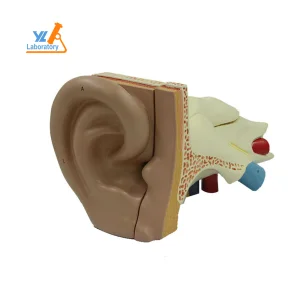
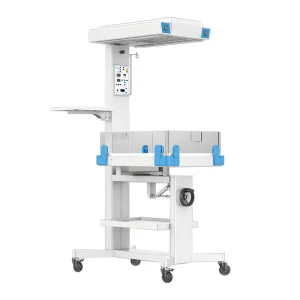
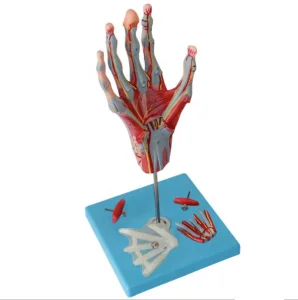
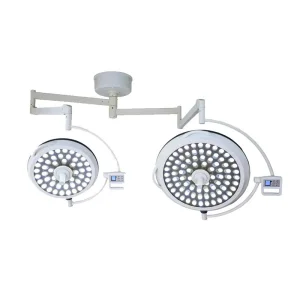
Product Display: Medical Teaching and Clinical Equipment from Yulin Medical
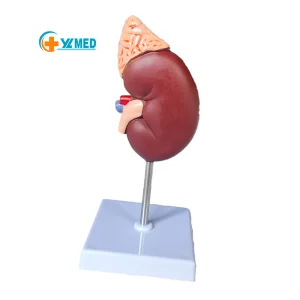
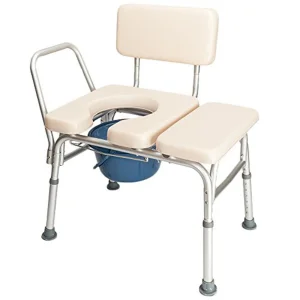
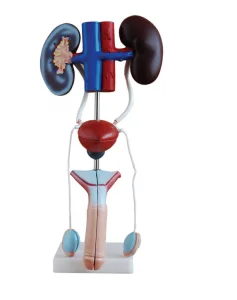
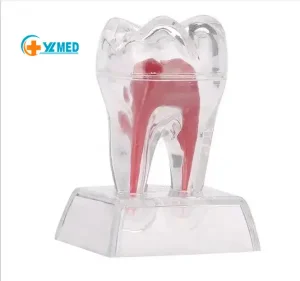
The IV infusion arm model sits inside a wider clinical-skills ecosystem. The eight products below are part of Yulin Medical’s current medical teaching and hospital equipment selection. All original product images and product URLs are preserved.
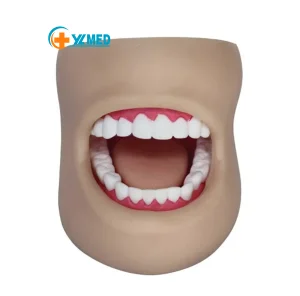
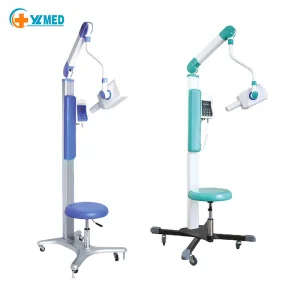
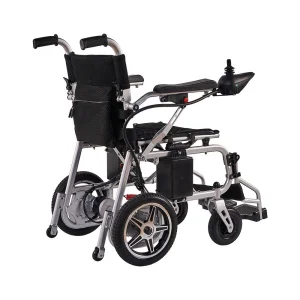
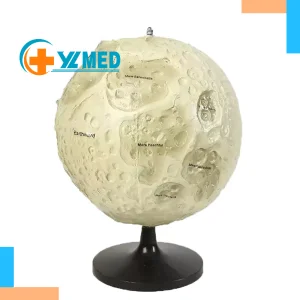
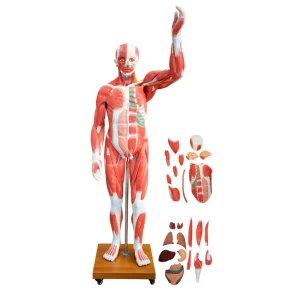
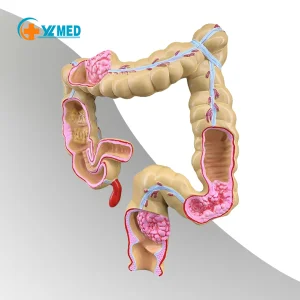
Semantic Search Intent: What Buyers Really Need from a China IV Infusion Arm Model Manufacturer
An IV infusion arm model is a specialized clinical task trainer used to teach venipuncture, peripheral intravenous insertion, infusion setup, blood-draw practice, catheter securement and infection-safe handling. It simulates vein palpability, flashback and fluid management in a controlled learning environment, allowing students and clinicians to build psychomotor confidence without risk to patients.
When procurement teams search for a China intravenous infusion arm model manufacturer and service provider, they are rarely interested only in a unit price. They are evaluating supplier credibility, anatomical realism, replaceable skin availability, consistent vein performance, spare-part continuity, packaging, documentation and after-sales responsiveness. A low-cost trainer that leaks, hardens quickly or lacks replacement consumables can raise the real cost per successful learning repetition.
Yulin Medical’s information gain is built on manufacturing depth rather than catalogue volume alone. Henan Yulin Edu. Project Co., Ltd. has operated since 1958, has held ISO 9001 certification since 2008, and manages more than 200 professional staff from its base in Xinxiang, Henan. The IV arm model is part of the broader medical nursing model and clinical-skills product ecosystem, alongside anatomy models, CPR training manikins, suture pads, dental teaching equipment and hospital equipment.
For overseas distributors, the strongest supplier is not always the one with the lowest quotation. It is the one that can document what is being supplied, keep specifications stable across repeat orders, support private-label packaging and respond when a tender requires revised labelling, spare parts or inspection records. That is why our service model combines product manufacturing with export coordination, OEM/ODM support and long-term supply planning.
From a search-intent perspective, buyers typically move through three stages: educational research, commercial comparison and transaction validation. A manufacturer page should therefore answer technical questions, show category breadth, explain quality controls and make the next step easy. This page is structured to support that journey, while the product modules preserve the original catalogue links for direct product evaluation.
Procurement Evaluation Snapshot
Illustrative buyer priorities; weighting changes by school, hospital and tender.Macro Industry Solutions: From Single Task Trainers to Simulation Programs
Healthcare education is shifting from lecture-heavy teaching toward competency-based simulation. The IV arm model is one station in a larger clinical skills laboratory, but it directly affects how quickly learners achieve safe, repeatable technique.
Academic Programs
Nursing and medical schools use IV arm models for skills demonstration, supervised practice, OSCE stations and remediation. The most effective programs pair the trainer with curriculum mapping, consumables planning and objective checklists so that assessment is consistent across cohorts.
Hospitals and Clinical Skills Labs
Clinical education teams use IV training arms for new-nurse onboarding, annual competency checks, IV therapy refreshers and policy rollouts. Replaceable skins and vein sets matter in busy hospitals because they protect training schedules and reduce downtime.
Distributors and OEM Programs
Distributors benefit from a supplier that can bundle IV arm models with anatomy, CPR, dental and hospital equipment, consolidate shipments and support private-label packaging. This reduces supplier-management cost and creates a more complete offer for schools and hospitals.
Global Commercial and Industrial Landscape
The global market for medical teaching models combines institutional tenders, distributor catalogues, e-commerce enquiries and OEM projects. China’s manufacturing ecosystem is strong in moulding, silicone processing, electronic integration, packaging and export documentation, but quality varies widely between commodity suppliers and engineering-led factories.
Mature Supply Chain
China-based manufacturers can coordinate tooling, moulding, materials, assembly and packaging under one quality system. For buyers, this can shorten development cycles and stabilize repeat-order specifications.
Tender-Ready Documentation
Public tenders often require consistent specifications, packing lists, inspection records and clear country-of-origin documentation. Buyers should confirm document scope before bidding, especially when the product is part of a mixed-category package.
OEM and Private Label
Distributors increasingly request custom packaging, language variants, brand manuals and product presentation. A factory with in-house design support can increase shelf appeal and resale value, not just reduce unit cost.
Mixed-Category Consolidation
Schools, hospitals and distributors often order training arms together with anatomy models, CPR manikins, suture kits, dental items and hospital furniture. A single accountable manufacturer can reduce freight complexity and supplier follow-up.
Engineering and Quality: The Anatomy of a Professional IV Arm Model
A professional IV infusion arm model is not defined by appearance alone. It is defined by repeatable vein access, realistic flashback, cleanable surfaces, replaceable consumables and stable performance after dozens of training cycles. Buyers should ask for samples and test the exact configuration they intend to purchase.
| Design Area | What to Verify | Buyer Value |
|---|---|---|
| Anatomy and vein layout | Median cubital, cephalic and basilic vein positioning; dorsal network; left/right forearm options; palpability and depth. | Supports realistic venipuncture and infusion practice across different learner levels. |
| Skin and replacement system | Multi-layer silicone or soft polymer skin; latex-free options; replacement frequency; colour matching; ease of change. | Lowers cost per repetition and protects laboratory schedules when skins wear out. |
| Fluid path and flashback | Leak-resistant tubing, reservoir, clamps, connectors and visible flashback under realistic lighting. | Builds correct technique and reduces false confidence caused by unrealistic feedback. |
| Structure and handling | Forearm and upper-arm configuration, mounting stability, shoulder strap, weight and storage footprint. | Improves classroom safety, portability and student ergonomics. |
| Cleaning and infection control | Smooth surfaces, drainage design, compatibility with routine cleaning agents, avoidance of hard-to-clean seams. | Helps institutions follow local infection-prevention protocols between training sessions. |
| Spare parts and service | Replacement skins, vein sets, tubing, connectors, manuals and packaging; batch consistency and lead time. | Protects long-term usability and reduces the risk of unusable inventory. |
Localized Support and Compliance Assurance
ISO 9001 certification since 2008 provides a quality-management baseline; it does not automatically equal product approval in every market. For IV training products, regulatory classification can vary by country and by whether the model includes electronic feedback, sensors or software. Buyers should verify local requirements with their regulatory advisor or import agent.
Quality System
Incoming material checks, in-process controls and final inspection are managed under an ISO 9001 quality system. Specific inspection records and product declarations can be discussed before order confirmation.
Regulatory Documentation
Documentation packages can be prepared for tender evaluation, import registration support and distributor due diligence. Buyers remain responsible for confirming local device classification and labelling requirements.
Language and Packaging Localization
Private-label packaging, English or multilingual manuals, carton marks and product presentation can be adapted for distributors. For markets requiring local-language instructions, content can be reviewed with the buyer before production.
Supply Continuity and After-Sales
Repeat-order stability, spare parts planning, protective export packing and responsive communication are essential for distributors. Our export team typically replies within 24 hours with specifications and shipping options.
Localized Application Scenarios
The same IV infusion arm model can be configured and packaged for different teaching environments. Localization is not only language; it also covers curriculum fit, consumable replacement rates, storage conditions and distributor demonstration needs.
Nursing Schools and OSCE Labs
Use IV arm models for demonstration, supervised practice and objective structured clinical examinations. Standardized replacement parts help keep assessment conditions consistent between student groups.
Hospital Clinical Skills Laboratories
Hospitals use IV training arms for onboarding, annual competency verification and IV therapy updates. Durable skins and accessible vein sets reduce downtime for busy education teams.
Phlebotomy and IV Therapy Teams
Training arms support blood-draw practice, vein selection, insertion angle and securement technique. Realistic flashback and palpability are especially important for confidence building.
Emergency and Pre-Hospital Training
EMS and emergency departments can integrate IV arm practice into broader scenario drills, helping teams rehearse equipment preparation, communication and rapid intervention under controlled conditions.
Public Health and Community Programs
Community training initiatives can use portable IV arm models to introduce infusion safety, infection prevention and basic clinical handling before learners enter supervised practice.
Distributor Showrooms and Train-the-Trainer
Distributors can use demo units to train sales teams, support customer evaluations and present replacement consumable programmes. Private-label packaging strengthens local brand positioning.
Technology Roadmap and Future Outlook
The next wave of IV training will not replace basic anatomical realism; it will extend it. Buyers should separate proven products from development concepts and ask for clear validation before committing to large orders.
High-Fidelity Passive Models
The current standard remains a durable passive arm with realistic vein layout, replaceable skin and reliable flashback. These models are cost-effective, easy to clean and suitable for high-volume classroom use.
Modular Consumables
Modular skins, vein sets and fluid paths improve serviceability and reduce waste. Distributors can stock fast-moving spare parts and offer maintenance kits that extend product life.
Sensor-Enabled Feedback
Optional sensors may help learners monitor insertion angle, depth and fluid return. Such features require careful validation, calibration and software support before they are presented as assessment tools.
AI-Assisted and AR Training
Looking further ahead, AR overlays and AI-assisted scoring could connect task trainers with digital curricula. Scalable adoption depends on cost, data governance and faculty training, not technology novelty alone.
Manufacturer, Service and Global Buyer Support
Henan Yulin Edu. Project Co., Ltd. is a manufacturer of medical teaching models and educational equipment based in Xinxiang, Henan, China. Founded in 1958, the company has grown into a supplier integrating product development, manufacturing, inspection and export. Our quality management system has been ISO 9001 certified since 2008, and our operating motto remains quality first, service first.
For IV infusion arm model projects, this manufacturing foundation matters in three practical ways. First, product development can be aligned with the buyer’s target curriculum and price point. Second, packaging and documentation can be prepared for distributor and tender requirements. Third, the broader product range allows mixed-category orders to be consolidated with anatomy models, nursing simulators, dental teaching equipment, hospital furniture and other medical training products.
We support OEM, private label and custom packaging discussions for distributors. Our in-house design team can help improve product presentation, carton information and brand consistency. For institutions, we can provide specifications, packing details and sample evaluation support before bulk confirmation.
Buyers can also review related product categories such as Medical Nursing Model, Anatomy Models, Suture Pads and Kits, Dental Tools and Equipment and Hospital Furniture and Equipments to build a complete sourcing plan.

Direct Export Channels
Tell us your target market, quantity, packaging preference and certification questions. Our team will recommend a suitable configuration and shipping approach.
Q&A: China IV Infusion Arm Model Sourcing, OEM and Service
What is an IV infusion arm model and how is it used?+
An IV infusion arm model is a task trainer that simulates a human forearm and venous network for practicing venipuncture, peripheral IV insertion, infusion setup, blood-draw technique and securement. It is commonly used in nursing schools, hospital skills labs, phlebotomy programs and emergency training. It is a training aid, not a replacement for supervised clinical practice on real patients.
Is Yulin Medical a manufacturer or a trading company?+
Yulin Medical is a manufacturer. Henan Yulin Edu. Project Co., Ltd. was founded in 1958 and operates its own factory in Xinxiang, Henan, China, with more than 200 professional staff. For one-stop orders, we also coordinate a stable network of long-term partner factories.
What quality certification does Yulin Medical hold?+
Our quality management system has been ISO 9001 certified since 2008. Product-specific documentation can be provided on request to support tenders and import registration discussions. Buyers should confirm the exact documentation package required by their market before order confirmation.
Do you support OEM, private label and custom packaging?+
Yes. Our design and packaging team can support private-label presentation, carton marks and language variants for distributors. Customization scope, minimum order quantity and lead time depend on the specific product and packaging requirements, so they should be confirmed in the quotation.
How do I choose the right IV arm model configuration?+
Start with the learner group and training objectives. Confirm the required vein sites, whether left or right forearm is preferred, how often the skin will be replaced, whether latex-free materials are required, and how the arm will be mounted or stored. Then evaluate a sample with the instructors who will actually use it. For tender projects, match the specification to the evaluation criteria rather than relying on catalogue photos alone.
Can you help with tender documentation and local compliance questions?+
We can prepare commonly requested commercial and technical documents, including specifications, packing lists, inspection records and product declarations where available. Regulatory classification varies by country and by product configuration. The importer or local agent remains responsible for confirming medical-device classification, registration and labelling obligations.
What is the typical lead time?+
Lead time depends on product configuration, order quantity, packaging customization and shipping method. A firm production schedule is provided after specifications and deposit confirmation. For tender deadlines, share the required delivery date early so that production and freight options can be assessed together.
How quickly will I receive a reply?+
Our export team is online 7 days a week and typically replies within 24 hours with catalogues, specifications, sample options and shipping suggestions.
Additional Product Selection: 8 More Products from Yulin Medical
These additional product modules preserve the original catalogue links and images for buyers building a mixed-category medical teaching and hospital equipment order.