
China First Aid Cpr Manekin Full Body Manufacturers & Factories
A procurement-grade guide for distributors, medical schools, EMS agencies, hospitals, and first-aid training companies sourcing full-body CPR manikins from China. Explore global demand, factory efficiency, clinical realism, OEM/private-label pathways, total cost per certified learner, and the documentation buyers should verify before a repeat order.
First 8 Factory-Direct Items for First-Aid, Training, and Clinical Procurement
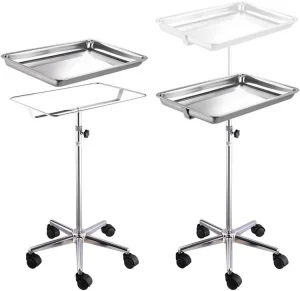
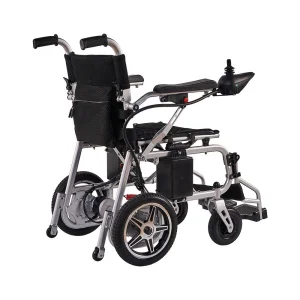
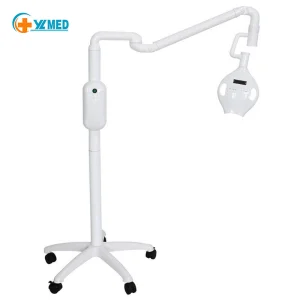
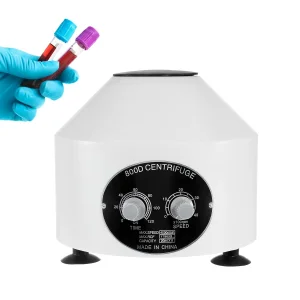
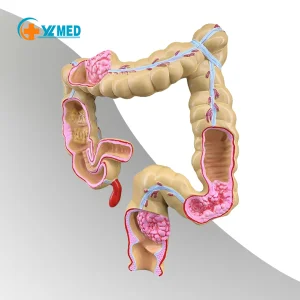
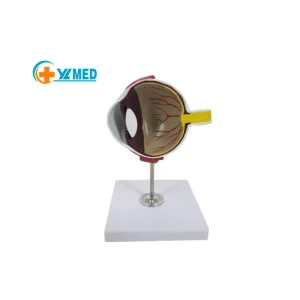
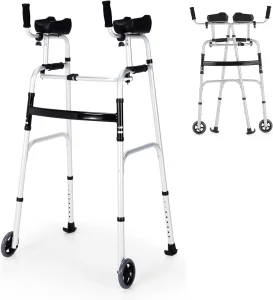
The cards below preserve the original product images and product URLs. They are presented as a mixed-category sourcing showcase for distributors and institutions that prefer one accountable manufacturing partner across teaching models, hospital equipment, rehabilitation aids, and clinical training supplies.

From “Manekin” to a Repeatable Factory Specification
The query “China First Aid Cpr Manekin Full Body Manufacturers & Factories” contains a common international spelling variation: manekin for manikin. For SEO and conversion, the page should satisfy both spellings without treating the variation as a mistake. More importantly, it should answer the commercial questions behind the query: who makes full-body CPR training units, how realism is validated, how OEM packaging works, and how a buyer can compare lifecycle cost instead of only unit price.
Search intent here is layered. One buyer may be researching full body CPR manikin vs torso manikin. Another may be comparing China CPR manikin manufacturers, requesting an ISO 9001 factory profile, or planning a tender package for a nursing college. A distributor may be exploring private-label packaging and mixed-category containers. A hospital group may need repeatable spare parts and trainer alignment. The page therefore has to function as an expert buying guide, not a thin list of products.
This is where information gain matters. Generic supplier pages repeat “high quality, low price, fast delivery.” A higher-value page explains clinical realism, compression feedback, ventilation hygiene, material durability, documentation, serviceability, and total cost per certified learner. Those are the variables that reduce risk after the purchase order is signed.
What sophisticated buyers compare
Procurement teams increasingly evaluate a CPR manikin as a training asset, not a disposable prop. The strongest RFQs ask for:
- Compression depth, rate, recoil, and ventilation feedback accuracy
- Airway hygiene design and cost of disposable lung bags or face skins
- Compatibility with AED trainers and BLS/ACLS scenarios
- Spare-part availability, repair procedures, and warranty terms
- Packaging, manuals, labels, and local-language customization
- Evidence that the factory can repeat quality across batches
Global Commercial and Industrial Status of Full-Body CPR Training Manikins
Full-body CPR manikins sit at the intersection of healthcare education, workplace safety, emergency preparedness, and distributor-led training. Demand is no longer limited to medical schools; it now spans hospitals, EMS agencies, fire services, airports, schools, hotels, factories, and community first-aid programs.
Guideline-Led Refresher Demand
Resuscitation guideline revisions and annual competency checks keep BLS, ACLS, and first-aid refresher demand active. Buyers need manikins that can support current compression and ventilation standards while remaining serviceable as course content evolves.
Institutional Fleet Renewal
Hospitals, nursing colleges, and EMS departments manage fleets rather than single units. They evaluate replaceable airway parts, compression springs, skin materials, electronics modules, and trainer-to-manikin ratios to reduce downtime and unplanned purchasing.
Workplace and Community Readiness
Corporate safety teams, airports, hotels, schools, and public programs are expanding bystander CPR training. This creates demand for full-body units that are realistic enough for scenario training but durable enough for high-turnover classes and non-specialist instructors.
Distributor-Led Localization
Many markets are served by distributors that need private-label packaging, translated manuals, local spare-part kits, training-brand support, and predictable lead times. Manufacturers that support localization become long-term supply partners rather than one-off exporters.
Why Chinese Factories Can Deliver Strong Value on Full-Body CPR Manikins
China’s advantage is not simply lower labor cost. It is the compounding effect of industrial clusters, mature polymer and stainless-steel supply chains, electronics integration, export packaging expertise, and factories that can coordinate multiple product categories inside one order.
Design-to-Export Integration
Factories that manage product design, mold development, component sourcing, assembly, inspection, and export packing under one roof reduce hand-off errors. This is especially important when a full-body manikin includes soft skins, airway modules, electronics, and a carry bag in the same shipment.
Polymer and Metal Cluster Depth
Access to mature mold-making, PVC/silicone processing, aluminum fabrication, and stainless-steel finishing allows faster sampling and more material options. Buyers can compare soft-skin feel, torso rigidity, limb articulation, and carry-case durability without long development delays.
Feedback Electronics Integration
Compression depth, rate, recoil, and ventilation feedback require reliable sensors, displays, wiring, and firmware. Integrated suppliers can coordinate electronics with mechanical housing so that the final unit is easier to service and less likely to fail during intensive training sessions.
ISO 9001 Process Control
An ISO 9001 quality management system helps standardize incoming material checks, assembly controls, final inspection, and corrective actions. For overseas buyers, documented quality control is often more valuable than a lower quoted price, because training fleets cannot afford inconsistent batches.
Mixed-Category Consolidation
Distributors often order CPR manikins alongside anatomy models, hospital furniture, rehabilitation aids, dental teaching equipment, and biology slides. A factory with multiple product lines can consolidate categories, reduce supplier management cost, and simplify container planning.
Private Label and Documentation
Export-focused suppliers support custom packaging, manuals, product labels, spare-part kits, and training-brand assets. This helps distributors launch a local range without investing in tooling or maintaining a dedicated production line.
Where Full-Body CPR Manikins Deliver the Most Training Value
A full-body manikin improves realism, body positioning, team coordination, and scene-based learning. It is particularly valuable when learners must demonstrate not only compressions, but also airway management, AED use, patient movement, and role assignment.
Hospitals and EMS Teams
Use full-body units for BLS/ACLS drills, AED integration, airway positioning, team roles, and in-situ simulation. Full-body realism helps clinicians practice transfer, immobilization, and resuscitation workflow without treating the manikin as a simple torso.
Medical and Nursing Schools
Educators need repeatable competency assessment for OSCEs, skills labs, and clinical simulation. Feedback data, replaceable consumables, and consistent compression resistance help instructors assess learners fairly across large cohorts.
Workplace and Community Programs
Corporate first-aid programs, schools, hotels, airports, and public safety campaigns benefit from training that mirrors real casualty positioning. Distributors can bundle manikins with AED trainers, face shields, and replacement airways for complete course kits.
Distributors and Training Brands
Private-label manikins allow distributors to build a local training brand, control packaging, provide local-language support, and develop service kits. Repeat consumable sales create a healthier business model than one-time equipment sales alone.
CPR Manikin Trends Shaping 2025–2030 Procurement Decisions
The next stage of competition is not only about anatomical appearance. It is about feedback accuracy, hygiene control, serviceability, data capture, and the ability to support blended training programs across different languages and learner groups.
Full-Body Realism Becomes Mainstream
As training moves from lecture-style demonstration to scenario-based competency assessment, full-body form factor becomes more attractive. Realistic limb positioning and body weight distribution support safer patient handling, AED pad placement, and team communication drills.
Feedback-First Design
Real-time feedback on compression depth, rate, recoil, and ventilation helps learners self-correct. Procurement teams increasingly ask whether feedback can be displayed clearly, reset quickly, and used in group debriefings without slowing the class.
Hygiene and Consumable Control
Disposable lung bags, face skins, airway seals, and cleaning protocols are now part of the buying decision. The best design reduces cross-contamination risk while keeping consumable cost predictable and replacement simple for instructors.
Modular Repairability
Training centres prefer manikins that can be repaired without returning the entire unit. Modular chest assemblies, airway components, skins, and electronics reduce downtime and protect the total investment across years of use.
Localized Content and Train-the-Trainer
Manuals, labels, quick-start cards, and training scenarios need localization. Distributors value suppliers that can support translated documentation, product photos, packaging text, and train-the-trainer materials for their local market.
Documentation and Traceability
Tenders and import registration often require more than a product photo. Buyers ask for ISO 9001 evidence, inspection records, material declarations, packing lists, and SKU-level documentation. Traceability is becoming a differentiator in international supply.
What Global Buyers Require Before Placing a Repeat Order
International buyers rarely purchase a full-body CPR manikin in isolation. They evaluate the supplier as part of a broader training supply chain, especially when the order must support tenders, multi-year programs, or distributor resale.
Tender-Grade Documentation
Prepare product specifications, packing details, warranty terms, spare-parts lists, and compliance documents in a format suitable for tender review. For regulated destinations, confirm which SKU-level certificates or registration support materials are needed before quoting.
Sample and Validation Protocol
Test the sample with actual instructors. Check compression feel, ventilation resistance, feedback stability, airway cleaning, skin durability, and packaging. A sample should represent the production version, not a hand-built demonstration unit that cannot be replicated at scale.
MOQ, Lead Time, and Repeatability
MOQ depends on model, packaging, electronics, and private-label requirements. Serious buyers ask how the factory schedules repeat production, manages component shortages, and maintains consistency between the first order and later replenishment batches.
Packaging, Labels, and Customs
Export-ready packaging protects soft skins and electronics during transit. Labels, manuals, HS codes, carton marks, and pallet configurations should be confirmed early. Distributors may also require private-label artwork and language-specific inserts.
Spare Parts and Service SLA
Ask for a recommended spare-parts kit based on your class volume. Face skins, lung bags, airway components, chest springs, and electronic modules should be easy to identify and replace. Clear after-sales response times reduce training disruption.
OEM/ODM and Brand-Ready Assets
For distributors, OEM support may include logo placement, packaging design, product naming, instruction manual adaptation, and product photography. The strongest partners provide brand-ready assets so the buyer can launch quickly without compromising documentation quality.
A Practical 5-Point Procurement Scorecard for Full-Body CPR Manikins
Use this weighted scorecard to compare suppliers beyond unit price. It is designed for distributors, training centres, and institutional buyers who need a transparent basis for sample evaluation and repeat purchasing.
Total Cost per Certified Learner
Shortlisting by unit price alone hides the real cost of training. A more useful calculation is:
TCPL = acquisition cost + replacement consumables + spare parts + freight + instructor time + downtime ÷ learners trained over the service life
Red flags to investigate: unclear airway cleaning procedure, no spare-parts list, inconsistent feedback between samples, no batch inspection record, unrealistic lead time, and packaging that does not protect electronic modules.
Yulin Medical: A Six-Decade Manufacturer with Modern Export Focus
Henan Yulin Edu. Project Co., Ltd. (Yulin Medical) has been manufacturing educational and medical training equipment in Xinxiang, Henan, China since 1958. The company has been ISO 9001 certified since 2008 and operates with more than 200 professional staff, registered capital of RMB 120 million, and a product portfolio that covers ten medical education and hospital equipment lines.
For buyers sourcing first aid CPR manikin full-body programs, the practical advantage is one-stop coordination. CPR and nursing simulators can be combined with anatomy models, skeleton models, hospital furniture, rehabilitation aids, dental teaching equipment, biology prepared slides, and suture kits. This reduces supplier management workload and helps distributors build a broader catalog from one shipment.
The company motto is quality first, service first. In practice, that means production and inspection processes are documented, export packing is planned around product fragility, OEM packaging can be developed for distributors, and the export team aims to reply within 24 hours with catalogs, specifications, and shipping guidance.
Verified Company Details
- No. 8, Daoqing Road, Industry Park, Hongqi District, Xinxiang, Henan, China
- 0086-13503800666
- [email protected]
- ISO 9001 certified since 2008
- One-stop mixed-category export coordination
- OEM, private label, and packaging support
Reliable Support for Distributors, Medical Schools, and Hospitals
Overseas buyers consistently look for four strengths when moving long-term orders to a Chinese manufacturer: responsive service, design support, professional category knowledge, and supply stability.
24/7 Responsive Service
The export team is online seven days a week and generally replies within 24 hours with catalogs, specifications, and shipping options, helping buyers keep projects moving across time zones.
Design and Packaging Team
In-house specialists support private-label packaging, product presentation, and brand-ready materials. This helps distributors increase shelf appeal and resale value without building their own design department.
Professional Category Expertise
Decades of work across medical teaching models, nursing simulators, anatomy models, and hospital equipment give the team practical knowledge of how products are used in classrooms, clinics, and training centres.
60+ Years of Supply Stability
A long manufacturing history and a stable partner supply network support one-stop orders, repeat production, and practical lead-time planning for distributors and institutional buyers.
A Transparent 5-Step Process for Overseas Buyers
From the first inquiry to delivery, each stage can be documented so that procurement teams, instructors, and distributors know what to expect.
Share Requirements
Send product types, target learner groups, quantities, destination market, packaging needs, and any tender or certification requirements.
Catalog & Proposal
Receive matched models, specifications, spare-parts suggestions, packaging options, and practical shipping guidance.
Sample Evaluation
Test samples with instructors or clinicians before bulk production. Validate feedback, airway hygiene, durability, and packaging.
Production & QC
Manufacturing and inspection follow the ISO 9001 quality management system, with documentation available for tender support.
Export & Support
Protective export packing, delivery coordination, spare-parts planning, and responsive after-sales communication.
One Manufacturer, Ten Product Lines, Broader Sourcing Flexibility
Mixed-category purchasing is a practical advantage for distributors. These ten product lines can be coordinated with CPR and nursing simulation equipment to reduce supplier fragmentation.
Practical Insights from Our Specialists
Technical content, exhibition updates, and product showroom insights help overseas buyers understand how medical education equipment is selected, used, and maintained.

Do You Really Know How to Observe Biological Prepared Slides?
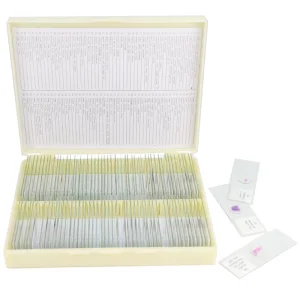
Many plant and animal cell structures can only be studied under a microscope, making prepared slides essential in biology labs. Correct handling, focusing, and storage help students see clearer detail and extend slide-set life.

The 5th Henan Provincial Educational Equipment Expo Concludes Successfully
Themed “Digital Leading Innovation and Development,” the expo reached a record 50,000 m² with 600+ brands and 10,000+ products on display, showcasing the latest educational equipment.

Inside Our Product Showroom
A look at the medical teaching models and training equipment buyers can inspect in person when visiting our Xinxiang facility, including anatomy, nursing, and hospital equipment categories.
Frequently Asked Questions About China Full-Body CPR Manikin Sourcing
Direct answers for procurement managers, distributors, medical educators, and training companies preparing an inquiry or tender.
Is Yulin Medical a manufacturer or a trading company?
What quality certification does the factory hold?
Do you support OEM, private label, and custom packaging?
What is a full-body CPR manikin, and who should buy one?
How do I choose between a full-body manikin, a torso manikin, and a feedback manikin?
Which documents should I request before ordering?
What is the MOQ and typical lead time?
How should hygiene and consumables be managed?
Can I combine CPR manikins with other medical teaching models in one order?
How quickly will I receive a reply?
Need Specifications, a Sample Plan, or a Tender Package for Full-Body CPR Manikins?
Tell us your target market, learner groups, quantities, packaging requirements, and compliance needs. The team can recommend suitable models, prepare a mixed-category quotation, and propose a practical shipping plan.
Remaining 8 Factory-Direct Items for Integrated Medical and Educational Sourcing
The final eight original product cards are preserved below with their images and product URLs. Together with the banner showcase, this page retains all sixteen factory-direct product references in a structured, mobile-friendly layout.
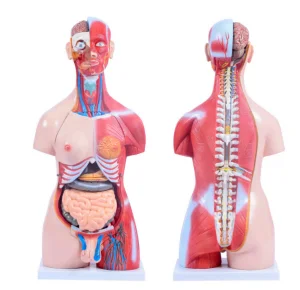
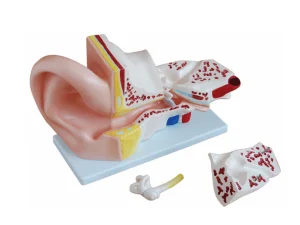
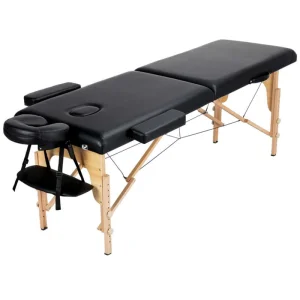
ODM Cheap Price Massage Beauty Table Beauty Salon Massage Bed Spa Massage Cover Bed Factory, Quotes
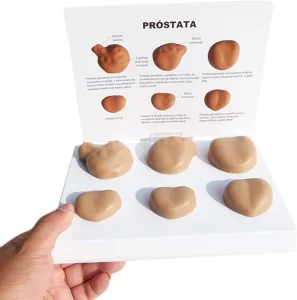
ODM Teaching Model,Human Prostate Model, Prostate Cancer Model, Prostate Mass Anatomical Structure Model Manufacturer, Factory
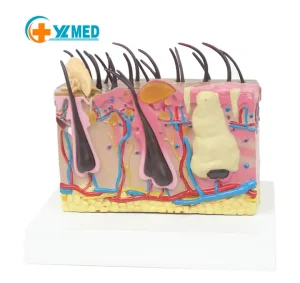
All original product images and product URLs are retained. For CPR manikin specifications, samples, OEM packaging, mixed-category quotations, or tender documentation, contact the Yulin Medical export team directly.