
China Fetal Monitor Factory & Service
An evidence-led 2025 sourcing guide for distributors, hospital groups, tender committees and biomedical engineering teams evaluating China-based obstetrical monitoring manufacturing, Factory 4.0 supply resilience, regulatory documentation, clinical training and long-term after-sales service.
8 Factory-Direct Medical & Training Products for Global Buyers
The eight product cards below preserve the original images, titles and product URLs from the existing medical and educational equipment catalog. They demonstrate the mixed-category sourcing model that distributors can consolidate with fetal-monitor accessories, clinical training resources and hospital-equipment programs. Every original product link is retained and presented with a clear button style for fast inquiry.
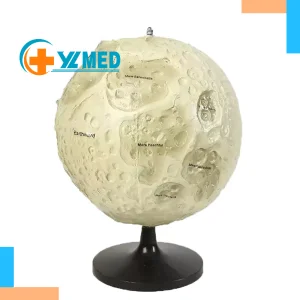
China Geography Teaching Home Craft Decoration Teaching Model of Lunar Structure Geographical Model of Lunar Surface Structure Factories, Pricelist
View product details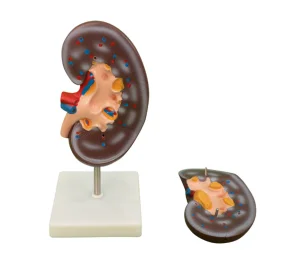
China 2 renal anatomical models Pricelist, Quotes
View product details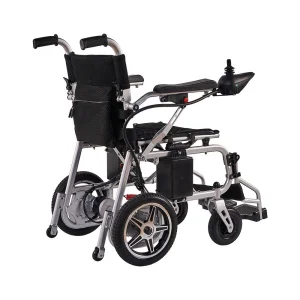
Wholesale High Power Lightweight Carbon Steel Electric Wheelchair Disc Brake Class II Adjustable Foldable Walker Rollator-Factory Direct Manufacturers, Factories
View product details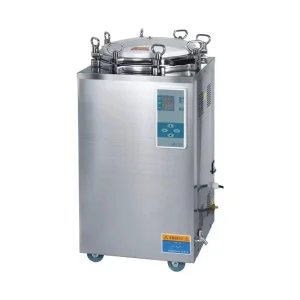
Wholesale Model 150 Liter Vertical Digital Autoclave Sterilizer With High Quality Factory, Quotes
View product details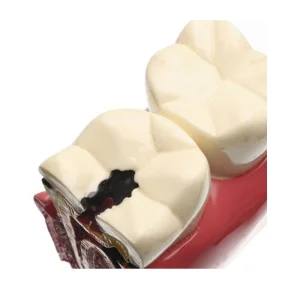
ODM The caries nursing model and the caries teaching research model were compared in the medical science teaching experiment Manufacturers, Quotes
View product details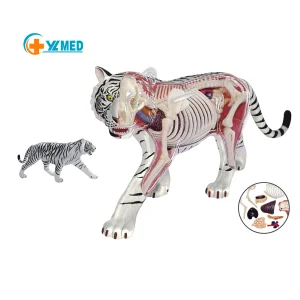
Wholesale Medical Science Teaching Resource 4D Tiger Anatomy Model Class Display Muscle Skeleton and Organ Structure Model Factories, Service
View product details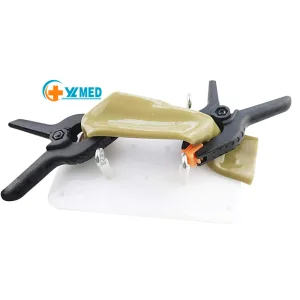
Wholesale Intestinal Suture Model, Trainer Simulator Real Restore Intestinal Suture Practice Kit Practice Teaching Model with 2Pcs Plus Fixed Clip Manufacturers, Service
View product details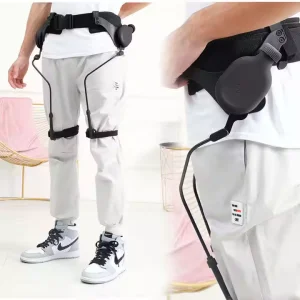
OEM Leg Walker Stroke Hemiplegic Walking Aid Lower Limb Rehabilitation Exoskeleton Aluminum Alloy Frame Foldable Portable Manufacturer, Pricelist
View product detailsWhy China Fetal Monitor Factory & Service Is a Strategic Procurement Decision
Fetal monitoring is not a commodity purchase. A cardiotocography (CTG) monitor sits at the intersection of electrical safety, transducer reliability, signal-processing validation, clinical workflow, cybersecurity and long-term service.
Buyers searching for a China fetal monitor factory and service partner are not only comparing unit price. They are comparing a supplier's ability to control critical components, prove performance through validation records, train clinicians, supply consumables and keep installed systems available for eight to ten years or longer.
For hospitals, distributors and government tender teams, the strongest sourcing strategy is to treat the factory and the service model as one integrated system. The factory must demonstrate design control, incoming inspection, production traceability and change management. The service organization must demonstrate installation support, user training, preventive maintenance, calibration, spare-parts logistics, remote diagnostics and a clear escalation path for clinical or technical incidents.
China's manufacturing ecosystem has matured in both dimensions. Electronics clusters, transducer specialists, injection-molding suppliers, cable assemblies, display modules and software teams can be coordinated within a relatively short radius. For buyers, this can reduce development cycles, improve responsiveness and support customized packaging, language interfaces and regional service kits.
- Evaluate the factory against product-specific regulatory requirements, not only general ISO 9001 claims.
- Verify transducer accuracy, cable durability, alarm behavior and data continuity before volume orders.
- Require a documented service model with response times, spare-parts lists, training and calibration intervals.
- Plan a mixed-category sourcing program that can consolidate clinical training models, hospital equipment and accessories.
Manufacturing & Service Credentials to Benchmark
Yulin Medical, operated by Henan Yulin Edu. Project Co., Ltd., provides a useful reference point for the documentation discipline and long-term supply stability that global buyers should seek in a medical equipment manufacturing base.
From CTG Hardware to Connected Obstetrical Surveillance
Fetal monitor factories in China are no longer competing only on hardware assembly. The strongest suppliers are building connected monitoring platforms supported by validated software, clinical education and lifecycle service.
Pattern Recognition with Clinical Oversight
AI-assisted CTG interpretation can help clinicians flag baseline abnormalities, decelerations and contraction patterns. The commercial value depends on transparent validation, alarm sensitivity, false-positive control and clear labeling that keeps the clinician in charge.
Mobility for Labor and Delivery
Wireless fetal and uterine transducers support maternal mobility, reduce cable clutter and improve workflow in active labor. Buyers should verify battery life, signal range, pairing security and fallback behavior when the wireless link is interrupted.
Central Stations and EMR Integration
Central monitoring allows one team to view multiple labor rooms, escalate alerts and review trends. HL7 or FHIR integration with the electronic medical record is increasingly requested in tenders, alongside audit trails and role-based access control.
Software Lifecycle and Data Protection
Networked fetal monitors require secure update processes, vulnerability management, encrypted transmission and record retention controls. A China fetal monitor factory should be able to provide software bills of materials, patching policy and cybersecurity documentation on request.
Maternal and Fetal Data in One Workflow
Modern obstetric units increasingly look for fetal heart rate, uterine activity, maternal blood pressure, pulse oxygen and temperature in a unified viewing environment. This reduces transcription risk and supports rapid clinical review during emergencies.
Remote Diagnostics and Predictive Maintenance
Connected service platforms can log faults, track transducer usage, prompt preventive maintenance and support remote troubleshooting. For distributors, this capability can reduce downtime and improve contract renewal value in after-sales service.
What Hospitals, Tenders and Distributors Are Really Asking For
Procurement intent has shifted from “Can you supply a monitor?” to “Can you prove clinical suitability, regulatory readiness, service coverage and lifecycle cost?” This is especially important in maternal health, where downtime can affect labor-ward decisions.
Public tenders often evaluate technical specifications, warranty terms, training, spare parts and local service. Private distributors evaluate resale support, packaging, documentation, lead times and the supplier's ability to resolve complaints. Both sides are asking the same underlying question: will this factory still support the installed base after the first shipment?
The buyer-intent vocabulary around “China fetal monitor factory” includes terms such as fetal heart rate monitor supplier, CTG machine manufacturer, obstetrical monitoring service, OEM fetal monitor, wireless fetal telemetry, central monitoring station and maternal-fetal monitor after-sales support. A credible factory page or whitepaper should address these intents with concrete evidence rather than generic claims.
- Regulatory dossier: ISO 13485, IEC 60601-1, EMC, risk management, software lifecycle and clinical evaluation evidence.
- Clinical fit: adult and fetal parameters, transducer options, CTG display, alarms, trend review and central monitoring.
- Service readiness: installation, user training, preventive maintenance, calibration, spare parts and RMA handling.
- Commercial readiness: MOQ, sample policy, private label, packaging, lead time and export documentation.
Illustrative Buyer Scorecard
Use this model to align technical, clinical and commercial stakeholders before a supplier audit or tender award.
Supply Chain Resilience and Efficiency Advantages
China's medical-device manufacturing advantage is not simply labor cost. It is the density of supporting industries, the speed of engineering iteration, the availability of electronics and precision components, and the ability to scale production while maintaining traceability.
MES, ERP and Traceability
Factory 4.0 practices connect production orders, component lots, inspection results and shipment records. For fetal monitors, traceability is critical for transducers, cables, boards, displays and software versions, especially when service actions require batch-level identification.
SPC and Automated Inspection
Automated optical inspection, functional test fixtures, aging tests and statistical process control help reduce variation. A serious supplier should be able to show how critical parameters are measured, how limits are set and how nonconforming units are handled.
Dual Sourcing and Change Control
Resilience comes from qualified alternative suppliers, buffer stock for critical components and a formal change-notification process. Buyers should ask how the factory manages component shortages without unapproved substitutions that could affect safety or performance.
Rapid Prototyping and Customization
Close proximity to electronics, tooling, packaging and injection-molding suppliers can shorten design iterations. For distributors, this supports private-label housings, language interfaces, regional power cords, packaging design and service-kit configuration.
Mixed-Category Shipment Efficiency
Hospitals and distributors often buy fetal monitors together with training models, hospital furniture, sterilization equipment and rehabilitation aids. A factory ecosystem that supports mixed-category consolidation can reduce supplier management cost and shipping complexity.
Documentation and Packing Discipline
Export-ready factories provide commercial invoices, packing lists, declaration documents, certificate-of-origin support and protective packaging. For delicate monitors and transducers, drop-test design and moisture protection are part of product reliability.
What a Reliable China Fetal Monitor Service Program Should Include
Service is not a warranty sentence on a quotation. It is an operating model with people, documents, spare parts and measurable response times. The following structure helps procurement teams compare suppliers fairly.
Factory Evidence Package
- Quality management system certificate and product-specific regulatory documentation.
- Risk management file aligned with ISO 14971 and software lifecycle records aligned with IEC 62304 where applicable.
- Electrical safety and EMC test reports, including applicable IEC 60601 requirements.
- Design verification and validation, usability evaluation and clinical evidence appropriate to the claimed indications.
- Incoming inspection, in-process inspection, final inspection and calibration records.
- Software release notes, cybersecurity policy, update procedure and known-issue management.
- Transducer performance testing, cable durability testing and replacement-part specifications.
Service Evidence Package
- Installation qualification and commissioning checklist.
- Clinical user training, biomedical engineering training and refresher options.
- Preventive maintenance schedule, calibration interval and performance verification procedure.
- Recommended spare-parts list with lead times and minimum stock recommendations.
- Helpdesk channels, escalation matrix, response targets and RMA workflow.
- Remote troubleshooting capability and access to software updates.
- End-of-life policy and long-term availability commitment for critical accessories.
Where Fetal Monitoring Performance Is Proven
Different clinical environments require different configurations. The same monitor model may need a central station in a large maternity hospital, a compact stand-alone configuration in a district clinic and a robust telemedicine workflow in a regional network.
Continuous Intrapartum Monitoring
High-acuity labor wards need reliable CTG traces, visible alarms, central surveillance and rapid review of deceleration patterns. Transducer stability and cable management directly affect usability during active labor.
Intermittent and High-Risk Assessment
Antenatal departments often need compact monitoring for high-risk pregnancies, maternal vital signs and documentation for follow-up. Integration with patient records improves continuity and reduces manual transcription.
Simple Operation and Low Maintenance
District and community hospitals value intuitive interfaces, clear alarms, durable transducers and straightforward preventive maintenance. Training materials and local-language labeling can be as important as advanced features.
Fast Setup and Battery Resilience
Emergency departments and referral centers need quick startup, battery backup and stable operation during patient transfer. Alarm escalation and clear displays support urgent decision-making.
Regional Interpretation Networks
Telemedicine models allow central experts to review CTG traces from remote clinics. Buyers should evaluate network security, data retention, image quality and the process for communicating urgent findings.
Clinical Education and Skills Labs
Medical schools and simulation centers pair CTG interpretation training with CPR manikins, suture kits, anatomy models and prepared slides. Consolidated purchasing from an established medical education supplier can simplify program setup.
12 Checks Before You Approve a China Fetal Monitor Factory
Use these checks to structure a factory audit, tender clarification or distributor due-diligence review. They are designed to reveal information gain beyond a standard price list.
1. Define clinical scope
Specify intended use, parameters, central-station needs, mobility requirements and local regulatory pathway.
2. Verify product registration
Confirm the monitor and accessories have the correct registration, certificates and test reports for your market.
3. Review the risk file
Ask how risk management, usability engineering and software lifecycle are controlled and maintained.
4. Test transducers
Check signal stability, cable durability, belt compatibility, cleaning instructions and replacement cost.
5. Validate alarms
Review alarm limits, escalation logic, silence behavior and clinical workflow under simulated events.
6. Inspect cybersecurity
Request update policy, access control, network architecture and vulnerability-handling process.
7. Audit production line
Confirm functional test, aging test, calibration equipment and traceability from component lot to shipment.
8. Check service depth
Interview the service team about response times, escalation, spare-parts stock and remote diagnostics.
9. Plan training
Require user training, biomedical engineering training and refresher materials in the required language.
10. Calculate TCO
Compare purchase price, accessories, calibration, warranty, freight, training and expected downtime.
11. Confirm change control
Require written notification before component, firmware or software changes that could affect performance.
12. Secure lifecycle support
Agree on spare-parts availability, software support period and end-of-life notification.
Yulin Medical: A 60+ Year Manufacturing Base for Medical Education and Hospital Equipment
Henan Yulin Edu. Project Co., Ltd. (Yulin Medical) has built educational and medical training equipment in Xinxiang, Henan, China, for more than six decades. Its quality management system has been ISO 9001 certified since 2008, and its operating motto is “quality first, service first.”
Founded in 1958, the company integrates scientific research, production and sales. With registered capital of RMB 120 million and more than 200 professional employees, Yulin Medical manages product development, manufacturing, inspection and export from its base at No. 8, Daoqing Road, Industry Park, Hongqi District, Xinxiang. Its public catalog covers anatomy models, biology prepared slides, dental tools, general teaching models, hospital furniture, hospital machines, medical apparatus, nursing models, skeleton models and suture kits.
For global buyers compiling a broader maternal-child, clinical training or hospital-equipment portfolio, Yulin Medical illustrates the manufacturing and service disciplines that should also be verified in a China fetal monitor factory: documented inspection, private-label packaging capability, mixed-category consolidation, 24-hour export communication and long-term supply stability.
The company's in-house design team supports private-label packaging and product presentation for distributors. Mixed-category orders can be consolidated into one shipment with one point of contact, reducing supplier-management overhead. The export team is online seven days a week and typically replies within 24 hours with catalogs, specifications and shipping options.
 Headquarters & factory, Xinxiang
 Production workshop
 Bulk export packing
One Accountable Supplier Across 10 Product Lines
Procurement teams can source simulation, laboratory and hospital equipment from an ISO 9001 certified manufacturer instead of managing many small suppliers. The category map below preserves the original product-category links.
24/7 Responsive Service
The team is online 24 hours a day, 7 days a week. Whatever the time zone, buyers receive a detailed answer as quickly as possible, typically within 24 hours.
Design & Packaging Team
In-house specialists deliver professional product design and private-label packaging that strengthens distributor brands and increases resale value.
Professional Expertise
The vision is to provide professional educational and medical training products from mainland China under ISO 9001 process control and decades of category knowledge.
60+ Years of Supply Stability
A factory with more than 60 years of history and an integrated partner supply chain helps meet one-stop demands and keep lead times predictable.
Share Requirements
Send product types, quantities, target market and tender or certification needs.
Catalog & Proposal
Receive matched models, specifications, packaging options and shipping suggestions.
Sample Evaluation
Test samples with instructors or clinicians before confirming bulk production.
Production & QC
Manufacturing and inspection follow the ISO 9001 quality management system.
Export & Support
Protective export packing, delivery coordination and responsive after-sales service.
Practical Insights from the Manufacturing and Training Team
Original educational and exhibition content is retained to support buyers who evaluate a supplier's applied expertise, not only its production capacity.

Do You Really Know How to Observe Biological Prepared Slides?
Many plant and animal cell structures can only be studied under a microscope, which makes prepared biological slides essential in every biology lab. Yet many users never get the full value from them. Our specialists explain how to handle, focus and store slides correctly so students see clearer detail and slide sets last for years.

The 5th Henan Provincial Educational Equipment Expo Concludes Successfully
Themed “Digital Leading Innovation and Development,” the expo reached a record 50,000 m² with 600+ brands and 10,000+ products on display, showcasing the latest educational equipment.

Inside Our Product Showroom
A look at the medical teaching models and training equipment buyers can inspect in person when visiting the Xinxiang facility.
Frequently Asked Questions from Global Importers and Hospital Buyers
These answers address both fetal-monitor sourcing intent and the original company questions most often raised by procurement teams before a first order.
Is Yulin Medical a manufacturer or a trading company?
Yulin Medical is the brand of Henan Yulin Edu. Project Co., Ltd., a manufacturer founded in 1958 with its own factory in Xinxiang, Henan, China, and more than 200 professional staff. For one-stop orders, the company also coordinates a stable network of long-term partner factories.
What quality certification does Yulin Medical hold?
The quality management system has been ISO 9001 certified since 2008. Product-specific documentation can be provided on request to support tenders and import registration in your country.
Do you support OEM, private label and custom packaging?
Yes. The in-house design team develops private-label packaging and product presentation for distributors, helping increase shelf appeal and resale value in local markets.
What should a China fetal monitor factory provide for regulated markets?
Request product-specific registration status, electrical safety and EMC test reports, risk management evidence, software lifecycle documentation, labeling, traceability records and a clear change-control process. For clinical claims, ask for validation evidence appropriate to the intended use.
How do I choose the right fetal monitor configuration?
Start with the clinical setting: labor and delivery, antenatal clinic, district hospital, emergency department or telemedicine network. Confirm required parameters, transducer options, central-station capability, battery performance, EMR integration, training needs and local service availability before comparing price.
What service model should be included in the quotation?
Ask for installation support, user training, preventive maintenance intervals, calibration requirements, spare-parts list, warranty terms, response targets, RMA procedure and software-update policy. A strong service model is measurable and documented.
Can samples be provided before bulk production?
Sample evaluation is strongly recommended. Confirm whether sample cost is refundable against the bulk order, how long evaluation takes, which accessories are included and whether the sample matches the final production configuration.
How do you manage spare parts and transducer replacement?
Request a recommended spare-parts kit, transducer compatibility list, cable and belt specifications, minimum stock guidance and lead times. For distributors, local stock of high-wear accessories can significantly improve after-sales service quality.
How do I choose the right CPR training manikin when bundling maternal-child training?
Match the manikin to the learner group—adult, child or neonatal—then check that real-time feedback covers compression depth, rate and ventilation. Confirm alignment with current resuscitation guidelines and decide whether AED trainer integration is required. For advanced life-support programs, an ACLS simulator with embedded scenarios offers more assessment value than a basic torso.
How quickly will I receive a reply?
The export team is online 7 days a week and typically replies within 24 hours with catalogs, specifications and shipping options.
8 Additional Factory-Direct Medical & Training Products
The second set of eight original products completes the preserved product portfolio. Each image, title and product URL remains intact, with a button-style link for inquiry and specification requests.
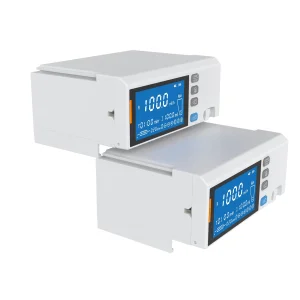
ODM Portable Automatic Volumetric Infusion Pump With LCD Touch Screen Clinic Portable IV Fluid Infusion Pump for Emergency & Clinics Manufacturer, Quotes
View product details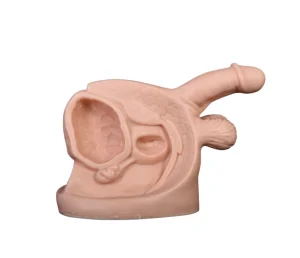
OEM Model of advanced male internal and external genitalia Factories, Pricelist
View product details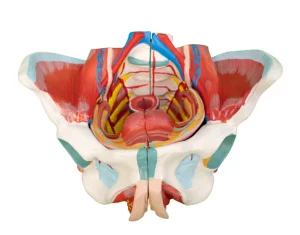
China Life Size Human Female Pelvis Model with Pelvic Floor Muscles, Vessels Nerves & Reproductive, 4 Parts Removable Organs, for the teaching of physiology and hygiene in the teaching of anatomy schools Factories, Quotes
View product details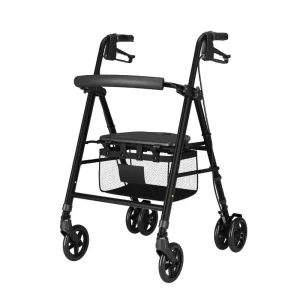
Wholesale Multifunctional Four-Wheel Shopping Trolley Outdoor Elderly Walker Disabled Bone Folding Rollator Manufacturer, Factory
View product details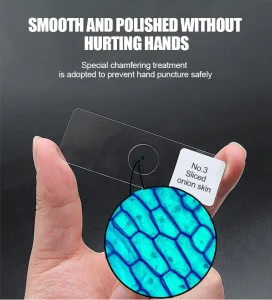
OEM 1pcs human bone marrow smear Giemsa Stain, wholesale prepared microscope slides Factories, Pricelist
View product details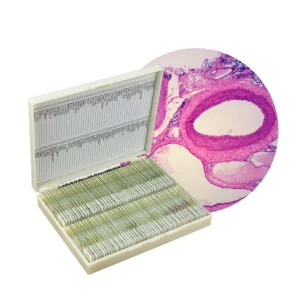
China Teaching advanced human histopathology slides wholesale, university standard, factory direct sales Factory, Service
View product details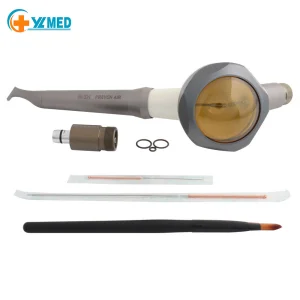
ODM Oral medical equipment can be sterilized at high temperature Dental sandblasting gun supragingival whitening cleaning machine Factory, Pricelist
View product details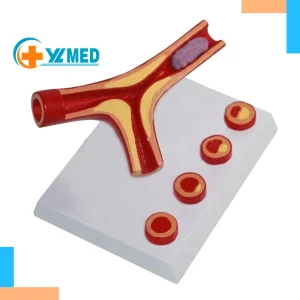
China Medical Science Human Arterial Thrombosis and Sclerosis Teaching Model Atherosclerosis Model Manufacturer, Quotes
View product detailsNeed Specifications, a Price List or a Tender Package?
Tell us your target market, clinical application, quantities and certification requirements. The product team can recommend suitable models, share detailed specifications and propose an economical shipping plan. For mixed-category medical and educational equipment orders, one point of contact can coordinate the full shipment.