First 8 Products for Human Anatomical Model & Medical Training Pricelist Requests
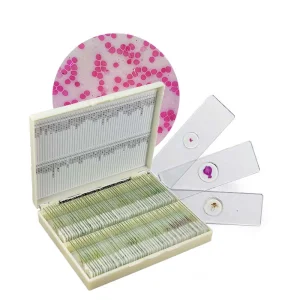
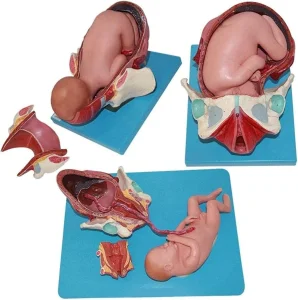
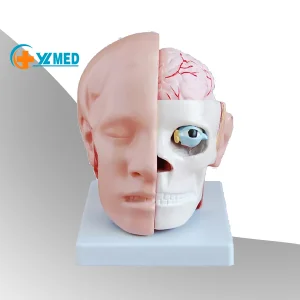
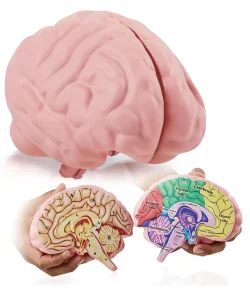
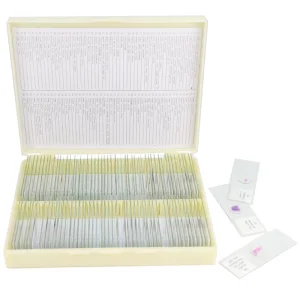
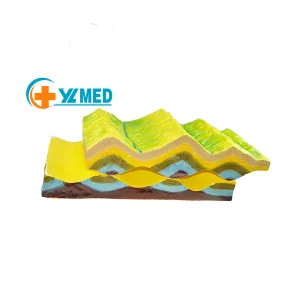
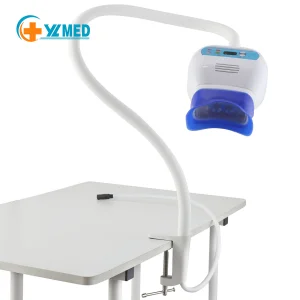
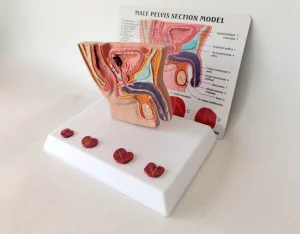
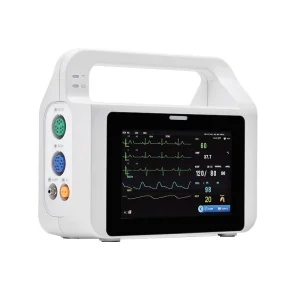
These eight items represent the practical starting point for many overseas buyers searching for a China anatomical model human manufacturer. They cover cavity and throat anatomy, head anatomy, brain structure, prepared slides, geology teaching resources, dental whitening equipment, male pelvic anatomy and portable clinical monitoring. Every image and product URL below is preserved from the original showcase so procurement teams can evaluate the exact models first, then request a consolidated quotation.
A Practical Guide to China Anatomical Model Human Manufacturer & Pricelist Decisions
Henan Yulin Edu. Project Co., Ltd. (Yulin Medical) has built educational and medical training equipment in Xinxiang, China, since 1958. Its quality management system has been ISO 9001 certified since 2008, and the company motto remains simple: quality first, service first. Registered capital is RMB 120 million, with more than 200 professional staff managing product development, manufacturing, inspection and export from No. 8, Daoqing Road, Industry Park, Hongqi District, Xinxiang, Henan, China.
The search phrase “China anatomical model human manufacturer & pricelist” sits at the intersection of product research and commercial due diligence. A medical school may need a numbered human torso for classroom demonstrations. A distributor may need OEM packaging and a stable repeat-order price. A hospital may need a pelvic model for patient education. A tender agent may need documentation, packing lists and a supplier that can consolidate anatomy models, prepared slides, dental equipment and hospital furniture into one shipment. These are different search intents, yet they share one requirement: the supplier must be verifiable, technically competent and commercially transparent.
Yulin Medical is not positioned as a single-product trader. The company operates across ten product lines: anatomy models, biology prepared slides and accessories, dental tools and equipment, general teaching models, hospital furniture and equipment, hospital machines and tools, medical apparatus and instruments, medical nursing models, skeleton models, and suture pads and kits. This breadth matters because overseas buyers increasingly prefer one accountable manufacturer for mixed-category orders rather than coordinating five or six suppliers, each with separate packing standards, lead times and after-sales contacts. For one-stop orders, Yulin Medical also coordinates a stable network of long-term partner factories, while keeping a single point of contact for the buyer.
A pricelist request should therefore be treated as a specification conversation, not a race to the lowest unit price. The most useful RFQ includes the anatomical region or product category, preferred scale and material, numbering and labeling language, target market, estimated annual quantity, packaging requirements, tender documentation needs and expected delivery window. With that information, a manufacturer can recommend the right SKU, confirm whether customization is realistic, explain the inspection plan and propose an economical shipping plan. This is the information gain that separates a useful supplier response from a generic PDF price sheet.
Why Serious Buyers Compare More Than a Unit Price
Google’s search quality framework rewards pages that demonstrate experience, expertise, authoritativeness and trust. For a commercial query such as “China anatomical model human manufacturer & pricelist”, that means answering the questions behind the query: Can the supplier actually manufacture? What evidence supports quality control? How are models packed for export? What documentation is available for tenders? Can a mixed order be consolidated? A page that only lists product names creates little information gain. A page that explains the factory, the material options, the compliance workflow, the packing logic, the inspection steps and the localization support gives procurement teams something decision-useful.
Product-Led Intent
Queries often name a specific anatomy area, such as throat cavity, brain cross-section, male pelvis or endocrine organs. These buyers need clear images, numbered structures, dimensions, material choices and whether the model is suitable for classroom demonstration, patient education or clinical training.
Commercial Intent
Terms such as manufacturer, factory, OEM, ODM, quotes and pricelist signal a buyer moving toward a purchase decision. The response should clarify MOQ, sample policy, private-label packaging, consolidation options, Incoterms and lead-time planning without forcing the buyer through a generic catalog.
Trust & Documentation Intent
Institutional buyers and tender agents need ISO 9001 evidence, product-specific documents where applicable, packing lists, commercial invoices, certificate of origin support and clear communication about local regulatory responsibilities. Trust is built by what can be verified.
The Next Generation of Human Anatomical Models
The future of anatomical models is not only about more detailed sculpting. It is about material realism, modular teaching design, digital learning support and serviceable products that remain useful for years in high-touch classrooms and clinical training environments. For procurement teams, the roadmap matters because it affects total cost of ownership, curriculum compatibility and repeat-order consistency.
Material Systems & Tactile Realism
Future human anatomical models will combine PVC, silicone-like soft materials, reinforced resin and 3D-printed prototypes to balance realism, durability and cleanability. Buyers should ask how colors are stabilized, whether surfaces resist typical classroom cleaning agents, and whether replacement parts can be supplied after the initial order.
Modular & Magnetic Connections
Magnetic and keyed connections allow organs to be removed, rotated and reassembled without fragile pins. This supports small-group teaching, self-assessment and demonstration. Future models can use pathology inserts so one torso platform serves normal anatomy, disease education and clinical discussion.
Digital Learning Layer
QR-linked labels, short demonstration videos and augmented-reality overlays can extend a physical model into a blended-learning resource. The strongest design remains useful without a smartphone, while the digital layer adds pronunciation, structure lists, quiz prompts and teacher notes for schools that have devices.
Sustainable & Serviceable Design
Replaceable organ modules, recyclable packaging and clearer batch traceability reduce waste. Future procurement criteria will likely include repairability, spare-part availability, packing optimization and documented material choices, not just the initial unit price.
From Classroom Demonstration to Clinical Simulation
Anatomical models are used differently across institutions. A university may prioritize detailed structure and durability; a primary school may prioritize visual clarity and safe handling; a hospital may prioritize patient communication and informed consent; a distributor may prioritize packaging, catalog appeal and repeat-order availability. The following solution map reflects those real-world use cases.
Medical Universities & Nursing Colleges
Human torso, head, brain, pelvic and endocrine models support anatomy lectures, nursing assessment and clinical skills demonstration. Numbered structures and removable parts help instructors explain relationships between systems without relying only on screens.
K12 STEM & Biology Laboratories
Early education organ models, molecular models, geology displays and prepared microscope slides make abstract science visible. Buyers should specify age suitability, small-part risk, language of labels and whether the product will be used for demonstration only or hands-on student activity.
Hospitals, Clinics & Patient Education
Pelvic cavity, organ and disease-stage models help clinicians explain diagnoses, treatment options and rehabilitation in plain language. Portable monitoring devices, hospital beds and dental equipment can be consolidated with teaching models for clinic projects and distributor stock orders.
Emergency, Dental & Rehabilitation Training
CPR and nursing manikins, AED trainers, emergency splints, suture pads, dental chairs and rehabilitation aids serve training centres, ambulance services, dental schools and mobility-care distributors. Matching the model to the learner group and curriculum is more important than simply choosing the lowest-priced SKU.
What International Procurement Teams Need Beyond the Model
Localization is not a translation task added at the end of production. It affects labeling, instructions, packaging, tender documents, import registration and after-sales communication. A reliable China anatomical model human manufacturer should be able to explain what is standard, what is customizable and what remains the importer’s responsibility under local regulations.
Documentation for Tenders
ISO 9001 certification, commercial invoices, packing lists, material declarations and certificate of origin support can be prepared for procurement files. Product-specific test reports or technical documents can be discussed on request for tender and import-registration workflows.
Labeling & Language Review
Export orders can be planned with buyer-supplied label text, private-label artwork and packaging layout review. For educational products, clear structure names, part numbers, warnings and recommended use statements improve classroom usability and reduce support requests.
Quality Management & Traceability
The quality management system has been ISO 9001 certified since 2008. Production planning should include incoming material checks, in-process inspection, final inspection and batch-related records so that repeat orders remain consistent and issues can be investigated quickly.
Export Packing & After-Sales
Anatomical models require protective packing that balances cost with damage risk. Fragile structures, small removable parts and display bases may need foam, separators or reinforced cartons. The export team is online seven days a week and typically replies within 24 hours with catalog, specification and shipping options.
Supply Chain Resilience & Efficiency Advantages
“Factory 4.0” is often presented as a robotics story, but for buyers the practical value is data discipline: predictable specifications, documented inspection, stable supplier inputs, efficient mixed-category consolidation and clear communication when a product or packaging detail changes.
Integrated Engineering & Tooling
Prototype review, mold and tooling coordination, sample evaluation and production handover can be managed with a named contact. This shortens the feedback loop when a distributor needs private-label packaging or a modified anatomical structure.
Henan Supply-Chain Cluster
Long-term relationships with local material and component suppliers support stable lead times, replacement-part sourcing and cost control. For one-stop orders, the network helps consolidate anatomy models, slides, dental items and hospital furniture without losing accountability.
Process Control & Inspection
Quality is built at incoming material inspection, assembly, finishing and final packing. Visual checks, fit checks, label verification and packaging inspection reduce the risk of mismatched parts or damaged displays arriving at the distributor’s warehouse.
Export Consolidation Efficiency
Mixed-category orders can be packed into one shipment with one point of contact. This reduces administrative workload for distributors and creates a cleaner landed-cost picture, especially for buyers who source multiple product lines for schools, hospitals or dealers.
A Buyer Checklist for Human Anatomical Model Pricelists
Enterprise buyers, distributors and tender agents usually evaluate five areas before placing a first order: technical fit, compliance documents, commercial terms, total landed cost and supply continuity. A well-structured pricelist should support those decisions rather than hide behind a single unit price.
Technical Specification
Confirm anatomical region, scale, number of parts, numbered or labeled structures, material, base type, language and intended learner group. For custom work, provide reference images, dimensions and an acceptance checklist before sampling.
Commercial Terms
Clarify MOQ, sample cost, packaging, Incoterms, payment schedule, lead time, warranty and spare-part policy. If the order supports a tender, state the documentation deadline early so the export team can plan the paperwork.
Total Landed Cost
Compare unit price together with export packing, freight, duty, damage risk and administrative effort. Consolidating multiple product lines into one shipment can reduce handling complexity and improve stock planning for distributors.
Supply Continuity
Ask how repeat orders remain consistent, how product changes are communicated and how replacement parts are handled. A manufacturer with decades of history and a stable partner network is better positioned to support long-term catalogues and tender commitments.
Why Distributors and Institutions Partner with Yulin Medical
Four strengths overseas buyers consistently cite when they move long-term orders to our factory: responsive service, private-label support, professional category expertise and six decades of supply stability.
24/7 Responsive Service
Our team is online 24 hours a day, 7 days a week. Whatever your time zone, you receive a detailed answer as quickly as possible, typically within 24 hours.
Design & Packaging Team
In-house specialists deliver professional product design and private-label packaging that strengthens your brand and increases the added value of every unit you sell.
Professional Expertise
Our vision is to provide the most professional educational and medical training products from mainland China, built under ISO 9001 process control and decades of category knowledge.
60+ Years of Supply Stability
A factory with more than 60 years of history and a deeply integrated partner supply chain lets us meet one-stop demands and keep lead times predictable on repeat orders.
A Transparent 6-Step Process for Overseas Buyers
From first conversation to delivery and replenishment, every stage has a named contact and clear documentation so you can plan stock, tenders and training schedules with confidence.
Share Requirements
Send product types, quantities, target market and any tender or certification needs.
Catalog & Proposal
Receive matched models, specifications, packaging options and shipping suggestions.
Sample Evaluation
Test samples with your instructors or clinicians before confirming bulk production.
Production & QC
Manufacturing and inspection follow our ISO 9001 quality management system.
Export & Support
Protective export packing, delivery coordination and responsive after-sales service.
Replenishment & Feedback
Repeat-order consistency, updated pricelist support and product improvement based on field feedback.
A Six-Decade Manufacturer Trusted by Educators and Clinicians
Founded in 1958, Henan Yulin Edu. Project Co., Ltd. has grown into a well-known educational and medical equipment supplier that integrates scientific research, production and sales. With registered capital of RMB 120 million and more than 200 professional employees, the company manages product development, manufacturing, inspection and export from its base at No. 8 Daoqing Road, Hongqi District, Xinxiang. Its goal is to fully satisfy every customer through dependable quality and attentive service, while continuously developing the skills of the team so that each project is handled by experienced people.
For buyers, this means one accountable manufacturer for anatomy models, nursing simulators, laboratory slides, dental teaching equipment and hospital equipment — consolidated into a single shipment and backed by an ISO 9001 quality system. That operating model is especially relevant for distributors who need catalog breadth, for schools that need dependable replacement supply, and for hospitals that need practical communication between the product, packaging and export teams.
News & Practical Insights from Our Specialists
Exhibition updates and hands-on guidance written by the team that designs and builds our products.
Do You Really Know How to Observe Biological Prepared Slides?
June 28, 2023 · Lab Guide
Many plant and animal cell structures can only be studied under a microscope, which makes prepared biological slides essential in every biology lab. Our specialists explain how to handle, focus and store slides correctly so students see clearer detail and slide sets last for years.
The 5th Henan Provincial Educational Equipment Expo Concludes Successfully
June 28, 2023 · Exhibition
Themed “Digital Leading Innovation and Development”, the expo reached a record 50,000 m² with 600+ brands and 10,000+ products on display, showcasing the latest educational equipment.
Inside Our Product Showroom
Showcase
A look at the medical teaching models and training equipment buyers can inspect in person when visiting our Xinxiang facility. Read more buyer guides, sourcing tips and product comparisons on the Hot Blog.
Frequently Asked Questions from Importers
Straight answers to the questions procurement managers ask most before placing a first order or requesting a human anatomical model pricelist.
Is Yulin Medical a manufacturer or a trading company?
We are a manufacturer. Henan Yulin Edu. Project Co., Ltd. was founded in 1958 and operates its own factory in Xinxiang, Henan, China, with more than 200 professional staff. For one-stop orders, we also coordinate a stable network of long-term partner factories.
What quality certification do you hold?
Our quality management system has been ISO 9001 certified since 2008. Product-specific documentation can be provided on request to support tenders and import registration in your country.
Do you support OEM, private label and custom packaging?
Yes. Our in-house design team develops private-label packaging and product presentation for distributors, helping increase shelf appeal and resale value in your market.
How do I choose the right CPR training manikin?
Start with the learner group: adult, child or neonatal. Then check that real-time feedback covers compression depth, compression rate and ventilation volume; confirm alignment with current AHA resuscitation guidelines; and decide whether your courses need AED trainer integration. For advanced life-support programmes, an ACLS simulator with embedded scenarios offers more assessment value than a basic torso.
How quickly will I receive a reply?
Our export team is online 7 days a week and typically replies within 24 hours with catalogs, specifications and shipping options.
How should I request a pricelist for human anatomical models?
Include the anatomical region, preferred scale, material expectation, numbered or labeled structures, target market, estimated quantities, packaging needs, tender documents required and delivery window. This allows us to recommend suitable SKUs, confirm customization feasibility and propose an economical shipping plan.
Can I consolidate anatomy models, slides, dental tools and hospital equipment in one order?
Yes. Yulin Medical operates across ten product lines and can coordinate mixed-category orders through its factory and long-term partner network. Consolidation reduces the number of suppliers, shipments and after-sales contacts for distributors and institutional buyers.
What documentation can support tenders and import registration?
ISO 9001 certification, commercial invoice, packing list, material declarations, certificate of origin support and product-specific technical documents can be discussed on request. Regulatory approval remains market-specific, so the importer or local agent should confirm registration and labeling requirements before shipment.
Need a Verified Pricelist, Sample Plan or Tender Package?
Tell us your target market, quantities and certification requirements. Our product specialists will recommend suitable models, share detailed specifications and propose the most economical shipping plan for your order.
Additional 8 Products for Consolidated Pricelist Requests
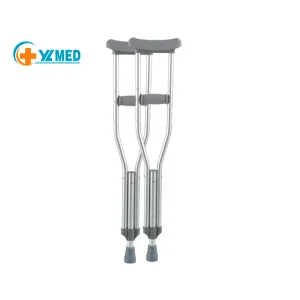
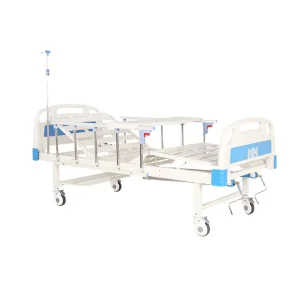
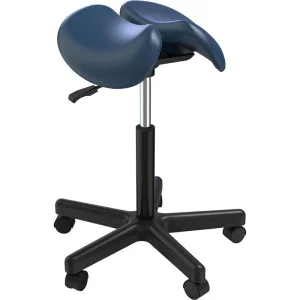
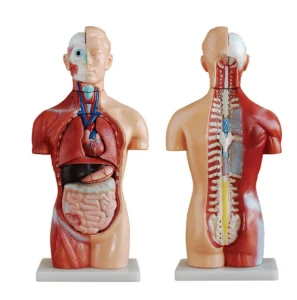
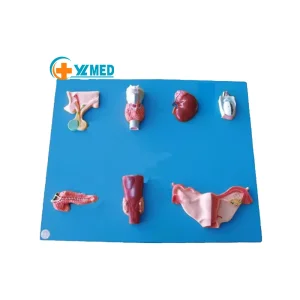
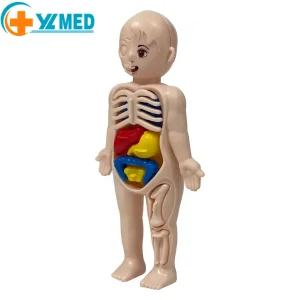
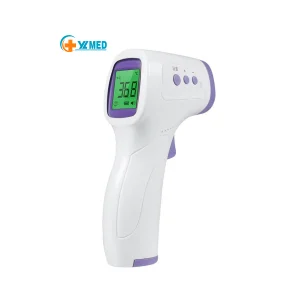
The second product group broadens the sourcing conversation beyond anatomy models into rehabilitation aids, hospital beds, advanced zoology slides, dental seating, full-body torso models, endocrine anatomy, early-education organ models and clinical temperature measurement. These items are particularly useful for distributors building a multi-category catalogue for schools, clinics, hospitals and home-care channels.