
 Morocco Ready
ISO 9001 Certified Factory Since 1958 · Morocco Export Program
Wholesale Hospital Machine and Tools Factory & Pricelist in the Morocco Market
Factory-direct anaesthesia, ultrasound, laboratory, neonatal, endoscopy and cold-chain equipment for Moroccan distributors, private clinics and public tenders — documented, 220V/50Hz configured and export-ready from Xinxiang, China.
Best-Selling Machines for Morocco
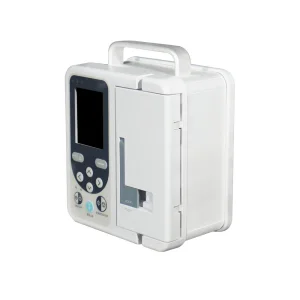
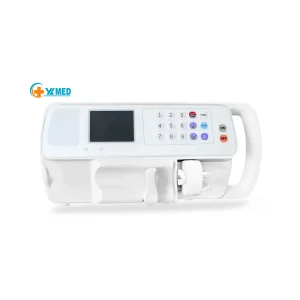
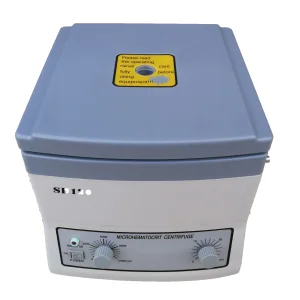
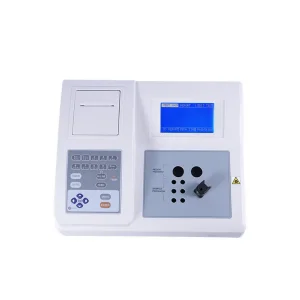
Factory Pricelist Highlights: Four Core Hospital Machines
These are the models most frequently requested by Moroccan importers, private polyclinics and CHU-adjacent distributors — selected for clinical value, serviceability and stable spare-part supply.
Morocco Ready
 Morocco Ready
 Morocco Ready
 Morocco Ready
Morocco Market Brief
The Morocco Hospital Equipment Market at a Glance
Understanding how Moroccan buyers actually purchase, install and service hospital machines is the difference between winning a trial order and building a decade-long channel.
Morocco is in one of the most active phases of healthcare infrastructure investment in its modern history. Demographic change and an expanding burden of non-communicable disease — cardiovascular conditions, diabetes, chronic respiratory disease and oncology — are pushing clinical workloads upward across both public and private facilities. At the same time, the progressive rollout of mandatory health insurance (AMO) and the national health-system reform have moved far more patients into formally funded care pathways. Every additional funded patient eventually becomes demand for a diagnostic device, a monitored bed, a laboratory analyser or a cold-chain unit.
Procurement runs through three distinct channels. University hospital centres (CHU) and regional hospitals buy through formal public tenders, where bidders must supply technical dossiers, compliance certificates, manufacturer authorisation letters and a credible local service commitment. Private polyclinics, specialist centres and clinic chains across Casablanca, Rabat, Marrakech, Tanger and Agadir tend to evaluate faster and weigh price, installation speed and after-sales responsiveness more heavily. The third channel is the distributor-importer who buys wholesale, holds stock and acts as the local technical face of the brand.
Local manufacturing covers a meaningful share of consumables, hospital furniture and basic instrumentation, but advanced imaging, anaesthesia workstations, endoscopy systems, laboratory analysers and ultra-low-temperature cold chain remain structurally import-dependent. That is precisely where a factory-direct wholesale relationship changes the economics for a Moroccan buyer: fewer intermediaries, consistent batch quality and the ability to specify voltage, language and packaging before shipment rather than after arrival.
The practical lesson for importers is that a hospital machine is not a box that ends at the port. It is a document set, a power configuration, an installation visit, a training session and a spare-part promise. Suppliers who understand that Moroccan reality win repeat tenders; suppliers who ship only hardware do not.
Operating Realities That Shape Every Order
Before a quotation is issued, experienced Moroccan buyers normally confirm the following five parameters.
- Grid compatibility: 220V / 50Hz with Type C and Type E plugs configured at the factory, not adapted in the ward.
- Language: French and Arabic dominate clinical and administrative use, so manuals, labels and software menus must reflect that.
- Documentation: tender dossiers require certificates, declarations of conformity and manufacturer authorisation letters.
- Logistics: Tanger Med and Casablanca are the primary sea gateways; Casablanca Mohammed V handles urgent air freight.
- Payment: T/T with deposit balance or documentary L/C for larger tender-linked consignments.
220V / 50HzFactory-configured mains profile
FR / ARLabel and manual localisation
24hQuotation turnaround commitment
10Product lines under one contract
Global Industry Context
What Is Reshaping Hospital Equipment Supply Worldwide
Four structural forces are redefining how hospital machines are specified, priced and supported — and all four favour buyers who work directly with a manufacturing partner.
Connected Equipment
Devices are increasingly specified with data logging, remote diagnostics and firmware updates. Buyers now ask whether a machine can be supported over a network before they ask about its price.
Total Cost of Ownership
Procurement committees now model lifetime cost: failure rate, consumable pricing, spare-part availability and downtime risk. A marginally higher unit price with stronger service economics wins.
Supply-Chain Diversification
Importers are de-risking by qualifying additional manufacturing sources. Factory-direct channels reduce intermediary layers, shorten lead times and enable OEM labelling without a distributor markup.
Standards Convergence
IEC 60601-1 electrical safety, ISO 14971 risk management and ISO 13485 quality systems have become the shared vocabulary of international tenders, including in North Africa.
Against this backdrop, China-based medical equipment manufacturing has moved decisively from price-only positioning toward documented quality, configurable technology and rapid customisation. For Moroccan importers this creates a genuine strategic option: source a broad hospital-machine portfolio from one accountable factory, hold a leaner stock profile, and differentiate in local tenders through service and documentation rather than through price alone.
Localized Application Scenarios
Where These Machines Work Inside Moroccan Care Settings
Nine deployment scenarios that cover the majority of wholesale demand from Moroccan distributors, private clinics and hospital procurement departments.
Emergency & Pre-Hospital Care
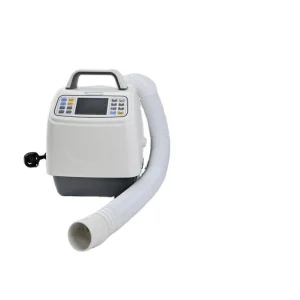
Syringe and infusion pumps, patient warming systems and suction support for emergency departments, SAMU-style pre-hospital teams and private ambulance operators serving major urban corridors.
ICU & Operating Theatre
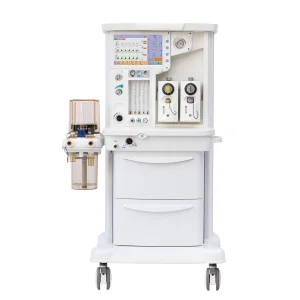
Multifunctional anaesthesia workstations with mobile trolley carts, transfusion shelves and continuous warming for surgical lists that run long into the night in high-volume public hospitals.
Imaging & Women’s Health
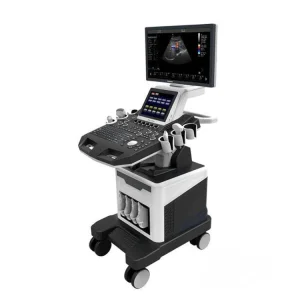
Full digital colour Doppler ultrasound scanners with 3D/4D capability on trolley mounts — a core requirement for obstetrics, abdominal imaging and cardiology in both public and private settings.
Clinical Laboratory
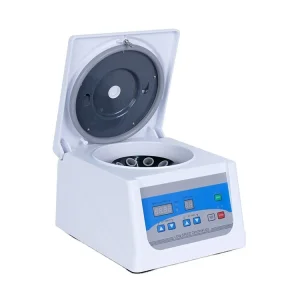
Table-type low-speed centrifuges and a normal-speed laboratory centrifuge line for sample preparation, plus semi-automatic coagulation analysers for PT/INR/APTT screening before surgery and during anticoagulant therapy.
Maternity & Neonatology
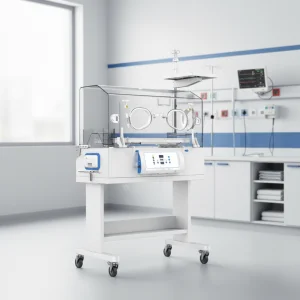
Multifunction electric baby phototherapy units and newborn incubators with high-temperature alarms and transfusion shelves — equipment that directly supports neonatal jaundice management capacity.
Endoscopy Suite
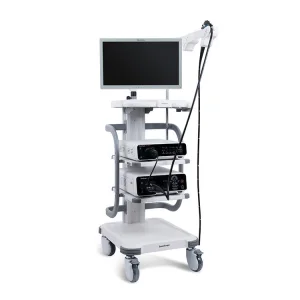
High-definition video gastroscope and colonoscope systems supplied with trolley and monitor, giving district hospitals a complete imaging tower rather than a fragmented component purchase.
Dental Clinics & Oral Care
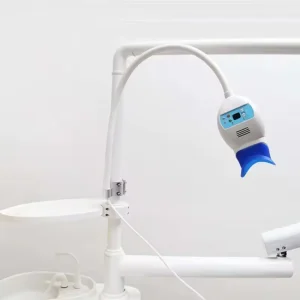
Dental column cold-light whitening instruments on clip-table mounts for oral clinics — a high-turnover aesthetic service line in Casablanca, Rabat and Marrakech private practice.
Cold Chain & Vaccination
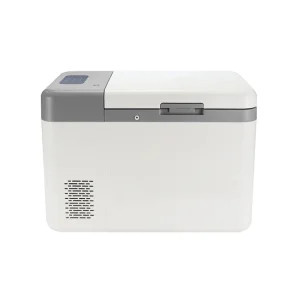
Portable ultra-low-temperature freezers at −86°C in a compact under-table format, supporting vaccine and biological sample transport across 110/220V environments and regional cold-chain networks.
Veterinary & Livestock Services
Veterinary syringe pumps and infusion pumps for companion-animal clinics and livestock health programmes, a segment with strong regional demand across Morocco’s agricultural basins.
Localized Support & Compliance
Localized Support and Compliance Assurance for Moroccan Buyers
A wholesale price is only meaningful when the shipment clears customs, installs correctly and can be serviced six months later. This is how the programme is structured.
Documentation Package
ISO 9001 certificate (held since 2008), product technical specifications, declaration of conformity, manufacturer authorisation letters, commercial invoice, packing list and certificate of origin — the standard set required for Moroccan import clearance and public tender submission.
Power & Plug Configuration
Morocco operates on 220V/50Hz with Type C and Type E sockets. Units are configured and load-tested for this profile before packing, so no step-down transformer or improvised adapter appears in a clinical environment.
Language Localisation
English, French and Arabic labelling options, French-language operation manuals on request, and software menus that can be locked to a preferred working language for clinical staff.
Spare Parts & Service Layer
Recommended fast-mover spare inventory for the distributor: ultrasound probes, filters, light sources, heating elements, pump batteries and fuses. Remote troubleshooting, installation guidance and technician training videos accompany each shipment.
Export Packing & Logistics
Moisture-resistant inner packing with reinforced outer cartons or wooden cases, suitable for sea freight through Tanger Med and Casablanca or air freight via Casablanca Mohammed V. DAP and DDP terms quoted on request.
Tender Support
Assistance with technical compliance statements, model recommendation against a published specification, and consolidated multi-category quotations so a distributor can bid on a full equipment lot rather than a single line.
Technology Roadmap
Technology Roadmap and Future Outlook, 2026–2030
A phased plan for building a durable Morocco channel — moving from compliant supply, through private-label differentiation, toward a regional Maghreb distribution hub.
2026
Documentation & Voltage Localisation
Standardise Morocco-ready document packs, French labelling and 220V/50Hz configuration across all hospital machine lines.
2027
Private-Label Portfolio Build-Out
OEM branding on ultrasound, infusion and laboratory lines, with customised packaging and market-specific model numbering.
2028
Connected Equipment & Remote Diagnostics
Device-level logging and remote fault reading reduce service visits and shorten downtime for distributed clinic networks.
2029
Tender-Ready Turnkey Packages
Bundled ICU, imaging and neonatal packages aligned with hospital expansion and major-event emergency preparedness planning.
2030
Maghreb Regional Hub
Casablanca and Tanger Med positioned as a re-export base serving Mauritania, Senegal and wider West African markets.
Experience · Expertise · Authority · Trust
Who You Are Buying From
Due diligence on a wholesale hospital machine supplier starts with verifiable facts, not marketing claims.
Henan Yulin Edu. Project Co., Ltd. (Yulin Medical) has manufactured educational and medical equipment in Xinxiang, Henan, China since 1958 — more than six decades of continuous production experience. Our quality management system has been ISO 9001 certified since 2008, and our operating principle has stayed unchanged: quality first, service first.
With registered capital of RMB 120 million and more than 200 professional staff, we manage product development, manufacturing, inspection, packing and export from a single facility at No. 8 Daoqing Road, Industry Park, Hongqi District, Xinxiang. Ten specialised product lines allow procurement teams to consolidate anatomy models, nursing simulators, laboratory slides and hospital machines into one shipment, under one contract, with one accountable point of contact.
For the Morocco market specifically, our export team works in English and coordinates French-language materials on request, supports OEM and private-label programmes through an in-house design function, and maintains a stable long-term partner factory network for one-stop orders that exceed a single facility’s scope. Every enquiry receives a documented response — catalogue, specifications, packaging options and shipping recommendations — typically within 24 hours.
1958Founded / factory history
2008ISO 9001 certified
200+Professional staff
¥120MRegistered capital
10Product lines
24hReply commitment
OEMPrivate label & packaging
1-StopMixed-category consolidation
Full Wholesale Range
Hospital Machine and Tools Factory Pricelist — Complete Morocco Range
Eight additional machine lines available for wholesale, tender bidding and OEM programmes. Each product page carries full specifications and a direct quotation route.
 Morocco Ready
 Morocco Ready
 Morocco Ready
 Morocco Ready
 Morocco Ready
 Morocco Ready
 Morocco Ready
 Morocco Ready
Buyer Q&A
Frequently Asked Questions from Moroccan Importers
Direct answers to the questions our export team receives most often from distributors, clinics and tender consultants in Morocco.
Can you supply hospital machines configured for Morocco’s 220V/50Hz supply?
Yes. Morocco operates on 220V/50Hz with Type C and Type E sockets. Every order destined for Morocco is configured, labelled and load-tested for that profile at the factory before packing. Please state this requirement at the quotation stage so the correct configuration and cable set are locked into the production order.
What documents do you provide for Moroccan import clearance and public tenders?
Standard export documents include the commercial invoice, packing list, certificate of origin and bill of lading. Supporting technical documents — ISO 9001 certificate, product specifications, declaration of conformity and manufacturer authorisation letters — can be prepared on request. Importers should also confirm the current device-registration requirements applicable to their specific product category with the relevant Moroccan health authorities before placing a bulk order.
How is your wholesale pricelist structured?
Pricing is quoted per model and tiered by order quantity, with separate lines for OEM private-label programmes and for multi-category consolidated shipments. Because freight, insurance and destination charges vary significantly between sea freight via Tanger Med or Casablanca and air freight via Casablanca Mohammed V, we quote FOB, CIF or DAP options so a distributor can compare landed cost accurately.
What are your minimum order quantities and production lead times?
MOQ depends on the product line: laboratory instruments and smaller devices can be trialled at low unit counts, while imaging and anaesthesia equipment are usually ordered in small batches. Lead times are confirmed per order after specification freeze, typically running from a few weeks for standard catalogue items to longer for private-label production. Repeat orders benefit from pre-approved specifications and shorter queues.
Do you support OEM, private label and Morocco-specific packaging?
Yes. Our in-house design team develops private-label packaging and product presentation for distributors, including market-specific model numbering, French-language labelling options and packaging that improves shelf appeal and resale value in the Moroccan market.
How are spare parts and after-sales handled in Morocco?
We recommend that the distributor holds a fast-mover spare kit covering the items most likely to need replacement — probes, filters, light sources, heating elements, batteries and fuses. Alongside the hardware, we provide remote troubleshooting, installation guidance and technician training materials. Where a site visit is required, the distributor’s own biomedical team normally leads it with our remote engineering support.
Which hospital departments can you cover in a single consolidated order?
Emergency and pre-hospital care, ICU and anaesthesia, imaging and women’s health, clinical laboratory, maternity and neonatology, endoscopy, dental clinics, vaccination cold chain and veterinary services. Consolidating multiple departments into one shipment reduces freight cost and simplifies customs clearance.
How quickly will I receive a response to my enquiry?
Our export team is online seven days a week and typically replies within 24 hours with catalogues, specifications, packaging options and shipping recommendations. For tender deadlines, mark your enquiry as urgent with the submission date and we will prioritise the technical dossier.
Talk to Our Export Team
Need a Morocco Pricelist, Technical Dossier or Tender Package?
Tell us your target city or region, product categories, quantities and any tender or certification requirements. Our specialists will recommend suitable models, confirm 220V/50Hz configuration, prepare the documentation set and propose the most economical shipping plan via Tanger Med or Casablanca.