
Four General Teaching Models for Immediate Osaka Buyer Evaluation
These first four models are especially relevant to distributors and education buyers looking for factory-direct general teaching models with clear product URLs, sample potential and wholesale inquiry paths. The original product links and images are preserved below.
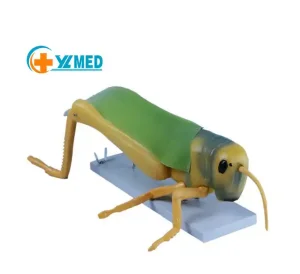
China Medical Science Enlarged Locust Structure Animal Model free 3d animal model life size animal model Factories, Service
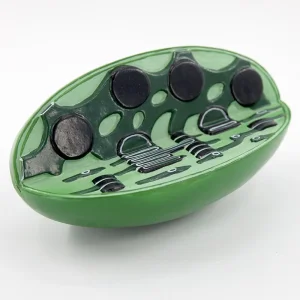
China Biological Teaching Model Plant Anatomical Microscopic Chloroplast Model for School Teaching Tool Factory, Factories
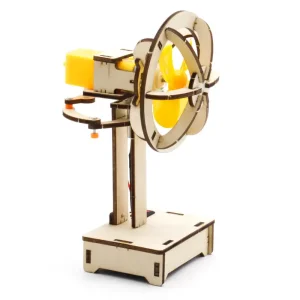
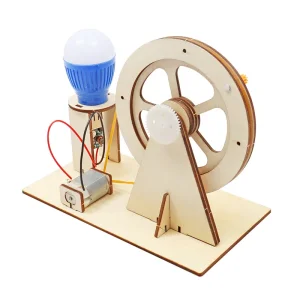
Why Osaka Buyers Search for General Teaching Models Factories & Service
The search phrase “Wholesale General Teaching Models Factories & Service in Osaka” combines three different buying intentions. First, wholesale signals a distributor, trading company or institutional buyer seeking repeatable supply and better landed cost. Second, factories signals due diligence: the buyer wants to know whether the supplier is a manufacturer, what quality system is used and how customization is controlled. Third, service in Osaka signals a practical local requirement: delivery to Osaka, documentation for Japan-bound shipments, packaging suitable for schools, and after-sales support that a local distributor can actually use.
A generic product page rarely answers all three intents. Osaka buyers need more than a picture and a price. They need to assess curriculum fit, material safety, packing resilience, replacement of small parts, OEM packaging, tender documentation and the supplier’s ability to consolidate mixed-category orders. This is where information gain matters. A supplier that explains these decision points is easier to trust than one that repeats the same catalog description.
Factory clarification for Osaka buyers
We operate our factory in Xinxiang, Henan, China. We do not claim to own a manufacturing plant in Osaka. Our Osaka service means export support for Osaka-bound buyers: product specification matching, sample coordination, protective export packaging, documentation, logistics planning to Osaka/Kobe, private-label preparation and after-sales communication. This distinction supports due diligence and reflects our real manufacturing footprint.
Osaka sourcing signals we help address
- Wholesale price logic for distributors and school suppliers
- Factory verification: founded 1958, ISO 9001 since 2008, 200+ staff
- Product documentation for tenders, quotation packages and import checks
- OEM/ODM support for local brands, private labels and packaging
- Mixed-category export packing to reduce handling risk
- Responsive communication across time zones, typically within 24 hours
Osaka’s Local Commercial and Industrial Context for Teaching Models
Osaka is a commercial gateway for the Kansai region and an important distribution base for western Japan. Its relevance to general teaching models goes far beyond geographic convenience.
Education and Science Clusters
Osaka and the wider Kansai region host public and private schools, universities, teacher-training institutions, science museums and after-school STEM programs. Procurement teams often require visual models that support classroom demonstration, geography lessons, biology explanations and hands-on science activities.
Distributors and Trading Houses
Osaka has a strong trading and distribution culture. Educational equipment distributors and importers often bundle multiple product lines into one shipment. They value a factory that can supply science kits, geography models, astronomy demonstrations and laboratory teaching aids with one point of contact.
Museums, Exhibitions and Edutainment
Museums and science communication venues in Osaka require durable, visually engaging teaching models. The momentum around Expo 2025 Osaka-Kansai has further highlighted hands-on science, sustainability, robotics and experiential learning—areas where well-made mechanical models and STEM kits remain highly relevant.
Ports and International Logistics
Osaka and nearby Kobe provide established logistics infrastructure for importers serving western Japan. For general teaching models, logistics planning must consider volumetric packing, protection of fragile parts, mixed cartons and efficient consolidation rather than only the lowest freight rate.
Public Procurement and Tender Culture
School boards, universities and public institutions often require clear specifications, consistent batch quality and documentation suitable for quotation and tender review. A supplier with ISO 9001 processes and an experienced export team can reduce friction in this environment.
Private-Label Opportunity
Local distributors increasingly seek differentiated packaging, branded instruction sheets and product bundles that fit their own catalogs. OEM and ODM support allows Osaka brands to build a teaching-model assortment without owning production equipment.
Industry Trends Reshaping General Teaching Models in Osaka and Beyond
Teaching models are moving from simple demonstration objects to integrated learning tools. The strongest suppliers are those that can combine product design, educational usability, packaging and export reliability.
STEM and STEAM Hands-On Learning
Schools and after-school programs increasingly prefer models that students can assemble, observe, test and explain. Hand-assembled fans, generators, boats and energy-driven models support active learning and help students connect physics concepts with real mechanisms.
Geography and Earth Science Visualization
Tellurions, globes, solar system kits, plate tectonics displays and seismographs remain essential for geography and earth science teaching. Buyers look for clear labeling, stable bases and models that survive repeated classroom handling.
Durability and Safer Materials
Osaka schools and institutions expect teaching tools to be safe, cleanable and durable. Suppliers must control material consistency, edge finishing, small parts and packaging protection, especially when products are used by younger students.
Localization and Private Label
Language on packaging, instruction sheets and labels is part of the product experience. Distributors want OEM packaging and localized presentation so that imported general teaching models fit their local catalog and brand positioning.
Tender-Ready Supply
Public and institutional buyers increasingly ask for consistent specifications, batch traceability and documentation. Factories with ISO 9001 management systems and clear product records have an advantage in quotation and tender preparation.
Consolidated Sourcing
Osaka importers prefer fewer suppliers and fewer shipments. A factory that can supply general teaching models alongside related educational and medical teaching categories can reduce administrative cost and improve container utilization.
How Osaka Procurement Teams Actually Search for Teaching Models
Semantic search is not only about a keyword. It is about matching the buyer’s task, risk level and decision stage. The table below maps common search intents to the response that helps a buyer move forward.
| Search intent pattern | What the buyer is really asking | Information that creates confidence |
|---|---|---|
| wholesale general teaching models Osaka | Can this supplier support distributor pricing and repeat orders? | Wholesale inquiry path, mixed-category supply, OEM packaging, product URL and catalog access. |
| general teaching models factories Osaka | Is the supplier a real factory or only a trader? | Factory location, founding year, staff, ISO 9001 status, production and inspection process. |
| science teaching model service Osaka | What support exists after the quotation? | Sample coordination, packing, documentation, after-sales communication and replacement-part planning. |
| geography teaching equipment Osaka | Can the supplier match specific geography and astronomy models? | Tellurions, globes, solar system kits, plate tectonics displays, seismographs and related teaching models. |
| STEM teaching kits supplier Osaka | Are the products suitable for classroom use and resale? | Assembly logic, target age, packaging, instruction support, private-label potential and batch consistency. |
The bars above are qualitative sourcing-priority indicators based on the export-team’s buyer conversations, not a statistical market survey. They help explain why service, packing and documentation matter alongside unit price.
Global Demand, Osaka Gateway and the Factory Supply Response
Across global markets, education buyers are balancing budget pressure with the need for better STEM learning outcomes. That creates demand for teaching models that are visually clear, robust, easy to store and cost-effective in volume.
Distributors and Importers
Distributors want reliable factories that can support private labels, product bundles and mixed-category orders. Osaka-based importers often serve schools, museums, laboratories and online education stores across Kansai.
Schools and Tender Buyers
Primary and secondary schools need science, geography, biology and physics models that align with classroom activities. Public procurement may require stable specifications, consistent batches and documentation.
Universities and Teacher Training
Higher-education and teacher-training institutions value demonstration models that explain structure, motion, energy, astronomy and earth science clearly to large groups.
Museums and Edutainment
Science centers and exhibition organizers require engaging models with strong visual appeal, durable construction and packaging that protects delicate parts during transport and storage.
From a global industrial perspective, teaching-model production is no longer only about low-cost molding. It is a coordination challenge: design for education, material selection, small-part control, assembly instructions, packaging and export. China remains a major manufacturing base because it combines component depth, skilled assembly and export experience. For Osaka buyers, the practical question is not whether China can manufacture the model, but whether a specific factory can manufacture it consistently, pack it properly and support the commercial model of the buyer.
China Factory 4.0: Supply Chain Resilience and Efficiency Advantages
For a teaching-model buyer, “Factory 4.0” is useful only when it translates into stable quality, faster quotation, flexible customization and fewer shipping surprises. At Yulin Medical, that logic is built around ISO 9001 process control, modular product organization and a long-established export workflow.
Modular Production Thinking
Teaching models often share bases, stands, labels, gears and packaging components. Modular organization supports faster changeovers, easier customization and more consistent spare-part planning for distributors.
Quality Control Since 2008
Our quality management system has been ISO 9001 certified since 2008. This supports incoming material review, in-process checks, finished-product inspection and documented export preparation.
Supply Chain Resilience
Long-term supplier relationships and in-house coordination help reduce disruption when materials, packaging or accessories change. For repeat orders, stable specifications matter more than one-off price claims.
Export Efficiency
Protective packing, carton planning and mixed-category consolidation help reduce handling risk. One point of contact for multiple teaching-model categories can simplify purchasing for Osaka distributors.
Resilience is a purchasing advantage, not a slogan
If a school tender is delayed, packaging must be adjustable. If a distributor adds a new geography model to an existing shipment, carton planning must adapt. If a private-label buyer changes a label or instruction sheet, production coordination must remain clear. These are practical examples of supply-chain resilience. They determine whether a factory can support an Osaka distributor’s sales cycle without creating rework at the port, warehouse or school.
Localized Application Scenarios in Osaka and the Kansai Region
General teaching models are used differently across classrooms, museums, teacher training and distribution. The best product mix depends on the final use case, not only on the catalog category.
Primary and Secondary Science Classrooms
Hand-assembled fans, wooden generators, buoyancy boats and energy-driving models help students observe cause and effect. For Osaka schools, clear assembly steps and safe small parts are essential.
Geography and Earth Science Labs
Globes, tellurions, sun-earth-moon kits, solar system models, plate tectonics displays and seismographs support teaching of rotation, orbit, structure and geological processes.
Biology and Natural Science Lessons
Animal structure models and plant anatomical models help teachers explain complex structures visually. These models are useful for classroom demonstration, laboratory briefing and student observation.
STEM Clubs and After-School Programs
Hands-on kits suit short courses, science clubs and holiday programs. Distributors can package multiple models into themed bundles for repeat purchase by schools and learning centers.
Museums and Science Communication
Large or interactive demonstration models can explain astronomy, energy and structure to public audiences. Durability, stable bases and easy reset after handling are critical.
Teacher Training and University Demos
Teacher-training institutions need models that make abstract concepts visible during lectures. A well-labeled geography or earth science model can support large-group teaching and reduce explanation time.
Additional General Teaching Models for Osaka Distributors and Schools
The second product group below remains in the original order and preserves every original product image and product URL. These models broaden the assortment for geography, astronomy, geology, physics and STEM-focused buyers across Osaka and the Kansai region.
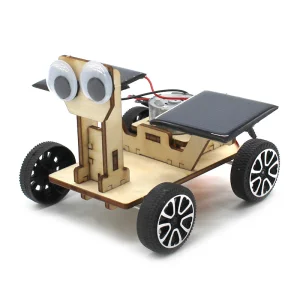
China Shaking head fan No. 2 Scientific experiment model Handmade wooden technology small production model Manufacturers, Pricelist
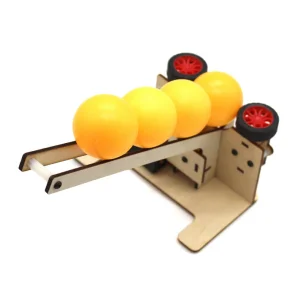
ODM Teaser Fun Science small production of primary and secondary school students stem education movement Energy driving model Manufacturers, Factory
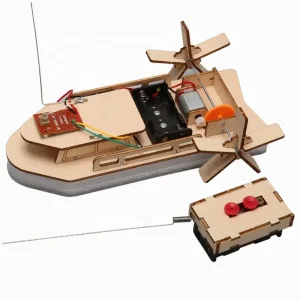
China Self-made electric remote control buoyancy boat - a scientific invention of primary school students Manufacturers, Quotes
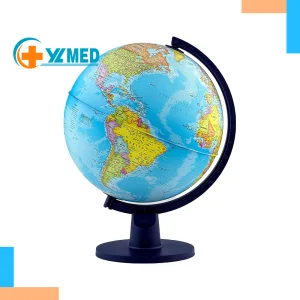
Wholesale 32cm Geography Teaching Equipment Factory Price World Earth Map Rotatable Tellurion with PP Support and Pedestal Globe Manufacturer, Pricelist
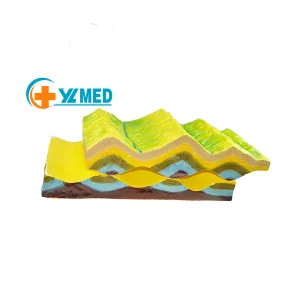
China Teaching Resource School Geology Wooden Molecular Model Plate Structure and Surface Morphology Model Plate Tectonics Display Manufacturer, Service
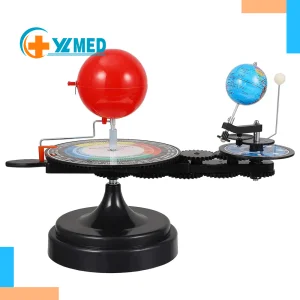
Wholesale Sun Earth Moon Orbital Model Kits Solar System Model Astronomical Science Educational Kits Solar System Model Kit Manufacturer, Quotes
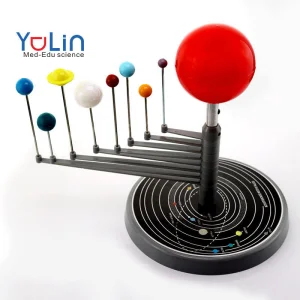
ODM Geography Discipline Teaching Instruments and Astronomy Laboratory Eight Planets Solar System Model with Light Factory, Quotes
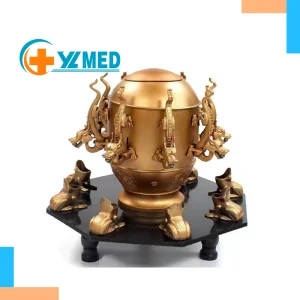
ODM Primary School Science Experiment Equipment Model Seismograph for Geography Teaching for Primary Science Labs Pricelist, Service
A Practical 5-Step Sourcing Process for Osaka Distributors
The fastest quotation is not always the best quotation. A structured process reduces rework, protects your margin and makes tender or school approval easier.
Share Use Case
Tell us the learner age, subject, target quantity and whether the product is for classrooms, museums, distribution or tender supply.
Match Models
We recommend suitable general teaching models and explain specification differences, packaging options and MOQ logic.
Evaluate Samples
Test assembly, labeling, material feel and packing with your local instructors or distributor team before bulk commitment.
Confirm OEM & QC
Confirm private label, carton marks, instruction sheets and inspection points under our ISO 9001 quality management system.
Ship to Osaka
Coordinate protective export packing, documents and delivery planning for Osaka/Kobe and onward Kansai distribution.
A Manufacturer with a Six-Decade Track Record
Henan Yulin Edu. Project Co., Ltd. (Yulin Medical) was founded in 1958 and has grown into an educational and medical equipment manufacturer integrating scientific research, production and sales. Our registered capital is RMB 120 million, and we have more than 200 professional staff. Our quality management system has been ISO 9001 certified since 2008.
For Osaka buyers, these facts matter because they support real supplier due diligence. A long operating history does not replace product testing, but it does indicate process continuity, export experience and a team that understands batch consistency. Our motto remains quality first, service first.
Company facts buyers can verify
- Factory base: No. 8, Daoqing Road, Industry Park, Hongqi District, Xinxiang, Henan, China
- Founded in 1958; ISO 9001 certified since 2008
- 200+ professional staff; RMB 120 million registered capital
- 10 product lines covering educational and medical teaching equipment
- OEM, private label and customized packaging support
- Export inquiry response typically within 24 hours




Beyond General Teaching Models: A Broader Educational and Medical Equipment Supply Base
Osaka distributors often prefer to consolidate multiple teaching and medical training categories with one accountable supplier. The original category links below are preserved so buyers can explore related product ranges.
FAQ: Wholesale General Teaching Models Factories & Service in Osaka
These answers address the questions Osaka distributors, schools and tender buyers ask most often during supplier evaluation.
Are you a manufacturer or a trading company?
Can you ship general teaching models to Osaka and support import documentation?
What is the MOQ and typical lead time?
Do you support OEM, ODM and private-label packaging for Osaka distributors?
Are your general teaching models suitable for Japanese school curricula?
Can you provide documentation for tenders and quotations?
How do you protect fragile teaching models during export?
What after-sales support is available for Osaka buyers?
Can I request samples before placing a wholesale order?
How quickly will I receive a reply?
Request an Osaka-Ready Wholesale Quotation
Tell us which general teaching models you need, the target learner group, order quantity, packaging requirement and delivery plan for Osaka. Our product specialists will recommend suitable models, share specifications and propose a practical export plan.
Factory-direct supply • OEM/private label support • ISO 9001 since 2008 • Export service for Osaka and the Kansai region
Direct Contact Channels
- [email protected]
- 0086-13503800666
- No. 8, Daoqing Road, Industry Park, Hongqi District, Xinxiang, Henan, China
- Global Service
- Hot Blog
- Top Search Keywords
- Contact Us