
Four High-Demand Medical Teaching and Clinical Products for Kuala Lumpur Buyers
These four items represent common sourcing requests from Kuala Lumpur distributors, simulation centres, medical schools and clinical training teams. The original product URLs are preserved for direct inquiry and specification follow-up.
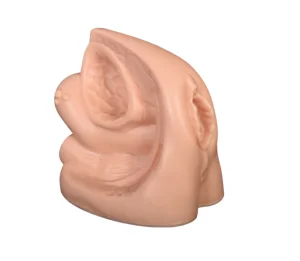
ODM Female Internal and External Catheterization Model, Manikin Teaching Model Catheterization Model for Gynecology Medical Educational Training Aid Manufacturer, Manufacturers
Send Inquiry Now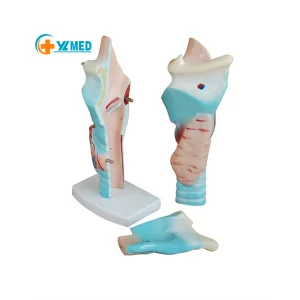
China Best selling Advanced Larynx Structure and Function Model human Larynx Anatomical model 3 times enlarged Quotes, Service
Send Inquiry Now
Why Suture Pads and Kits Procurement in Kuala Lumpur Is Moving from Commodity Buying to Capability Building
Kuala Lumpur is not only Malaysia’s commercial capital; it is also a dense ecosystem of teaching hospitals, private healthcare groups, medical universities, nursing colleges, simulation laboratories and healthcare distributors. For suppliers, this means the buying conversation has changed.
Ten years ago, many buyers in Kuala Lumpur treated a suture pad as a simple consumable: a piece of synthetic skin, a needle, a thread and a tray. Today, procurement teams in the Klang Valley evaluate whether a suture pad can support objective skills assessment, whether a kit can standardise an OSCE station, whether packaging survives tropical humidity, and whether documentation is strong enough for institutional audits. The product is still practical, but the decision is now clinical, educational and regulatory at the same time.
The local business landscape reinforces this shift. Malaysia’s private hospital groups, medical tourism sector, university-affiliated teaching hospitals and private education providers all compete on quality and accreditation. Distributors serving Kuala Lumpur must therefore offer more than low-cost training aids. They need products that help instructors teach consistent technique, help students practise safely, and help hospitals document competency. Suture pads and kits sit exactly at this intersection: they are small-ticket items with large influence on learning outcomes.
Industrial and logistics infrastructure also shapes sourcing. Most Kuala Lumpur-bound imports move through Port Klang or arrive by air through KLIA. Distributors often prefer consolidated shipments that combine anatomy models, nursing simulators, suture pads, laboratory equipment and hospital furniture in one order. A factory that can coordinate mixed-category production reduces the hidden cost of multiple suppliers, multiple inspections and multiple shipping documents. For repeat business, local stockists value predictable lead times and packaging that protects silicone surfaces, instruments and printed instructions from heat and moisture.
Compliance awareness is rising. Malaysia’s Medical Device Act 2012 (Act 737) and Medical Device Authority requirements mean importers and distributors must think carefully about product classification, conformity assessment, labelling, instructions for use and post-market responsibilities. Training aids are not automatically treated the same as diagnostic or therapeutic devices, but claims, intended use and local interpretation matter. A responsible manufacturer should provide material declarations, lot traceability, packing lists, test records and technical descriptions that help the Kuala Lumpur importer work with its own regulatory consultant. The factory should support compliance—not replace the importer’s legal responsibility.
Finally, climate is a practical procurement issue. Kuala Lumpur’s heat and humidity can affect adhesives, packaging, printing and storage if products are not protected. Export cartons should use moisture barriers, desiccant where appropriate, sealed inner bags, clear storage instructions and robust outer packaging. For institutions that store kits in skills laboratories for months, packaging quality is part of product quality.
What a Professional Suture Pad and Kit Should Deliver to Kuala Lumpur Training Institutions
A suture pad is a teaching instrument. The best specification is not the thickest pad or the lowest price; it is the construction that gives learners realistic feedback while remaining durable, repeatable and safe.
Multi-layer tissue realism
High-quality pads often use several layers to represent epidermis, dermis, subcutaneous tissue and muscle or fascia. This allows learners to feel resistance changes as the needle passes through skin, subcutis and deeper tissue. For advanced surgical practice, reinforced layers can simulate fascial closure or vessel repair.
Needle feel and suture drag
Penetration force, needle drag and thread friction should match the learner level. Too soft a pad gives false confidence; too hard a pad discourages beginners. Buyers should specify expected suture sizes, needle types and whether the pad is for undergraduate suturing, OSCE assessment, surgical residency or emergency medicine.
Suture retention and repeatability
Repeated practice demands tear resistance, reliable backing and consistent closure tension. A strong pad should hold sutures without premature pulling-through, while allowing a defined number of practice passes. Institutional buyers should ask for sample evaluation across the exact suture sizes and instruments used in their courses.
Kit logic and documentation
A professional kit is more than a pad. It may include needle holder, tissue forceps, scissors, sutures, drape, tray, disposal bag and instruction card. Clear component lists, lot numbers, packaging labels and storage instructions make the kit easier to issue, audit and restock in Kuala Lumpur skills laboratories.
Design for tropical storage and high-frequency teaching
In Kuala Lumpur, suture pads may be stored in air-conditioned simulation suites, but they may also pass through warm warehouses, customs facilities and non-clinical stockrooms. Factories should avoid packaging that traps condensation, use sealed inner barriers where needed, print clear storage temperature and humidity guidance, and protect sharp instruments individually. For high-frequency courses, reusable pad holders or replacement pad systems can lower cost per student while maintaining hygiene protocols.
Quality assurance should not stop at appearance. Relevant checks include dimensional accuracy, layer bonding, colour consistency, needle penetration force, suture pull-through resistance, instrument finish, sharp-edge inspection, label accuracy, packaging seal integrity and lot traceability. For buyers preparing tenders, a manufacturer that can discuss these parameters in plain language is more valuable than a catalogue-only supplier.
From Silicone Practice Pads to Data-Enabled Surgical Simulation: 2025–2030
The next generation of suture training will be shaped by material science, embedded sensing, digital assessment and sustainable manufacturing. For Kuala Lumpur institutions, the opportunity is to procure platforms that can evolve without replacing every component at once.
Material refinement and tropical packing
More consistent silicone formulations, reinforced dermal layers, low-odour materials and humidity-resistant packaging. Custom pad densities for undergraduate, nursing and surgical programmes become easier to specify.
Sensorised practice surfaces
Conductive layers and low-cost pressure sensors can detect needle entry, suture spacing and tension. Early systems will focus on objective feedback rather than full clinical grading, giving students clearer self-practice cues.
AI, AR and competency analytics
QR-linked instruction, camera-based knot assessment and AR overlays can guide incision lines and suture placement. Institutions will ask for exportable skills records that fit OSCE and residency assessment workflows.
Sustainable and patient-specific simulation
Recyclable or bio-based materials, digital product passports and 3D-printed anatomy for case-specific rehearsal. The factory becomes a data-enabled production partner, not only a moulding workshop.
Turnkey Suture Training and Clinical Simulation Solutions for Kuala Lumpur
Different buyers need different levels of configuration. A distributor may need private-label retail kits; a university may need standardised OSCE stations; a hospital may need procedure-specific packs for residency programmes.
Medical school and nursing OSCE stations
Standardised pads, instruments, procedure cards, barcodes and replacement components for repeat examinations. Kits can be configured by station, year of study or assessment rubric.
Surgical residency and wet-lab alternatives
Multi-layer pads, vessel and tendon practice models, instrument sets and custom task trainers for suturing, knot tying and tissue handling. Synthetic options reduce ethical and logistical constraints.
Hospital clinical skills and EMS
Compact wound-closure kits for emergency medicine, family medicine, surgical onboarding and refresher training. Pack configurations can support single-use teaching, hygiene protocols and rapid restocking.
Distributor private label
Custom packaging, instruction sheets, barcodes, brand colours and language support. A Kuala Lumpur distributor can build a local product line while relying on the factory for batch traceability and technical content.
What “Serving Kuala Lumpur” Should Mean in Practice
Local support is not a slogan. It is the ability to answer Malaysian buyer questions, prepare documents, protect products for tropical logistics and respond after delivery.
Kuala Lumpur-focused commercial support
- English quotations, specifications, packing lists and product data sheets for Malaysian distributors.
- Sample dispatch by air to KLIA or door delivery in the Klang Valley, with consolidated shipment options through Port Klang.
- Mixed-category orders combining suture pads, anatomy models, nursing simulators, laboratory items and hospital equipment.
- Private-label artwork, barcode coordination and packaging review for local catalogue and e-commerce use.
Compliance and technical documentation
- ISO 9001 quality management system certified since 2008, with batch and inspection records available on request.
- Material declarations, latex-free options, non-animal-origin synthetic choices and safety data where applicable.
- Technical files, product descriptions and labelling information to support the importer’s own Medical Device Authority and Act 737 review process.
- Lot traceability, production records and export documents that help distributors maintain GDP Medical Device expectations.
Need Malaysian pricing, samples or tender documents?
Send your intended use, learner level, kit components, quantities and target delivery window. Our export team will prepare a Kuala Lumpur-ready quotation and documentation checklist.
Supply Chain Resilience and Efficiency Advantages for Kuala Lumpur Buyers
Henan Yulin Edu. Project Co., Ltd. has operated since 1958 and holds ISO 9001 certification since 2008. From its Xinxiang base, the company combines long-established manufacturing discipline with modern production planning, quality control and export coordination.
Factory 4.0 is often described as automation, but for medical education products the real advantage is controlled variation. A suture pad must feel consistent from batch to batch. An anatomy model must match its approved geometry. A kit must contain exactly the components listed in the instruction sheet. This requires digital product data, standard operating procedures, mould maintenance, raw material controls and inspection records—not simply faster machines.
With registered capital of RMB 120 million, more than 200 professional staff and ten product lines, the factory can support one-stop sourcing without losing accountability. Digital planning helps align moulding, assembly, printing, packing and inspection. Modular production cells allow repeat orders and custom kits to run alongside standard catalogue products. Raw material suppliers are qualified and monitored, and approved alternatives are prepared for critical components so that a single supply interruption does not automatically stop an export order.
For Kuala Lumpur, resilience has a direct commercial value. Distributors do not want to explain a stock-out to a university at the start of an OSCE season. Hospitals do not want mixed kits arriving with missing instruments. A manufacturer that controls both product quality and packing sequence can reduce those risks. Combined shipments also lower freight complexity: suture pads, manikins and hospital equipment can be inspected, packed and documented under one quality system, with one commercial contact and one shipment plan.
Modular capacity
Standard pads, custom kits, private-label packaging and mixed-category orders can be planned together instead of being treated as unrelated projects.
Batch traceability
Production and inspection records support recalls, tender audits and repeat-order consistency. Lot information can be linked to export packing.
Export-ready packing
Protective inner packing, moisture control, strong cartons and clear marks help products arrive in usable condition after tropical transit.
One accountable partner
Ten product lines, one quality system and one export team reduce coordination risk for distributors serving Kuala Lumpur and wider Malaysia.
A Buyer’s Checklist for Suture Pads and Kits Tenders in Kuala Lumpur
Clear specifications reduce sample cycles, avoid disputes and make tenders easier to evaluate. The table below summarises the requirements that Kuala Lumpur procurement teams should define before requesting quotations.
| Requirement | Why it matters | What to request from the factory |
|---|---|---|
| Learner level and intended use | Undergraduate, nursing, OSCE, surgical residency and EMS training require different pad hardness, layer construction and kit contents. | Recommended pad grade, sample options, procedure list and assessment suitability statement. |
| Material and layer construction | Needle feel, suture retention and realism depend on the number and density of layers. | Material declaration, layer diagram, hardness range, latex-free confirmation and cleaning guidance. |
| Kit configuration | Missing instruments or incorrect suture sizes create delays in skills laboratories. | Component list with quantities, instrument material, suture specifications, tray layout and replacement part list. |
| Packaging and shelf life | Kuala Lumpur humidity and long storage can damage unprotected products. | Inner sealing, desiccant use, storage conditions, shelf-life statement and carton drop-test information where available. |
| Compliance documentation | Importers and distributors need records for audits, tenders and regulatory review. | ISO 9001 certificate, technical description, lot traceability, material safety information and labelling artwork. |
| Branding and barcodes | Private-label products must fit local catalogue, retail and hospital inventory systems. | Artwork template, barcode placement, instruction translation support and packaging mock-up. |
| Logistics and Incoterms | Port Klang, KLIA and door delivery have different cost and risk profiles. | FOB, CIF or DDP options, carton dimensions, gross weight, consolidation plan and estimated lead time. |
| After-sales and replenishment | Repeat training cycles require predictable resupply and replacement components. | Recommended stock plan, spare-part list, warranty statement for instruments and responsive technical contact. |
A Transparent Five-Step Process for Kuala Lumpur Buyers
From first enquiry to delivery, each stage is designed to reduce specification risk and give the buyer a clear decision point.
01 · Share requirements
Send target market, learner level, product category, quantities, packaging preference and any tender documentation requirement.
02 · Technical proposal
Receive matched models, specifications, kit configurations, packaging options, lead-time estimate and shipping suggestions.
03 · Sample evaluation
Test pad hardness, suture feel, instrument quality and packaging with your instructors or clinical team before bulk production.
04 · Production and QC
Manufacturing and inspection follow the ISO 9001 quality system, with lot records and packing checks for export.
05 · Export and support
Protective export packing, delivery coordination to Port Klang or KLIA, and responsive after-sales follow-up.
Frequently Asked Questions About Suture Pads, Kits and Factory Supply
Straight answers for distributors, universities, hospitals and procurement teams comparing manufacturers for Kuala Lumpur delivery.
Is Yulin Medical a manufacturer or a trading company?
We are a manufacturer. Henan Yulin Edu. Project Co., Ltd. was founded in 1958 and operates its own factory in Xinxiang, Henan, China, with more than 200 professional staff. For one-stop orders, we also coordinate a stable network of long-term partner factories.
What quality certification does Yulin Medical hold?
Our quality management system has been ISO 9001 certified since 2008. Product-specific documentation can be provided on request for tenders and import registration.
Do you support OEM, private label and custom packaging?
Yes. Our in-house design team develops private-label packaging and product presentation for distributors to increase shelf appeal and resale value. We can support custom kit configurations, instruction sheets, barcode placement and brand artwork.
How do I choose the right CPR training manikin?
Match the manikin to the learner group (adult, child or neonatal), check that real-time feedback covers compression depth, rate and ventilation, confirm alignment with current AHA resuscitation guidelines, and decide whether AED training integration is required. For advanced life-support programmes, an ACLS simulator with embedded scenarios offers more assessment value than a basic torso.
How quickly will I receive a reply?
Our export team is online 7 days a week and typically replies within 24 hours with catalogs, specifications and shipping options.
How are suture pads and kits shipped to Kuala Lumpur?
Shipments can be arranged by air to KLIA or by sea through Port Klang, depending on volume, urgency and Incoterms. We can consolidate suture pads with anatomy models, nursing simulators and other product lines to reduce freight complexity. Packaging can include moisture protection, desiccant and reinforced cartons for tropical transit.
Can you support Malaysian Medical Device Authority documentation?
We can provide technical descriptions, material declarations, ISO 9001 evidence, lot records, labelling information and other factory documents that the Malaysian importer may need for its own regulatory assessment. Registration and legal classification remain the responsibility of the local importer or its regulatory consultant.
What is the minimum order quantity for Kuala Lumpur orders?
MOQ depends on the product, packaging and degree of customisation. We can discuss trial orders, mixed-category shipments and phased rollouts so that distributors and institutions can evaluate quality before scaling. Send your target quantities and we will propose a practical plan.
How should we evaluate suture pad quality before ordering?
Test the exact suture sizes and instruments used in your courses. Check layer bonding, needle penetration feel, suture pull-through resistance, repeated-use performance, backing stability, instrument finish, packaging seal and label clarity. Ask for batch traceability and a component list for each kit.
Are animal-derived materials used?
Synthetic options are available for institutions that prefer non-animal-origin training materials. Where any animal-derived component is used, declarations can be provided so the buyer can assess ethical, import and institutional requirements.
Can you provide tender documents and samples for a Malaysian institution?
Yes. We can prepare product specifications, packing lists, carton dimensions, ISO 9001 evidence, commercial quotations and sample arrangements. For public or private tenders, early engagement helps align samples, documentation and delivery schedules.
Additional Medical Education and Clinical Equipment for Kuala Lumpur Supply
These eight products complete the original product set and support distributors, teaching institutions and clinical training teams that require a broader one-stop sourcing programme.
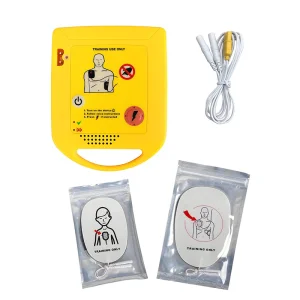
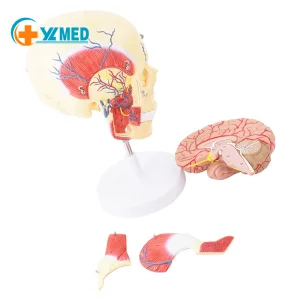
OEM Human anatomical model of the maxillofacial anatomy of masticatory muscles Masseter temporalis trigeminal nerve Manufacturer, Factory
Send Inquiry Now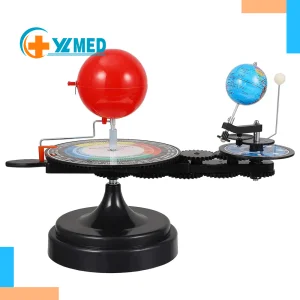
Wholesale Sun Earth Moon Orbital Model Kits Solar System Model Astronomical Science Educational Kits Solar System Model Kit Manufacturer, Quotes
Send Inquiry Now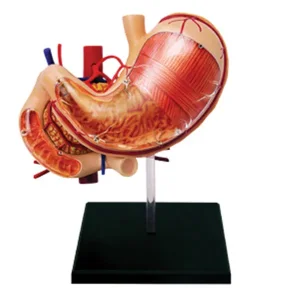
ODM Medical teaching model DIY popular science educational equipment human stomach organ anatomical model Manufacturer, Service
Send Inquiry Now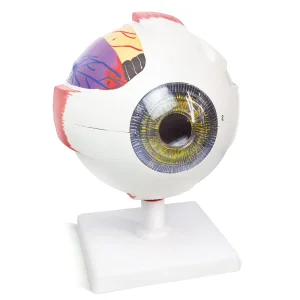
China 6X Enlarged Human Eye Anatomical Model, 6 Parts Eyeball Anatomical Model Showing Optic Nerve Cornea Iris Lens and Vitreous Body with Detachable Stand for Medical Classroom Teaching Research Manufacturer, Pricelist
Send Inquiry Now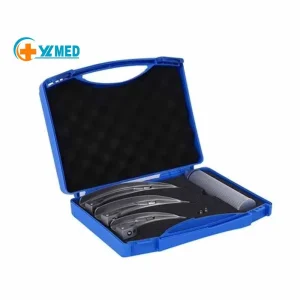
Wholesale Genuine Stainless Steel Indirect Video Laryngoscope Electric Adult Pediatric Laryngeal Ear Eye Nose Throat Surgical Instrument Quotes, Service
Send Inquiry Now
Start your Kuala Lumpur sourcing programme with a factory that understands documentation, simulation and delivery.
Share your product list, target quantities, packaging requirements and preferred Incoterms. We will return a practical proposal with sample options and lead-time guidance.