
Four Core Products for Finnish Medical Education & Clinical Training
The first four original products are presented as a one-row sourcing showcase for Finnish anatomy laboratories, physiology teaching, hospital simulation preparation and clinical skills classrooms. Each link and image is retained exactly for product verification and quotation.
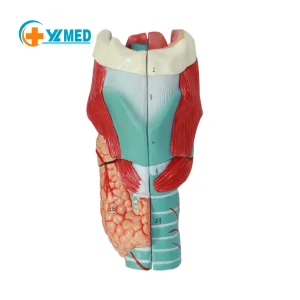
China Human Larynx Model, 2 Parts Larynx Throat Anatomical Model for Medical Anatomy and Physiology Study Research Teaching Manufacturers, Quotes
Suitable for Finnish nursing, medical and speech therapy programmes that need clear laryngeal structure demonstration before airway and wound-closure simulation.
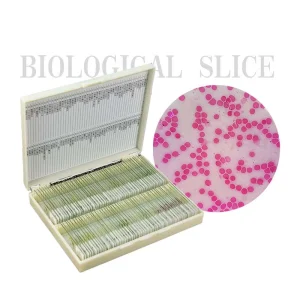
ODM Fixed 100 Items Different Prepared Microscope Histology Slides Set Manufacturer, Pricelist
Useful for Finnish secondary schools, biomedical laboratories and histology teaching, supporting slide handling, microscope observation and practical assessment.
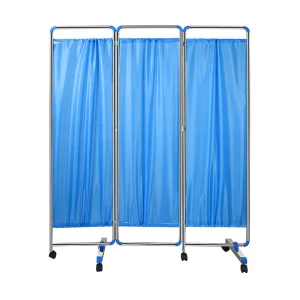
China Durable Medical Hospital Screen with Stainless Steel Hinge Waterproof Fabric and Blackout Feature Can Be Folded Manufacturer, Pricelist
Fits Finnish clinic examination rooms, nursing skills laboratories and OSCE stations where privacy, wipe-clean surfaces and stable folding are essential.
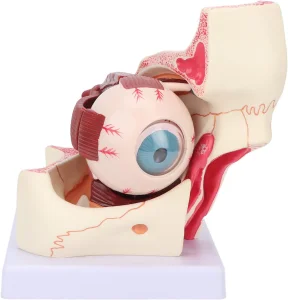
China Magnifying model of eyeball and orbit Factories, Service
Supports Finnish ophthalmology introductions, anatomy demonstrations and patient education, with an enlarged structure that improves classroom visibility.
What Finnish Buyers Really Mean by “Suture Pads and Kits Manufacturer”
For a Finnish distributor, university hospital simulation centre or vocational nursing college, the search phrase is rarely a request for a commodity foam pad. It usually sits inside a specification-led procurement project with clinical realism, documentation, language and delivery-risk requirements.
A training system, not a disposable accessory
A suture pad must behave predictably when a learner passes a needle through tissue, ties a knot, applies tension and closes a wound. If the surface is too soft, the learner develops incorrect force control. If the pad tears after a few passes, the training session becomes an exercise in material failure rather than wound closure. For Finnish educators, the real evaluation criteria are haptic fidelity, repeatability, traceability and curriculum fit — not simply price per piece.
Our Finland-focused approach treats every suture pad and kit as part of a learning system. The pad’s layer structure should resemble epidermis, dermis, subcutaneous tissue and, where relevant, fascia or muscle. The material should accept common suture gauges and needle types without premature shredding. The kit should match the procedure being taught: simple interrupted sutures, instrument ties, deep fascial closure, episiotomy repair, laparoscopic port-site closure or emergency wound management.
This is where generic supplier pages often stop short. Finnish procurement teams need to know whether a manufacturer can supply a first article sample, document material composition, maintain batch consistency, support Finnish or Swedish packaging, and scale from a single teaching lab to a regional framework agreement. The answer determines whether a low unit price is genuinely low cost, or simply a hidden cost in retraining, complaints and replacement orders.
How Finnish Procurement Teams Can Weight a Suture Pad Supplier
The weightings below are an example internal scorecard for tender preparation, not a published survey. They help a buying team compare a local assembler, a European distributor and a direct China factory on the same basis.
A Small, Demanding Market with High Specification and Strong Public Accountability
Finland’s healthcare education and simulation ecosystem is concentrated in universities, universities of applied sciences, vocational colleges, hospital simulation centres and public wellbeing services counties. A product that begins in one nursing skills lab can later be referenced in regional training programmes, so consistency and documentation matter from the very first sample.
Public Procurement & Framework Agreements
Finnish public buyers often work through structured tenders, framework agreements and central purchasing channels. Suppliers must be ready with clear specifications, stable pricing logic, delivery terms, traceability and documentation that survives tender clarification rounds.
Distributor-Led Medical Education Supply
Specialist educational and medical distributors often bundle anatomy models, CPR manikins, prepared slides, hospital furniture and consumables. A manufacturer that can consolidate categories reduces supplier administration for Finnish distributors and improves landed-cost control.
Bilingual Training & Labelling Reality
Finland uses Finnish and Swedish in public administration and education. Suture pad kits may require Finnish or Swedish instructions, packaging text, QR-linked guides or distributor-specific labels. This is a localisation task, not a translation afterthought.
Logistics through Helsinki, Turku and Kotka
Suture pads are relatively light and non-perishable, which makes consolidated shipments attractive. Finnish buyers can combine suture kits with larger teaching models and hospital equipment in one sea or air movement, reducing per-unit freight and customs complexity.
Preparedness, EMS and Clinical Skills
Finnish emergency care, defence-related medical training and clinical skills centres require repeatable wound-closure practice. The pad format should support rapid setup, clear infection-control routines and realistic hand-instrument coordination.
Sustainability & Packaging Responsibility
Finnish institutions increasingly ask about recyclability, packaging minimisation and material declarations. A supplier that offers refill pads, recyclable cartons and clear material data can reduce the buyer’s ESG friction before tender submission.
From Multi-Layer Silicone Pads to Connected Simulation Consumables
The next competitive frontier is not only “more realistic silicone”. It is a predictable training platform that connects materials, procedure design, data capture and local content. The roadmap below reflects the direction we discuss with Finnish educators and distributors during sample evaluation.
Anatomical Layer Engineering
Latex-free silicone epidermis, self-healing dermis, subcutaneous fat simulation, fascia and muscle layers. Reinforcing mesh controls tension so repeated suturing remains close to clinical feel.
Procedure-Specific Modules
Laceration repair, episiotomy, cesarean closure, tendon repair, vessel ligation, laparoscopic port closure and emergency wound management can each receive a dedicated pad geometry and instrument list.
Digital Learning Linkage
QR codes can connect a kit to step-by-step videos, assessment rubrics, Finnish or Swedish instruction sheets and batch records. This supports self-directed learning without adding paper waste.
Sensor-Assisted Feedback
For advanced simulation programmes, pressure and motion sensing can help quantify needle depth, angle and force. The aim is objective feedback and repeatable assessment, not technology for its own sake.
Sustainable Material Options
Bio-based or recycled-content material studies, refill pad designs and mono-material packaging can reduce waste while maintaining tactile performance. Every option must pass the same puncture and tension tests.
Modular Kit Architecture
Instead of a fixed box, the kit becomes a configurable platform: pad, tray, instruments, sutures, gloves, disposal bag, label and QR content. Finnish distributors can define a local SKU without changing the manufacturing base.
Traceability by Batch
Batch coding, material lot records, inspection status and packaging labels can be linked to a digital production record. This supports complaints analysis, change control and tender documentation.
Assessment-Ready Design
OSCE and competency-based education require standardised tasks. Pad dimensions, suture spacing guides, wound depth and instrument counts can be standardised so different student cohorts receive equivalent practice conditions.
One Sourcing Partner for Curriculum, Tender and Distribution Complexity
Finnish buyers rarely purchase a suture pad in isolation. The purchase may sit beside anatomy models, CPR manikins, hospital furniture, laboratory slides and dental training equipment. A supplier with broad category control can reduce administrative load and improve delivery reliability.
Curriculum-Aligned Kit Design
We can translate a Finnish nursing, medical or EMS curriculum outline into a practical bill of materials: pad type, wound geometry, suture sizes, needle holder, forceps, scissors, tray, disposal bag and assessment sheet. This reduces the risk of buying a kit that looks complete but does not match the teaching sequence.
Tender-Ready Documentation Packs
For public procurement, we support specification tables, material declarations, packing details, batch traceability, HS code suggestions, Incoterms and product images. The goal is to give the Finnish importer or distributor a clean document set for tender clarifications and internal approval.
OEM, Private Label and Finnish Packaging
Our in-house design and packaging team can develop distributor brands, bilingual labels, QR-linked instructions and market-specific cartons. For Finland, packaging text can be prepared in Finnish, Swedish or English according to the buyer’s intended channel and claims.
Mixed-Category Consolidation
Anatomy models, CPR training manikins, prepared microscope slides, dental equipment, hospital furniture and suture kits can be coordinated through one export contact. Consolidated loading reduces freight waste and simplifies supplier administration for Finnish distributors.
Flexible MOQ and Sample Programme
First orders often need a small evaluation quantity before a framework agreement. We discuss sample quantities, custom pad geometry, packaging mock-ups and air-freight options so that Finnish instructors can test the product before a larger commitment.
After-Sales Replacement Modules
Suture pads are consumables, but the surrounding kit should remain usable. We can supply refill pads, replacement instruments and updated instruction cards so that Finnish training centres reduce waste and maintain a consistent teaching standard across cohorts.
Finland-Ready Documentation, Language and Regulatory Boundaries
Training products require careful positioning. A suture pad used only for education is not automatically a medical device, but the intended use, claims and accompanying accessories determine the correct route. Our role is to supply clear information so the Finnish importer can make an informed decision.
Compliance Checklist for Finnish Buyers
- Clear intended-use statement distinguishing training simulation from clinical treatment claims.
- EU MDR boundary review: classification depends on intended purpose, claims and product function.
- CE marking documentation where applicable, especially for electrical accessories or integrated devices.
- REACH and material declarations for silicone, mesh, plastics, dyes and packaging.
- RoHS and EMC documentation for any electronic feedback or illuminated components.
- Batch code, lot number, shelf-life and traceability records for institutional tenders.
- Finnish, Swedish or English labels and instructions, depending on the buyer’s channel.
- GS1-compatible barcode support and private-label packaging artwork.
- Incoterms, HS code suggestions, EORI and importer-of-record coordination.
- Packaging minimisation and producer-responsibility data where requested.
- ISO 9001 quality management system evidence, certified since 2008.
- Change-notification process for material, mould, packaging or production-location changes.
Language Is Part of Product Quality
In Finland, a well-made training kit can still fail a procurement review if the instructions do not match the teaching environment. Bilingual labelling, clear diagrams, metric suture sizes and local terminology reduce instructor preparation time and lower the risk of incorrect use.
We can work from a Finnish distributor’s existing glossary or assessment rubric to align product labelling and QR-linked content. For private-label programmes, we support artwork review, variable-data fields, batch coding and packaging mock-ups before mass production.
Regulatory responsibility must be explicit. Where a product is intended for training only, the label and instructions should avoid clinical claims that could trigger medical-device obligations. Where an accessory has an independent function, the Finnish importer should evaluate it separately. This clarity protects both the distributor and the end institution.
Supply-Chain Resilience and Efficiency Advantages for Finnish Orders
Henan Yulin Edu. Project Co., Ltd. has manufactured educational and medical training equipment since 1958. Our quality management system has been ISO 9001 certified since 2008, and we operate with more than 200 professional staff, registered capital of RMB 120 million and ten specialised product lines from our base in Xinxiang, Henan, China.
What Factory 4.0 Means for a Suture Pad
Factory 4.0 is not a decorative slogan. For a suture pad and kit programme, it means controlled material batching, documented mould maintenance, repeatable curing and demoulding parameters, inline visual inspection, traceable batch coding and digital packing lists. It also means that a Finnish distributor can receive a sample, approve a specification and expect the production batch to match that specification.
Our manufacturing and partner network covers anatomy models, medical nursing models, skeleton models, dental tools, prepared slides, hospital furniture, medical apparatus, general teaching models and suture pads and kits. This breadth creates a practical resilience advantage: materials, packaging, instruments and accessories can be coordinated across categories rather than purchased from unrelated suppliers.
Why It Matters for Finland
- Stable repeat orders for nursing colleges and simulation centres.
- Flexible production slots for tender deadlines and sample requests.
- Consolidated shipments with anatomy, CPR and hospital equipment.
- Private-label packaging and Finnish-language instruction support.
- Long-term partner factories for overflow or specialised components.
- ISO 9001 process discipline and product-specific documentation on request.
How to Qualify a Suture Pad Manufacturer Without Slowing Down the Tender
Large distributors and public buyers evaluate a supplier on more than the product photo. They need confidence in sample speed, specification control, documentation, change notification, packaging and delivery performance. A structured RFQ shortens the evaluation cycle and reduces the risk of a late-stage rejection.
Define Intended Use First
State whether the kit is for nursing education, surgical residency, EMS, veterinary training or general wound-care practice. The intended use determines claims, labelling, accessory selection and whether regulatory review is required.
Specify the Material Stack
Describe the desired layers, pad dimensions, wound geometry, suture sizes and expected number of passes. A clear technical brief allows the factory to propose a realistic construction rather than an approximate catalogue item.
Request the Document Pack
Ask for intended-use statement, material data, packing details, batch coding, label artwork, HS code suggestion, lead time, MOQ, sample cost and Incoterms. This separates a capable factory from a trading intermediary.
Approve a Golden Sample
For repeat institutional orders, a signed golden sample removes ambiguity. It can define colour, hardness, thickness, packaging, instrument quality and label placement before bulk production.
Set Change-Control Rules
Global buyers need advance notice of material, mould, production-location or packaging changes. A documented change-control process protects the Finnish distributor from unexpected differences between batches.
Agree Delivery and KPIs
Use measurable terms such as on-time-in-full delivery, first-pass sample approval, complaint response time and batch-record retrieval. These KPIs are more useful than a general promise of “good quality”.
Build a Finnish SKU That Instructors Can Use Immediately
A kit becomes valuable when it reduces preparation time for the instructor and produces a consistent learning experience for the student. The most effective Finland-specific kits combine a realistic pad, the correct instruments, clear instructions and a traceable packaging format.
Finnish Nursing OSCE Wound-Closure Kit
Includes a standardised laceration pad, needle holder, forceps, scissors, suture material, tray, disposal bag and QR-linked rubric. Designed for repeatable station setup and easy restocking between student groups.
Finnish Surgical Residency Layered Suture Kit
A multi-layer pad with deep fascial closure and skin closure zones, paired with instrument sets and procedure cards. Supports instrument ties, deep knots and layered closure practice for advanced learners.
Nordic EMS Wound Management Pack
Focused on emergency wound cleaning, packing, temporary closure and referral decisions. The kit can include a compact pad, disposable instruments, gloves and waste-control items for scenario-based training.
Veterinary Suture Practice Kit
For Finnish animal-care and veterinary technician programmes, pad geometry and instrument sizes can be adjusted for small-animal wound closure, knot security and tissue handling.
Refill-Only Sustainability Programme
Institutions can keep durable instruments and trays while ordering replacement pads in bulk. This reduces packaging volume, lowers cost per practice session and supports circular procurement objectives.
Private-Label Distribution Programme
For Finnish distributors, we can support branded cartons, label artwork, product photography, QR content pages and packaging variants by customer or institution.
Henan Yulin Edu. Project Co., Ltd. — Medical & Educational Equipment Since 1958
Yulin Medical is a manufacturer, not a trading company. Founded in 1958 and based at No. 8 Daoqing Road, Industry Park, Hongqi District, Xinxiang, Henan, China, we integrate scientific research, production, inspection and export across ten product lines. Our quality management system has been ISO 9001 certified since 2008. For one-stop orders, we also coordinate a stable network of long-term partner factories.
What Finnish Distributors Gain
One accountable contact for anatomy models, nursing simulators, CPR manikins, skeleton models, dental training equipment, prepared microscope slides, hospital furniture and suture pads and kits. Mixed-category orders can be consolidated into a single shipment with one export document set, reducing supplier management and improving landed-cost visibility.
Our in-house design and packaging team supports private-label programmes, product presentation and market-specific packaging. Our export team is online seven days a week and typically replies within 24 hours with catalogues, specifications and shipping options.
Complete Product Category Access
The category links below are retained from the original product structure so that Finnish buyers can move directly from this guide to the relevant sourcing page.
Practical Knowledge for Medical Education Buyers
Beyond product supply, we publish hands-on guidance for educators and distributors. These original insights help Finnish buyers understand how training products behave in real teaching environments.

Do You Really Know How to Observe Biological Prepared Slides?
Many plant and animal cell structures can only be studied under a microscope, which makes prepared biological slides essential in every biology lab. Yet many users never get the full value from them. Our specialists explain how to handle, focus and store slides correctly so students see clearer detail and your slide sets last for years.

The 5th Henan Provincial Educational Equipment Expo Concludes Successfully
Themed “Digital Leading Innovation and Development”, the expo reached a record 50,000 m² with 600+ brands and 10,000+ products on display, showcasing the latest educational equipment.

Inside Our Product Showroom
A look at the medical teaching models and training equipment buyers can inspect in person when visiting our Xinxiang facility.
Frequently Asked Questions from Finnish Importers and Institutions
These answers combine the original buyer FAQ with Finland-specific questions on compliance, localisation, supply resilience and suture kit procurement.
Is Yulin Medical a manufacturer or a trading company?
What quality certification does Yulin Medical hold?
Do you support OEM, private label and custom packaging?
How do I choose the right CPR training manikin?
How quickly will I receive a reply?
Can you supply suture pads and kits specifically for Finland?
Are suture pads and kits medical devices under EU MDR?
Can you support Finnish or Swedish labelling and packaging?
What is the MOQ and sample lead time?
How do you ensure supply-chain resilience for Finnish buyers?
What shipping terms and entry points can you support?
Can you consolidate different product categories into one shipment?
Eight Additional Products from the Original Collection
These eight products complete the original one-stop sourcing view for Finnish distributors, schools and hospitals. Each product image and destination URL is retained exactly. The grid is arranged as two full rows on desktop and reflows into full rows on tablet and mobile without orphaned items.
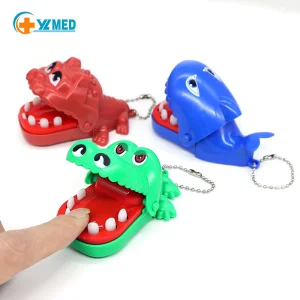
China Mini small trick funny silicone decompression toys crocodile game bite hand toy Manufacturer, Factories
A lightweight silicone novelty item for education distributors seeking supplementary classroom or retail products.
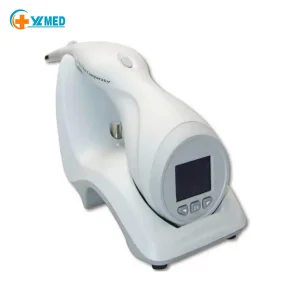
OEM Dental colorimeter dental colorimeter dental computer digital colorimeter colorimetric lamp whitening instrument tooth cleaning Manufacturer, Factories
For dental training laboratories, whitening consultation and shade communication in Finnish clinical education.
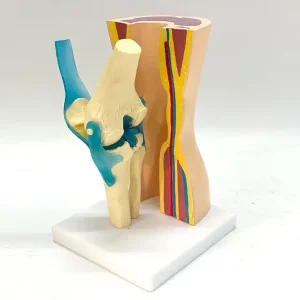
ODM Medial Science Human Skeleton Model Knee Joint Ligament with Anatomy Half Leg Model Manufacturers, Pricelist
Supports Finnish physiotherapy, orthopaedic and nursing education with visible knee ligament anatomy.
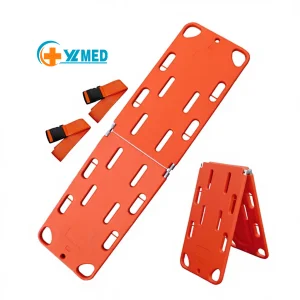
ODM Foldable Spine Board Stretcher with Backboard Straps for Patient Transport Factories, Quotes
For Finnish EMS, rescue and clinical skills training where patient immobilisation and transfer are assessed.
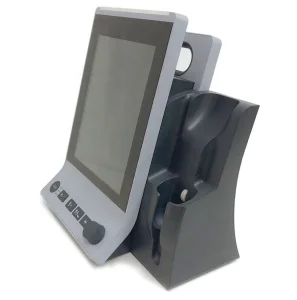
China Hot Selling Hospital Equipment Clinic for Hospital Monitoring Equipments Manufacturer, Quotes
Hospital and clinic equipment sourcing for Finnish distributors seeking mixed-category consolidation.
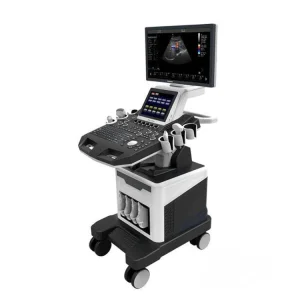
OEM Medical Ultrasound Instruments 3d/4d Hospital Equipment Trolley Full Digital Color Doppler Ultrasound Scanner Manufacturers, Factory
Medical imaging equipment for qualified distributors, with documentation discussion available for the Finnish market.
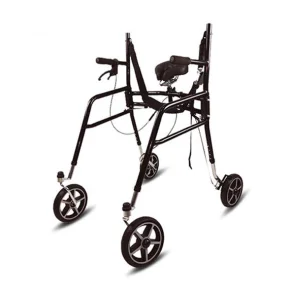
Wholesale Lightweight Adult Walker Height Adjustable Deluxe Walker Rollator Anodized Aluminum Durable Walker for Disabled Manufacturer, Quotes
For Finnish home-care, rehabilitation and hospital furniture distributors requiring durable mobility aids.
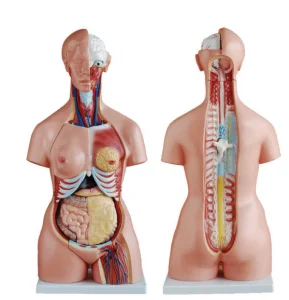
OEM 21 models of 85CM three-sex trunk Manufacturer, Manufacturers
An 85cm trunk model series suitable for Finnish anatomy classrooms, biology teaching and public health education.
Request a Finland-Specific Suture Pad & Kit Quotation
Tell us your target institution, teaching programme, pad specifications, kit contents, language requirements and target delivery date. Our team will recommend suitable models, prepare a document checklist and propose an economical consolidated shipping plan.